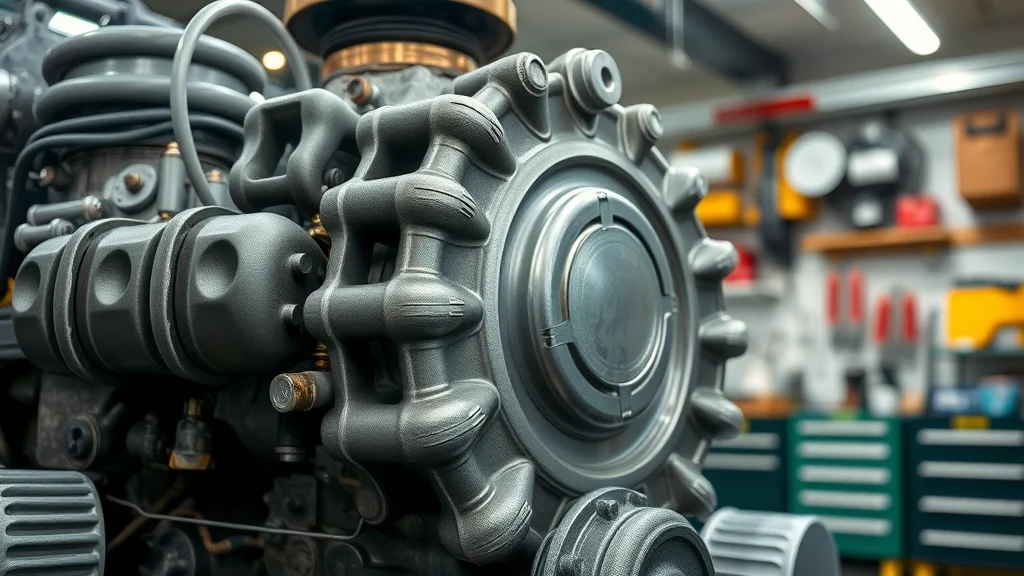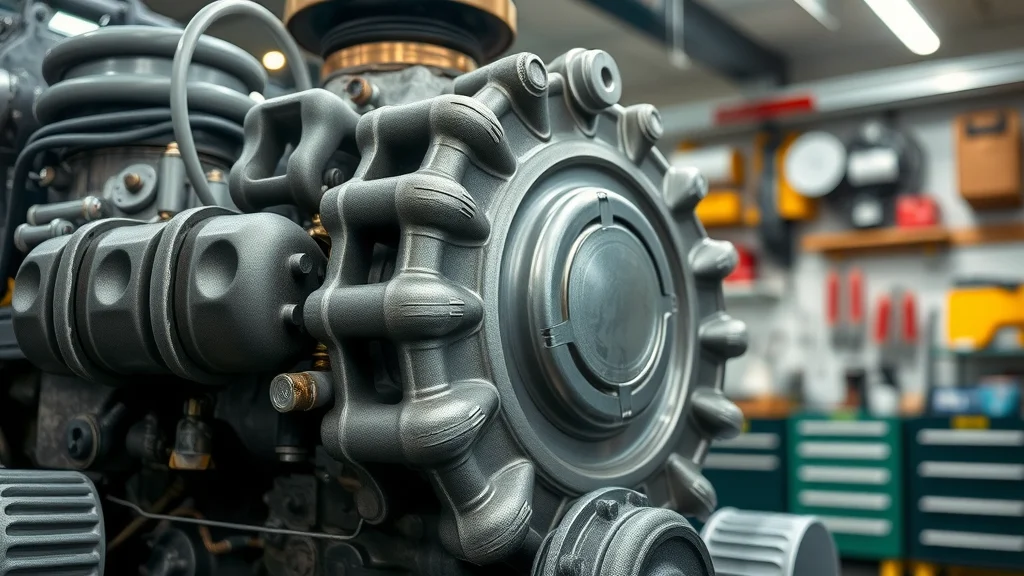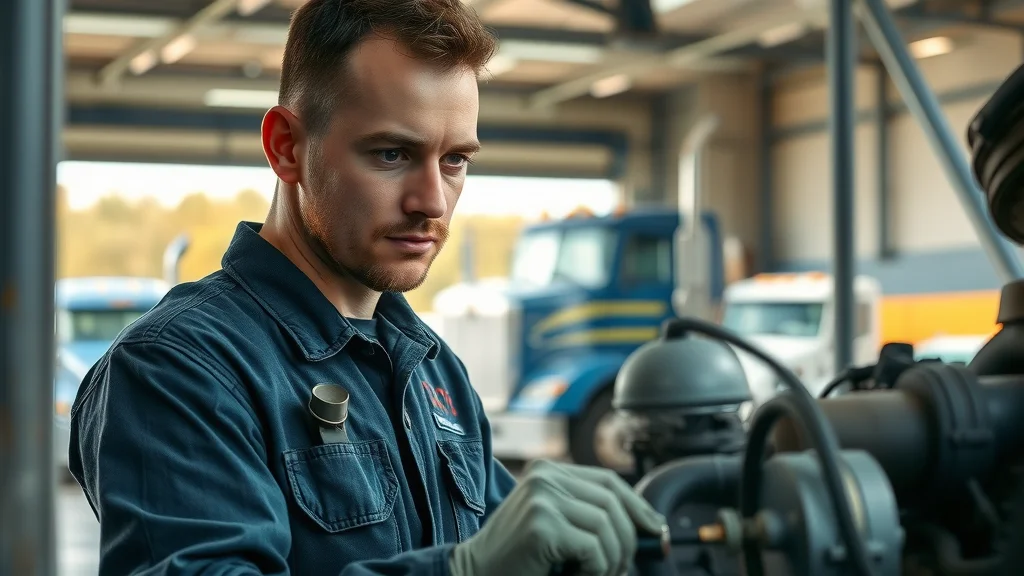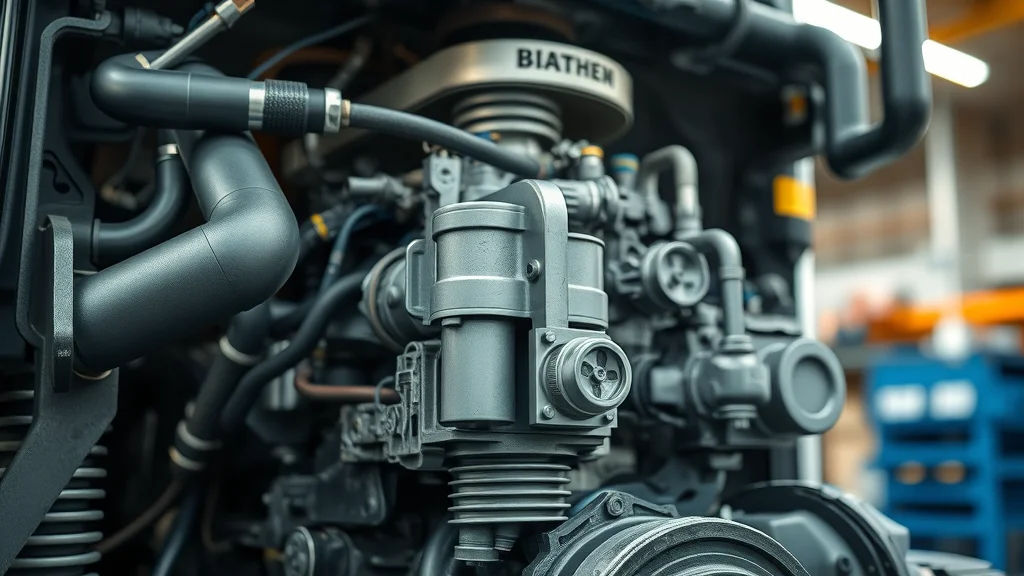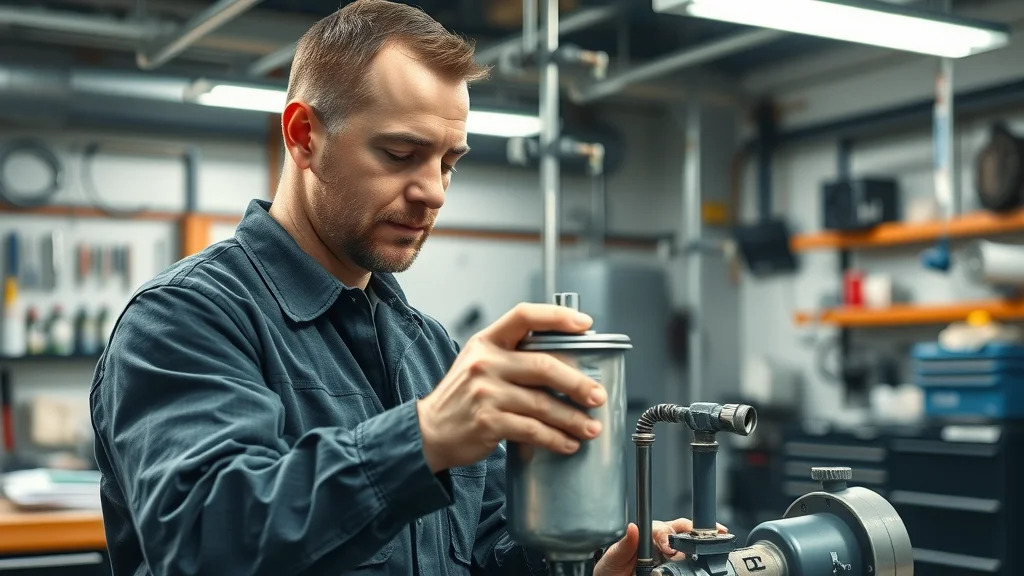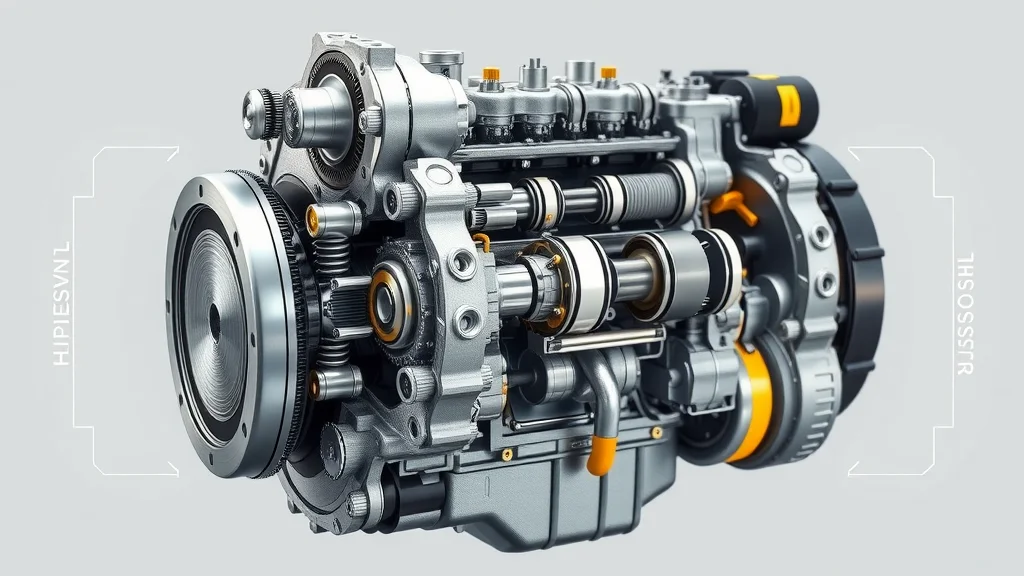
Diesel Engine Starting Problems? Here’s the Quick Fix
Did you know that nearly 1 in 4 diesel trucks in Columbia, SC experience starting issues each winter? If you’re a truck owner, a stubborn diesel engine can delay your day, rack up unexpected bills, and even threaten your livelihood. But you don’t have to let diesel engine starting problems disrupt your routine or drain your wallet. This complete guide reveals surprising insights, quick-fix solutions, and expert advice tailored for Columbia, SC drivers.
A Closer Look at Diesel Engine Starting Problems: Surprising Statistics and Local Impact
Diesel engine starting problems are more common—and more costly—than many Columbia, SC, truck owners realize. Statistics show that over 20% of commercial diesel trucks in the area report at least one starting issue per year, especially during colder months and after long idle periods. These issues don’t just mean a late delivery or missed appointment; the average repair cost for starting problems can top $800 when systems like the fuel pump, glow plug, or battery are involved.
For local businesses that rely on diesel trucks for hauling, delivery, or construction, repeated starting troubles cascade into lost productivity and potentially lost contracts. And the problems aren’t limited to older trucks—newer models can suffer too, particularly when maintenance is neglected or Columbia’s fluctuating weather swings from humid heat to brisk cold. Arming yourself with knowledge and quick fixes can save both time and money while avoiding roadside emergencies in the heart of South Carolina.
Diesel Engine Starting Problems: The Hidden Costs for Columbia, SC Truck Owners
The financial impact of diesel engine starting problems goes well beyond parts and labor. Every delayed start or breakdown means postponed work, missed deadlines, and frustrating downtime. For owner-operators in Columbia, SC, one hard-start morning could mean a cascade of lost opportunities. Add the costs of towing, emergency repairs, or replacing key components like glow plugs, air filters, or fuel pumps and you’ll see why proactive diagnostics and routine maintenance are not just recommended—they’re essential. Neglecting even seemingly minor symptoms can eventually risk severe damage to critical systems, making early detection and quick response your best defense against mounting repair bills.
When troubleshooting diesel engine starting problems, it’s also helpful to understand the broader range of diesel truck repair and service options available in Columbia, SC. Knowing what professional services can address—from fuel system diagnostics to electrical repairs—can make your maintenance decisions more effective and cost-efficient.
What You’ll Learn About Diesel Engine Starting Problems
- Common causes of diesel engine starting problems
- How to diagnose and address starting issues
- When to call a diesel mechanic in Columbia, SC
- Maintenance tips to prevent future diesel engine problems
Understanding Diesel Engine Starting Problems in Diesel Trucks
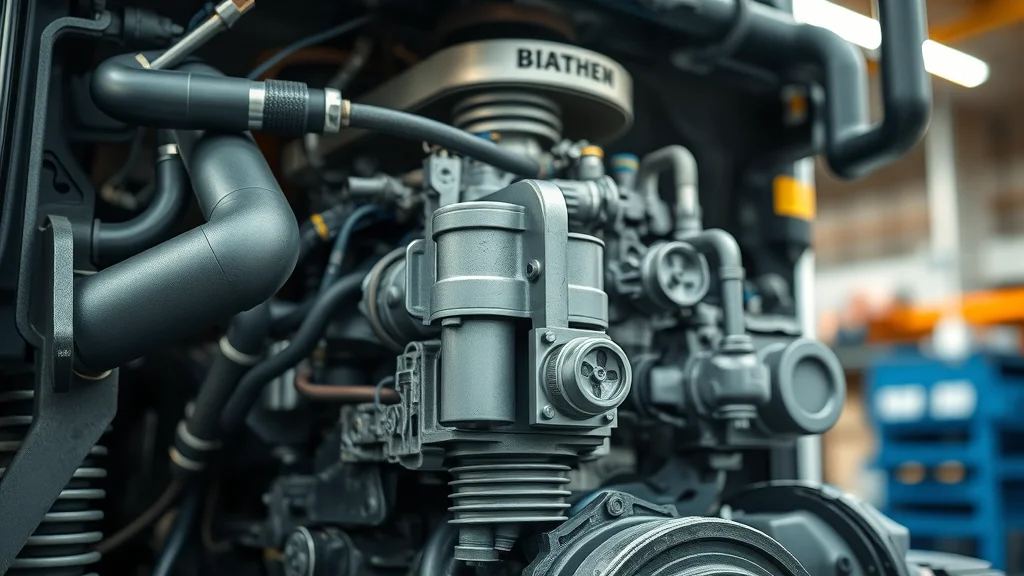
Diesel engine starting problems can leave even seasoned truck owners scratching their heads. Unlike gasoline engines, diesel engines rely on compression ignition—which demands precise conditions in the combustion chamber, right down to the quality of fuel delivery and functioning of glow plugs. In Columbia, SC, key culprits behind starting issues often include cold temperatures, contaminated fuel, aging fuel systems, and infrequent servicing. Whether your truck cranks but fails to start, sputters, or produces excessive smoke, these signs indicate underlying problems that need prompt attention.
The symptoms aren’t always straightforward. For instance, a truck might run perfectly after a jump start, only to fail again the next morning. Understanding the mechanisms at play—from the glow plug’s role in cold starts to the impact of a clogged air intake—helps you zero in on the real problem, ensuring you invest your time and money where it counts. In the following sections, we’ll break down major causes, fixes, and practical prevention methods, all tailored to conditions in the Midlands of South Carolina.
What Are the Main Diesel Engine Starting Issues?
The main diesel engine starting problems typically revolve around the glow plug system, fuel system, battery, air intake, and exhaust system. Each of these elements plays a crucial role in the starting process. Weak or failing glow plugs can leave your engine struggling during a cold start, while clogged fuel filters or a faulty fuel pump can prevent proper combustion and cause hard-start or no-start situations. Another common issue, especially noted in diesel trucks around Columbia, SC, is blocked air intake filters, which choke airflow and force the engine to work harder to achieve the necessary compression ignition.
Beyond those, issues like contaminated diesel fuel, worn starter motors, bad injectors, and battery voltage drops frequently appear in both older and newer models. Environmental factors—such as Columbia’s spring pollen or winter cold snaps—can compound these problems, leading to more frequent service calls and unexpected downtime. Recognizing these symptoms early, and understanding how each part interacts with the others, is the first step toward preventing a small issue from turning into a major breakdown.

Why Diesel Engine Starting Problems Affect Trucks More in Columbia, SC
Columbia, SC’s unique climate and use patterns create an environment where diesel engine starting problems are all too frequent. Sudden changes between hot, humid summers and unexpectedly cool winters can tax diesel engines by stressing components that are sensitive to temperature extremes. For instance, glow plugs struggle to create enough heat in cold weather, while fluctuating humidity encourages condensation—leading to contaminated fuel and water in the fuel system. In addition, the city’s abundant dust and pollen particles can quickly clog air intake filters, impeding engine performance and exacerbating start-up delays.
Frequent short trips, stop-start driving, and long idling periods (common among local delivery fleets and contractors) can accelerate wear on crucial engine parts, making issues with the fuel pump, injectors, or battery more likely. With Columbia’s mix of urban driving and rural hauls, staying vigilant with maintenance is critical to reduce the risk of roadside trouble, avoid costly repairs, and keep your truck ready for whatever the day brings.
Key Components Behind Diesel Engine Starting Problems
Understanding the interacting components behind diesel engine starting problems is key to effective troubleshooting. The most common causes stem from the fuel system, glow plug system, air intake system, and even the exhaust system. Each has a specific job during start-up—and a failure in any one area can grind your truck to a halt. Below, we’ll break down these components in more detail, so you’ll know where to start your investigation if your engine fails to crank or sputters to life.
The Role of the Fuel System in Diesel Engine Starting Problems
Diesel engines rely on a clean, pressurized fuel delivery system to start and run efficiently. When your fuel system is operating smoothly—fuel pump, filters, lines, and injectors all working in concert—the engine will fire on demand. But even a minor blockage or leak: a clogged fuel filter, weak fuel pump, or air intrusion in the fuel lines, for example—can create starting issues. Contaminated fuel is especially problematic in Columbia, SC, due to humidity and poor fuel-storage conditions, and can rapidly cause injector problems or build-up in the combustion chamber.
If your truck is hard to start, stalls unexpectedly, or belches smoke during ignition, there’s a strong chance the fuel system is the culprit. Regularly inspect and replace fuel filters, use high-quality diesel, and check for water or debris in the tank—these steps can extend fuel system life and dramatically reduce no-start calls.
How Glow Plug Issues Cause Diesel Engine Starting Problems
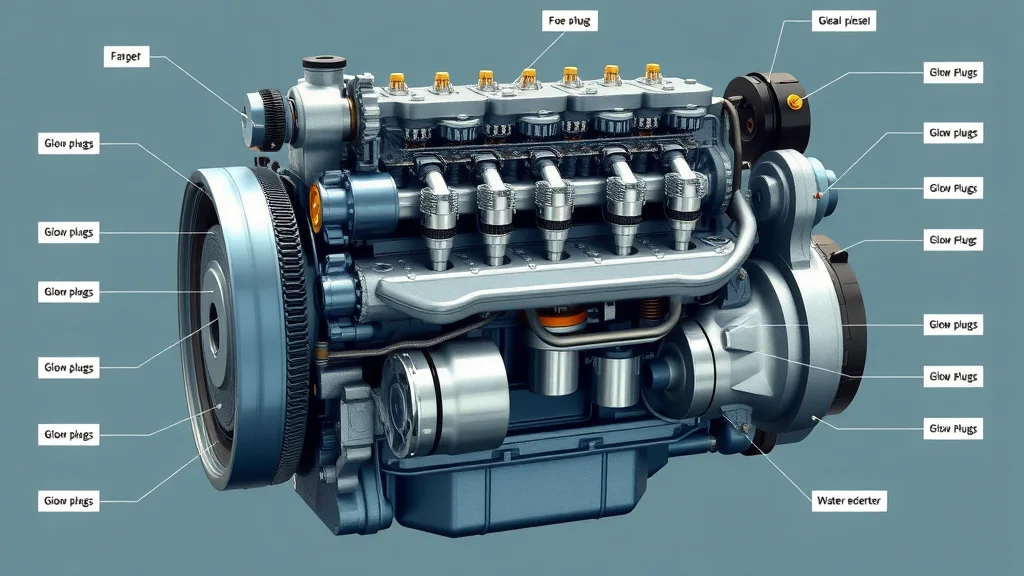
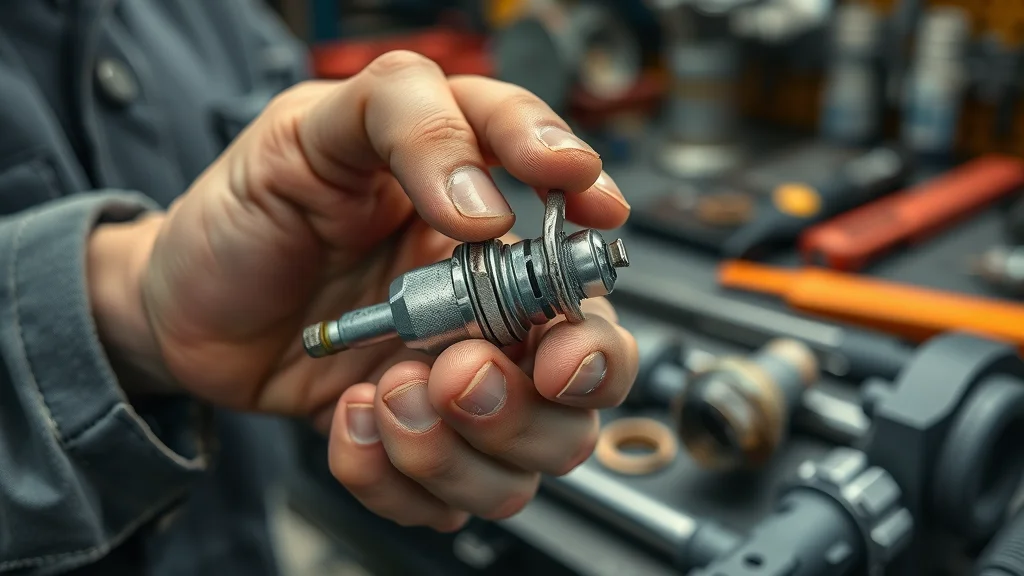
The glow plug system acts as the unsung hero in diesel trucks, particularly when temperatures dip. Unlike spark plugs in gasoline engines, glow plugs pre-warm the combustion chamber, ensuring diesel vaporizes properly and ignites during a cold start. When your truck struggles to start in the morning, produces white smoke, or cranks for too long, a faulty glow plug is a top suspect. Inconsistent heating or total glow plug failure is increasingly common in Columbia, SC, during colder months or after many starts and stops.
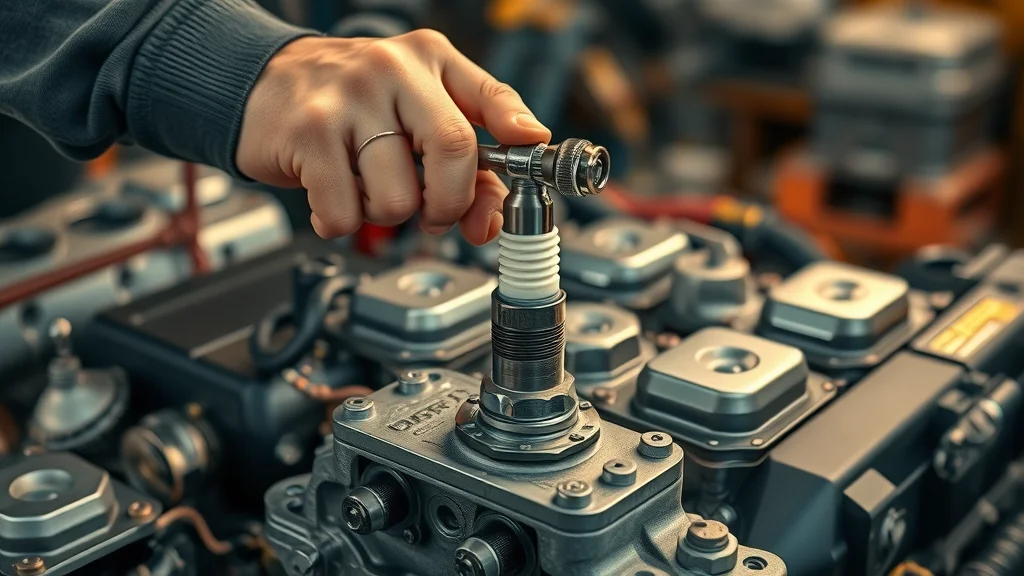
Testing and replacing glow plugs is a simple but crucial step. Even a single failed unit can disrupt the whole ignition process, stalling start-up and straining your battery and starter. Columbia mechanics recommend routine glow plug inspection, especially before winter, to avoid being stranded during the first cold snap.
Exploring Air Intake and Diesel Engine Starting Problems
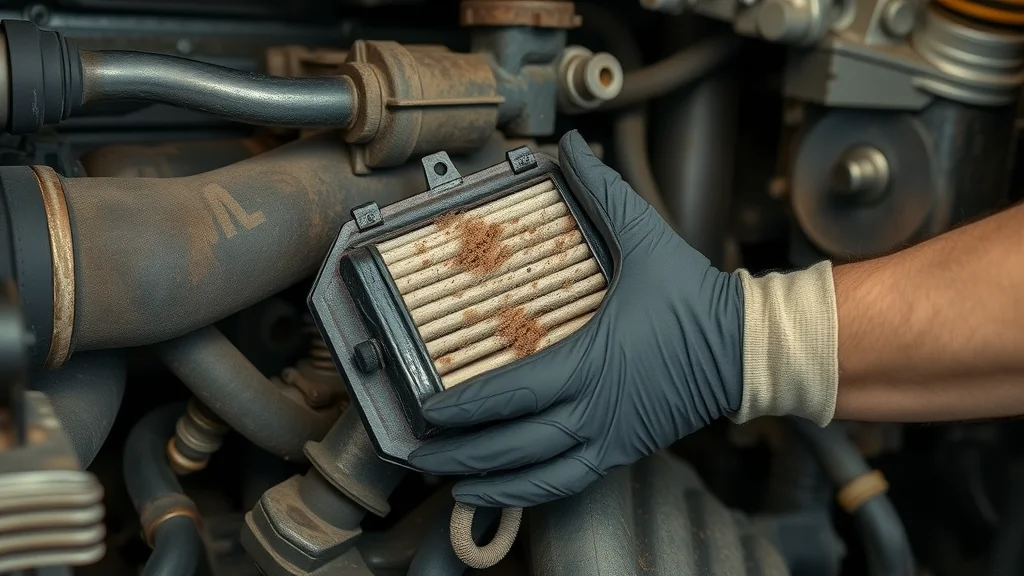
The air intake system supplies the oxygen necessary for diesel combustion. If your air filter or intake is blocked by dust, pollen, or road debris—a frequent occurrence in Columbia’s variable climate—engine efficiency and starting performance suffer. A clogged air filter chokes the system, reducing air flow, increasing cranking speed, and hindering the fuel/air mixture necessary for a clean start.
Symptoms include hard starts, rough idle, excess smoke, and reduced throttle response. Regularly inspecting and swapping out the air filter or cleaning out the intake manifold can restore quick starts and boost engine longevity. Neglecting this simple fix, meanwhile, can eventually harm the whole fuel system and even the exhaust system.
Exhaust System Complications and Diesel Engine Starting Problems
The exhaust system plays a subtle but important role in how quickly and reliably your diesel engine starts. If the system is partially clogged by soot, carbon deposits, or even a damaged filter, back-pressure will build. This restricts engine breathing and can create hard start, rough idle, or stalling conditions. Exhaust issues are often overlooked, but in Columbia, SC, extended idling and short trips can accelerate these problems—causing lingering issues that manifest as chronic starting trouble.
Regularly servicing the exhaust system, including the diesel particulate filter (DPF), helps keep the rest of your engine’s intake and exhaust pathways clear, ensuring optimal performance and reliable starts.
Top Causes of Diesel Engine Starting Problems
- Faulty Glow Plugs
- Fuel System Malfunctions
- Air Intake Blockages
- Weak or Bad Battery
- Contaminated Fuel
- Fuel Pump Failure
- Worn Starter Motor
- Injector Problems
Diesel Engine Starting Problems: Faulty Glow Plugs
A faulty glow plug is the quintessential diesel start-up villain, particularly when a cold snap or damp weather sweeps across Columbia, SC. When glow plugs don’t reach the required temperature, the combustion chamber can’t heat up enough to vaporize diesel fuel—leading to hard, slow, or failed starts. Other signs include white smoke from the exhaust and a notable reduction in engine performance upon ignition. Left unchecked, bad glow plugs can put additional strain on your battery and starter motor, compounding your starting issues with every turn of the key. Routine inspection and timely replacement of glow plugs is one of the best investments for reliable diesel operation.
Fuel System Failures Influencing Diesel Engine Starting Problems
Fuel system failures run the gamut from clogged fuel filters and air in fuel lines to worn fuel pumps—all common issues in Columbia’s fleet trucks. When any link in the fuel delivery chain falters, the engine struggles to draw and atomize diesel efficiently, resulting in extended cranking, stalling, or misfiring at start-up. In humid Southern climates, fuel can easily become contaminated, encouraging microbial growth that blocks injectors or lines. Timely fuel filter changes and using clean, quality diesel are simple yet effective ways to safeguard the fuel system against everyday wear and surprise outages.
Air Intake and Exhaust Issues Triggering Diesel Engine Starting Problems
Blocked air intake systems and neglected exhaust components are chief contributors to starting difficulties. When air can’t move freely into the combustion chamber, the engine will labor to produce enough power to turn over—especially during a cold start or after exposure to Columbia’s pollen-heavy air. A dirty, clogged air filter or an exhaust restriction quickly manifests as hesitation, rough idling, or outright failure to start. Routine maintenance of both air and exhaust paths reduces start-up complaints and supports overall engine health.
Identifying Contaminated Fuel in Diesel Engine Starting Problems
One of the most common diesel engine starting issues in Columbia, SC, is contaminated fuel. Humid conditions, improper storage, or infrequent vehicle use can allow water, microbes, and debris to infiltrate the fuel tank, disrupting combustion and threatening the entire fuel injection system. Symptoms include hard or failed starts, engine stalling shortly after ignition, rough idle, and unusually dark or cloudy fuel samples. Ensuring you refill at reputable stations, keeping the tank full in humid seasons, and routinely checking for water in the fuel separator are all vital steps to protect your truck from contaminated diesel and keep starting issues at bay.
Battery-Related Diesel Engine Starting Problems
A weak or bad battery is a leading cause of no-start conditions, especially after Columbia’s summer heat drains battery life or winter cold thickens engine oil. Low battery voltage drops cranking speed—a critical requirement for diesel engines, which need high-compression turnover to ignite fuel without spark plugs. Signs of battery trouble include slow engine turnover, clicking sounds, and sporadic electrical faults (lighting and dashboard errors). Check battery connections regularly, clean corrosion, and load test before the season changes for reliable morning starts even on the coldest South Carolina mornings.

Starter Motor Complications in Diesel Engine Starting Problems
Aging or worn-out starter motors round out the major causes of diesel engine no-start complaints. The starter is responsible for turning the engine fast enough for ignition. If you hear odd grinding, spinning, or get total silence during crank attempts—even when the battery is good—your starter motor may be at fault. Consistent cranking with no resulting engine catch is a clear sign for Columbia truck owners that it’s time for a professional starter inspection and possible replacement.
How to Diagnose Diesel Engine Starting Problems
- Pre-Diagnostic Checklist for Diesel Engine Starting Problems
- Inspecting the Battery and Electricals
- Checking Glow Plug Status and Operation
- Examining the Fuel System and Fuel Pump
- Assessing Air Intake, Fuel Injection, and Exhaust System
- Identifying Warning Sounds and Smells
Start with a basic visual inspection: check for dashboard warning lights, listen for unusual sounds during cranking, and look for fuel or oil leaks under the vehicle. Next, measure battery voltage—it should be above 12. 6V at rest; anything lower can cause slow cranking or failure to start. Inspect glow plug relays and harnesses, and if unsure, test each plug’s resistance (a healthy plug reads less than 2 ohms). For the fuel system, verify that the fuel pump activates with the ignition cycle and check fuel lines for blockages or leaks. Don’t forget the air filter; a clogged or excessively dirty filter may warrant immediate replacement. Lastly, pay attention to abnormal smells (excessive fuel, burning, or oil odors) or warning chimes—these clues are your early alert to specific system failures.
Quick Fixes for Diesel Engine Starting Problems

- Replacing Faulty Glow Plugs
- Cleaning Air Intake Filters
- Checking and Replacing Fuel Filters
- Jump Starting or Replacing Batteries
- Tightening Fuel Connections
- Seeking Help for Fuel Pump and Fuel System Issues
For many diesel engine starting issues, quick fixes are both possible and highly effective. Replace any glow plug that fails a resistance test, being sure to use the correct manufacturer part for your engine. If the air intake filter is dirty or clogged, swap it out; clean or new filters often restore immediate improvement in start-up times. Check the fuel filter for water or debris—replace it if it’s gummed up or overdue for service. If you’re greeted by silence when turning the key, try jump-starting the battery (ensuring proper polarity), but if problems persist, plan for a new battery installation. Secure all visible fuel connections to eliminate air leaks, which can interrupt fuel delivery and cause rough starts. For persistent or advanced issues like fuel pump failure, contaminated fuel, or complex electrical faults, calling a certified Columbia, SC diesel mechanic is your safest route.
Preventive Maintenance to Avoid Diesel Engine Starting Problems
- Regular Glow Plug Inspection and Replacement
- Scheduled Fuel System Checks
- Air Intake Filter Maintenance
- Routine Battery Testing
- Consistent Fuel Quality Monitoring
- Professional Diesel Engine Servicing
Preventive maintenance is the long-term solution for avoiding diesel engine starting problems in Columbia’s challenging environment. Set a maintenance schedule for glow plugs, replacing them every 60,000–100,000 miles or as recommended. Routinely inspect the fuel system—including lines, injectors, and filters—at every service interval. Clean or replace air filters more frequently during pollen season or after dusty worksite use. Test your battery at least twice a year and keep terminals clean. Always buy high-quality fuel and fill up at busy stations to avoid water or microbe build-up in tanks. Lastly, regular professional servicing provides an added layer of protection, helping your diesel handle everything Columbia roads throw at it.
Expert Insights: Diesel Mechanics on Diesel Engine Starting Problems
“Frequent glow plug checks and using quality diesel can dramatically reduce your risk of starting problems,” says a veteran Columbia, SC diesel mechanic.
Local experts stress the importance of preventive action and attentive listening to your truck’s symptoms. By taking small steps—like checking glow plugs before each winter and using reputable fuel sources—you can avoid nearly all common diesel starting issues, avoiding those dreaded calls for help on a frosty Columbia morning.
Common Myths About Diesel Engine Starting Problems
- Only old diesel trucks have starting issues
- Diesel engines don’t need regular servicing
- Fuel additives always solve starting problems
Don’t fall for common diesel myths. Modern trucks are just as vulnerable to starting problems as older ones, especially if maintenance is skipped. All diesel engines, regardless of age, need periodic attention—neglecting regular servicing risks expensive breakdowns. And while some fuel additives may help reduce water or sludge, they’re not a magic bullet. Quality diesel and hands-on care are always your best bet.
Case Studies: Real Experiences of Diesel Engine Starting Problems in Columbia, SC
Diesel Engine Starting Problems Resolved at a Local Workshop
A local delivery driver recently brought in their truck after multiple cold morning no-starts in downtown Columbia. Technicians quickly diagnosed a failing glow plug and dirty air filter. After replacing the plug and cleaning the intake system, starts returned to normal—even with temperatures in the low 30s. Another Columbia business owner faced recurring starting problems from contaminated diesel bought from a rural fuel stop. A thorough drain and flush of the fuel system by area mechanics restored performance and prevented further injector wear. These real-world stories prove that with quick attention and skilled repair, even persistent diesel headaches can be fixed fast.

People Also Ask: Diesel Engine Starting Problems
Why does my diesel engine struggles to start?
Diesel engine starting problems can be caused by weak batteries, faulty glow plugs, fuel system issues, or clogged filters. Cold weather can also increase starting difficulty.
What are the first signs of turbo failure in diesel?
First signs of turbo failure in a diesel engine include loss of power, excessive smoke, unusual whining noises, and oil leaks near the turbo.
What can stop a diesel engine from starting?
A diesel engine may not start due to faulty glow plugs, dead battery, problems with the fuel pump, contaminated fuel, or blocked air intake.
What is the most common problem in the diesel engine?
The most common problem in diesel engines is issues with the fuel system, such as clogged filters or fuel injectors, followed by glow plug failure.
Step-by-step demonstration by a technician on systematically diagnosing common diesel engine starting issues in Columbia, SC. Includes visual checks of engine, battery, and fuel system, with clear explanations for truck owners.
Instructional video covering practical methods to check and replace glow plugs and inspect the fuel system, tailored for diesel truck owners in Columbia, SC.
Table: Quick Reference Guide to Diesel Engine Starting Problems
| Cause | Symptoms | Quick Fix | Preventive Tip |
|---|---|---|---|
| Faulty Glow Plugs | Hard/No Start, White Smoke | Replace Glow Plugs | Regular Inspection |
| Weak Battery | Slow Crank, No Start | Recharge/Replace Battery | Test Battery Often |
| Blocked Air Intake | Rough Idle, No Start | Clean/Replace Air Filter | Check Filter Monthly |
| Fuel System Issues | No Start, Sputtering | Check/Replace Fuel Filter | Use Clean Diesel |
| Contaminated Fuel | Hard Start, Stall | Drain/Clean Fuel System | Buy Quality Fuel |
FAQs: Diesel Engine Starting Problems
- How often should I replace glow plugs to prevent diesel engine starting problems?
Most experts recommend checking glow plugs annually and replacing them every 60,000–100,000 miles, or sooner if cold starts become difficult. - Is aftermarket diesel fuel additive helpful for starting issues?
Sometimes. Additives can help disperse water and prevent gelling in winter, but they should supplement—not replace—proper maintenance and quality fuel. - What is the typical cost to fix diesel engine starting problems in Columbia, SC?
Minor repairs like glow plug or filter replacement range from $100 to $350. Major issues (fuel pump, injectors) can exceed $800, especially if labor-intensive.
Key Takeaways: Diesel Engine Starting Problems in Columbia, SC
- Regular maintenance is the best defense against diesel engine starting problems.
- Addressing minor issues early can prevent costly repairs.
- Expert mechanics in Columbia, SC are your best resource for persistent diesel engine starting problems.
Summary and Next Steps for Tackling Diesel Engine Starting Problems
In summary, tackling diesel engine starting problems means acting early, maintaining consistently, and knowing when to call a professional. Routine checks of glow plugs, fuel system, air intake, and the battery can keep your truck running strong, while understanding the warning signs helps prevent surprise breakdowns on Columbia’s busiest streets.
When to Call a Columbia, SC Diesel Mechanic for Diesel Engine Starting Problems
If basic troubleshooting doesn’t resolve your diesel engine starting problems, contact a trusted local professional for diagnostics and repair.
Ready to Get Your Diesel Engine Back on the Road?
Connect with Certified Diesel Mechanics in Columbia, SC to Fix Your Diesel Engine Starting Problems Today:Diesel Mechanics https://callroad1.com
If you’re ready to take your diesel truck’s reliability to the next level, consider exploring the full spectrum of diesel truck repair and service solutions in Columbia, SC. From advanced diagnostics to preventive maintenance plans, these services are designed to keep your fleet running smoothly and minimize unexpected downtime. By partnering with experienced professionals, you gain access to the latest tools, expert advice, and tailored care for every aspect of your diesel engine. Don’t just fix problems as they arise—invest in comprehensive service strategies that protect your truck’s performance and your business’s bottom line for the long haul.
Sources
- https://dieselworldmag.com/tech/diesel-engine-starting-problems/ – Diesel World
- https://www.cummins.com/news/2020/diesel-starting-problems-and-how-identify-them – Cummins News
- https://jalopytalk.com/why-does-my-diesel-engine-have-trouble-starting/ – Jalopy Talk
Diesel engine starting problems can be frustrating, especially during colder months. To help you address these issues, here are two valuable resources: “Diesel Engine Starting Problems Solved!” (youtube. com) This video provides key troubleshooting tips for cold starts and fuel delivery issues, offering practical solutions to common diesel engine starting problems. “Diesel engine starting problems solutions diesel engine starting in cold weather petter engine start” (youtube. com) This video demonstrates solutions for diesel engine starting problems, particularly in cold weather conditions, with a focus on Petter engines. If you’re serious about resolving diesel engine starting issues, these resources will provide you with practical insights and step-by-step guidance.