
Opening Times:

24 Hours A Day

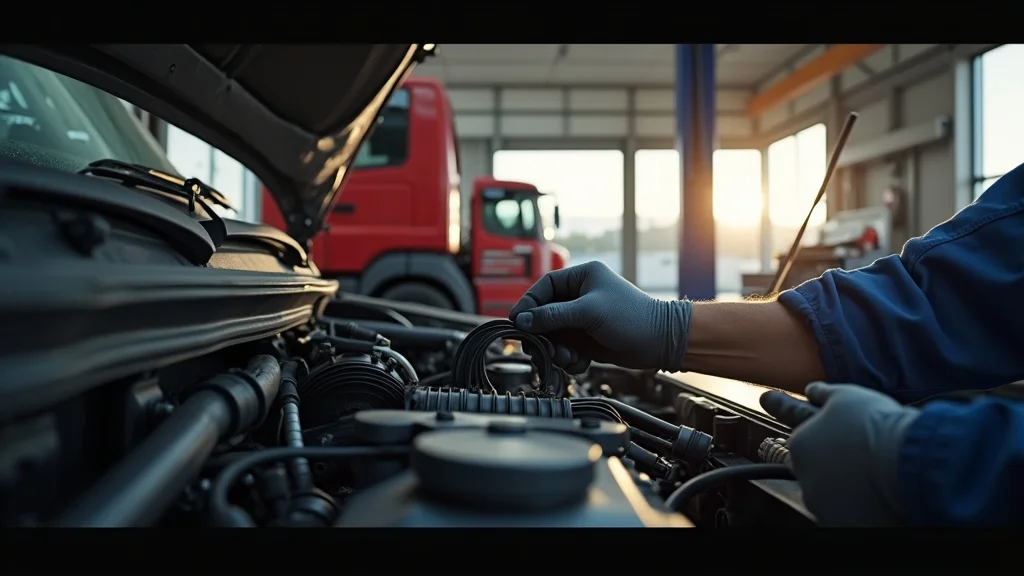
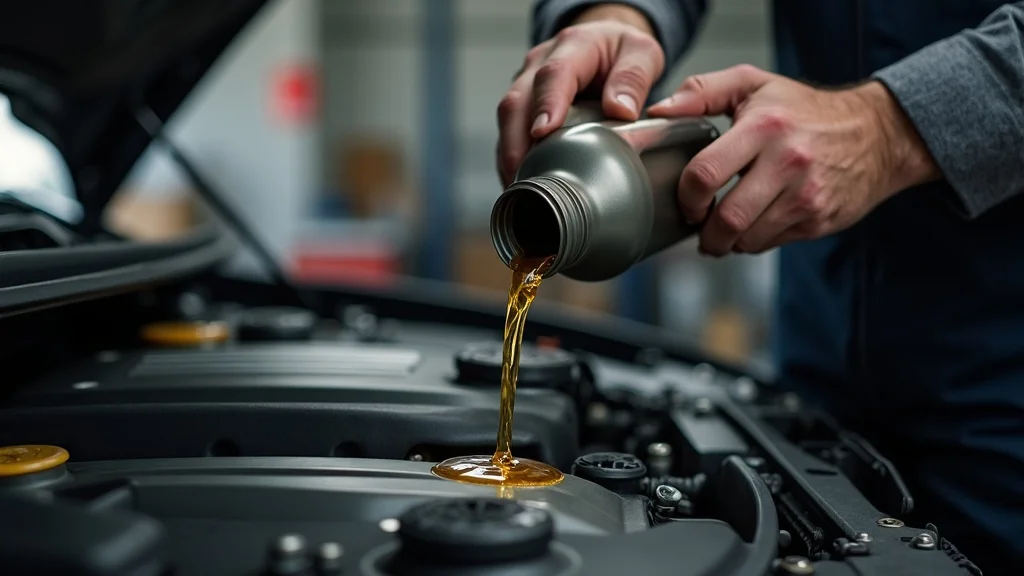
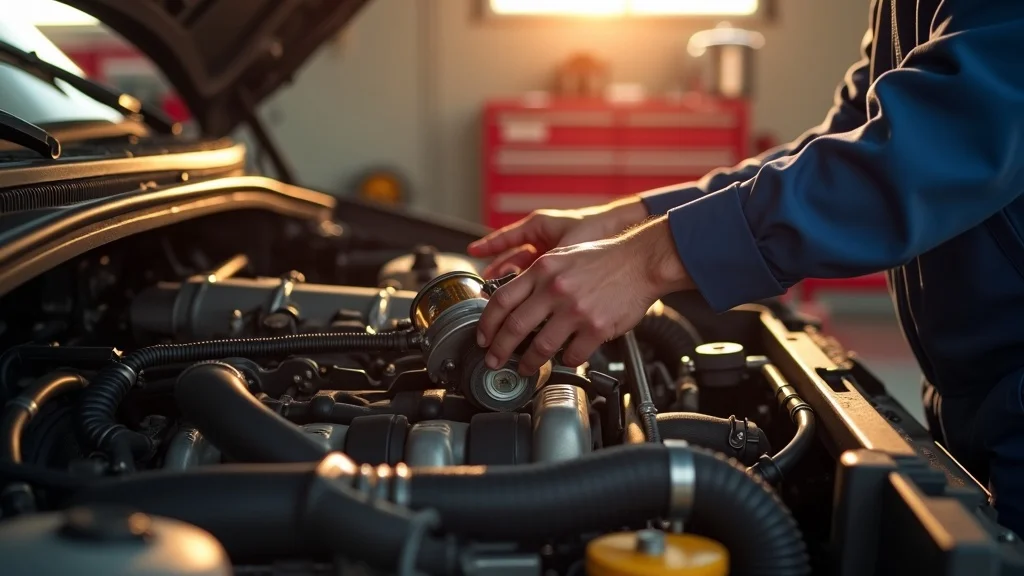
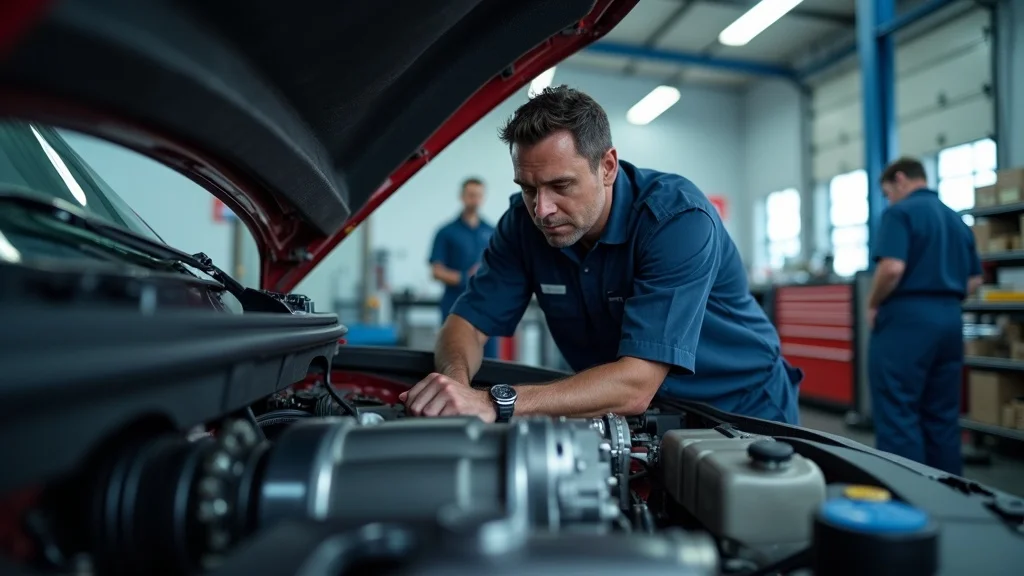
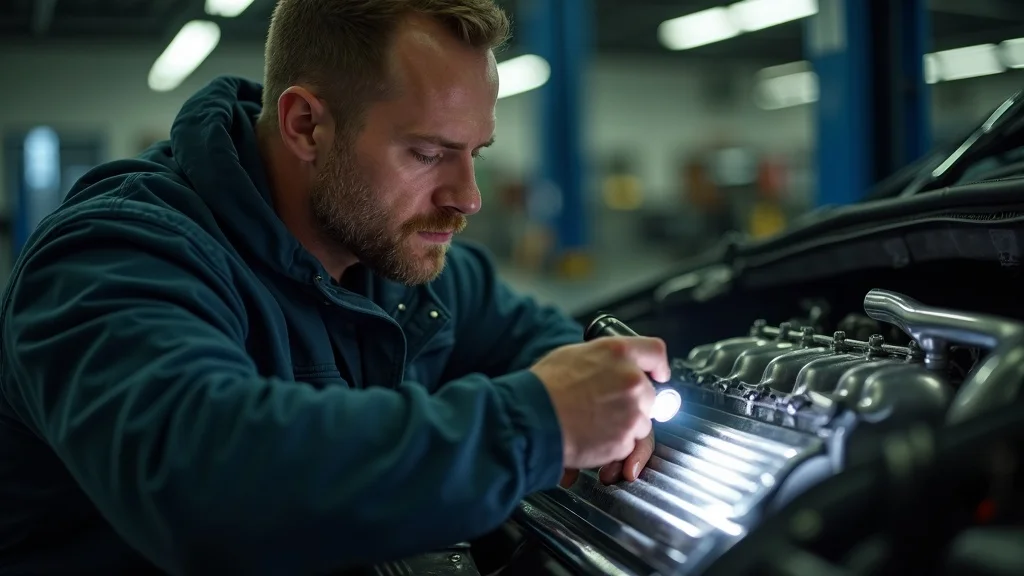
A focused mechanic in a blue uniform examines a car engine in a well-lit auto repair shop, closely inspecting the components under the hood.

Prepare Diesel Engine for Heat: Avoid Overheating Issues Today

Consider this: Over 60% of unexpected diesel truck breakdowns in the summer heat are directly linked to preventable overheating issues within the cooling system. Many drivers are unaware that diesel engines, built tough for hauling and longevity, are also surprisingly sensitive to temperature extremes. If you assume your diesel truck’s heating system and cooling system can handle high temperatures on autopilot, you might be setting yourself up for costly repairs and frustrating downtime—especially during the critical fall and winter transition months. This comprehensive guide will empower you with clear, actionable steps to prepare your diesel engine for heat, ensuring your driving experience is smooth, reliable, and protected year-round.

Why It’s Critical to Prepare Diesel Engine for Heat in All Seasons

Every diesel engine owner knows the pride that comes with driving a reliable, hard-working diesel truck. But few realize that the constant battle against high temperatures, particularly during the summer heat and unexpected warm spells in fall and winter, can push even the best-maintained machines to their limit. If left unchecked, these temperature extremes stress the cooling system, degrade DEF fluid and exhaust fluid efficiency, and put additional strain on the machine configuration of both new and seasoned engines.

By taking steps to prepare your diesel engine for heat before issues arise, you not only avoid expensive breakdowns but also preserve the overall health of your fuel tank, batteries, and heating system. Columbia SC diesel mechanics often encounter trucks suffering preventable failures simply because regular maintenance and seasonal protection plans were neglected. These basic tips to prepare your machine for the rigors of heat will keep your diesel engine in top condition, regardless of the season.

“Engines that remain unprepared for heat are significantly more prone to breakdown during extreme weather conditions,” — Diesel Mechanics, Columbia SC.

Modern diesel truck engine bay with mechanic inspecting—prepare diesel engine for heat, cooling system check, photorealistic workshop

What You’ll Learn About Preparing Diesel Engine for Heat

  • Understand why diesel truck engines overheat
  • Key diesel engine maintenance tips for heat resistance
  • Seasonal heating system checks for fall and winter
  • Preventative steps for extending diesel engine life during hot spells

The Science: How Heat Affects Diesel Engine Performance

When temperatures rise, diesel engines face unique challenges compared to gasoline engines. Heat accelerates the breakdown of fluids such as coolant, DEF fluid, and oil, reduces air density (making combustion less efficient), and exaggerates any existing weaknesses in belts, hoses, and radiator performance. The cooling system’s job becomes exponentially harder—even more so if it’s poorly maintained or components are nearing the end of their service life.

In the fall and winter, rapid temperature fluctuations can cause stress fractures in the machine configuration and seasonal shifts in oil viscosity, straining not only the diesel engine but also the heating system. Without attention to these factors—especially with long hauls or heavy towing—your diesel truck risks breakdowns, higher repair shop costs, and unexpected interruptions to driving directions and plans.

For those looking to go beyond basic maintenance, exploring comprehensive diesel truck repair and service options can provide additional peace of mind and ensure your vehicle is ready for any seasonal challenge.

Impact of Overheating on Diesel Truck and Heating System Longevity

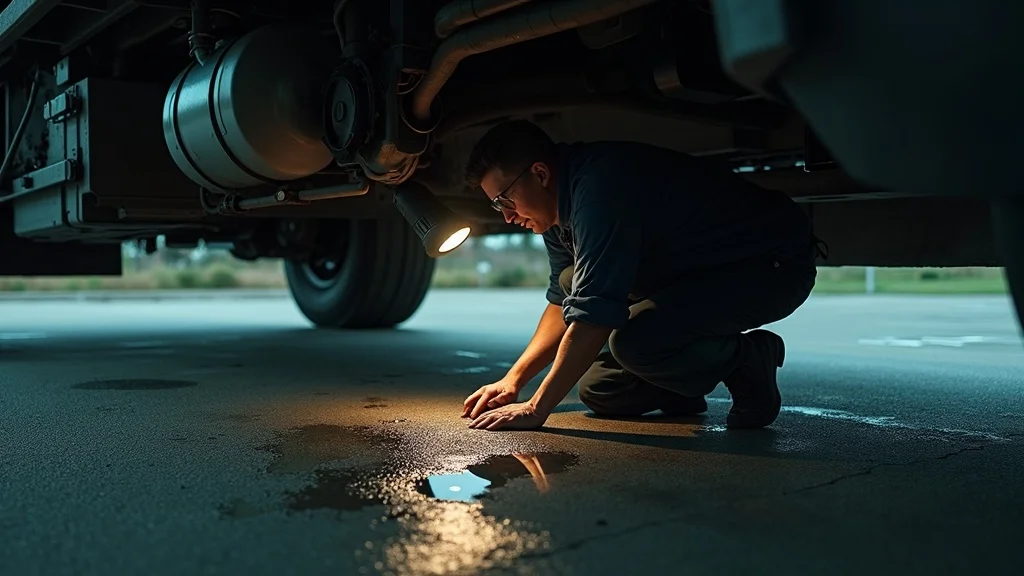
Overheating is more than just a momentary spike in temperature; it has a compounding effect on your diesel truck’s longevity and the efficiency of its heating system. Extended exposure to high temperatures can warp cylinder heads, degrade DEF fluid and exhaust fluid, and damage sensitive parts like the thermostat and water pump. Once a diesel engine overheats, the resulting stress spreads across the entire system: the cooling system must work harder, and the fuel tank is at risk for vapor lock.

These cumulative impacts are especially dangerous as diesel engines age or when transitioning from summer heat to cooler fall and winter months. Proactive maintenance—including scheduled inspections, oil changes, and regular monitoring of the heating system and battery health—mitigates these risks. Ensuring your engine is properly prepared to handle all temperature extremes protects both your investment and time spent on the road.

Common Causes, Symptoms & Solutions for Diesel Engine Overheating
Cause Symptoms Solution
Low coolant levels/expired fluid Warning lights, erratic temperature gauge, frequent overheating Top up or replace coolant; flush system routinely
Old belts or damaged hoses Leaks, squealing noises, visible cracks, overheating under load Replace belts & hoses; check for leaks and routine wear
Faulty thermostat or water pump Temperature spikes, poor heater output, engine not warming up Test and replace faulty components as needed
Radiator clogs/blockages Poor airflow, rising temps, visible debris or corrosion Flush radiator; clean fins; replace if damaged

Step-by-Step Guide: Prepare Diesel Engine for Heat

  1. Inspect coolant levels and condition: Ensure your cooling system reservoir is full and the fluid is free from contamination and rust.
  2. Check for leaks in the diesel engine’s cooling system: Inspect radiator, hoses, and clamps for any moisture, drips, or crusty deposits.
  3. Replace coolant at recommended intervals: Follow your manufacturer’s machine configuration guidelines for intervals—typically every 30,000-60,000 miles.
  4. Test and flush the radiator: Debris and old coolant can block heat transfer, so flush the radiator before the summer heat and again after fall and winter.
  5. Examine thermostat and water pump efficiency: Ineffective parts cause inefficient temperature control and can quickly lead to overheating.
  6. Review diesel truck engine belts and hoses: Replace any worn or cracked parts; these are prone to failure especially during extreme weather.
  7. Ensure proper operation of the heating system: Make sure your cab heating system runs smoothly; it assists engine cooling during colder months and heavy loads.

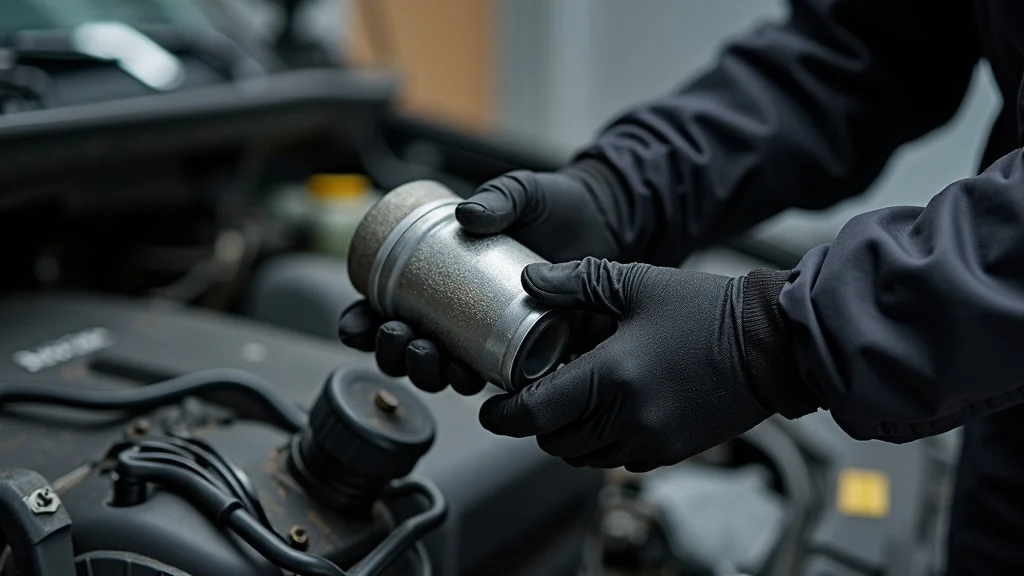
Mechanic checking coolant of diesel truck—prepare diesel engine for heat, coolant reservoir inspection, cooling system maintenance

Expert Maintenance Tips for Diesel Truck Owners

Professionals who specialize in diesel engine repair will always stress the power of regular maintenance. Scheduled checks go far beyond just topping up fluids—they encompass evaluation of the entire cooling system, heating system diagnostics, and even DEF fluid and exhaust fluid health. Diesel engines that benefit from such thorough attention not only withstand the stresses of summer heat but remain reliable during sudden cold snaps in the fall and winter.

Always work with an authorized dealer or trusted repair shop that understands the specifics of your diesel truck’s machine configuration. These experts can advise on the best protection plan, including service schedules and parts replacement for your exact make and model, keeping your driving experience smooth and dependable.

Proactive Measures for Preventing Diesel Engine Problems in Fall and Winter

Preventative maintenance is your first line of defense when it comes to avoiding seasonal diesel engine headaches. During the colder months, prioritize battery checks, inspect and replace old coolant, and use the appropriate viscosity oil for low temperatures. Never overlook the importance of monitoring your heating system—this includes blower motors, fuses, and cabin filters—all integral to the diesel truck’s resilience through both heat and freezing temperatures.

With the correct protection plans and attention to regular maintenance, you’ll minimize emergency breakdowns, protect your cost with the machine, and keep the actual price of ownership lower in the long run. Pay special attention before embarking on long trips, especially when driving directions cross regions prone to rapid weather changes in the fall and winter.

Autumn-themed diesel truck garage with mechanic—diesel engine fall maintenance, heating system check, warm ambient lighting

Watch as a certified diesel mechanic demonstrates step-by-step inspection and coolant refill for a diesel truck, emphasizing practical tips to prevent overheating.

Seasonal Checklist: Diesel Engine Readiness for Fall and Winter

  • Inspect and replace engine coolants regularly
  • Monitor diesel engine oil viscosity
  • Ensure heating system is clean and functional
  • Check battery health as part of seasonal preparation

People Also Ask: Diesel Engine Warmth and Operation

How to keep diesel engine warm without a block heater?

Answer: You can keep a diesel engine warm without a block heater by parking in insulated garages, using oil pan or battery warmers, and regularly starting the engine during cold snaps.

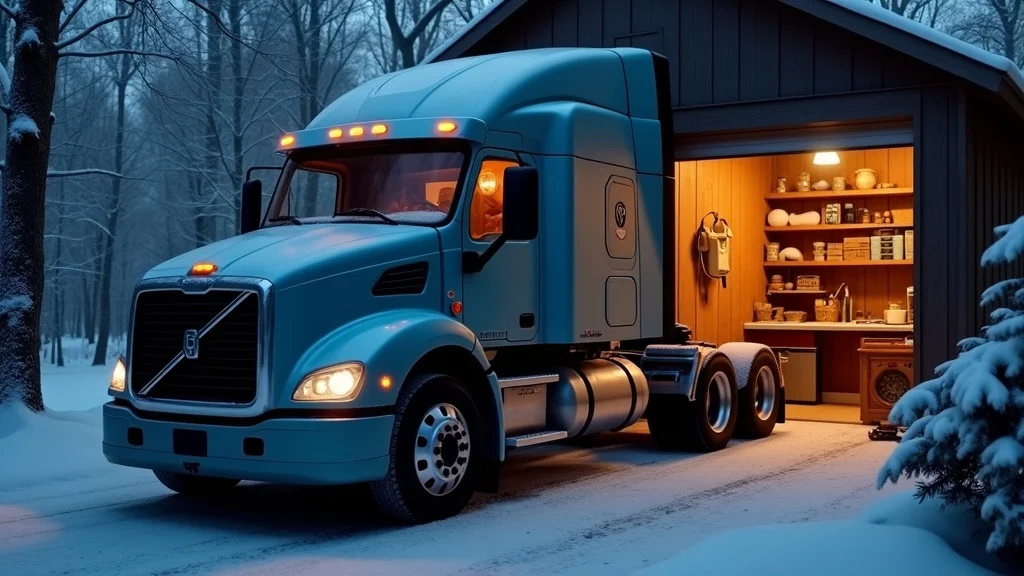
Diesel truck parked in insulated garage during winter—how to keep diesel engine warm without a block heater, heating system readiness

What’s the worst thing for a diesel engine?

Answer: Neglecting regular maintenance, especially in extreme heat or cold, is one of the worst things for a diesel engine—leading to overheating, poor efficiency, and shorter engine life.

Do you need to let diesel engines warm up before driving?

Answer: Yes, allowing a short warm-up period ensures proper oil viscosity and circulation in a diesel engine, especially during fall and winter.

Early morning diesel truck start-up—letting diesel engine warm up before driving, cool and warm dashboard contrast, heating system on

How to warm up a diesel engine in the winter?

Answer: Use the glow plugs, let the diesel engine idle for a few minutes, and avoid rapid acceleration immediately after starting.

Discover a complete diagnostic walkthrough for detecting and addressing overheating problems in your diesel engine—essential for avoiding costly repairs.

Frequently Asked Questions About Preparing Diesel Engine for Heat

  • How often should I check diesel engine coolant before the hot season?
    Check coolant at least every month leading up to summer heat and always before long trips.
  • Are aftermarket cooling system upgrades for diesel trucks worth it?
    For older vehicles or trucks under frequent heavy loads, an upgraded cooling system can improve lifespan and reliability.
  • Can proper preparation reduce emergency repairs during heat waves?
    Yes, routine inspections and maintenance dramatically reduce the risk of sudden breakdowns and emergency towing during seasonal heat spikes.

Key Takeaways: Best Practices to Prepare Diesel Engine for Heat

  • Routine diesel engine inspections prevent overheating
  • Maintenance improves both heating system performance and overall reliability
  • Seasonal preparation is essential for both fall and winter operation

Diesel technician presenting checklist on tablet—diesel engine maintenance, prepare diesel engine for heat, professional diesel repair service

Professional Help: Trust Diesel Mechanics in Columbia SC

“Our certified diesel team ensures your engine is ready to handle extreme heat safely year-round.”

When in doubt, always seek out an authorized dealer or certified repair shop in Columbia SC. Expert diesel mechanics are your best resource for regular maintenance, protection plans, and hands-on tips to prepare your diesel engine for heat. They are equipped with diagnostic tools, up-to-date machine configuration data, and the expertise to spot problems before they become breakdowns on the road. Don’t leave your engine’s reliability—and your peace of mind—to chance.

Ready for Reliable Performance? Contact Diesel Mechanics Today

Avoid the hassle of unexpected breakdowns—all it takes is a phone call. Trust your diesel truck’s heating and cooling system to certified professionals.

Book your diesel maintenance appointment with Diesel Mechanics Columbia SC and experience the difference expert care can make in every season.

Conclusion

Proper preparation keeps your diesel engine in top condition, extends lifespan, and ensures worry-free driving—season after season. Stay ready; stay reliable!

If you’re committed to maximizing your diesel truck’s performance and longevity, consider taking a deeper dive into the full spectrum of diesel truck repair and service solutions available from trusted professionals. Whether you’re facing seasonal transitions or planning for long-term reliability, expert guidance and advanced maintenance strategies can make all the difference. Explore how a comprehensive service approach can help you anticipate issues before they arise, optimize your truck’s efficiency, and keep you confidently on the road in any weather. Your next step toward worry-free diesel ownership starts with the right support and expertise.

Sources

To enhance your understanding of preparing diesel engines for heat and avoiding overheating issues, consider exploring the following resources: “The Impact of Warmer Weather on Diesel Engines”: This article discusses how rising temperatures affect diesel engine performance, fuel efficiency, and reliability, offering solutions to prevent costly issues. (triad-ds. com) “Warm Up & Cool Down Considerations for Diesel Engines”: This resource provides insights into the importance of proper warm-up and cool-down procedures for diesel engines, emphasizing how these practices can prevent damage and extend engine life. (dieselhub. com) If you’re serious about maintaining your diesel engine’s performance and longevity, these resources will provide you with valuable information and practical tips.

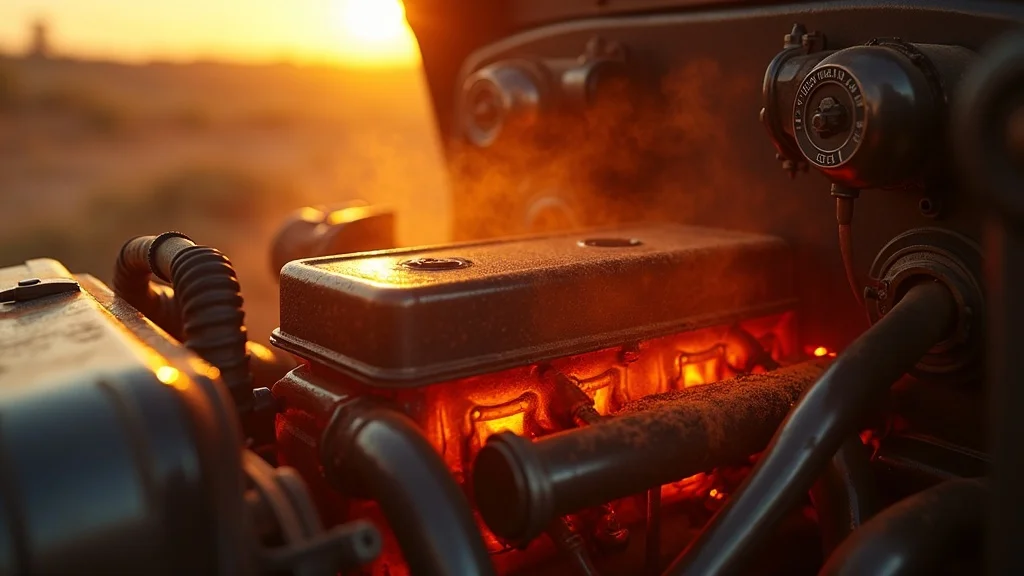
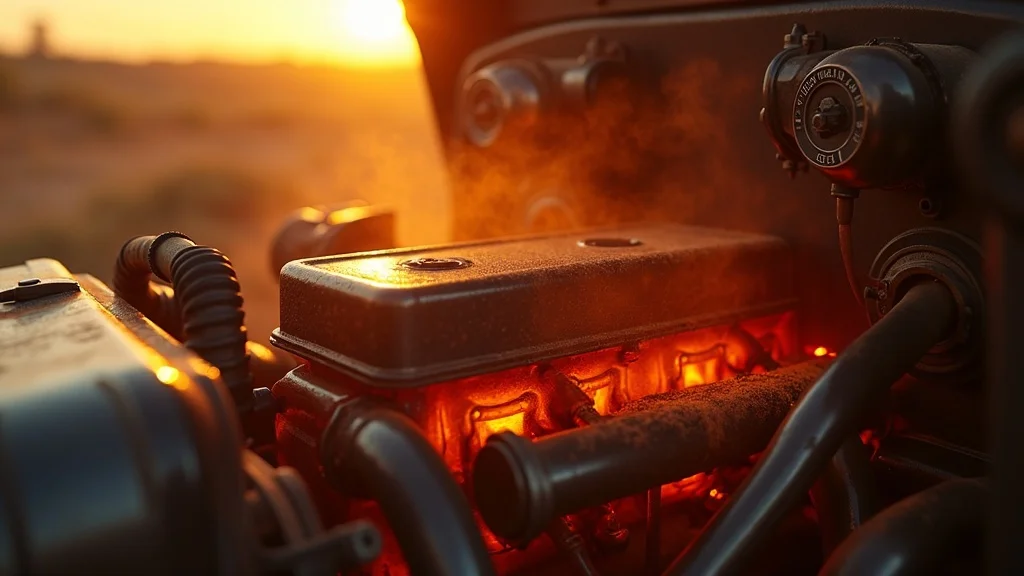
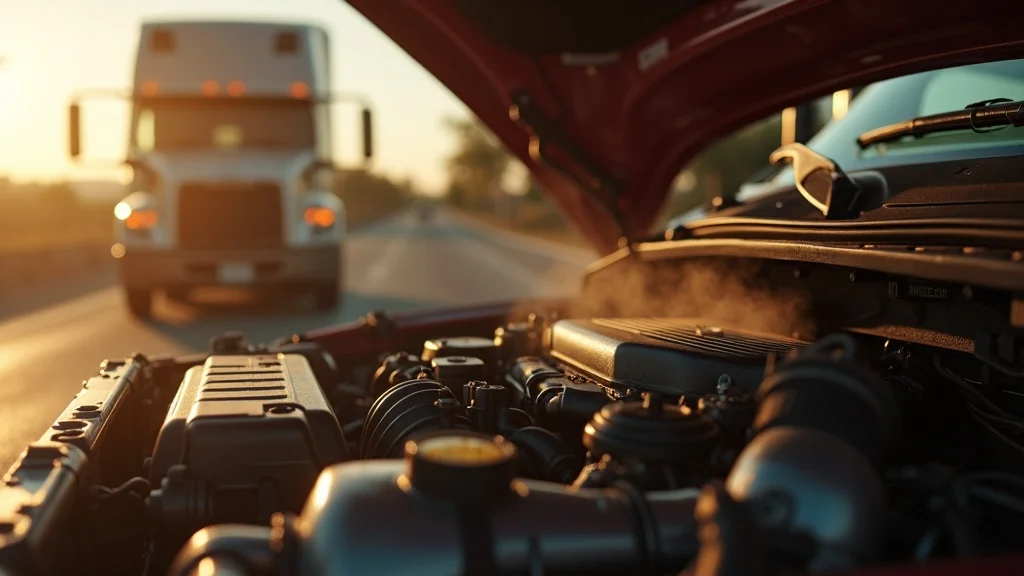
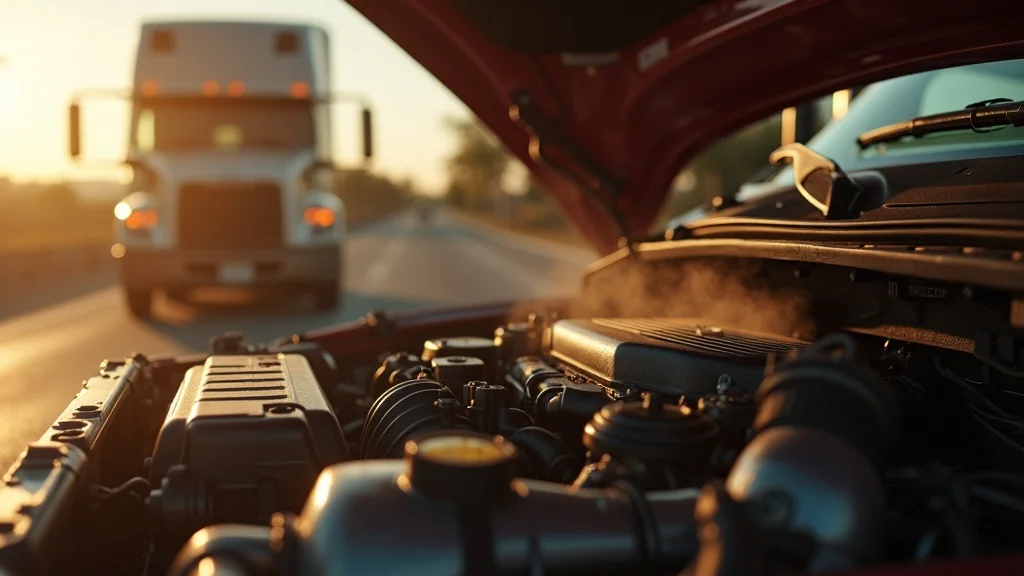
A car with its hood open revealing a steaming engine sits on the side of the road at sunset, while a semi-truck approaches in the background.

Diesel Engine Summer Maintenance Tips to Beat the Heat

Did you know? According to industry statistics, diesel truck breakdowns spike by nearly 30% each summer, with most issues traced back to heat-induced engine strain and overlooked maintenance. If you drive a diesel truck in Columbia SC, mastering summer maintenance isn’t just smart—it’s essential for keeping your engine running smoothly during the region’s notorious heat waves.

Why Diesel Engine Summer Maintenance Matters: Startling Facts and Key Challenges

Summer in Columbia SC brings relentless high temperatures, placing extreme demands on diesel engines. Failing to prioritize diesel engine summer maintenance can lead to increased idle time, engine run inefficiencies, or even sudden engine failure at the worst possible moment. Diesel engines are celebrated for their resilience, but even these workhorses can falter if subjected to summer heat without preventive care.

Hot weather accelerates coolant evaporation, affects oil viscosity, and can make air and fuel filters clog faster due to dust and debris. Left unchecked, these issues compromise your diesel engine’s cooling system, fuel system, and overall performance. Tackling summer challenges head-on with regular maintenance tips is the best way to keep your diesel truck reliable and extend its engine life.

“Extreme summer temperatures can push diesel engines to the edge—leading to breakdowns if preventative maintenance isn’t prioritized.”

What You’ll Learn in This Diesel Engine Summer Maintenance Guide

  • Essential summer maintenance tips for diesel engines
  • How the cooling system impacts diesel engine performance
  • Critical checks for diesel truck air and fuel filters
  • The importance of coolant levels and oil changes
  • Pro maintenance insights from Columbia SC experts

Common Diesel Engine Problems in Summer Heat

Overheating Issues in Diesel Engines

Overheating is one of the most common reasons for diesel truck breakdowns in the summer. Extreme conditions force the cooling system to work harder, and any weakness—such as low coolant levels, clogged radiators, or worn hoses—can cause temperatures to spike quickly. An overheating diesel engine risks serious damage, including warped cylinder heads and broken water pumps, both of which are costly to repair. Being vigilant about temperature swings and monitoring engine gauges is key to preventing catastrophic failure. It’s well worth addressing these concerns proactively through regular maintenance tips and scheduled checkups.

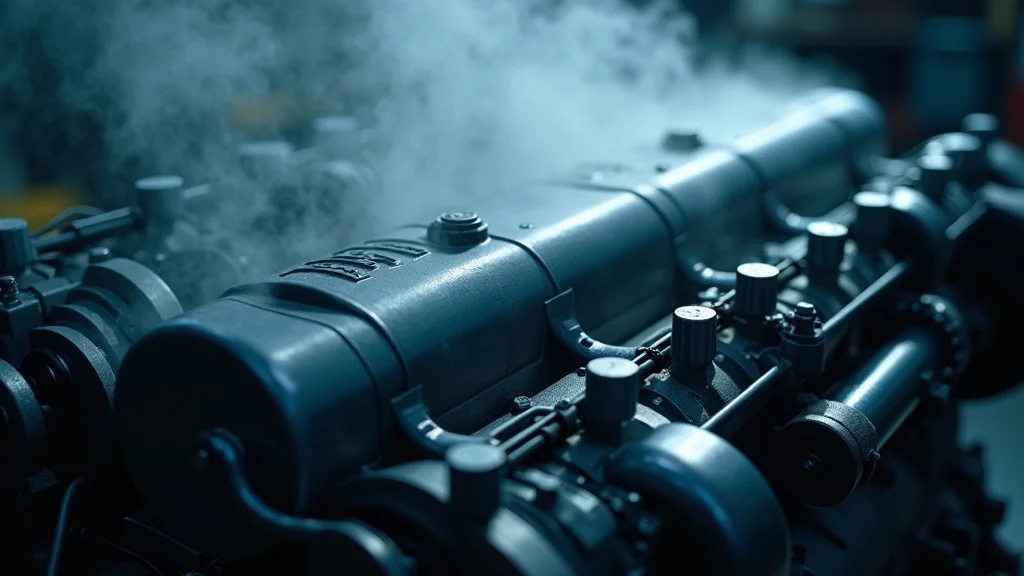
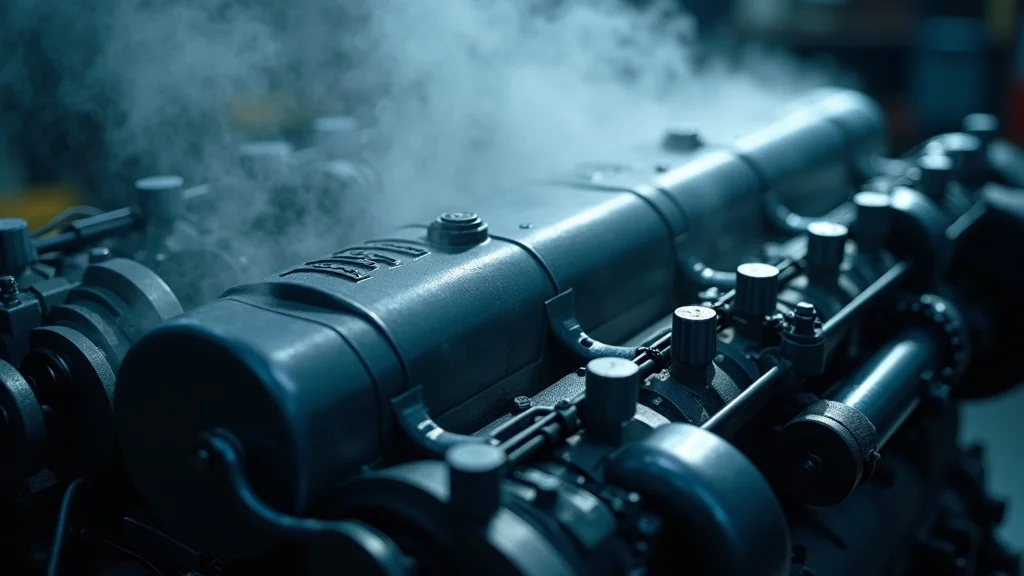
diesel engine summer maintenance engine heat haze

Not only does overheating shorten engine lifespan, but it also reduces fuel economy and can stress connected components—from belts to diesel fuel injectors. When idle time increases in the summer heat, heat soak can linger long after the engine has turned off. Preventing overheating begins with frequent inspection of the cooling system, water pump, and radiator, all of which contribute to a healthy diesel engine in hot climates like Columbia SC.

Effects of Summer Heat on Diesel Trucks

Hot weather affects more than just your engine—it impacts every component in your diesel truck. Hoses and belts expand, making them more susceptible to cracks or leaks. High temperatures accelerate the breakdown of engine fluids, affecting everything from coolant efficiency to oil viscosity. Air filters quickly become clogged by dust kicked up from dry, sunbaked roads. Even fuel injectors and the intake system can suffer performance drops due to ambient heat and increased air contaminants.

Extended engine run time in stop-and-go summer traffic means the diesel engine spends more time at operating temperature, elevating the risks of component wear and fluid loss. This is why regular inspections and consistent replacement of air filters and fuel filters are among the top summer maintenance tips. Failing to address these issues in summer heat can lead to reduced reliability—and potentially more time spent waiting for roadside assistance than enjoying Columbia’s scenic drives.

For those looking to go beyond basic upkeep, exploring comprehensive diesel truck repair and service options can help address underlying issues before they escalate in the summer heat. Professional diagnostics and repairs ensure your truck’s cooling, fuel, and intake systems are performing at their best when temperatures soar.

How Diesel Fuel Reacts to High Temperatures

Diesel fuel is especially vulnerable in summer. High ambient temperatures encourage fuel evaporation, decrease fuel efficiency, and heighten the risk of water condensation inside fuel tanks. This can lead to microbial growth and possible sludge formation, which quickly clogs fuel filters and damages sensitive fuel system components. Water contamination not only reduces diesel engine efficiency, but can also destroy fuel injectors if left unchecked.

During Columbia SC’s hottest months, the fuel system should be checked regularly. Replace fuel filters as a matter of routine, and consider fuel additives to enhance stability. It’s also wise to keep tanks as full as possible to minimize air space available for condensation, leveraging every possible advantage in maintaining optimal diesel engine performance during high temperatures.

Diesel Engine Cooling System: Summer Maintenance Tips

Inspecting and Flushing the Cooling System

The cooling system is your diesel engine’s first line of defense against the relentless Columbia SC summer heat. Over time, mineral deposits and corrosion can reduce cooling efficiency, making regular inspections a must during summer maintenance. Inspect the radiator, hoses, and water pump for leaks or blockages, and flush the cooling system at least once every summer to remove built-up contaminants.

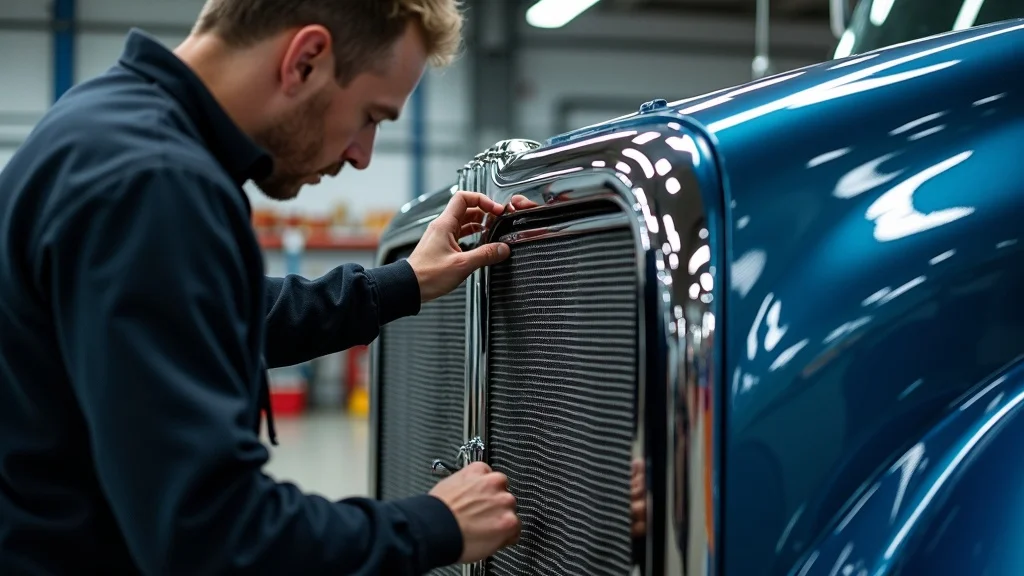
diesel engine radiator inspection cooling system

Flushing and refilling the cooling system with fresh coolant ensures optimal heat transfer, helping maintain the correct coolant level and keeping engine temperatures in check. Also, inspect belts and ensure the radiator cap seals properly—an overlooked but vital practice in preventing overheating. Attention to these details is what keeps diesel trucks running smoothly, even during extended engine run in high temperatures.

Checking and Maintaining Coolant Levels

Maintaining proper coolant levels is foundational to preventing engine overheating. Every two weeks, check that the coolant reservoir is topped up to the recommended mark. Use coolant formulated for diesel engines—avoid simply adding water, as this can dilute the mix and reduce its ability to cool and protect engine components.

Also, check for coolant leaks and signs of fluid discoloration, which indicate contamination or coolant breakdown. High temperatures in summer can evaporate coolant faster, and low coolant levels will dramatically increase the risk of overheating. If the coolant appears dirty or rusty, schedule a full system flush as part of your regular maintenance tips.

Signs of Cooling System Wear in Diesel Trucks

Common indicators of cooling system wear include frayed or cracked hoses, loose belt tension, and a failing water pump (often revealed by small leaks or whirring noises). Watch for temperature gauge fluctuations or steam escaping from under the hood—both suggest your cooling systems aren’t keeping up with the summer heat. Addressing these problems proactively ensures your diesel truck continues running smoothly and efficiently throughout the season.
Other warning signs involve persistent low coolant levels and visible corrosion or build-up around the radiator and filler cap. Addressing these issues promptly by replacing worn components is critical—neglect here could lead to unexpected engine failure and expensive repairs.

Maintenance Task Recommended Frequency Summer Impact
Check Coolant Level Every 2 Weeks High
Inspect Hoses and Belts Monthly Medium
Flush Cooling System Once per Summer High

Air Filter and Intake System Checks for Diesel Engines

How Summer Dust Affects Diesel Engine Air Filters

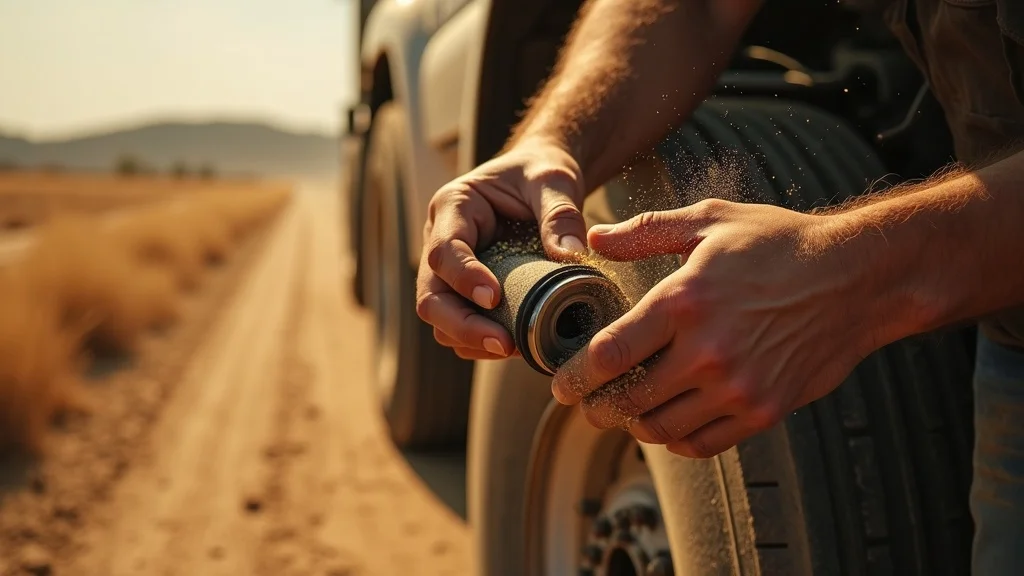
Dry, dusty summer conditions in Columbia SC can choke diesel engine air filters much faster than during other seasons. Air filters are a critical barrier against grit and debris—if they’re clogged, the engine must work harder, reducing fuel economy and potentially causing unfiltered particles to damage engine components. A neglected air filter can cause a noticeable drop in power and even contribute to overheating.

diesel engine air filter summer dust maintenance

If you regularly drive on construction sites, gravel roads, or through heavy pollen and dust clouds, check air filters even more frequently. Keeping the intake system clear supports maximum airflow and helps your diesel engine cope with summer heat. Tips from leading diesel mechanics recommend inspecting air filters monthly and immediately after exposure to heavy dust.

Inspecting and Replacing Air Filters in Diesel Trucks

A clean air filter ensures the right air-to-fuel mixture and sustained diesel engine performance. To check, locate the air filter housing—usually easy to access on most diesel trucks—remove the cover, and visually inspect the filter. If it appears darkened, clogged, or infested with debris and dust, it’s time for a replacement.

For trucks that see heavy off-road or farm use near Columbia, more frequent air filter changes are recommended—especially after dust storms or extended engine run times on hot, dry days. Always use manufacturer-recommended air filters for your specific model. Properly sealing the filter housing is also key to preventing unfiltered air from bypassing the element and entering the intake system.

Maintaining the Intake System for Optimal Performance

Intake system health goes hand-in-hand with air filter replacement. Beyond changing the air filter, inspect intake ducts and connections for signs of cracks, leaks, or loose fittings. Unsealed or broken pipes can allow dirt to bypass your newly installed filter and harm sensitive engine components.

If you notice loss of power or see that your air filters are becoming dirty rapidly, check the entire intake system for buildup. Cleaning intake ducts and ensuring tight, debris-free seals aids in top performance while enhancing both fuel efficiency and engine longevity. Intake system maintenance is one of the most effective—yet easily overlooked—summer maintenance tips for diesel trucks.

Diesel Engine Fuel System and Diesel Fuel Maintenance Tips

Diesel Fuel Quality and Storage in Hot Weather

In the South Carolina summer, both the diesel fuel system and fuel storage play critical roles in performance and reliability. Hot weather accelerates chemical breakdown within diesel fuel, inviting contaminants, algae, and water accumulation in storage tanks. Left unchecked, these can degrade fuel economy, clog fuel filters, and increase engine deposit formation.

diesel fuel system maintenance summer

For truck owners who manage their own tanks, regularly test stored fuel for water and particulates and clean tanks seasonally. Always buy diesel fuel from reputable sources and use fresh fuel within a few weeks. If your operation stores fuel for extended periods, treat it with approved additives to combat microbial growth and preserve diesel fuel quality through Columbia’s sweltering months.

Replacing Fuel Filters and Preventing Clogs

Summer heat exacerbates the buildup of gunk and particulates, making the fuel filter a critical part of your preventative diesel engine maintenance. Change the fuel filter at intervals recommended by your truck manufacturer, or more frequently if fuel quality is in doubt. A clogged filter will starve the engine of diesel fuel, potentially leading to hard starts or engine stalling—issues that are both inconvenient and damaging to fuel injectors over time.

It’s also smart to carry a spare fuel filter and the necessary tools, especially if your routes keep you far from urban service centers. Preventing fuel filter clogs keeps your diesel truck running smoothly, especially during periods of high demand or long hauls across the sun-baked highways of Columbia SC.

Checking for Water in the Fuel System

High ambient humidity, frequent cooling and heating of fuel tanks, and summer thunderstorms all contribute to water intrusion in the fuel system. Even a small amount of water can lead to microbial growth, rust inside fuel tanks, and damage to diesel fuel injectors. Many modern diesel trucks are equipped with water separators—check these weekly during the summer.

Drain any accumulated water from the separator and follow up with a quick inspection of the fuel filter and system. If you see cloudiness or water droplets when you drain diesel fuel, the system may need a thorough cleaning. Periodic attention ensures the engine doesn’t suffer damage or sudden failure due to simple water contamination.
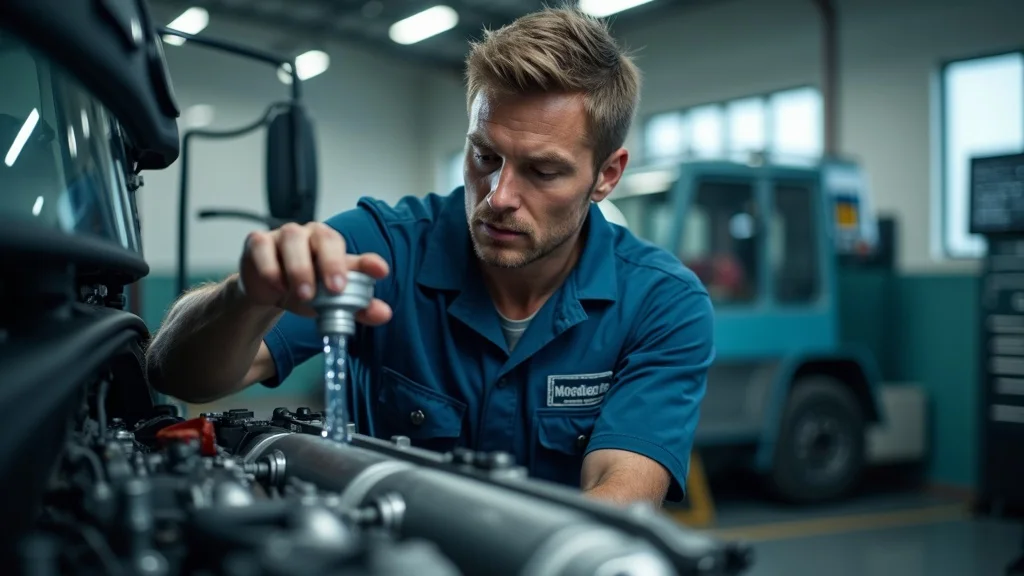
“Even minor fuel contamination can become a major issue during hot Columbia summers.”

Diesel Engine Oil Change and Lubrication: Summer Essentials

How Oil Viscosity Affects Diesel Engines in Summer

Oil viscosity is a top consideration for diesel engine summer maintenance. As outside temperatures climb, engine oil thins, sometimes below the optimal protective level required for high-stress diesel engines. Using thin oil can result in inadequate lubrication, accelerated engine wear, and overheating, putting your diesel truck at risk. Switching to the correct oil viscosity for summer ensures a stronger lubricating film between moving parts, preserving the engine’s health during intense heat and stop-and-go traffic.
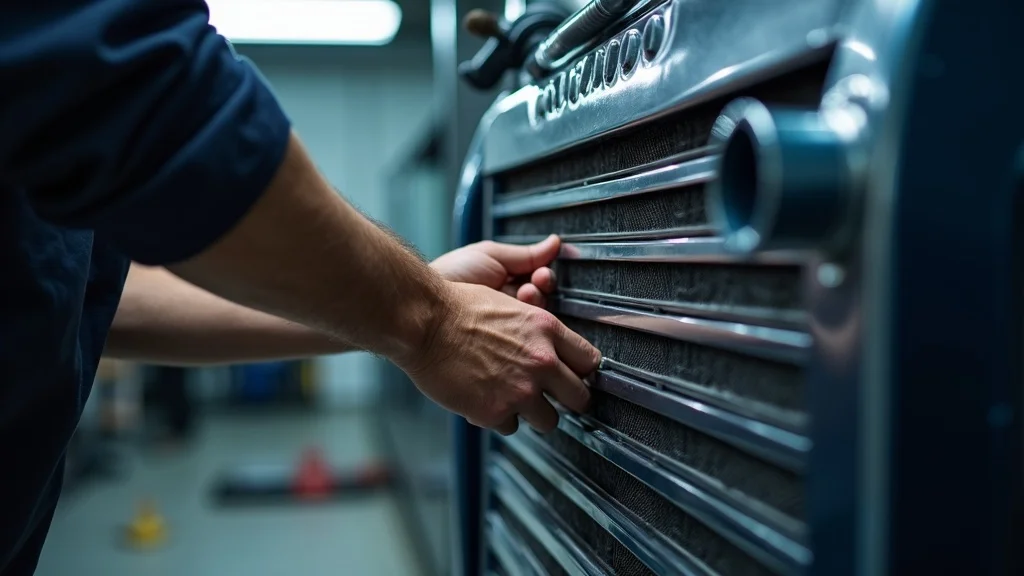
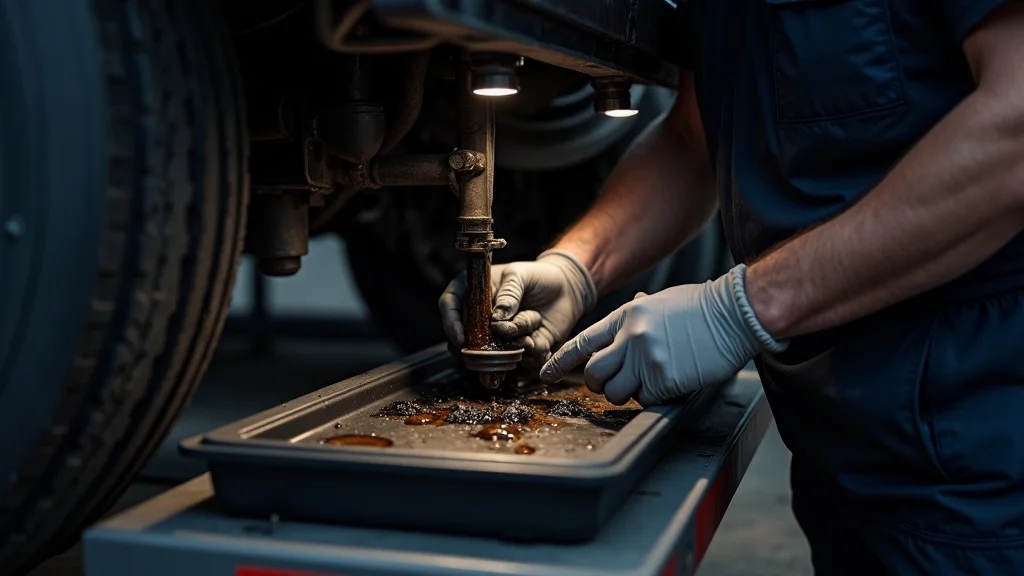
diesel engine oil change summer maintenance

Always consult your truck’s manual for recommended oil weights for seasonal conditions. Certain high-mileage diesel engines may benefit from heavier oil blends or synthetic oils designed for extreme temperatures—especially during the relentless heat Columbia is known for in summer.

Determining the Right Oil and Filter for Diesel Trucks

Using the right oil and filter is not just a matter of preference—it’s vital for the longevity of your diesel engine. Consult your vehicle’s official website, manual, or a trusted diesel mechanic for the best oil grade for summer operations. Filters should meet or exceed OEM specifications, with premium options available for those running heavier loads or longer intervals between oil changes.

Changing both oil and filter at the same time is a best practice to maintain steady oil pressure and avoid contamination of new oil with residual debris. Replacement intervals may be shortened during summer if you encounter dusty or high-stress operations, or accrue extended idle time.

Professional Tips for Timely Oil Changes

Industry experts in Columbia SC recommend more frequent oil change intervals during peak summer. Keep a log of oil change dates and miles, and visually inspect oil for changes in color, smell, or thickness. Blackened, sludgy, or burnt-smelling oil indicates the need for immediate change and could be a sign of underlying issues in the engine run or fuel system.

Don’t forget: Regular oil and filter changes are among the most cost-effective maintenance tips for preventing engine damage and ensuring diesel trucks remain a dependable asset, especially through harsh southern summers.

Summer Diesel Engine Oil Change DIY Tips

Diesel Truck Battery and Electrical System Maintenance for Hot Weather

Signs of Battery Stress in the Summer Heat

High temperatures are just as taxing on diesel truck batteries as winter cold. Battery fluid can evaporate faster, and prolonged exposure to heat increases the risk of corrosion on posts and terminals. Symptoms of battery stress include slow cranking, dim lights, and unexplained electronics glitches. Diesel engines use significant power to activate glow plugs and turn over large engines, so reliable battery performance is crucial throughout summer.

diesel truck battery summer maintenance

If your truck is sluggish to start—especially after sitting in the sun for hours—or if dashboard warning lights flicker unpredictably, it may be time to check the battery more closely. Battery stress also puts added demands on the alternator and related wiring, demanding careful inspection for optimal reliability.

Checking Battery Connections and Alternator Health

Ensure battery terminals are free of corrosion, tight, and fully connected. Use a battery brush or cleaner spray to remove buildup as part of your routine diesel engine summer maintenance checklist. Also, inspect all cables and ground connections—loose or damaged wires can invite both electrical problems and intermittent engine failure.

The alternator should also be tested for proper voltage output. A failing alternator not only shortens battery life but can also leave you stranded with a non-starting diesel truck during the worst summer heat. Expert Columbia diesel mechanics recommend professional battery load testing at the beginning and halfway point of summer for peace of mind.

Proactive Diesel Engine Maintenance Tips for Columbia SC Drivers

  • Inspect belts, hoses, and connections monthly
  • Clean air filters regularly, especially after off-road usage
  • Monitor coolant and oil levels habitually during summer

Visual Guide: Inspecting Your Diesel Engine for Summer

People Also Ask: Diesel Engine Summer Maintenance

How often should I check my diesel engine coolant level in the summer?

During summer, check your diesel engine coolant level at least every two weeks. Columbia’s hot weather increases coolant evaporation risk, and keeping it topped up prevents overheating and potential engine damage.

What are the signs my diesel truck is overheating in summer?

Key signs include rapidly rising temperature gauges, steam from under the hood, loss of engine power, and a sweet smell from burning coolant. Act quickly to avoid long-term engine damage or roadside breakdown.

Can summer heat affect diesel fuel efficiency?

Yes, high temperatures can reduce fuel efficiency due to increased evaporation, thinner engine oil, and extra strain on cooling systems. Proactive maintenance tips will help you minimize these losses and keep your truck’s fuel economy strong.

How do I keep my diesel engine air filter clean during dust storms?

Inspect your air filter after every dust storm or off-road drive. Gently tap or blow loose debris from the filter, replace if clogged, and always ensure the intake system is sealed to prevent further dust intrusion.

Expert Answers: Diesel Engine Summer Maintenance FAQs

  • How do I choose the right coolant for my diesel engine in summer?
  • What maintenance tips help prevent diesel engine failure in summer heat?
  • Are premium diesel fuels better for summer performance?
  • How does summer humidity affect diesel engine components?

“Attention to seasonal maintenance details is what keeps Columbia SC’s diesel fleet moving, no matter the temperature.”

Key Takeaways: Mastering Diesel Engine Summer Maintenance

  • Consistent maintenance is essential to prevent summertime diesel engine problems
  • Cooling systems and air filters require extra attention when temperatures rise
  • Local professional service in Columbia SC ensures reliability and peace of mind

Connect With Diesel Mechanics in Columbia SC For Summer Maintenance Expertise

Contact Diesel Mechanics for comprehensive summer checkups and expert maintenance:Diesel Mechanics https://callroad1.com

Conclusion: Master diesel engine summer maintenance with routine checks, targeted care for cooling and intake systems, and timely oil changes—backed by trusted local experts, your diesel truck can withstand even the harshest Columbia SC summer.

If you’re ready to take your diesel truck’s reliability to the next level, consider exploring the full range of diesel truck repair and service solutions available in Columbia SC. From advanced diagnostics to preventive maintenance plans, these services are designed to keep your vehicle performing at its peak all year long. Whether you’re facing a specific summer challenge or want to future-proof your truck for every season, professional support can make all the difference. Dive deeper into expert care and discover how a proactive approach can extend the life of your diesel engine and maximize your investment.

Sources

To enhance your understanding of diesel engine summer maintenance, consider exploring the following resources: Summertime Diesel Dos and Don’ts: This article provides practical advice on protecting your diesel engine during the summer months, covering topics such as airflow, coolant management, and fuel quality. (perkins. com) Cat® Engine Summer Maintenance Tips: This resource offers detailed guidance on maintaining Cat® engines in high temperatures, including checking cooling systems, changing oil and filters, and inspecting air filters and intake systems. (cat. com) These resources offer valuable insights to help you keep your diesel engine running efficiently throughout the summer.

A large white pickup truck with dual rear wheels is parked on a residential street in winter, with some snow on the ground and houses in the background.

How Cold Weather Impacts Diesel Engines in Columbia SC—Stay Prepared!

Did you know: Diesel engines can lose up to 50% of their starting power when temperatures dip below freezing—an issue Columbia SC drivers face each winter? If you rely on your diesel vehicle, understanding the connection between frigid temperatures and engine performance is more than just trivia; it’s essential to keeping your engine running smoothly and avoiding costly repairs when the ice hits

Frosty morning diesel truck in Columbia SC with visible breath vapor, condensation, and thin frost - how cold weather impacts diesel engines in Columbia SC

Did You Know? Startling Cold Weather Facts Every Diesel Owner in Columbia SC Should Know

“Diesel engines lose up to 50% of their starting power when temperatures fall below freezing — Columbia, SC drivers are not immune to this risk.”

Most diesel owners believe that freezing problems are reserved for northern states, but Columbia SC’s sudden cold snaps and ice storms bring hidden risks home. The facts are clear: As soon as temps creep below 32°F, diesel fuel is vulnerable to gelling, and glow plugs must work overtime to enable cold starts. Local pickup trucks and commercial fleets in Columbia often experience sluggish startups and even complete no-starts after a frigid night. This is due to the higher paraffin wax content in standard diesel fuel, which solidifies faster than gasoline in cold air. Without preparation, your next commute or delivery run may be sidelined by a frozen fuel line, clogged fuel filter, or exhausted battery.

Freezing temperatures stress critical engine components, reducing fuel flow, compressing batteries, and impairing the ignition system. Even a slight dip in mercury can result in hard starts, thickened oils, and accelerated engine wear. Knowing the science behind how cold weather impacts diesel engines in Columbia SC gives you a preventive edge over unexpected breakdowns—and hefty towing bills.

What You’ll Learn: Staying Ahead of How Cold Weather Impacts Diesel Engines in Columbia SC

  • The main risks of cold weather for diesel engines
  • Why cold starts are different for diesel engines in Columbia SC
  • Steps to keep your diesel engine running smoothly
  • How diesel fuel, glow plugs, and fuel filters are affected by cold weather
  • Expert tips to avoid engine wear and costly repairs

Understanding How Cold Weather Impacts Diesel Engines in Columbia SC

Why Diesel Engines Face More Challenges in Cold Weather

Diesel engines are inherently robust, known for their high compression ratios and impressive fuel efficiency, but their performance drops dramatically in cold weather—especially in climates like Columbia, SC, where winter temperatures can quickly shift. Unlike gasoline engines that rely on spark plugs, diesel engines count on air compression to ignite the fuel. This process demands a higher internal temperature, meaning that when the outside air is cold, it becomes significantly harder for the engine to reach the required heat for combustion.

Adding to the challenge, diesel engines are engineered for durability and heavy loads, resulting in thicker engine oils and denser fuel. On a frosty Columbia morning, this thickened oil resists flow, increasing friction and making it harder for your pickup truck or van to turn over. During a cold start, glow plugs must heat the cylinders enough to ignite the fuel, but their efficiency plummets in freezing temperatures. As a result, cold starts put immense stress on the entire ignition system, potentially shortening battery life and straining the starter motor. All these interconnected factors explain why cold weather starting problems are so common for diesel engines in Columbia SC.

For those looking to address these cold weather challenges head-on, understanding the importance of regular diesel truck repair and service can make a significant difference. Routine maintenance not only helps prevent cold start issues but also extends the life of your engine—learn more about comprehensive diesel truck repair and service options in Columbia SC to keep your vehicle winter-ready.

Mechanic inspecting diesel truck engine in winter in Columbia SC - diesel engine cold start checks

The Science Behind Diesel Fuel, Pour Point, and Cold Start Issues

The unique makeup of diesel fuel means it responds to cold far differently than gasoline. At low temperatures, the paraffin wax naturally present in diesel starts to solidify—a phenomenon called “gelling.” As it gels, diesel’s “pour point”—the lowest temperature at which it will flow—rises, causing thick, sluggish fuel that clogs fuel filters and fuel lines. In Columbia SC winters, it’s not uncommon for standard #2 diesel to gel at temperatures close to 20°F, while additives and winter blends lower that threshold but can’t eliminate it entirely.

This gelling doesn’t just block the fuel filter; it prevents the engine from drawing fuel from the fuel tank, resulting in a no-start condition or, worse, sudden stalls in traffic. Cold diesel engines also require a longer preheat period from their glow plugs. If these components are worn out or neglected, hard starts and misfires become routine. Therefore, engine health in winter depends on understanding and managing both the fuel’s chemistry and the physical demands of a cold start.

Diesel vs Gasoline Engine Performance at Columbia SC Winter Temperatures
Temperature (°F) Diesel Engine Performance Gasoline Engine Performance Diesel Pour Point Cold Start Time (Avg) Fuel Filter Clogging Risk
40°F Normal – minimal effect Normal ~10–15°F (standard blend) 5–8 sec Low
25°F Harder starting, slight gelling Normal ~20°F (standard blend) 8–15 sec Moderate
15°F Severe gelling, filter clogging likely Slightly harder start Below current temp 15–25 sec High
0°F No start: fuel solidifies No start possible Below actual temp (only with winter blend/additive) N/A (usually fails to start) Very High

Critical Diesel Engine Components at Risk in Columbia SC Cold Weather

Glow Plugs and Cold Starts: Ensuring Your Diesel Engine Starts Every Time

Your diesel engine’s lifeline during winter is the glow plug—a small but crucial component that preheats the air in the cylinders to facilitate ignition. In Columbia SC’s chilly mornings, weak or faulty glow plugs mean your engine will struggle to fire up, resulting in repeated cold starts that sap battery power and risk flooding the cylinders with unburned fuel. Modern diesel cars and trucks rely on a glow plug for each cylinder, and if just one is compromised, you’ll notice sluggish starting and excessive white smoke during startup.

Routine testing and timely replacement of glow plugs are non-negotiable for reliable winter operation. If you notice extended cranking, harsher engine sounds, or your check engine light flickering after a cold snap, it could indicate failing glow plugs or associated wiring. Addressing such issues before the cold weather deepens is the only way to guarantee a consistent cold start and to prevent engine wear from unburned or improperly combusted fuel.

Close-up of hands holding new glow plugs for diesel engine in cold weather

How Cold Weather Affects Diesel Fuel, Fuel Filters, and Pour Point

The chemistry of diesel fuel changes dramatically as the temperature drops in Columbia SC. Standard diesel contains paraffin wax, which offers lubricity and efficiency in normal temperatures but solidifies as the mercury falls. The pour point—the temperature at which diesel fuel ceases to flow—becomes a critical number for local drivers. Without winterization, regular diesel fuel will gel, bringing about blockages in fuel filters and lining fuel lines with wax crystals, halting the journey from the fuel tank to the injectors.

Replacing your fuel filter before the first cold snap is one of the easiest ways to prevent cold-weather no-starts. A partially clogged filter is already a bottleneck; as gelling begins, it quickly becomes fully obstructed, causing your engine to stall or refuse to start. Premium fuel blends and anti-gel additives are engineered to lower the pour point, improving fuel flow in cold climates. Regularly inspecting your fuel tank for condensation (which can freeze and block lines) will also help keep your diesel engine running smoothly in winter.

Engine Wear and Longevity: Protecting Your Investment

Prolonged cold starts, thickened oil, and sluggish fuel all add up to increased engine wear. Metal-on-metal contact is more likely before the oil has warmed and circulated, increasing the risk of premature bearing and piston damage. In cold weather, diesel engines need extra time to reach optimal operating temperature, and skipping warm-ups may accelerate wear over the years—shortening the lifespan of your diesel pickup, delivery van, or farm equipment.

Preventing cold-related engine wear requires more than just diligent starting practices. Using the correct weight oil for winter, keeping up with routine glow plug and fuel filter checks, and storing your vehicles in a protected environment all go a long way toward maintaining fuel efficiency and avoiding costly overhauls. Proactive care is simply the best way to protect your investment when freezing temperatures roll into Columbia SC.

List: Steps to Keep Your Diesel Engine Running Smoothly This Winter in Columbia SC

  • Use winterized diesel fuel blends: They have lower pour points and reduce the risk of fuel gelling in cold air.
  • Check and replace glow plugs as needed: Ensure every cylinder fires reliably during cold starts.
  • Inspect and change your fuel filter before the cold sets in: A clean filter prevents fuel flow blockages.
  • Let your diesel engine warm up adequately: The engine will run smoother and last longer, reducing engine wear.
  • Store your vehicle in a garage or shelter: Protecting from the elements makes cold starts easier and reduces condensation in the fuel tank.
  • Monitor for signs of gelling and pour point issues: Cloudy fuel or reduced power mean it’s time for anti-gel additives or professional help.

“An ounce of prevention against cold weather could save thousands in diesel engine repairs.” — Local Columbia SC diesel expert

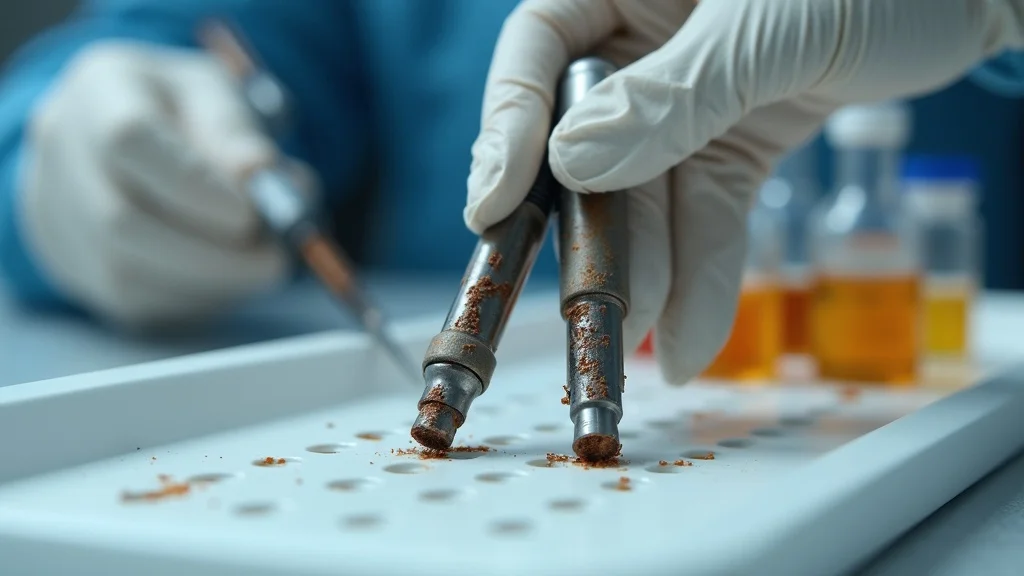
Demonstration of diesel fuel gelling in cold weather — clear and gelled fuel samples for Columbia SC winter

Expert Strategies: Preparing Diesel Engines for Freezing Temperatures and Ice Storms in Columbia SC

Winterizing Diesel Fuel: What Works Locally in Columbia SC?

Winterization strategies must be tailored for Columbia’s particular climate, where mild winters can quickly give way to dangerous ice storms. Switching to a winterized diesel blend at the pump—typically available from late November through February—lowers the pour point of the fuel, dramatically reducing the risk of gelling. For additional protection, high-quality anti-gel additives introduced at each fill-up fortify your fuel against sudden cold snaps.

Frequent fuel tank top-offs help prevent condensation, which can freeze and create ice blockages in your fuel lines. Avoid letting your tank fall below half full during the coldest months. Finally, when choosing a fuel station, opt for locations with high turnover, ensuring fresher diesel less likely to have accumulated moisture or contaminants.

Modern diesel pickup being refueled at Columbia SC fuel station in winter with anti-gel additives

Routine Maintenance: Checking Glow Plugs, Fuel Filters, and Avoiding Engine Wear

A robust winter maintenance plan centers on the pre-emptive care of key engine components. Begin the season with a checkup of all glow plugs—replacing any that are weak or nonfunctional. Make fuel filter swaps standard practice at the start of each winter to prevent unexpected clogs from fuel gelling.

Many owners overlook the cumulative impact of repeated cold starts, but this is a critical window for engine wear. Using synthetic or cold-weather rated oil reduces start-up friction, ensuring vital parts are lubricated even on the coldest mornings. Running your truck at idle for a few minutes before driving distributes oil and brings combustion temperatures up, combating the risks posed by cold weather in Columbia SC.

People Also Ask About How Cold Weather Impacts Diesel Engines in Columbia SC

What temperature is too cold for a diesel engine?

Generally, diesel engines start to experience significant starting problems when temperatures drop below 20°F (-6°C), as standard diesel fuel can begin to gel close to this threshold. However, with winterized diesel blends and routine preventive maintenance, engines in Columbia SC can usually operate down to about 0°F, but added precautions and anti-gel additives are highly recommended as you approach freezing temperatures. Always monitor for signs of sluggish starts and consider using a block heater for extreme lows.

Are diesel engines bad in cold weather?

Diesel engines are not inherently bad in cold weather, but they do face unique challenges compared to gasoline engines. Difficult cold starts, increased risk of fuel gelling, and higher oil viscosity require specific winterizing steps. By employing the right maintenance techniques—like using winterized fuel, replacing glow plugs, and keeping the engine sheltered—diesel engines can perform reliably even during Columbia SC’s coldest spells.

How long should I let my diesel warm up in the cold?

Letting your diesel engine warm up for about 5–10 minutes when temperatures are below freezing is usually sufficient. This brief period ensures oil circulates well, fuel is fully atomized, and engine parts expand to optimal tolerances, reducing premature engine wear. Avoid excessive idling, as today’s engines reach safe operating temperatures quickly, but never drive aggressively until your engine temp has stabilized.

At what temperature do diesel engines freeze?

Diesel engines themselves do not freeze, but standard diesel fuel begins to solidify (gel) at around 20°F, with performance dropping significantly below this mark. Without protection (e.g., winter fuel blends or anti-gel additives), even a brief cold snap in Columbia SC can immobilize your vehicle until temperatures rise—and clogged filters and frozen fuel lines are cleared.

FAQs: Protecting Diesel Engines During Columbia SC Winters

  • What additives can prevent diesel fuel gelling?
    High-quality anti-gel additives lower the pour point of diesel fuel, preventing paraffin wax from solidifying. Look for local brands recommended by Columbia SC experts and always follow product guidelines on dosage per gallon.
  • Is prolonged idling necessary for modern diesel engines?
    Modern diesels need only a few minutes of idling to circulate oil and reach safe operating temperatures in the cold. Excessive idling wastes fuel and increases engine wear.
  • Should you cover your diesel engine or use a block heater in Columbia SC?
    Using a block heater or insulated engine cover is highly effective during prolonged freezes, helping your engine reach starting temperature faster and reducing cold start wear.
  • How often should glow plugs be checked?
    Test glow plugs at the start of every winter and replace them as needed (typically every 30,000–60,000 miles). Any sign of rough starting or white smoke warrants immediate inspection.

Key Takeaways for How Cold Weather Impacts Diesel Engines in Columbia SC

  • Cold weather poses specific risks for diesel engines—plan ahead to avoid downtime.
  • Cold start problems, fuel gelling, and increased engine wear are preventable with proactive measures.
  • Following winterization best practices will help keep diesel engines running smoothly throughout the Columbia SC winter.

Stay Prepared: Consult Diesel Mechanics in Columbia SC for Expert Winter Care

Don’t risk a cold-weather breakdown—get expert help! For personalized winterization, maintenance, and emergency solutions to keep your diesel engine running smoothly, reach out to local professionals:
Diesel Mechanics – https://callroad1.com

Conclusion

Proactive preparation is your best defense against Columbia SC’s winter weather. Take action today to prevent breakdowns and costly repairs, and keep your diesel engine in peak condition all season long.

If you’re interested in taking your diesel maintenance knowledge even further, consider exploring broader strategies for vehicle care and performance. Discover how a comprehensive approach to diesel truck repair and service can help you maximize reliability, efficiency, and longevity—not just in winter, but year-round. Staying informed and proactive is the key to getting the most out of your diesel investment, no matter what the Columbia SC climate brings.

Sources

Cold weather poses significant challenges for diesel engines, particularly in regions like Columbia, SC, where temperatures can fluctuate and occasionally drop below freezing. Understanding these impacts is crucial for maintaining engine performance and longevity.

Key Cold Weather Challenges for Diesel Engines:

  1. Fuel Gelling: Diesel fuel contains paraffin wax, which can solidify in cold temperatures, leading to fuel gelling. This process clogs fuel filters and lines, preventing the engine from starting or running properly. (cars.com)

  2. Thickened Engine Oil: Cold temperatures cause engine oil to thicken, reducing its ability to flow and lubricate internal components. This increased viscosity leads to higher friction and makes it harder for the engine to turn over. (cars.com)

  3. Battery Performance Decline: Cold weather reduces a battery’s power output, making it more difficult to start the engine. Weak or old batteries are especially prone to failure during winter. (immaculatekinetics.com)

  4. Air Intake Restrictions: Cold weather can exacerbate air intake restrictions, impeding the flow of air into the diesel engine and disrupting the crucial air-fuel mixture necessary for combustion. (sd.fuv.edu.br)

Preventive Measures:

  • Use Winter-Grade Diesel Fuel: Switching to winter-grade diesel fuel, which is blended to withstand colder temperatures, and adding anti-gel additives can prevent fuel from thickening. (immaculatekinetics.com)

  • Switch to Winter-Weight Oil: Using a synthetic or winter-weight oil before temperatures drop is one of the most cost-effective ways to protect your engine during cold starts. (nationalfleetmgt.com)

  • Maintain Battery Health: Test your battery’s health before winter and replace it if necessary. Clean the terminals and connections to ensure maximum power delivery. (immaculatekinetics.com)

  • Inspect Air Intake System: Regularly check and replace air filters to ensure unrestricted airflow, which is crucial for proper combustion, especially in cold weather. (sd.fuv.edu.br)

By implementing these strategies, diesel engine owners in Columbia, SC, can mitigate the adverse effects of cold weather, ensuring reliable performance throughout the winter months.