
Diesel Engine Summer Maintenance Tips to Beat the Heat
Did you know? According to industry statistics, diesel truck breakdowns spike by nearly 30% each summer, with most issues traced back to heat-induced engine strain and overlooked maintenance. If you drive a diesel truck in Columbia SC, mastering summer maintenance isn’t just smart—it’s essential for keeping your engine running smoothly during the region’s notorious heat waves.
Why Diesel Engine Summer Maintenance Matters: Startling Facts and Key Challenges
Summer in Columbia SC brings relentless high temperatures, placing extreme demands on diesel engines. Failing to prioritize diesel engine summer maintenance can lead to increased idle time, engine run inefficiencies, or even sudden engine failure at the worst possible moment. Diesel engines are celebrated for their resilience, but even these workhorses can falter if subjected to summer heat without preventive care.
Hot weather accelerates coolant evaporation, affects oil viscosity, and can make air and fuel filters clog faster due to dust and debris. Left unchecked, these issues compromise your diesel engine’s cooling system, fuel system, and overall performance. Tackling summer challenges head-on with regular maintenance tips is the best way to keep your diesel truck reliable and extend its engine life.
“Extreme summer temperatures can push diesel engines to the edge—leading to breakdowns if preventative maintenance isn’t prioritized.”
What You’ll Learn in This Diesel Engine Summer Maintenance Guide
- Essential summer maintenance tips for diesel engines
- How the cooling system impacts diesel engine performance
- Critical checks for diesel truck air and fuel filters
- The importance of coolant levels and oil changes
- Pro maintenance insights from Columbia SC experts
Common Diesel Engine Problems in Summer Heat
Overheating Issues in Diesel Engines
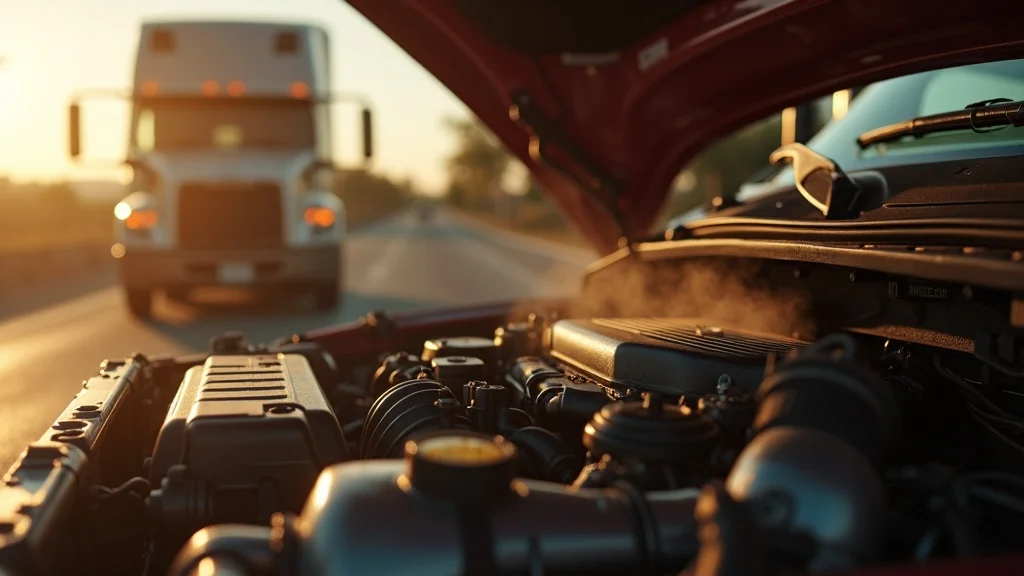
Overheating is one of the most common reasons for diesel truck breakdowns in the summer. Extreme conditions force the cooling system to work harder, and any weakness—such as low coolant levels, clogged radiators, or worn hoses—can cause temperatures to spike quickly. An overheating diesel engine risks serious damage, including warped cylinder heads and broken water pumps, both of which are costly to repair. Being vigilant about temperature swings and monitoring engine gauges is key to preventing catastrophic failure. It’s well worth addressing these concerns proactively through regular maintenance tips and scheduled checkups.
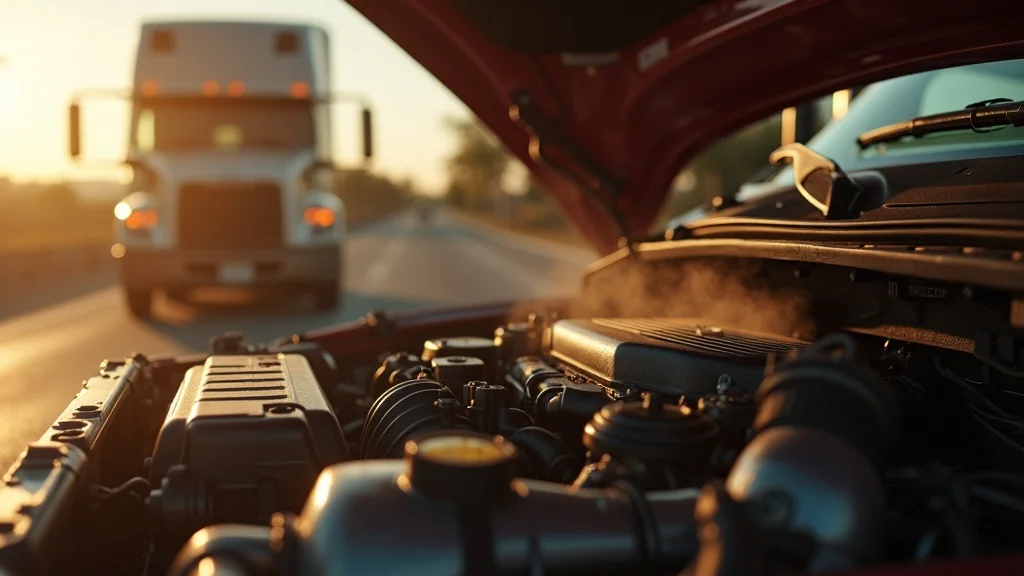
Not only does overheating shorten engine lifespan, but it also reduces fuel economy and can stress connected components—from belts to diesel fuel injectors. When idle time increases in the summer heat, heat soak can linger long after the engine has turned off. Preventing overheating begins with frequent inspection of the cooling system, water pump, and radiator, all of which contribute to a healthy diesel engine in hot climates like Columbia SC.
Effects of Summer Heat on Diesel Trucks
Hot weather affects more than just your engine—it impacts every component in your diesel truck. Hoses and belts expand, making them more susceptible to cracks or leaks. High temperatures accelerate the breakdown of engine fluids, affecting everything from coolant efficiency to oil viscosity. Air filters quickly become clogged by dust kicked up from dry, sunbaked roads. Even fuel injectors and the intake system can suffer performance drops due to ambient heat and increased air contaminants.
Extended engine run time in stop-and-go summer traffic means the diesel engine spends more time at operating temperature, elevating the risks of component wear and fluid loss. This is why regular inspections and consistent replacement of air filters and fuel filters are among the top summer maintenance tips. Failing to address these issues in summer heat can lead to reduced reliability—and potentially more time spent waiting for roadside assistance than enjoying Columbia’s scenic drives.
For those looking to go beyond basic upkeep, exploring comprehensive diesel truck repair and service options can help address underlying issues before they escalate in the summer heat. Professional diagnostics and repairs ensure your truck’s cooling, fuel, and intake systems are performing at their best when temperatures soar.
How Diesel Fuel Reacts to High Temperatures
Diesel fuel is especially vulnerable in summer. High ambient temperatures encourage fuel evaporation, decrease fuel efficiency, and heighten the risk of water condensation inside fuel tanks. This can lead to microbial growth and possible sludge formation, which quickly clogs fuel filters and damages sensitive fuel system components. Water contamination not only reduces diesel engine efficiency, but can also destroy fuel injectors if left unchecked.
During Columbia SC’s hottest months, the fuel system should be checked regularly. Replace fuel filters as a matter of routine, and consider fuel additives to enhance stability. It’s also wise to keep tanks as full as possible to minimize air space available for condensation, leveraging every possible advantage in maintaining optimal diesel engine performance during high temperatures.
Diesel Engine Cooling System: Summer Maintenance Tips
Inspecting and Flushing the Cooling System
The cooling system is your diesel engine’s first line of defense against the relentless Columbia SC summer heat. Over time, mineral deposits and corrosion can reduce cooling efficiency, making regular inspections a must during summer maintenance. Inspect the radiator, hoses, and water pump for leaks or blockages, and flush the cooling system at least once every summer to remove built-up contaminants.
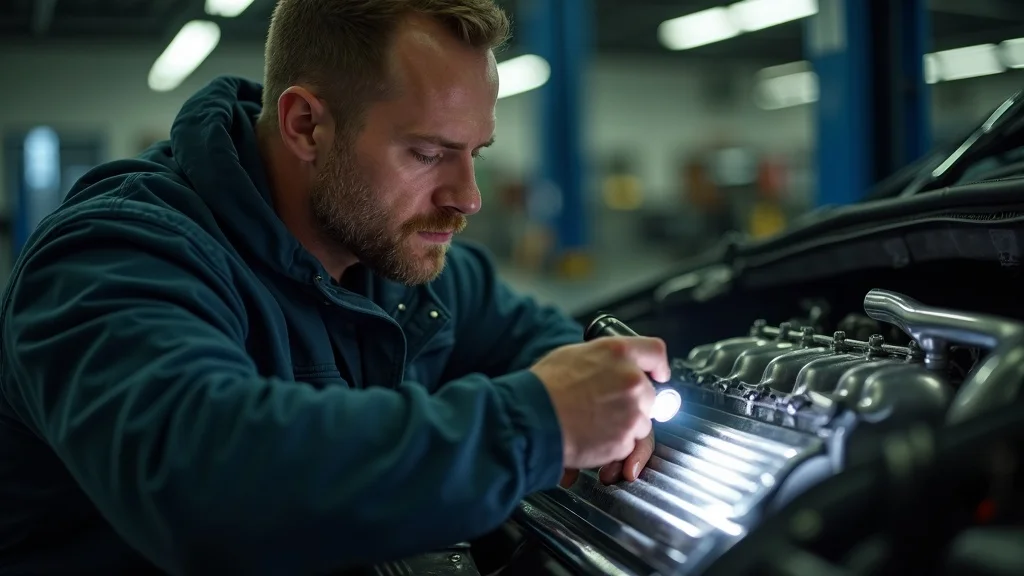
Flushing and refilling the cooling system with fresh coolant ensures optimal heat transfer, helping maintain the correct coolant level and keeping engine temperatures in check. Also, inspect belts and ensure the radiator cap seals properly—an overlooked but vital practice in preventing overheating. Attention to these details is what keeps diesel trucks running smoothly, even during extended engine run in high temperatures.
Checking and Maintaining Coolant Levels
Maintaining proper coolant levels is foundational to preventing engine overheating. Every two weeks, check that the coolant reservoir is topped up to the recommended mark. Use coolant formulated for diesel engines—avoid simply adding water, as this can dilute the mix and reduce its ability to cool and protect engine components.
Also, check for coolant leaks and signs of fluid discoloration, which indicate contamination or coolant breakdown. High temperatures in summer can evaporate coolant faster, and low coolant levels will dramatically increase the risk of overheating. If the coolant appears dirty or rusty, schedule a full system flush as part of your regular maintenance tips.
Signs of Cooling System Wear in Diesel Trucks
Common indicators of cooling system wear include frayed or cracked hoses, loose belt tension, and a failing water pump (often revealed by small leaks or whirring noises). Watch for temperature gauge fluctuations or steam escaping from under the hood—both suggest your cooling systems aren’t keeping up with the summer heat. Addressing these problems proactively ensures your diesel truck continues running smoothly and efficiently throughout the season.
Other warning signs involve persistent low coolant levels and visible corrosion or build-up around the radiator and filler cap. Addressing these issues promptly by replacing worn components is critical—neglect here could lead to unexpected engine failure and expensive repairs.
| Maintenance Task | Recommended Frequency | Summer Impact |
|---|---|---|
| Check Coolant Level | Every 2 Weeks | High |
| Inspect Hoses and Belts | Monthly | Medium |
| Flush Cooling System | Once per Summer | High |
Air Filter and Intake System Checks for Diesel Engines
How Summer Dust Affects Diesel Engine Air Filters
Dry, dusty summer conditions in Columbia SC can choke diesel engine air filters much faster than during other seasons. Air filters are a critical barrier against grit and debris—if they’re clogged, the engine must work harder, reducing fuel economy and potentially causing unfiltered particles to damage engine components. A neglected air filter can cause a noticeable drop in power and even contribute to overheating.
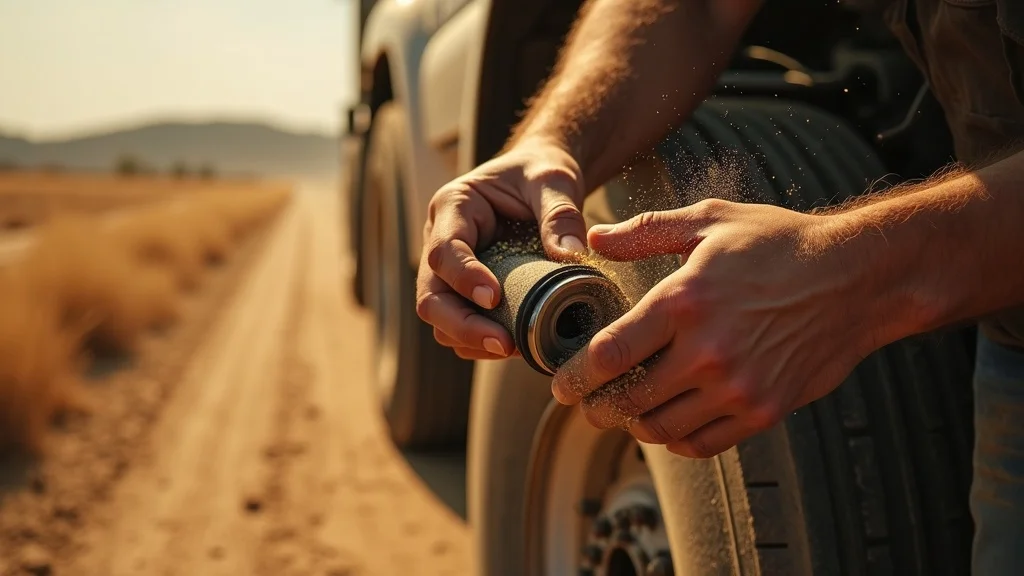
If you regularly drive on construction sites, gravel roads, or through heavy pollen and dust clouds, check air filters even more frequently. Keeping the intake system clear supports maximum airflow and helps your diesel engine cope with summer heat. Tips from leading diesel mechanics recommend inspecting air filters monthly and immediately after exposure to heavy dust.
Inspecting and Replacing Air Filters in Diesel Trucks
A clean air filter ensures the right air-to-fuel mixture and sustained diesel engine performance. To check, locate the air filter housing—usually easy to access on most diesel trucks—remove the cover, and visually inspect the filter. If it appears darkened, clogged, or infested with debris and dust, it’s time for a replacement.
For trucks that see heavy off-road or farm use near Columbia, more frequent air filter changes are recommended—especially after dust storms or extended engine run times on hot, dry days. Always use manufacturer-recommended air filters for your specific model. Properly sealing the filter housing is also key to preventing unfiltered air from bypassing the element and entering the intake system.
Maintaining the Intake System for Optimal Performance
Intake system health goes hand-in-hand with air filter replacement. Beyond changing the air filter, inspect intake ducts and connections for signs of cracks, leaks, or loose fittings. Unsealed or broken pipes can allow dirt to bypass your newly installed filter and harm sensitive engine components.
If you notice loss of power or see that your air filters are becoming dirty rapidly, check the entire intake system for buildup. Cleaning intake ducts and ensuring tight, debris-free seals aids in top performance while enhancing both fuel efficiency and engine longevity. Intake system maintenance is one of the most effective—yet easily overlooked—summer maintenance tips for diesel trucks.
Diesel Engine Fuel System and Diesel Fuel Maintenance Tips
Diesel Fuel Quality and Storage in Hot Weather
In the South Carolina summer, both the diesel fuel system and fuel storage play critical roles in performance and reliability. Hot weather accelerates chemical breakdown within diesel fuel, inviting contaminants, algae, and water accumulation in storage tanks. Left unchecked, these can degrade fuel economy, clog fuel filters, and increase engine deposit formation.

For truck owners who manage their own tanks, regularly test stored fuel for water and particulates and clean tanks seasonally. Always buy diesel fuel from reputable sources and use fresh fuel within a few weeks. If your operation stores fuel for extended periods, treat it with approved additives to combat microbial growth and preserve diesel fuel quality through Columbia’s sweltering months.
Replacing Fuel Filters and Preventing Clogs
Summer heat exacerbates the buildup of gunk and particulates, making the fuel filter a critical part of your preventative diesel engine maintenance. Change the fuel filter at intervals recommended by your truck manufacturer, or more frequently if fuel quality is in doubt. A clogged filter will starve the engine of diesel fuel, potentially leading to hard starts or engine stalling—issues that are both inconvenient and damaging to fuel injectors over time.
It’s also smart to carry a spare fuel filter and the necessary tools, especially if your routes keep you far from urban service centers. Preventing fuel filter clogs keeps your diesel truck running smoothly, especially during periods of high demand or long hauls across the sun-baked highways of Columbia SC.
Checking for Water in the Fuel System
High ambient humidity, frequent cooling and heating of fuel tanks, and summer thunderstorms all contribute to water intrusion in the fuel system. Even a small amount of water can lead to microbial growth, rust inside fuel tanks, and damage to diesel fuel injectors. Many modern diesel trucks are equipped with water separators—check these weekly during the summer.
Drain any accumulated water from the separator and follow up with a quick inspection of the fuel filter and system. If you see cloudiness or water droplets when you drain diesel fuel, the system may need a thorough cleaning. Periodic attention ensures the engine doesn’t suffer damage or sudden failure due to simple water contamination.
“Even minor fuel contamination can become a major issue during hot Columbia summers.”
Diesel Engine Oil Change and Lubrication: Summer Essentials
How Oil Viscosity Affects Diesel Engines in Summer
Oil viscosity is a top consideration for diesel engine summer maintenance. As outside temperatures climb, engine oil thins, sometimes below the optimal protective level required for high-stress diesel engines. Using thin oil can result in inadequate lubrication, accelerated engine wear, and overheating, putting your diesel truck at risk. Switching to the correct oil viscosity for summer ensures a stronger lubricating film between moving parts, preserving the engine’s health during intense heat and stop-and-go traffic.
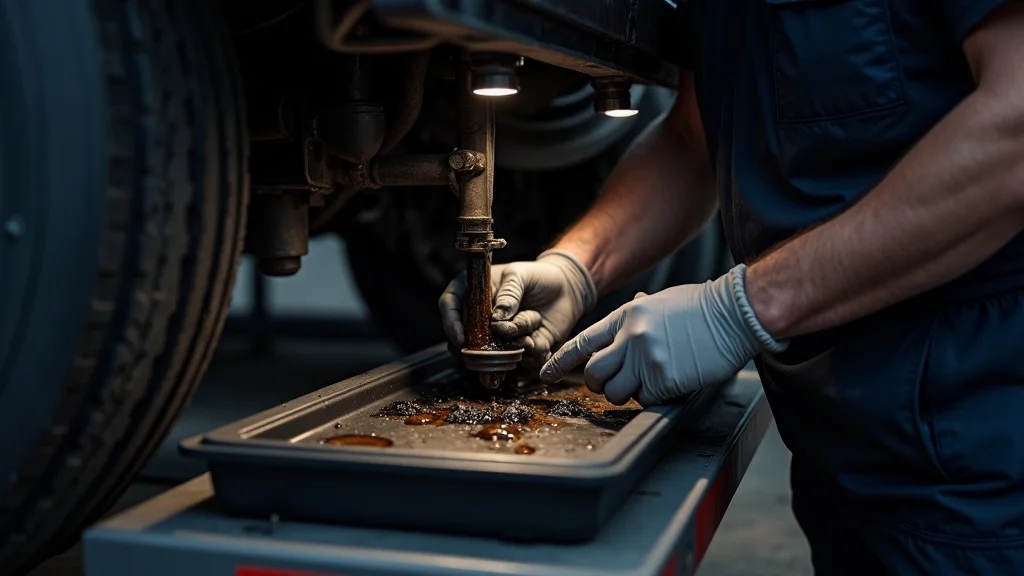
Always consult your truck’s manual for recommended oil weights for seasonal conditions. Certain high-mileage diesel engines may benefit from heavier oil blends or synthetic oils designed for extreme temperatures—especially during the relentless heat Columbia is known for in summer.
Determining the Right Oil and Filter for Diesel Trucks
Using the right oil and filter is not just a matter of preference—it’s vital for the longevity of your diesel engine. Consult your vehicle’s official website, manual, or a trusted diesel mechanic for the best oil grade for summer operations. Filters should meet or exceed OEM specifications, with premium options available for those running heavier loads or longer intervals between oil changes.
Changing both oil and filter at the same time is a best practice to maintain steady oil pressure and avoid contamination of new oil with residual debris. Replacement intervals may be shortened during summer if you encounter dusty or high-stress operations, or accrue extended idle time.
Professional Tips for Timely Oil Changes
Industry experts in Columbia SC recommend more frequent oil change intervals during peak summer. Keep a log of oil change dates and miles, and visually inspect oil for changes in color, smell, or thickness. Blackened, sludgy, or burnt-smelling oil indicates the need for immediate change and could be a sign of underlying issues in the engine run or fuel system.
Don’t forget: Regular oil and filter changes are among the most cost-effective maintenance tips for preventing engine damage and ensuring diesel trucks remain a dependable asset, especially through harsh southern summers.
Summer Diesel Engine Oil Change DIY Tips
Diesel Truck Battery and Electrical System Maintenance for Hot Weather
Signs of Battery Stress in the Summer Heat
High temperatures are just as taxing on diesel truck batteries as winter cold. Battery fluid can evaporate faster, and prolonged exposure to heat increases the risk of corrosion on posts and terminals. Symptoms of battery stress include slow cranking, dim lights, and unexplained electronics glitches. Diesel engines use significant power to activate glow plugs and turn over large engines, so reliable battery performance is crucial throughout summer.

If your truck is sluggish to start—especially after sitting in the sun for hours—or if dashboard warning lights flicker unpredictably, it may be time to check the battery more closely. Battery stress also puts added demands on the alternator and related wiring, demanding careful inspection for optimal reliability.
Checking Battery Connections and Alternator Health
Ensure battery terminals are free of corrosion, tight, and fully connected. Use a battery brush or cleaner spray to remove buildup as part of your routine diesel engine summer maintenance checklist. Also, inspect all cables and ground connections—loose or damaged wires can invite both electrical problems and intermittent engine failure.
The alternator should also be tested for proper voltage output. A failing alternator not only shortens battery life but can also leave you stranded with a non-starting diesel truck during the worst summer heat. Expert Columbia diesel mechanics recommend professional battery load testing at the beginning and halfway point of summer for peace of mind.
Proactive Diesel Engine Maintenance Tips for Columbia SC Drivers
- Inspect belts, hoses, and connections monthly
- Clean air filters regularly, especially after off-road usage
- Monitor coolant and oil levels habitually during summer
Visual Guide: Inspecting Your Diesel Engine for Summer
People Also Ask: Diesel Engine Summer Maintenance
How often should I check my diesel engine coolant level in the summer?
During summer, check your diesel engine coolant level at least every two weeks. Columbia’s hot weather increases coolant evaporation risk, and keeping it topped up prevents overheating and potential engine damage.
What are the signs my diesel truck is overheating in summer?
Key signs include rapidly rising temperature gauges, steam from under the hood, loss of engine power, and a sweet smell from burning coolant. Act quickly to avoid long-term engine damage or roadside breakdown.
Can summer heat affect diesel fuel efficiency?
Yes, high temperatures can reduce fuel efficiency due to increased evaporation, thinner engine oil, and extra strain on cooling systems. Proactive maintenance tips will help you minimize these losses and keep your truck’s fuel economy strong.
How do I keep my diesel engine air filter clean during dust storms?
Inspect your air filter after every dust storm or off-road drive. Gently tap or blow loose debris from the filter, replace if clogged, and always ensure the intake system is sealed to prevent further dust intrusion.
Expert Answers: Diesel Engine Summer Maintenance FAQs
- How do I choose the right coolant for my diesel engine in summer?
- What maintenance tips help prevent diesel engine failure in summer heat?
- Are premium diesel fuels better for summer performance?
- How does summer humidity affect diesel engine components?
“Attention to seasonal maintenance details is what keeps Columbia SC’s diesel fleet moving, no matter the temperature.”
Key Takeaways: Mastering Diesel Engine Summer Maintenance
- Consistent maintenance is essential to prevent summertime diesel engine problems
- Cooling systems and air filters require extra attention when temperatures rise
- Local professional service in Columbia SC ensures reliability and peace of mind
Connect With Diesel Mechanics in Columbia SC For Summer Maintenance Expertise
Contact Diesel Mechanics for comprehensive summer checkups and expert maintenance:Diesel Mechanics https://callroad1.com
Conclusion: Master diesel engine summer maintenance with routine checks, targeted care for cooling and intake systems, and timely oil changes—backed by trusted local experts, your diesel truck can withstand even the harshest Columbia SC summer.
If you’re ready to take your diesel truck’s reliability to the next level, consider exploring the full range of diesel truck repair and service solutions available in Columbia SC. From advanced diagnostics to preventive maintenance plans, these services are designed to keep your vehicle performing at its peak all year long. Whether you’re facing a specific summer challenge or want to future-proof your truck for every season, professional support can make all the difference. Dive deeper into expert care and discover how a proactive approach can extend the life of your diesel engine and maximize your investment.
Sources
To enhance your understanding of diesel engine summer maintenance, consider exploring the following resources: Summertime Diesel Dos and Don’ts: This article provides practical advice on protecting your diesel engine during the summer months, covering topics such as airflow, coolant management, and fuel quality. (perkins. com) Cat® Engine Summer Maintenance Tips: This resource offers detailed guidance on maintaining Cat® engines in high temperatures, including checking cooling systems, changing oil and filters, and inspecting air filters and intake systems. (cat. com) These resources offer valuable insights to help you keep your diesel engine running efficiently throughout the summer.