

Hot Weather Diesel Engine Care: Protect Your Engine This Summer
Did you know? Each summer, Columbia, SC diesel mechanics report a 30% increase in engine failure calls—almost all preventable with the right approach to hot weather diesel engine care. If you drive or maintain a diesel vehicle, you cannot afford to overlook essential maintenance routines as temperatures soar. In this guide, you’ll discover practical steps, proven tips, and localized insights to keep your diesel engine running smoothly even in the most intense summer heat.
Why Hot Weather Diesel Engine Care Matters for Diesel Vehicles
The high temperatures characteristic of a South Carolina summer put unique stresses on diesel engines that can lead to decreased engine performance, breakdowns, and costly repairs. Diesel vehicles rely on a series of tightly-coordinated systems—such as the cooling system, fuel system, and air filter systems—that are especially vulnerable to weather conditions that bring searing heat and humidity. Without proper preventive care, you risk catastrophic engine failure, reduced fuel efficiency, or long-term damage to critical engine components like belts, hoses, and injectors.
For diesel vehicle owners, maintenance is about more than just avoiding inconvenience; it’s about protecting your investment and ensuring reliable performance on every drive. From keeping coolant levels topped off to monitoring oil and battery health, each step of hot weather diesel engine care can mean the difference between smooth summer cruising and a roadside breakdown. Summer heat accelerates wear and exposes vulnerabilities—proactively addressing these with focused maintenance and pre-drive checks sets up your diesel engine for strength, safety, and reliability.
- Hot Weather Diesel Engine Care Essentials: Schedule frequent coolant and oil checks; inspect belts and hoses for wear; maintain a clean air filter and ensure regular fuel filter replacements to optimize airflow.
- Diesel Engine Vulnerabilities: Diesel engines are more susceptible to overheating, oil breakdown, and fuel system contamination—heat exacerbates these weaknesses, which can quickly lead to performance degradation or severe engine damage if ignored.

“High temperatures can accelerate wear and lead to diesel engine failures—attention to hot weather diesel engine care is paramount.”
What You’ll Learn About Hot Weather Diesel Engine Care
- Key steps for protecting diesel engines in hot weather
- Best practices for monitoring diesel vehicle performance
- Essential maintenance routines to optimize engine performance
Understanding Diesel Engine Operation in Hot Weather Conditions
The Science Behind Diesel Engines and Temperature
Diesel engines function differently from gasoline engines, especially under hot weather stress. High temperatures put a strain on key engine parts such as cylinder heads, pistons, and the cooling system, reducing their ability to maintain optimal operating conditions. When engine temperature rises excessively, it can cause lubricating oil to thin out, decreasing protection for moving engine components and increasing wear rates. Furthermore, diesel fuel system resilience is tested by hot climates; evaporative losses and fuel degradation become real threats, potentially leading to hard starts or stalling.
Prolonged exposure to high heat can also affect the air filter and fuel filter performance by causing them to clog more rapidly with dust and pollen—especially when vehicles are operated in dry, dusty summer conditions. It’s not just short-term performance at risk; repeated exposure to high temperature without adequate maintenance can result in diminished engine performance and a significantly reduced engine lifespan.
- Impact of heat on engine parts: Causes rapid oil and coolant breakdown, promotes corrosion, and accelerates wear on pistons, gaskets, and seals.
- Influence on engine performance and fuel system resilience: Can result in vapor lock, fuel injector issues, and decreased combustion efficiency—ultimately impacting overall drivability and power.
| Component | Normal Conditions | Intense Hot Weather |
|---|---|---|
| Cylinder Head | Maintains structural strength, resists warping. | Prone to warping, gasket failure, and leaks. |
| Oil | Lubricates and protects moving parts. | Thins rapidly, loses protective strength, promotes wear. |
| Coolant | Transfers heat efficiently. | Breaks down faster, can boil or evaporate prematurely. |
| Fuel System | Delivers fuel smoothly, maintains pressure. | Risks vapor lock, injector clogging, and fuel evaporation. |
| Air Filter | Filters dust and debris from intake air. | Clogs quickly from increased dust/pollen, restricts airflow. |
Assessing Common Hot Weather Risks for Diesel Engines
Every diesel vehicle faces increased risks during summer, and ignoring these can endanger engine performance and reliability. Overheating dangers rank at the top—high temperature can easily lead to coolant boil-off or loss, compromising the engine’s ability to prevent overheating. When coolant levels are inadequate, heat accumulates, potentially leading to warped cylinder heads, cracked blocks, and catastrophic engine failure. Additionally, heat can cause diesel fuel to degrade faster, resulting in clogged filters and fuel system malfunctions.
Weather conditions also impact connected components; excessive heat makes belts brittle, promotes hose cracks, and undermines battery efficiency. The combination of high load—such as towing—and relentless summer heat throws even top-condition engines into jeopardy unless owners take a proactive approach. Recognizing these risks enables vehicle owners to intervene before minor issues balloon into major breakdowns.
- Overheating dangers in diesel vehicles: High engine temperatures can lead to warping, gasket failure, and major engine issues.
- Coolant levels and fuel system failures: Insufficient coolant and fuel degradation can stall your summer drives or cause sudden breakdowns.
- Weather conditions worsening engine performance: Heat compounds existing wear, threatening belts, hoses, fuel injectors, and overall efficiency.
Essential Hot Weather Diesel Engine Care Tips
Inspecting and Maintaining Coolant Levels in Diesel Engines
Under the stifling summer sun, coolant levels become the silent guardian against catastrophic engine overheating. It’s vital to routinely inspect the coolant reservoir and ensure the right blend of water and antifreeze for your specific vehicle model. When coolant runs low, the cooling system cannot effectively transfer heat away from vital engine components, rapidly driving up operating temperature and risking engine failure. Signs of low coolant in diesel vehicles include higher-than-normal engine temperature, warning lights, and visible leaks or seepage around the engine bay. Promptly top off coolant using the approved type, and never check coolant when the engine is hot to avoid burns or injury.
A clean, properly functioning cooling system also contributes to optimal engine performance. Periodic flushes help remove contaminants that can clog radiators and heater cores. Diesel engine owners should consider professional inspections each season, especially before the peak of summer heat, to test coolant density and pressure. This attention to detail could be what prevents a roadside emergency during a surprise heatwave.
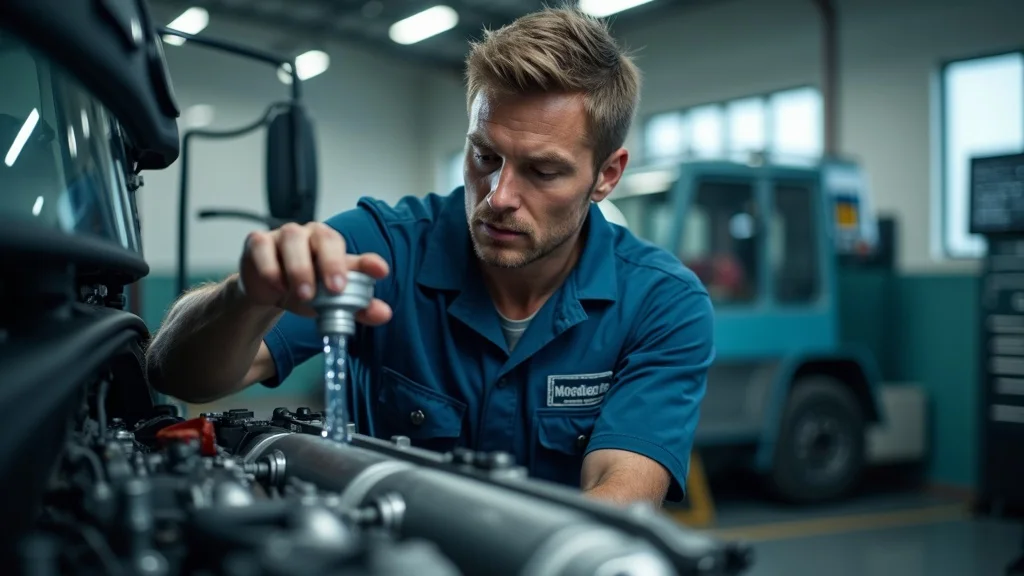
- Checking coolant levels: Inspect the coolant reservoir weekly during the hottest months; always use the correct mixture and flush system as recommended in the service manual.
- Signs of low coolant in diesel vehicles: Unusually hot running temperatures, dashboard alerts, steam from the hood, and visible puddling near the vehicle’s front end.
Monitoring Oil for Peak Diesel Engine Performance in Hot Weather
Summer’s oppressive heat can turn protective engine oil into a liability if not closely monitored. The right oil grade for hot weather ensures proper viscosity—enabling it to maintain a film between engine parts even as temperatures climb. Regular oil changes are a crucial part of hot weather diesel engine care, especially since oil degrades more quickly under high temperature loads, potentially leading to increased friction, accelerated wear, or outright engine failure. Always consult your vehicle’s manual for the correct oil type, and be alert for warning signs during summer use such as darker, thinner oil on the dipstick, or knocking sounds from under the hood.
Frequent oil checks, particularly before long road trips or towing heavy loads, can mean the difference between smooth operation and sudden breakdown. Pair this with scheduled oil and fuel filter changes every few thousand miles—or more often if operating in dusty, extreme weather conditions—to ensure your diesel engine is running smoothly all season.
- The right oil for hot weather conditions: Use high-quality synthetic or semi-synthetic oils designed for thermal stability in diesel engines.
- Warning signs during summer use: Low oil level, milky or darkened oil, or metallic noises are signals to change oil immediately.
“Consistent oil changes protect diesel engines from summer’s excessive thermal stress.”
Fuel System Precautions in Extreme Weather Conditions
Protecting Diesel Fuel System Against Common Hot Weather Issues
The fuel system is a hidden hero that becomes highly susceptible to contamination and breakdown in the summer heat. Diesel fuel can absorb water from humid air, increasing the risk of microbial growth and injector damage. High temperature also accelerates fuel oxidation—altering the composition and risking loss of power or tough starts. Always fill up at reputable stations, and consider using additives that inhibit microbial growth during hot spells. Check the fuel filter regularly for sediment or water, and never ignore warning lights or sluggish starts, as these can signal deeper fuel system issues exacerbated by summer conditions.
For vehicles stored outside or used infrequently in extreme heat, proper storage is essential: park in shaded areas, use fuel stabilizers, and keep tanks as full as possible to limit condensation. By staying proactive, vehicle owners can extend the life and performance of their diesel vehicles—even during record-breaking heatwaves.
- Avoiding contaminated fuel: Purchase diesel from high-traffic stations; avoid fuel from sources with reported water contamination.
- Checking for water in the fuel system: Use water separator bowls; if water is detected, drain immediately to prevent injector or pump failures.
- Proper storage of diesel vehicles: Store with a full tank, add stabilizer if sitting for more than 30 days, and shield from direct sun.
For those looking to go beyond the basics, understanding the full range of diesel truck repair and service options can help you address issues before they escalate. You can find more detailed guidance on maintenance routines and troubleshooting by exploring diesel truck repair and service solutions tailored for demanding conditions.
Maximizing Airflow and Cooling: Advanced Hot Weather Diesel Engine Care
When it comes to battling summer heat, maintaining optimal airflow is critical for diesel engine survival. The radiator and intercooler work together to remove excess heat and keep combustion temperatures within safe limits. Even a partially blocked radiator can cripple engine performance, so inspect for debris or damage before the season starts. Use compressed air or a soft brush to clean the fins and radiator face, and check for leaks, loose clamps, or damaged hoses.
The intercooler is especially important for turbocharged diesel engines, as it cools intake air between the turbocharger and the engine, boosting power while preventing excessive combustion temperatures. If airflow is restricted, expect immediate losses in performance and fuel efficiency, potentially leading to overheating and serious engine damage. Make airflow inspections a regular part of your hot weather diesel engine care routine, especially after driving through dusty or buggy areas.
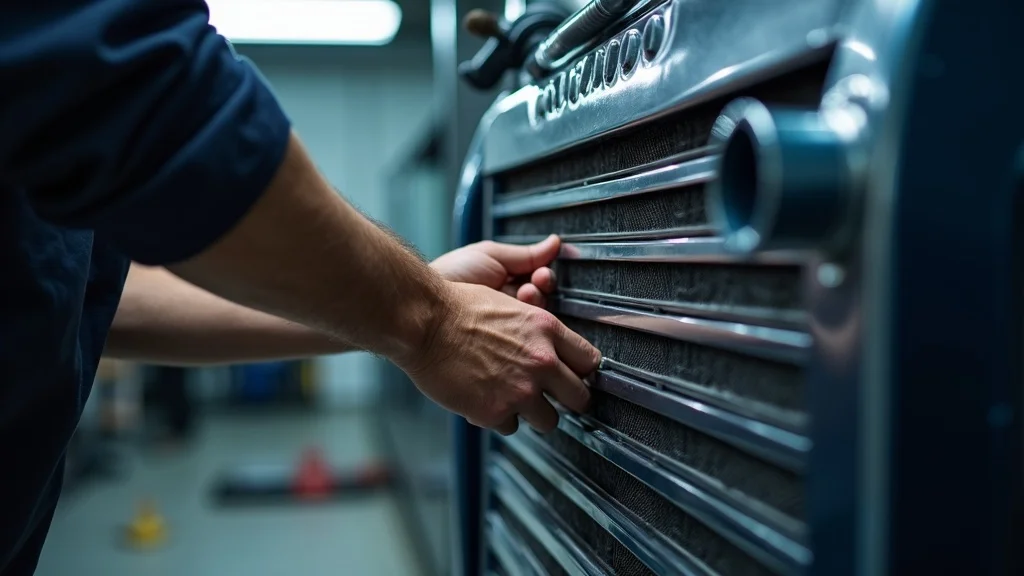
- Effective radiator function: Clean radiator fins regularly, look for corrosion, and ensure no coolant leaks are visible.
- Intercooler maintenance for diesel engines: Clear debris from intercooler fins, inspect turbocharger hoses, and check clamps for tightness.
- Signs your airflow system is compromised: Rising engine temperatures, diminished AC performance, or new whining sounds from the turbo system.
“An efficient cooling system is the diesel engine’s lifeline during severe heat.”
Inspecting Belts and Hoses for Diesel Vehicle Reliability
Belts and hoses are your diesel engine’s support system in the battle against summer heat, ensuring the cooling system stays functional and that power is properly distributed throughout the engine. High heat and constant tension can cause these rubber parts to turn brittle, develop cracks, or even snap without warning. For vehicle owners heading into summer, a thorough inspection is essential—look for visible wear, bubbles, soft spots, or slack. Pay particular attention to serpentine and timing belts, as their failure can lead to immediate engine failure.
Preventing breakdowns in harsh weather conditions means replacing any worn belts or hoses before symptoms appear. Don’t risk your summer plans on a $20 hose; roadside repairs are much costlier and always less convenient than a garage fix.
- How to recognize wear and tear: Check for cracks, glazing, or fraying; squeeze hoses gently to feel for soft or spongy spots.
- Preventing breakdowns in harsh weather conditions: Replace belts and hoses with any sign of damage—don’t wait for a full failure before taking action.
Proactive Replacement Timing for Hot Weather Diesel Engine Care
Replacing belts and hoses proactively is a cornerstone of long-term hot weather diesel engine care. Don’t wait for visible failure; most manufacturers recommend changing these components every 60,000 to 90,000 miles, but local mechanics in Columbia, SC suggest more frequent checks due to the region’s extreme summer heat. Combine scheduled replacements with visual inspections at every oil change to catch small problems before they grow. Your engine will thank you—especially when the next heatwave hits.
Battery Health in Diesel Engines During Hot Weather
Extreme weather conditions don’t just tax your cooling system—they challenge your battery, too. High temperatures can rapidly evaporate battery fluid and accelerate corrosion on terminals, sapping your diesel vehicle’s starting power. Modern diesel engines require robust batteries to crank high-compression motors; if battery health slips, hot weather can easily turn a marginal battery into a dead one overnight.
Regular battery testing—especially before summer peaks—can expose hidden weaknesses. Clean battery terminals and look for swelling, leakage, or weak starts as signs that a replacement may be needed. Preventive battery care is a simple but critical step in keeping your diesel vehicle running smoothly through any heatwave.

- Effects of temperature on starting power: Heat weakens battery chemistry, slashing cold and hot cranking amps and increasing overnight discharges.
- Testing and maintaining battery reliability: Use a digital tester monthly in summer, keep terminals spotless, and replace batteries before they hit three years of service for best results.
Understanding and Preventing Fuel Injection Problems in Diesel Vehicles
Few things can sabotage summer engine performance like neglected injectors—heat accelerates wear, carbon deposits, and injectors’ susceptibility to clogging or seizing. As diesel fuel heats up, it becomes less viscous, sometimes allowing contaminants to bypass the fuel filter and reach the injectors. This is especially problematic in stop-and-go city driving or when hauling loads in high temperature conditions.
Routine use of quality fuel, regular fuel filter changes, and periodic professional injector cleaning can extend injector lifespan. Be alert for symptoms such as rough idling, misfires, or a decline in power—all are signs hot weather may be taking its toll on your fuel injection system.
- How hot weather accelerates injector wear: Increased thermal stress and impurity buildup occur more rapidly than in cooler conditions.
- Protecting diesel engines from injector issues: Use clean, high-quality diesel fuel, add recommended conditioners, and observe strict fuel filter service intervals.
“Neglecting fuel injectors can leave even reliable diesel engines stranded in the heat.”
Practical Steps for Hot Weather Diesel Engine Care Before Your Next Drive
Before every summer drive, run through a quick but thorough pre-trip inspection to catch issues early and guarantee optimal engine performance. This process, while simple, can prevent the most common causes of summer breakdowns. Equip yourself with a checklist, start with a visual scan of the engine bay, and be systematic—checking coolant levels, examining oil and battery, and looking at belts, hoses, and the air filter.
Fast, organized pre-trip inspections become second nature for seasoned owners and fleet managers. Make note of anything unusual—leaks, glowing dashboard lights, off-sounds or smells—and address concerns right away, rather than risking a breakdown on a remote South Carolina highway.

- Pre-trip checklist for diesel vehicles: Review coolant and oil levels, scan belts and hoses, inspect battery terminals, verify air filter cleanliness, and survey for leaks.
- Quick inspection sequence for maximizing engine performance: Under-hood scan first, then check dashboard alerts, and finally confirm tire, brake, and light function for overall road safety.
Expert Advice: Local Diesel Engine Care Tips from Columbia, SC Mechanics
Columbia, SC’s unique summer humidity and sustained high temperatures bring specific challenges for diesel engines. Local mechanics emphasize that heat-related repairs spike sharply from late May through August, making preventive care not just wise, but essential. Small steps—such as parking in shaded areas and doubling up on regular maintenance intervals—can add years to your diesel’s working life. Trusting experienced, local service providers ensures you get the right advice for the region’s demanding climate.
Mechanics here consistently see avoidable overheating, drained batteries, and fuel system failures each summer, reinforcing the message: proactive care is non-negotiable. Booking an early summer inspection from a trusted shop can catch minor issues before they escalate and avert the most common seasonal breakdowns.
- Regional summer weather conditions: Extended stretches of 90°F+ weather and high humidity make local maintenance routines more frequent.
- Diesel engine maintenance considerations for local climate: Double check coolant mixtures, battery charge, and pre-trip inspections before road trips.
- Trusted local service providers: Local mechanics understand Columbia’s climate challenges—schedule service for peak performance during summer.
“Locally, we see a spike in diesel engine repair requests with the onset of Columbia’s summer heat—routine care is non-negotiable.” — Senior Diesel Mechanic, Columbia SC
Seeing maintenance in action helps reinforce best practices. In this visual walkthrough, a professional mechanic shows a step-by-step hot weather inspection of a diesel vehicle. Learn how to check coolant, inspect oil, monitor radiator efficiency, assess battery health, and examine belts and hoses—all with close-up demonstrations and animated overlays. Visual learning drives home the importance of each component in preventing summer failures.
Step-by-step walkthrough of a diesel vehicle pre-summer inspection
The video details each step in preparing your diesel engine for heat: first, inspecting coolant and radiator; next, verifying oil level and type; then checking belts, hoses, and the air filter; followed by testing battery output and examining the fuel system for contamination or water presence. Each move is highlighted to help you form a repeatable routine that will protect your vehicle during the hottest months.
Frequently Asked Questions about Hot Weather Diesel Engine Care
What temperature is too hot for a diesel engine?
Most diesel engines are designed to operate safely up to 210–220°F, but consistent engine temperatures above these thresholds signal potential problems. If your gauge creeps higher, especially in stop-and-go traffic or towing, pull over and let the engine cool. Always check your owner’s manual for specific safe operating limits, and never push your engine temperature into the danger zone during high weather conditions.
- Safe operating thresholds for diesel engines in hot weather conditions: Typical maximum—210–220°F. Consistent excess indicates an urgent need for service.
What’s the worst thing for a diesel engine?
Lack of regular oil changes, neglecting the cooling system, and using contaminated diesel fuel are the most damaging practices—especially during summer. Ignoring engine temperature warnings or running with clogged air filters can rapidly lead to overheating and breakdown. Prevent overheating and engine failure by addressing these risks proactively.
- Biggest risks to diesel engine performance during summer: Insufficient cooling, poor-quality fuel, worn belts/hoses, delayed maintenance intervals, and dirty air filters.
What is the most reliable diesel of all time?
Many experts consider the Cummins 5. 9L diesel—alongside specific Mercedes-Benz and International models—among the most reliable engines ever built. Today, advanced models from Ford Power Stroke, Duramax, and modern Cummins lines offer exceptional lifespan when maintained properly. Always check for proven reliability in your climate and consult Columbia, SC mechanics for their real-world experience with local performance.
- Legacy models & modern reliable diesel vehicles: Classic Cummins and Mercedes models; modern Ford Super Duty and Chevrolet Duramax engines are trusted for longevity.
What kills diesel injectors?
Overheated, contaminated diesel fuel—especially with water or microbial growth—is a primary culprit in injector failures. Skipping fuel filter changes or running low-quality fuel during summer’s high weather conditions opens the door to costly repairs. Protect your injectors with regular system checks, additive use, and immediate attention to rough idling or power loss.
- Common injector failure causes in hot weather and proper care: Water contamination, heat-induced wear, skipped filter changes, or persistent use of low-grade fuels.
Hot Weather Diesel Engine Care Checklist: Key Takeaways
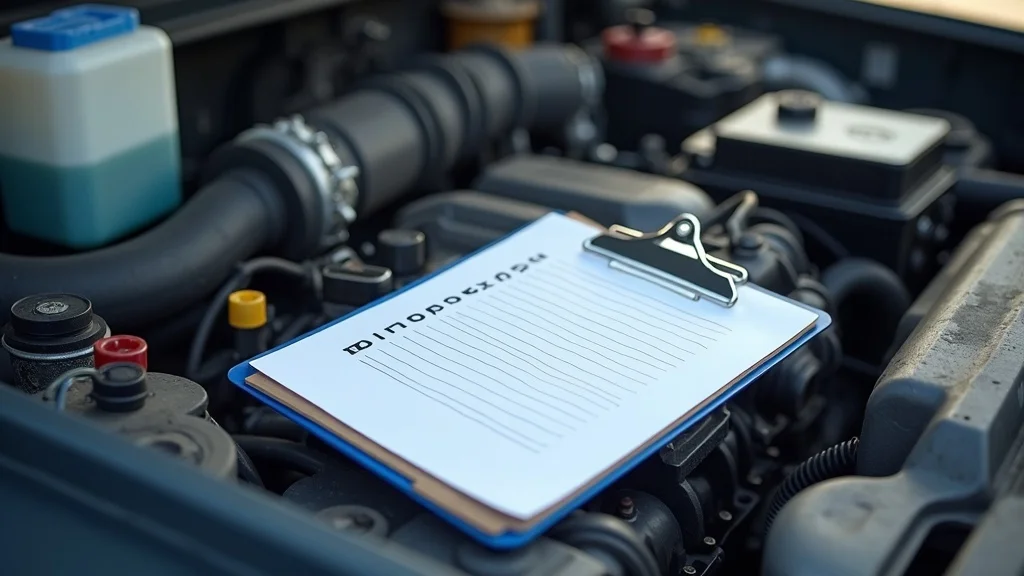
- Consistent coolant checks
- Monitor oil condition
- Inspect belts and hoses regularly
- Stay alert for fuel and injector problems
- Don’t skip battery tests
Ready for Summer? Book Expert Diesel Engine Service
- Stay ahead of the heat—connect with Columbia SC’s trusted Diesel Mechanics today! Diesel Mechanics https://callroad1.com
Conclusion: Consistent, proactive hot weather diesel engine care is your key to a long engine life and trouble-free summer driving in Columbia, SC.
If you’re interested in taking your diesel maintenance knowledge even further, consider exploring the broader landscape of diesel truck repair and service. Discover how comprehensive service strategies, advanced diagnostics, and expert support can help you maximize uptime and extend the life of your diesel vehicle—no matter the season. Dive deeper to unlock the full potential of your engine and ensure you’re always prepared for whatever the road and weather may bring.
Sources
- Popular Mechanics – https://www.popularmechanics.com/cars/how-to/a8689/ten-steps-to-keep-your-diesel-running-forever/
- Diesel Forum – https://www.dieselforum.org/news/diesel-maintenance-tips-for-summer-driving
- Trucking Info – https://www.truckinginfo.com/10161199/keep-on-trucking-5-tips-for-summer-diesel-engine-maintenance
- Cars.com – https://www.cars.com/articles/how-to-prepare-your-diesel-engine-for-summer-weather-1420681118139/
To enhance your understanding of maintaining diesel engines during hot weather, consider exploring the following resources: Summertime Diesel Dos and Don’ts This guide offers practical advice on protecting your diesel engine during summer, including tips on airflow, coolant management, and handling dust. (perkins. com) The Impact of Warmer Weather on Diesel Engines This article discusses how high temperatures affect diesel engine performance and provides solutions to prevent issues like overheating and fuel degradation. (triad-ds. com) If you’re serious about maintaining your diesel engine’s performance during the summer months, these resources will provide you with valuable insights and practical tips.