

Is Your Diesel Engine Cooling System Ready for Summer Heat?
Did you know engine overheating remains one of the leading causes of diesel engine failure each summer—even among new vehicles? As the temperature rises across Columbia, SC, your diesel engine’s reliability is challenged more than ever. Summer heat increases the risk of system failures, costly repairs, and unexpected vehicle downtime. In this detailed guide, we’ll break down everything you need to know about diesel engine cooling system readiness so you can drive with confidence all summer long.
A Startling Look at Diesel Engine Cooling System Performance in Extreme Heat
Did you know that engine overheating remains one of the leading causes of diesel engine failure each summer, even among new vehicles?
High summer temperatures put incredible stress on every diesel engine cooling system. Even with modern engineering, diesel engines are notorious for generating substantial heat—especially during long hauls or in heavy traffic. Whether you operate a fleet or rely on your diesel-powered vehicle every day, understanding how your cooling system copes with Columbia’s harsh summer conditions is crucial.
Overheating isn’t just inconvenient; it’s often a symptom of deeper issues within your engine cooling system. Components must operate in perfect harmony to prevent system failure, avoid warped cylinder heads, and maintain optimal engine cooling. This closer examination of summer-specific challenges—and frequent warning signs—will give you actionable insight into preventing breakdowns and avoiding expensive repairs.
For those interested in a more hands-on approach to keeping their diesel truck in peak condition, exploring comprehensive diesel truck repair and service options can provide valuable guidance on routine maintenance and troubleshooting common cooling system issues.

What You’ll Learn About Diesel Engine Cooling Systems
- How diesel engine cooling systems function under high temperatures
- Key components and their roles in maintaining engine cool
- Best practices for system maintenance to prevent failures
- How to spot warning signs in your cooling system
- Expert recommendations specific to Columbia, SC conditions
The Basics: How Does a Diesel Engine Cooling System Work?
At its core, a diesel engine cooling system is responsible for drawing heat away from vital engine components, keeping operating temperatures within a safe range. Unlike gasoline engines, diesel engines burn fuel at higher compression rates and run hotter, which stresses the importance of robust cooling systems. Components such as the radiator, water pump, thermostats, and cooling fans all play critical roles in continuous heat exchange and in safeguarding your engine from overheating—especially under Columbia, SC’s blazing sun.
The process is straightforward: as your engine runs, coolant circulates through the engine block (also called the water jacket), absorbs excess heat, and carries it to the radiator. Here, the heat dissipates into the air through the radiator fins, aided by the cooling fan. Sophisticated sensors and switches regulate the entire system, ensuring that your engine maintains its optimal operating temperature no matter the summer heat. The effectiveness of your diesel engine cooling system directly impacts performance, emissions, and overall engine life.
Exploring the Main Components of a Diesel Engine Cooling System
The backbone of any engine cooling system is its set of highly specialized and interconnected parts. The radiator is the most visible, handling the lion’s share of cooling by transferring heat from the coolant to the outside air. The coolant reservoir regulates coolant levels, ensuring the system is neither too full nor too empty—both of which can impair cooling efficacy or cause low coolant warnings. The water pump acts as the heart, maintaining steady water flow throughout the engine and radiator. The thermostat ensures the engine warms up quickly and maintains ideal temperatures thereafter.
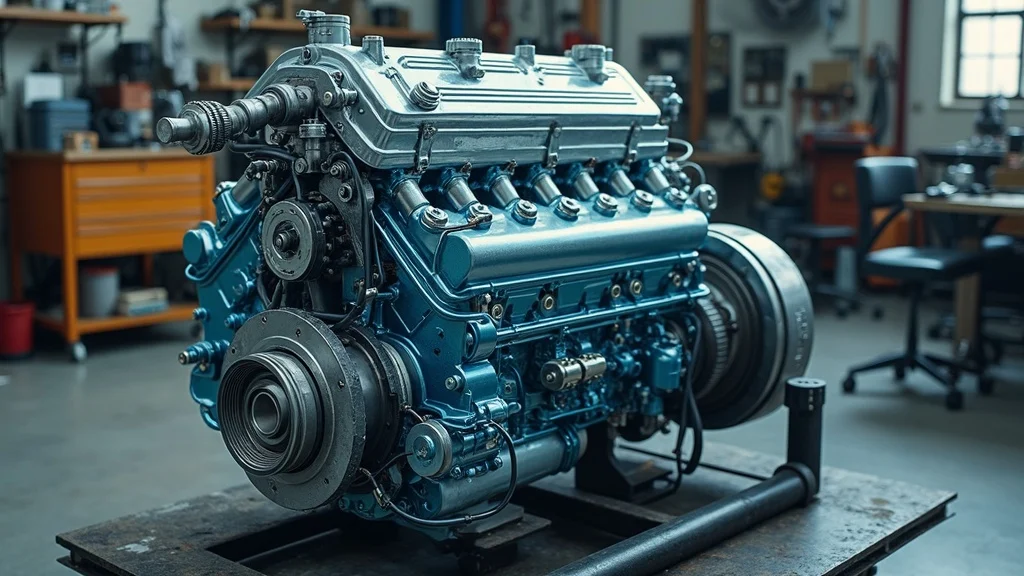
Hoses and belts are essential connectors in the system, moving coolant efficiently and keeping every component working in sync. Regular inspection of these parts for leaks, cracks, or wear can prevent costly system failure. Sensors located in key areas alert you if the coolant level drops or the temperature rises—the first line of defense against engine overheating. With each component working harmoniously, the diesel engine cooling system successfully combats extreme summer heat, especially in harsh climates like Columbia, SC.
Why Engine Cooling Matters for Diesel Engines in Summer
When summer temperatures spike, so does the risk to your engine cooling system. Diesel engines naturally produce higher combustion temperatures, which necessitates a bigger cooling “buffer” than gasoline counterparts. Sustained high heat can cause parts to expand unevenly, warp, or even fail completely—resulting in engine-coolant leaks, reduced performance, and in severe cases, total system failure.
In Columbia, SC, high humidity and heat push these systems to their limits. Persistent exposure to elevated temperatures means your engine cooling system must be in top condition to avoid breakdowns. Well-maintained cooling systems prevent overheating and keep your engine within its safe operating temperature. Without this balance, not only is efficiency lost, but long-term engine damage becomes more likely—a costly consequence that proper system maintenance and summer preparation can help you avoid.
Key Components of Diesel Engine Cooling Systems
Radiators and Coolant Reservoirs: Keeping the Engine Cool
Radiators are at the heart of every diesel engine cooling system. They’re designed with maximum heat transfer in mind, using a network of narrow passages and fins that maximize the coolant-to-air surface area. As coolant flows from the engine, it enters the radiator, where heat dissipates into the surrounding air, aided by a cooling fan. Choosing the right radiator and keeping it in good shape is vital for ensuring your diesel engine stays cool, particularly through South Carolina’s hottest months.
Coolant reservoirs work hand-in-hand with radiators by providing a buffer for expanding and contracting coolant, compensating for changes in temperature and system pressure. Low levels of coolant in the reservoir can signal leaks or evaporation—a frequent summer problem—putting your engine at risk for overheating. Regularly monitoring your coolant level, especially before embarking on long, hot drives, is one of the simplest ways to safeguard against major system failure.
Water Pump and Cooling Fan: Circulating and Dissipating Heat
The water pump is responsible for keeping coolant moving—the engine simply can’t stay cool without it. As soon as your diesel engine fires up, the pump draws coolant from the radiator, forces it through the engine’s internal water jackets, and back again, ensuring continuous water flow. A noisy, leaking, or failing water pump can bring cooling to a halt, risking catastrophic overheating and system damage. Regular checks and timely replacements are especially critical during Columbia’s scorching months.
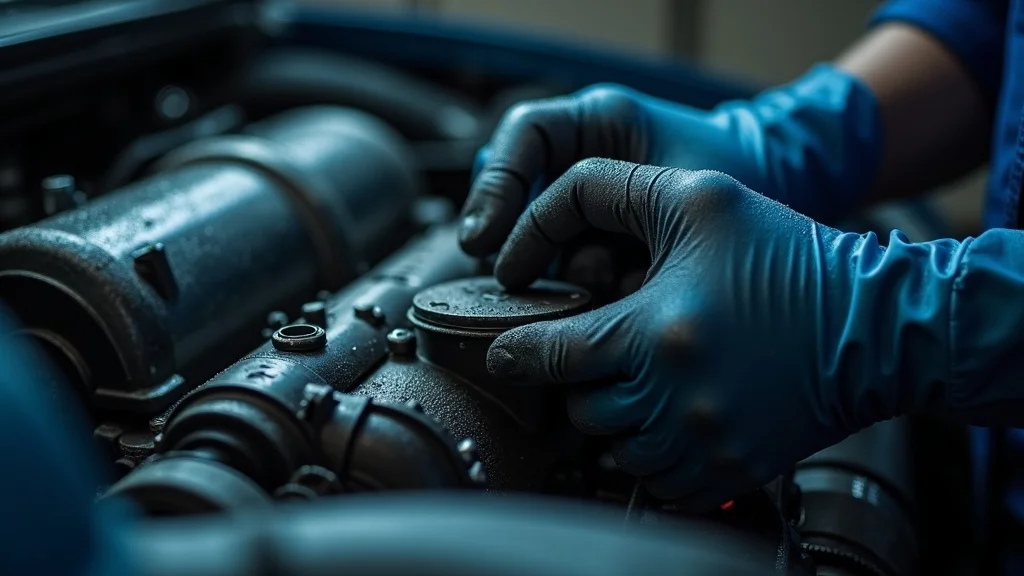
Cooling fans act as the finishing touch of temperature control by pulling (or pushing) air through the radiator, helping dissipate heat more efficiently—especially important when the vehicle is idling, towing, or operating under strain. In high heat, a strong, responsive cooling fan is often what stands between your engine running cool and an unexpected roadside breakdown. Routine inspection and cleaning of the fan blades and motors keep your entire diesel engine cooling system in fighting form.
Thermostats, Hoses, and Belts: Supporting the Engine Cooling System
The thermostat acts as the gatekeeper of engine temperature. It remains closed during start-up, quickly bringing the diesel engine to its optimal operating heat, then opens to allow coolant flow once the engine is warm. A faulty thermostat may stick open (engine runs too cool) or closed (engine overheats quickly), both of which can destabilize your engine cooling system.
Hoses and belts are the lifelines connecting every element in your diesel engine cooling system. They must withstand significant temperature fluctuations, pressure, and vibration—particularly under Columbia’s summer extremes. Even small cracks or worn spots can cause leaks or a drop in coolant level, contributing to system failure or dangerous steam releases. Regularly inspect all hoses and belts, replacing them at the first sign of wear, to maintain continuous cooling system maintenance and avoid prevent overheating incidents.
Common Types of Cooling Systems in Diesel Engines
| Type | How It Works | Pros | Cons | Common Applications |
|---|---|---|---|---|
| Air-Cooled | Uses finned cylinder heads and air flow to remove heat from the engine exterior | Simple design No coolant required Lower maintenance |
Less efficient heat removal Susceptible to ambient temps Louder |
Small engines, generators, motorcycles |
| Liquid-Cooled | Circulates coolant via water pump through engine block, absorbs heat, transfers it to radiator for dissipation | Efficient and precise heat control Quieter operation Performs well in extreme temps |
Requires more maintenance Potential for leaks Needs correct coolant |
Trucks, commercial vehicles, industrial engines |
Signs Your Diesel Engine Cooling System May Be Failing
- Unusual engine temperature readings: Consistently high or fluctuating temperatures indicate a struggling engine cooling system.
- Coolant leaks or loss: Puddles under your truck or a dropping coolant level can signal leaks from hoses, radiator, or the water pump.
- Steam or overheating: Visible steam from under the hood means your diesel engine cooling system is losing coolant or failing to dissipate heat, often caused by a stuck thermostat or faulty cooling fan.
- Noisy water pump or cooling fan operation: Grinding or whining noises may indicate failing bearings, worn belts, or debris preventing efficient heat exchange.
- Discolored or sludgy coolant: Rusty, oily, or gritty coolant suggests internal corrosion or contamination. Flushing is critical to restore optimal cooling.
Cooling System Maintenance: Expert Tips for Diesel Engines
Routine Checks: Protect Your Engine Cooling System
Inspection is the backbone of effective cooling system maintenance. Regularly check coolant levels in both the radiator and reservoir, making sure you’re using the correct coolant mixture—ideally, a blend of antifreeze and distilled water to prevent scale build-up and corrosion. Examine hoses for cracks, leaks, or swelling and inspect belts for fraying or glazing, especially before peak summer temperatures in Columbia, SC.

Don’t forget the radiator cap: a worn or damaged one can lead to pressure loss, improper coolant flow, and greater risk for overheating. Keep the radiator fins clean of bugs or debris using gentle water pressure, and check for white scale or corrosion (signs of leaking or aging radiator). A full system check-up each spring or early summer is a best practice for preventing system failure.
Flushing and Refilling Coolant: When and How
Regular coolant flushes clear contaminants, rust, and old additives from your engine cooling system. For diesel engines, experts advise a full system flush every 24,000 to 36,000 miles or every two years—whichever comes first, but always follow your manufacturer’s guidelines. Neglecting to flush can lead to scale deposits, blockages, and overheating as the coolant’s effectiveness drops over time.
Regular maintenance is the single best way to extend the life of your diesel engine cooling system—especially in the heat of summer.
To flush: let the engine cool, drain the old coolant, flush the system thoroughly with clean distilled water, then refill with the correct coolant blend. Bleed air from the system by running the engine with the radiator cap off until a smooth bubble-free flow is visible. Always check for leaks after servicing before embarking on high-heat journeys in the Southeast.
Cooling System Upgrades for Summer Performance
- Switching to high-performance radiators or cooling fans for faster heat exchange and dissipation
- Using premium coolant that better resists boiling and provides longer-lasting corrosion protection
- Adding coolant additives designed to enhance heat transfer and prevent system failure under extreme loads
Troubleshooting Issues in a Diesel Engine Cooling System
Diagnosing System Failure or Overheating
Diagnosing problems early is key to avoiding major repairs. Common symptoms—like spikes in temperature gauges, visible coolant loss, or unusual noises from the water pump or cooling fan—should never be ignored. If warning lights or dashboard temperature alerts appear, pull over safely and allow the engine to cool before opening the hood or checking fluids. Ignoring the early signs of system failure can result in costly damage to critical engine components.

For most troubleshooting, begin by checking coolant level and inspecting for leaks around the radiator, hoses, and water pump. If the system is frequently losing coolant, there may be an internal leak or head gasket issue. Persistent overheating despite proper coolant and a clean radiator could indicate a blocked system, faulty thermostat, or broken fan. When in doubt, consult a certified diesel technician to avoid further system maintenance headaches.
When to Seek a Diesel Mechanic in Columbia, SC
Your vehicle’s diesel engine cooling system is designed to self-protect when faced with minor heat surges. However, recurring overheating, coolant stains in unusual places, or unexplained temperature spikes are clear signals to seek professional assessment—especially before South Carolina’s summer gets into full swing. Columbia’s top diesel repair specialists possess diagnostic tools and region-specific expertise to quickly get your rig back on the road, minimizing downtime.
Certified diesel mechanics will not only address immediate concerns but can spot patterns based on local climate, road types, and typical commute stresses that increase the risk of system failure or engine cool struggles. Don’t risk your livelihood or schedule—if you’re ever in doubt, a pro inspection is just a call away.
Special Considerations: Operating Diesel Engines in Columbia, SC’s Summer Climate
Local Insights: Why Cooling System Maintenance Is Crucial in the Southeast
Columbia’s high humidity and heat mean your diesel engine cooling system needs extra attention, even for short trips.
Summer in Columbia, SC, combines relentless sun with sticky humidity, creating a perfect storm for engine cooling system challenges. Local conditions mean there’s less margin for error—a small leak, a low coolant level, or a clogged radiator core can snowball into rapid overheating. Unlike arid climates, the humid air here absorbs less radiant heat, putting more pressure on every aspect of your cooling system to perform flawlessly.
Regular checks are even more critical in these conditions, as factors such as stop-and-go traffic, heavy payloads, and city driving can all elevate internal engine temps. Smart system maintenance—especially pre-summer inspections—can spell the difference between peak performance and major system failure. For Columbia drivers, this means prioritizing cooling system maintenance just as highly as oil changes and other routine vehicle care.
Case Study: Preventing Engine Cool System Failure—A Columbia, SC Diesel Repair Success Story

Recently, a Columbia-based logistics firm was facing repeated engine overheating with several diesel trucks. Despite regular coolant top-offs, temperature warnings persisted. A trusted local diesel repair team diagnosed multiple minor issues: aging belts, a failing thermostat, and a partially clogged radiator. After replacing affected parts and performing a complete coolant flush, the vehicles ran cooler across the summer, with no further warnings or downtime—saving thousands on engine repairs. The difference? Proactive system maintenance and expert intervention, tailored for South Carolina’s unique summer struggles.
People Also Ask About Diesel Engine Cooling Systems
How does a diesel engine cooling system work?
A diesel engine cooling system works by circulating coolant through a network of passages in the engine block (the water jacket) using a water pump. The coolant absorbs heat from the engine, then passes through the radiator, where a cooling fan helps dissipate that heat into the air. As temperatures rise, the thermostat ensures the coolant flows at the right time to keep everything operating smoothly and reliably—even under summer heat.
Which car brand has the best diesel engine?
“Best” can depend on application—commercial trucks vs. personal vehicles—but globally respected brands for diesel reliability include Cummins, Ford (Power Stroke), GM (Duramax), and Dodge (Ram). Each combines robust diesel engine design, advanced cooling systems, and long-term system maintenance support. For Columbia, SC drivers, local service availability is just as important as brand reputation when choosing a diesel engine platform.
Which engine is cheaper to maintain?
Generally, gasoline engines are cheaper to maintain day-to-day than diesel engines due to fewer emissions devices and simpler mechanics. However, with proper diesel engine cooling system care, modern diesel engines can run longer between major repairs and may yield better fuel economy—especially for vehicles used in hauling or towing. Routine system maintenance is crucial to keep costs predictable and avoid expensive mid-summer breakdowns.
What are the types of cooling system in diesel engine?
The two primary types of diesel engine cooling systems are air-cooled and liquid-cooled (often called water cooled). Air-cooled engines use fins to pull heat away, while liquid-cooled systems rely on coolant, radiators, and water pumps for more effective temperature control. Most modern trucks and commercial vehicles use advanced liquid-cooled systems to handle high-compression and high-heat loads, especially in extreme climates like Columbia, SC.
Watch this in-depth demonstration of a professional cooling system inspection in a diesel service bay, covering coolant checks, radiator and fan assessments, and key safety tips.
Learn step-by-step how to flush, refill, and maintain your diesel engine cooling system for summer.
Frequently Asked Questions About Diesel Engine Cooling Systems
- What maintenance tasks can I perform myself on my diesel engine cooling system?
You can regularly check coolant levels, inspect hoses and belts for leaks or wear, keep the radiator clean, and ensure your thermostat and radiator cap are functioning. Always let the engine cool before opening any pressurized components. - How often should coolant be replaced in a diesel engine cooling system?
Typically every two years or every 24,000 to 36,000 miles, but always check your manufacturer’s guidelines. Replace coolant sooner if you notice rust, oil contamination, or sludginess. - Can a malfunctioning cooling fan lead to engine overheating?
Yes. Without effective cooling fan operation, heat won’t dissipate fast enough from the radiator, especially at low speeds or when idling, leading to quick temperature rises and possible system failure. - What are the first signs of cooling system failure in diesel engines?
Warning lights, high temperature readings, visible coolant leaks under the vehicle, unexplained coolant loss, or noisy water pump and fans are early warning signs. Prompt attention is key to avoiding bigger repairs. - Are cooling system additives worth using in hot climates?
In Columbia, SC’s hot summers, specialty additives can help boost corrosion protection and heat-transfer capacity for diesel engines. Always use products approved for your vehicle’s make and model.
Key Takeaways: Protect Your Diesel Engine Cooling System This Summer
- Consistent cooling system maintenance is essential for diesel vehicle longevity
- Watch for signs of engine cool system trouble before summer peaks
- Consult Columbia, SC’s trusted diesel mechanics for expert assessment
Need Diesel Engine Cooling System Help in Columbia, SC?
If you’re concerned about your diesel engine cooling system, don’t wait for summer to take its toll. Contact experienced diesel mechanics in Columbia, SC today for a thorough inspection, maintenance, and any upgrades—keeping your vehicle reliably cool all season long!
Conclusion
Proactive cooling system maintenance is the proven way to outsmart Columbia’s heat, prevent breakdowns, and keep your diesel engine running strong for miles to come.
If you’re ready to take your diesel maintenance strategy to the next level, consider exploring the full spectrum of diesel truck repair and service solutions available in Columbia, SC. From advanced diagnostics to preventive care, these services can help you stay ahead of seasonal challenges and maximize your vehicle’s reliability. Whether you manage a fleet or depend on a single truck, investing in expert support ensures you’re prepared for whatever the summer brings. Discover how a comprehensive approach to diesel care can keep you moving confidently, no matter how high the temperatures climb.
Sources
- National Academies Press – Diesel Engine Cooling Systems Explained
- Popular Mechanics – Cooling System Maintenance
- Trucking Info – Heavy Duty Diesel Cooling Systems
- Diesel Mechanics Columbia, SC – Road-1 Diesel Services
To enhance your understanding of diesel engine cooling systems, consider exploring the following resources: “Diesel Engine Cooling System Structure and Maintenance”: This article provides an in-depth look at the components and maintenance practices essential for optimal cooling system performance. (dieselgeneratortech. com) “How a Diesel Engine Cooling System Works”: This resource explains the operational principles of diesel engine cooling systems, detailing how they manage heat to prevent engine overheating. (engineerfix. com) For a visual explanation, you might find the following video helpful: Diesel Engines 101: How The Engine Cooling System Operates These resources offer comprehensive insights into the structure, function, and maintenance of diesel engine cooling systems, aiding in the prevention of overheating and ensuring efficient engine operation.