
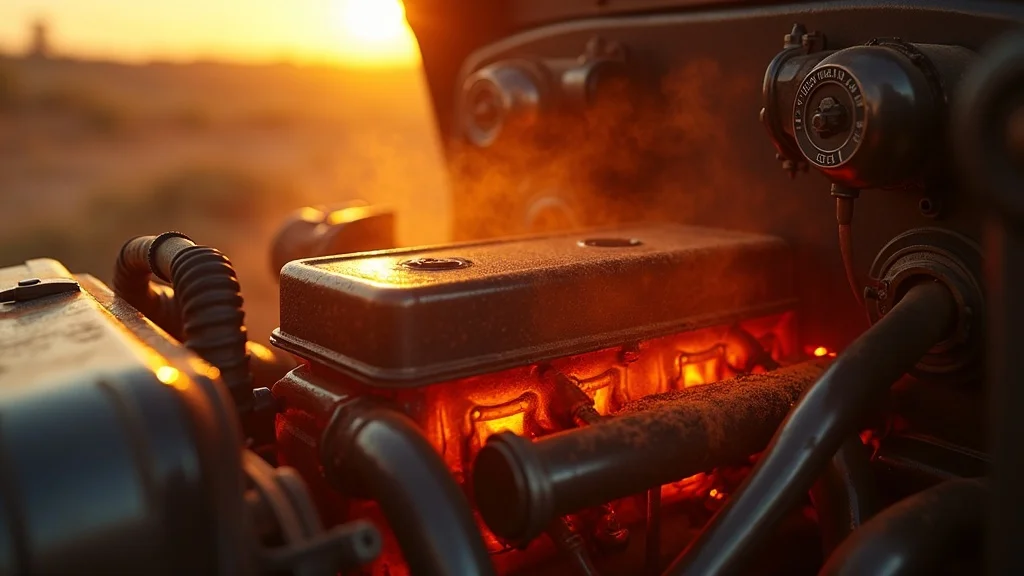
Boost Diesel Engine Performance in Summer Before It’s Too Late
Did you know poor summer maintenance dramatically increases the risk of costly diesel truck engine failures—sometimes in just a single week of extreme heat? Hot weather isn’t just uncomfortable for drivers, it’s a true test of diesel engine performance in summer. Without the right care, high temperatures can wreak havoc on your truck’s engine, fuel system, and reliability, leaving you stranded and burning through fuel! This guide reveals how to stay ahead of summer stress, maximize fuel efficiency, and keep your diesel running strong—before rising temps lead to breakdowns.
Why Diesel Engine Performance in Summer Matters More Than You Think
As temperatures soar across Columbia SC and beyond, diesel engine performance in summer becomes a critical concern for owners, fleet managers, and anyone relying on diesel trucks. Engines that seem to run flawlessly in spring can quickly falter when exposed to high temperatures, leading to potential reductions in fuel economy, increased vapor lock risks, and even unexpected downtime. Proactive maintenance strategies become not just a recommendation, but a requirement to sustain top condition and minimize disruptions through the summer months.
Diesel engines are built sturdy, but summer stress can test their limits. Everything from overheating to fuel blend issues can result in reduced engine performance when you need reliability the most. Ignoring early warning signs such as reduced engine power, odd noises, or warning lights doesn’t just threaten your bottom line—it puts your entire operation at risk. That’s why addressing summer-specific challenges isn’t just smart—it’s essential for anyone serious about keeping their diesel truck or fleet running economically and reliably.
“Many owners underestimate the impact of hot weather on diesel engines. Proactive summer maintenance is the foundation for reliability and fuel efficiency.” – Certified Diesel Technician, Columbia SC
What You’ll Learn About Diesel Engine Performance in Summer
- Understand the risks summer poses to diesel engines
- Explore maintenance steps to maximize engine performance in hot weather
- Learn the impact of fuel blends and seasonal fuel quality
- Identify signs of trouble and how to prevent vapor lock
The Real Impact of Hot Weather on Diesel Engines
How High Temperatures Challenge Diesel Engine Performance
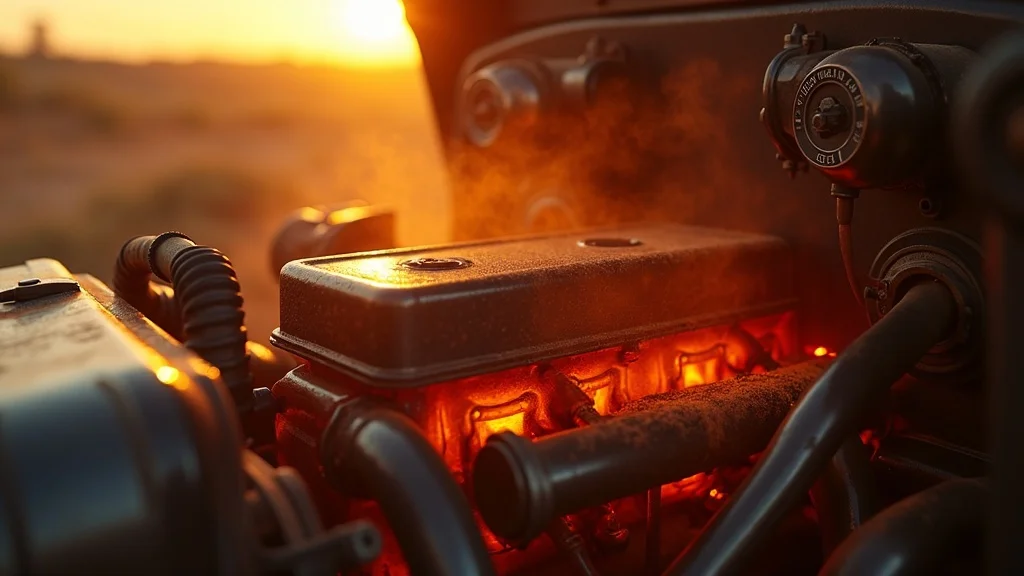
During the summer months, high temperatures place unique stress on diesel engines. As the mercury climbs, engine components such as gaskets, hoses, and seals expand, making them more susceptible to leaks and failures. Prolonged exposure to heat accelerates the breakdown of lubricants, which in turn compromises the protection of vital moving parts and can hasten engine wear.
The risk of heat stress leading to common failures in diesel engines increases with summer’s intensity. Overheated coolant may not sufficiently cool the engine, leading to hot spots or warped components. Fuel tanks and lines can also suffer from expansion and increased pressure, heightening the chances of fuel leaks. For diesel trucks operating in the busy roads of Columbia SC, a overheating or fuel system issue mid-route is more than an inconvenience—it’s a hazard. That’s why understanding the impact of summer heat lays the groundwork for effective maintenance and operation.
- Heat stress and its effect on engine components
- Common failures in diesel engines during summer
Signs Your Diesel Engine Performance in Summer Is at Risk
Even well-maintained diesel engines can exhibit warning signs when summer heat starts to take its toll. A noticeable drop in power, sluggish acceleration, and longer crank times may indicate your engine is struggling against thermal stress. Other flags include unexplained warning lights, higher than normal coolant temperatures, or hearing abnormal knocking, ticking, or hissing noises—all of which could point to heat-related issues.
It’s vital to address these early symptoms before they escalate to breakdowns or permanent engine damage. Persistent reduced engine power should prompt immediate inspection of the cooling system and fuel blend being used. Similarly, warning lights and odd noises could signal anything from vapor lock in the fuel lines to a failing air filter choked by dust—a particular concern during Columbia’s dusty summer months. Spotting and repairing these issues promptly is the mark of responsible ownership, and the key to ensuring lasting engine performance in the toughest conditions.
- Reduced engine power
- Warning lights and abnormal noises
For those looking to dive deeper into practical troubleshooting and repair strategies, exploring a comprehensive diesel truck repair and service guide can provide step-by-step solutions for common summer engine issues and help you stay ahead of unexpected breakdowns.
Understanding Seasonal Fuel and Fuel Blends for Diesel Engine Performance in Summer
How Seasonal Fuel Blends Affect Engine Performance

Not all diesel fuel is created equal—and seasonal fuel blends play a decisive role in engine performance during summer. Refineries produce distinct summer and winter blends designed for optimal operation in different temperature ranges. Summer blends are typically more stable due to their lower volatility, reducing the risk of vapor lock and excessive evaporation, which are more pronounced in hot weather. Conversely, winter blends include additives to prevent fuel from gelling, which are unnecessary—and sometimes problematic—in warmer months.
The correct fuel blend directly influences a diesel engine’s power output and efficiency. Using a winter blend during summer could lead to reduced fuel economy and even compromised engine run reliability. For diesel truck operators, making sure the right blend is in the fuel tank is a simple step that guards against driveability issues, fuel degradation, and costly repairs down the line. Understanding this difference means smoother starts, less risk of vapor lock, and a measurable improvement in fuel efficiency throughout a long, hot Columbia SC summer.
- Differences between summer and winter blends
- How fuel efficiency changes in summer
Why Fuel Quality and Proper Fuel System Maintenance Are Critical
Fuel quality matters year-round, but summer heat amplifies the significance of using clean, high-quality diesel and regular fuel system inspections. Hot weather accelerates the degradation of diesel fuel, leading to microbial growth, sediment formation, and clogged fuel filters that strangle engine performance. This means even the best-maintained diesel engines can be brought down quickly by poor fuel quality or skipped maintenance in the summer heat.
To counteract these effects, maintain proper filter change intervals and conduct frequent fuel system inspections—especially after refueling from unfamiliar locations or during extended periods of high heat. Check fuel filters for signs of clogging, and if possible, use advanced diagnostics to spot issues before they shut you down. A fuel blend that’s appropriate for your climate, paired with diligent filter upkeep, will help safeguard against common issues like vapor lock and fuel economy dips that plague diesel trucks during summer. Never underestimate the compounding nature of small, neglected fuel system issues—they often lead to expensive repairs if left unchecked.
- Preventing fuel degradation in hot weather
- Fuel filter and system inspections
| Feature | Summer Diesel Fuel Blend | Winter Diesel Fuel Blend | Effect on Engine Performance |
|---|---|---|---|
| Volatility | Lower (resists evaporation, safer in heat) | Higher (prevents gelling in cold) | Summer blends reduce vapor lock; winter blends may cause issues if used in summer |
| Additives | Oxidation stabilizers, anti-corrosion | Anti-gel, deicer | Improper additives could lower fuel efficiency and harm engine run |
| Fuel Efficiency | Optimized for hot weather | Lower in summer due to less suitable formulation | Choosing the right seasonal fuel directly improves performance and economy |
Essential Summer Maintenance Tips for Diesel Engines
Cooling System Checks to Enhance Diesel Engine Performance in Summer

The cooling system is the undisputed backbone of diesel engine longevity during summer. Start by checking coolant levels and ensuring the fluid’s condition matches manufacturer specs—old coolant loses effectiveness, compromising engine protection. Regular coolant flushes (as scheduled by your vehicle manual) are crucial to preventing corrosion and maintaining optimal heat dissipation.
Inspect the thermostat and radiator for blockages, leaks, or signs of wear. Ensure that the radiator cap seals tightly and hoses don’t appear brittle or swollen. Remember, proper cooling system maintenance not only prevents engine overheating but also helps maintain ideal engine temperature, which preserves fuel efficiency and performance during the harshest summer heat. With temperatures regularly topping 90°F in Columbia SC, skimping on these checks is a shortcut to expensive engine repairs.
- Inspect coolant levels and flush schedule
- Thermostat and radiator condition
The Role of Air Filter, Fuel Filter, and Oil Changes in Hot Weather
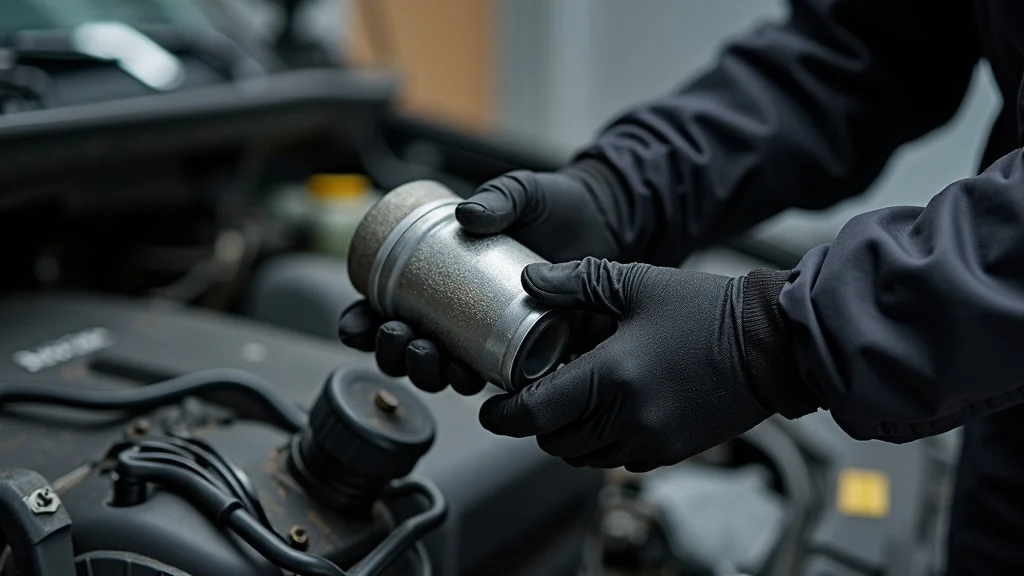
In the dusty summer months, routine air filter replacement is a must. A clogged air filter starves your diesel engine of clean air, lowering engine run quality and inviting higher emissions. For optimal air flow and peak engine performance, check your air filter at every oil change, and consider swapping it sooner if your routes are especially dirty or off-road.
The fuel filter is equally important. As fuel tanks heat up and cool overnight, condensation can spur microbial growth and sediment buildup. Replace fuel filters per the schedule in your manual or more frequently if you suspect dirty fuel. Don’t overlook regular oil and filter changes either—fresh oil combats high-temperature breakdown, providing a layer of protection against engine wear. Following these maintenance basics is a simple but powerful way to protect your diesel truck throughout the summer, keeping it in top condition and supporting fuel efficiency as the weather heats up.
- Air filter maintenance for optimal airflow
- Importance of regular oil and filter changes for engine protection
Preventing and Managing Vapor Lock in Diesel Engines
Vapor lock is a rare but serious enemy for diesel engine performance in summer. It occurs when excessive heat causes fuel to vaporize in the lines before it reaches the combustion chamber—leading to hard starts, rough engine run, or outright stalling. Diesel fuel is less volatile than gasoline, but modern diesel engines with low-pressure circuits or returnless systems are not immune, especially during stop-and-go driving in Columbia SC’s intense summer heat.
Prevent vapor lock by using recommended summer fuel blends, keeping the fuel tank at least half full (which reduces temperature fluctuations), parking in the shade, and avoiding long idling periods. If you do encounter vapor lock, shut down the engine and let it cool. Regularly inspect fuel lines for cracks or routing near hot engine components—consider heat shields if vapor lock becomes a recurring issue. These steps keep your diesel engine running smoothly and help you sidestep costly summer breakdowns.
- How vapor lock happens in diesel trucks during summer
- Step-by-step prevention tips
Proven Ways to Increase Diesel Engine Performance in Summer
Optimizing Fuel Efficiency and Engine Longevity
Maximizing fuel efficiency and engine longevity during summer starts with maintaining ideal engine temperature. This is best accomplished through disciplined maintenance of your cooling system, fuel system, and air filtration. Using summer-specific fuel blends and adding reputable fuel additives can enhance combustion, prevent oxidation, and keep internal components clean.
Consistently using high-quality diesel and following the manufacturer’s recommendations for oil type and change intervals help the engine withstand Columbia SC’s notorious heat. Monitoring oil pressure, coolant levels, and air intake regularly will also alert you to subtle signs of trouble before they escalate. These simple but effective habits give your diesel truck or fleet the edge it needs to remain reliable and efficient all season long.
- Maintaining ideal engine temperature
- Using recommended additive blends in summer
Best Practices for Diesel Truck Owners in Hot Weather

Smart diesel truck owners adopt a series of practical habits to shield their vehicles from summer stress. Minimize idling during hot weather—idling creates heat buildup without efficient cooling circulation. When stopping for extended periods, opt for parking spots in the shade or use sunshades to reduce under-hood temperatures. These actions decrease the risk of vapor lock and save energy on the next start.
Another best practice is to inspect belts and hoses for cracks or soft spots, and to clean the grille and radiator fins regularly for improved airflow. Summer driving in congested traffic may demand shorter intervals between maintenance checks, with attention to common problem areas like the fuel tank and air filter. Following these field-tested strategies means fewer breakdowns and smoother engine performance—preserving both uptime and peace of mind.
- Driving and idling tips for summer
- Parking strategy to minimize heat stress
“Attention to seasonal maintenance details transforms diesel engine performance in summer and prevents costly repairs.” – Shop Foreman, Columbia SC
People Also Ask: Diesel Engine Performance in Summer
How hot is too hot for a diesel engine?
Most modern diesel engines are engineered to safely operate within a coolant temperature range of 180°F to 210°F (82°C to 99°C). Consistent readings above 220°F (104°C) can lead to overheating and increased risk of permanent engine damage, especially during summer months in hot climates like Columbia SC. High temperatures increase pressure within the cooling and fuel systems, so it’s crucial to monitor gauges and address any sudden spikes immediately to prevent catastrophic failures.
- Explaining safe operating temperature ranges for diesel engines in summer climates
Do diesels get better MPG in summer?
Many diesel truck owners notice slight improvements in fuel efficiency during summer. Warmer temperatures create less air resistance, and summer fuel blends are formulated for optimal combustion. However, dense, humid air can offset these gains by making engines work harder. In general, keep tabs on fuel economy and watch for reduced fuel mileage as a sign you might need to check filters or fuel quality, especially if operating under heavier loads or in high humidity.
- Seasonal fuel, air density, and engine efficiency breakdown
Is DEF going away for diesels?
As of now, Diesel Exhaust Fluid (DEF) is still required for modern emissions systems and shows no signs of immediate phase-out. Regulatory trends indicate continued use of DEF due to its role in reducing emissions and meeting state and federal guidelines, especially for commercial fleets. Keeping your DEF tank filled and the system well-maintained remains key for compliance and avoiding warning lights.
- Future outlook of Diesel Exhaust Fluid (DEF) and regulatory trends
What’s the worst thing for a diesel engine?
The quickest way to degrade diesel engine performance is to neglect maintenance—skipping oil changes, ignoring coolant flushes, or running on old fuel blends. Letting filters clog or ignoring abnormal engine noises in hot weather can lead to catastrophic, expensive failures. Routine inspections and proactive summer care ensure your diesel engine remains reliable, fuel efficient, and free from sudden breakdowns that can disrupt your business or travel plans.
- Common maintenance mistakes that quickly degrade diesel engine performance
Frequently Asked Questions About Diesel Engine Performance in Summer
- How can I improve my diesel truck’s performance specifically for summer?
Focus on cooling system inspection, use summer-approved fuel blends, keep filters fresh, and avoid letting your fuel tank run low. Parking in the shade and limiting idle time are also effective. - Are certain diesel engines more prone to summer-related issues?
Yes, older engines or those with outdated cooling systems are often more vulnerable. High-mileage diesel engines should receive extra attention and frequent checks, especially during heatwaves. - Can fuel additives really make a difference in hot weather?
Absolutely. High-quality additives stabilise fuel against oxidation and help prevent issues like vapor lock and injector fouling, common in summer conditions. Always use products recommended by your engine manufacturer or a trusted mechanic. - Should I change my maintenance schedule for summer?
Yes. Increase the frequency of coolant, air filter, fuel filter, and oil checks between April and September, especially if your diesel truck operates in extreme or dusty environments. A proactive schedule is the best defense against breakdowns.

Key Takeaways for Maximizing Diesel Engine Performance in Summer
- Routine summer maintenance safeguards your diesel truck
- Fuel blends and vapor lock must be addressed proactively
- Professional support ensures reliable diesel engine performance in summer
For Diesel Engine Performance in Summer, Trust Local Experts
- Contact your local Columbia SC diesel mechanics for a comprehensive summer checkup: Diesel Mechanics https://callroad1.com
Conclusion: Start now—prioritize diesel engine performance in summer and trust your local Columbia SC experts to keep your truck on the road, running strong, season after season.
If you’re ready to take your diesel maintenance to the next level or want to explore broader strategies for year-round reliability, our in-depth resource on diesel truck repair and service offers expert advice, advanced diagnostics, and proven solutions tailored for both summer and beyond. Discover how a proactive approach can extend your engine’s life, reduce downtime, and keep your fleet operating at peak performance—no matter the season.
Sources
- Call Road 1 Diesel Mechanics – https://callroad1.com
- Cummins – Diesel Engine Summer Maintenance Guide – https://www.cummins.com/news/2023/diesel-engine-summer-maintenance-guide
- FleetOwner – Diesel Engine Maintenance in Hot Weather – https://www.fleetowner.com/equipment/maintenance/article/21183105/diesel-engine-maintenance-in-hot-weather
- TruckinInfo – Summer Diesel Maintenance Tips – https://www.truckinginfo.com/340727/summer-diesel-maintenance-tips
- Delo – Diesel Engine Summer Maintenance – https://www.delo.com/learn/diesel-engine-maintenance/summer-maintenance
To further enhance your understanding of maintaining diesel engine performance during summer, consider exploring the following resources: Summertime Diesel Do’s and Don’ts: This guide from Perkins offers practical advice on protecting your diesel engine in hot weather, covering topics like airflow management, coolant checks, and fuel quality. (perkins. com) Cat® Engine Summer Maintenance Tips: Caterpillar provides maintenance strategies to keep your diesel engine running smoothly during the summer months, emphasizing the importance of regular inspections and proper fluid management. (cat. com) These resources offer valuable insights to help you maintain optimal diesel engine performance throughout the summer season.