
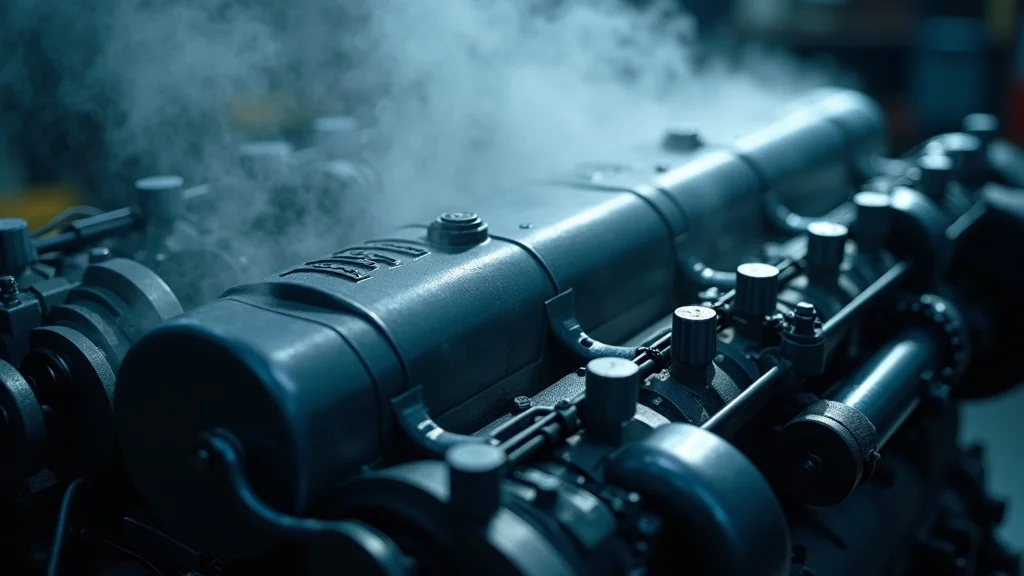
Prevent Diesel Engine Overheating with These Easy Fixes
Did you know diesel engines can lose up to 20% of their expected lifespan if overheating isn’t quickly addressed? For heavy-duty vehicles, the risk multiplies under South Carolina’s sweltering summer sun. Prevent diesel engine overheating is not only about avoiding breakdowns but also saving on potentially overwhelming repair costs. This educational guide is packed with practical tips, step-by-step solutions, and expert maintenance advice tailored for diesel owners in Columbia, SC. Read on for proven fixes you can use right away to keep your engine cool and healthy for the long haul.
Why Preventing Diesel Engine Overheating Matters
The importance of preventing diesel engine overheating goes far beyond mere inconvenience. Overheated engines can cause a domino effect of mechanical issues, from blown cylinder head gaskets to warped blocks, leading to weeks of downtime and costly repairs. Diesel engines are engineered to manage heavy loads and perform efficiently for extended periods, but any disruption in the cooling system—like a coolant leak, blocked radiator, or failing water pump—raises the risk of a catastrophic breakdown, especially during long hauls or local delivery routes in Columbia’s often unforgiving climate.
Ignoring the early signs of an overheating diesel engine—such as a rising temperature gauge, loss of power, or visible steam—can lead to permanent engine damage. Preventive actions, like regular maintenance and prompt response to warning indicators, extend the life expectancy of your diesel engine and ensure safer operation while hauling those heavy loads. Columbia, SC drivers need to prioritize these steps, given both the workload and seasonal heat stress their diesel vehicles typically face.
“A well-maintained cooling system is the backbone of every reliable diesel engine.” — Local Diesel Expert
What You’ll Learn: Key Principles to Prevent Diesel Engine Overheating
- Top signs and causes of overheating diesel engines
- Step-by-step fixes for diesel engine overheating
- Expert diesel engine maintenance tips for Columbia, SC drivers
- How proper cooling system care prevents engine overheating
Startling Facts About Diesel Engine Overheating
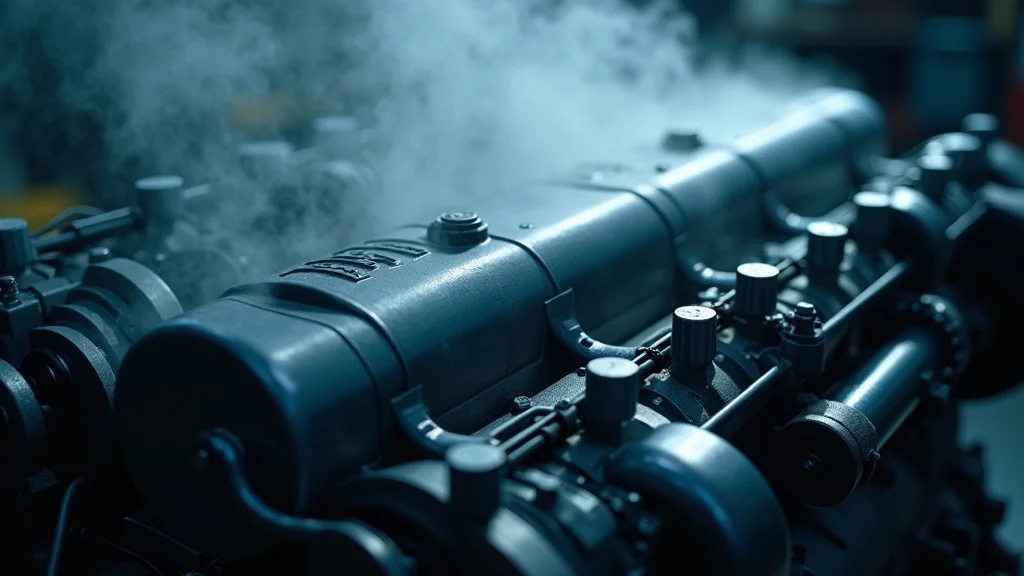
Statistics show a significant rise in diesel engine overheating incidents during peak summer months, particularly in regions like Columbia, SC. Diesel vehicle owners often underestimate how quickly a coolant leak or a failing water pump can elevate engine temperature, causing a rapid transition from minor inconvenience to full-blown mechanical crisis. Sources indicate that routine neglect of the cooling system is among the common reasons diesel drivers experience sudden breakdowns, with coolant temperature spikes one of the earliest warning signs for an overheating issue.
An overlooked air filter or radiator blockage is more than just a maintenance nuisance—it can reduce airflow, impair engine performance, and unleash excess heat that your diesel engine is ill-equipped to handle. Recognizing these problems early and addressing them through a structured maintenance plan is crucial for cost-conscious drivers, especially when balancing demanding work schedules and prolonged heavy load hauls.
For a deeper dive into the most frequent causes of diesel engine overheating and how to troubleshoot them, you may find it helpful to review the comprehensive resources available on diesel truck repair and service best practices. These insights can further guide your maintenance approach and help you address issues before they escalate.
Understanding the Risks: Overheating Diesel Engine and Costly Repairs
A single episode of engine overheating can mean the difference between a minor fix and total engine replacement. Diesel engine overheating is commonly linked to simple, preventable issues: low coolant levels, vulnerable hoses prone to a coolant leak, or a faulty water pump struggling to circulate coolant through the engine. For many Columbia, SC drivers, the result is unexpected downtime and the potential for permanent engine damage, especially if prolonged overheating leads to a warped cylinder head or cracked block. In addition to the inconvenience, the cost of deferred maintenance can easily exceed that of regular diagnostic checks and simple part replacements.
Understanding these risk factors is vital for any diesel vehicle owner wanting to avoid steep repairs and unnecessary breakdowns. By being proactive—checking the radiator, replacing the air filter, and inspecting for leaks—you can safeguard your diesel engine against the kind of overheating issue that’s not only expensive but disruptive to your daily operations.
| Common Cause | Signs | Potential Fix |
|---|---|---|
| Low Coolant Levels | High engine temperature, warning lights | Refill coolant, check for coolant leak |
| Faulty Water Pump | Noisy pump, temperature spikes | Replace water pump |
| Clogged Air Filter | Reduced power, black smoke | Replace air filter |
| Radiator Issues | Coolant puddles, rising temps | Repair or replace radiator |
Recognizing Engine Overheating: Warning Signs in Diesel Engines
Recognizing early warning signs of diesel engine overheating is essential. Modern diesel engines are fitted with advanced sensors and dashboard alerts, which offer immediate feedback on engine temperature and potential cooling system irregularities. When your vehicle displays an engine temperature warning light or you notice a sudden drop in engine performance, these should never be ignored—especially in workhorse vehicles operating in Columbia’s varied conditions. Being vigilant ensures that minor problems like a low coolant level or a failing air filter don’t spiral into major, wallet-draining repair jobs.
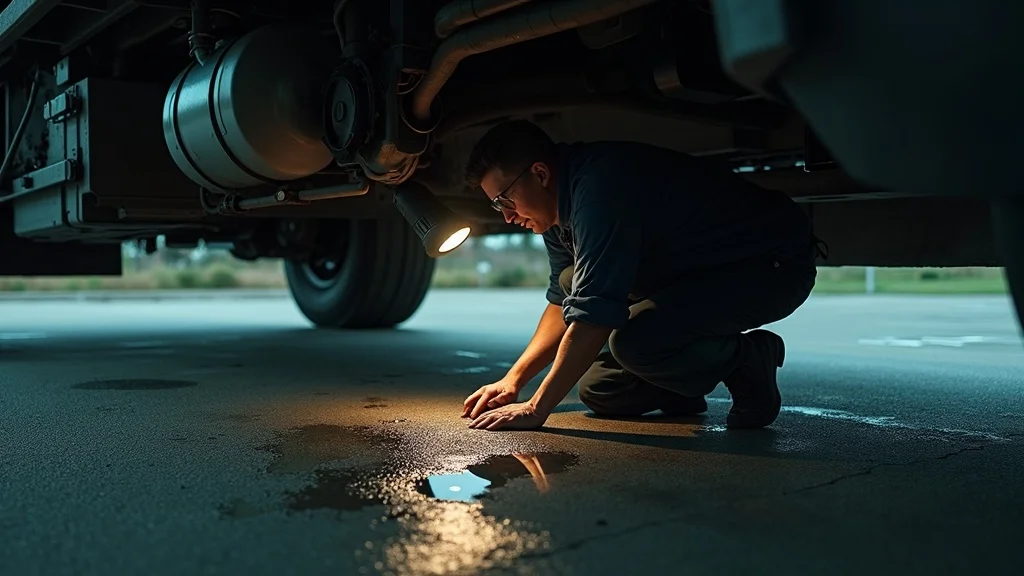
Be attentive to secondary signs, such as coolant leaks under the vehicle, visible steam from the engine bay, or unusual chemical smells while running the engine. These indicators, if quickly addressed, can prevent the escalation from a manageable overheating issue to a full-blown engine failure. Early detection and action are key elements in safeguarding your diesel investment and keeping it road-ready for any assignment.
Dashboard Alerts and Symptoms of Diesel Engine Overheating
When an engine is overheating, your dashboard is likely to deliver immediate alerts. Drivers of diesel vehicles must pay close attention to the engine temperature warning light, which signals rising coolant temperature and insufficient heat dissipation within the cooling system. Accompanying symptoms, such as a sudden loss of power, are clear signs that your diesel engine needs prompt intervention. Coolant leak detection under the car and the presence of steam or unusual odors not only confirm an overheating issue but also provide crucial clues for diagnosis.
Promptly responding to these dashboard alerts and physical symptoms can make a substantial difference in repair costs and engine longevity. By understanding what these warnings mean and having a plan for quick assessment—like checking coolant level and inspecting for leaks—you can drastically reduce the risk of being stranded or incurring expensive mechanical damage.
- Engine temperature warning light
- Loss of power
- Coolant leaks under the vehicle
- Visible steam or unusual smells

Common Causes of Diesel Engine Overheating
Pinpointing the exact cause of diesel engine overheating requires systematic troubleshooting of the entire cooling system. For most drivers, the root causes include coolant leak, blocked airways within the radiator, or failing components like the water pump. Even a slightly clogged air filter can disrupt airflow and upset the delicate thermal balance, making the engine to overheat even under regular driving conditions. Each of these components has a critical role in managing excess heat and ensuring steady engine performance for long-term reliability.
Routine engine maintenance that includes a comprehensive inspection of the coolant level, hoses, and filters can drastically lower the chances of overheating issues. For diesel engines frequently hauling heavy loads around Columbia, SC, the additional strain makes regular checks indispensable. Addressing common diesel overheating triggers early can save time, money, and costly repairs in the long run.
Cooling System Failures and Overheating Diesel
The cooling system is the heart of thermal regulation in a diesel engine. If any part of the system—radiator, thermostat, hoses, or water pump—fails, the entire cycle of coolant flow is disrupted. This causes the engine temperature to soar, which, if left unchecked, may lead to an overheating engine and potential catastrophic failure. The most common points of failure involve radiator blockages (often from debris or scale), damaged or loose hoses, and a worn-out water pump unable to keep coolant moving through the engine.
Addressing cooling system weaknesses as soon as symptoms arise keeps your diesel engine cool and operating at peak performance. Preventive repairs such as hose replacement, radiator cleaning, and water pump maintenance are small investments that buy peace of mind and protect your diesel vehicle from the kinds of breakdowns that can grind operations to a halt, especially when working with heavy loads during hot South Carolina summers.
Coolant Leak and Its Impact on Diesel Engine Overheating
A coolant leak is one of the leading causes of diesel engine overheating. Even a small leak can quickly lower the coolant level below safe operating requirements, causing insufficient heat absorption and transfer. This results in a dangerous escalation of engine temperature, especially under stress or extended operation. Coolant puddles beneath your diesel vehicle, an overheating warning light, or a low coolant reading on the reservoir cap are telltale signs.
Regularly checking for leaks under the hood and along the entire length of the coolant flow pathway is essential for early detection and timely repairs. Not only does this prevent future overheating issues, but it also helps maintain system pressure and optimal cooling system function. For diesel engines operated in humid, hot environments like Columbia, SC, vigilance against leaks is an everyday requirement.
The Importance of Air Filter and Water Pump in Preventing Engine Overheating
Two overlooked heroes in the battle against diesel engine overheating are the air filter and the water pump. The air filter ensures proper airflow and helps control engine temperature by facilitating combustion efficiency and heat dissipation. A clogged filter not only reduces power output but also causes heat to build up rapidly—especially under heavy acceleration or while carrying substantial loads.
The water pump plays a crucial role by circulating coolant through the engine, radiator, and back again. Failure in the pump disrupts coolant flow, leaving hotspots that can make the engine to overheat. Routine checks—such as listening for pump noise, feeling for vibration, and watching the temperature gauge—can catch early signs of water pump trouble before major overheating occurs. Following the manufacturer’s schedule for changing your air filter and maintaining the pump pays off with better engine health and longer vehicle lifespan.
- Check coolant level regularly and top off if needed
- Inspect radiator for blockages and clean as required
- Replace damaged or old water pump
- Change the air filter according to manufacturer’s schedule
- Ensure thermostat is functioning properly
Watch: How a Diesel Engine Cooling System Works
How to Prevent Diesel Engine Overheating: Step-by-Step Fixes
Preventing diesel engine overheating involves a systematic approach to both daily checks and periodic upgrades. Start each driving day by verifying your coolant levels—low coolant is a primary factor in overheating, and topping off as necessary helps maintain consistent engine temperature. Visually inspect the radiator and surrounding hoses for blockages or signs of wear. Flushing the radiator according to your maintenance schedule helps remove built-up scale that can restrict coolant flow.
Consider upgrading critical components like the radiator and water pump, especially if you frequently haul heavy loads or operate in extreme weather. Replacing a clogged air filter and confirming the thermostat is opening at the correct temperature are also simple yet effective preventive steps. For particularly challenging overheating issues, don’t hesitate to enlist the expertise of trusted diesel mechanics in Columbia, SC, who routinely tackle these common problems and can recommend specialized solutions tailored to your driving habits and local conditions.
Routine Diesel Engine Maintenance for Overheating Prevention
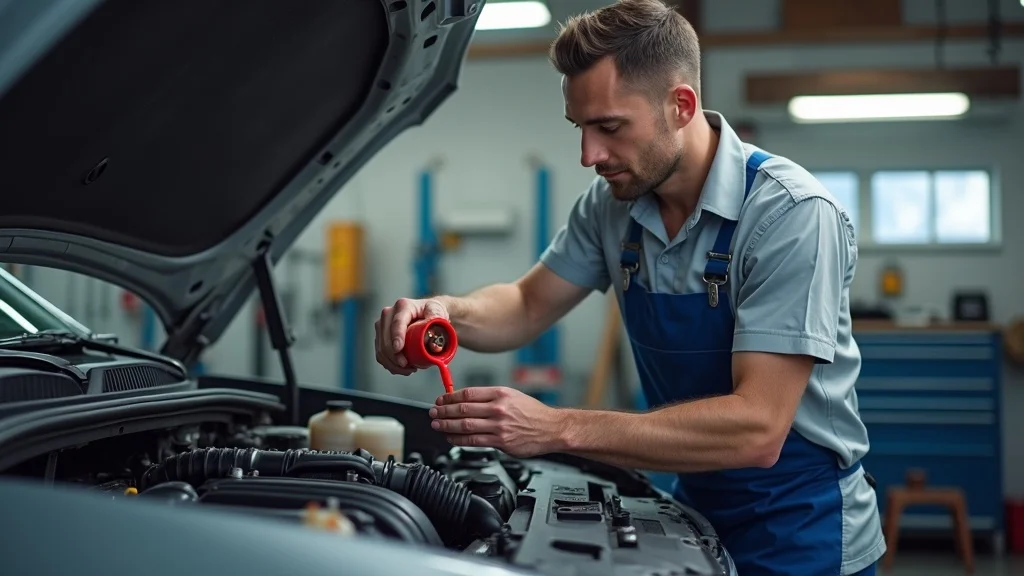
A robust engine maintenance routine is the foundation for ensuring your diesel vehicle stays cool—and out of the repair shop. Begin by keeping meticulous records of coolant changes, filter replacements, and radiator flushes, as well as any history of coolant leaks or temperature spikes. Routine inspections before every long haul are especially important for Columbia, SC drivers frequently exposed to fluctuating temperatures and unpredictable load demands.
Stay vigilant about changing the air filter as recommended, and regularly test the water pump for proper coolant circulation. Don’t overlook seasonal checks—summer’s high heat places added stress on your engine’s cooling system. By sticking to this maintenance regime, you’re far less likely to experience the downtime and expense associated with sudden engine overheating or catastrophic engine damage.
Upgrading the Cooling System: Key to Preventing Engine Overheating
Sometimes, standard maintenance isn’t enough. If you frequently haul heavy loads or push your diesel engine to its limits in Columbia’s heat, investing in cooling system upgrades is a smart, long-term move. Consider high-capacity radiators, upgraded electric fans, or performance thermostats that open at lower temperatures for better heat management during peak conditions. These aftermarket parts are designed to deliver superior coolant flow and handle greater thermal stress.
Professional diesel mechanics can also install advanced coolant additives that improve heat transfer and guard against corrosion, further reducing the risk of a sudden overheating issue. These upgrades, while sometimes more costly upfront, ultimately extend the life of your diesel engine and reduce the number of costly, time-consuming repairs over the long haul.
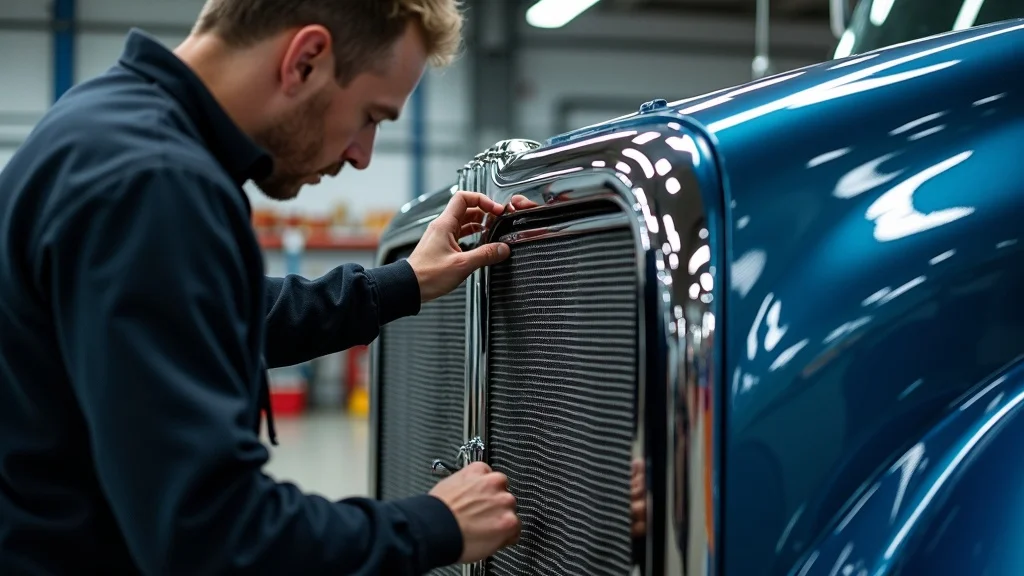
Watch: Quick DIY Checks to Keep Your Diesel Engine from Overheating
Answering Common Questions on Prevent Diesel Engine Overheating
What are 10 common causes of overheating diesel?
Ten Most Common Diesel Engine Overheating Causes Answered
Understanding what causes an overheating diesel engine can save you from breakdowns and repairs. Here are ten frequent culprits:
- Low coolant level
- Coolant leak in hoses or radiator
- Blocked or dirty radiator
- Faulty thermostat
- Malfunctioning water pump
- Broken or slipping fan belt
- Clogged air filter
- Head gasket failure (blown cylinder head)
- Oil or coolant mixing due to engine cracks
- Carrying excessive heavy loads regularly without proper cooling upgrades
What’s the worst thing for a diesel engine?
Why Overheating Diesel Engines Is the Worst Scenario
Severe engine overheating is arguably the worst situation for any diesel engine. Unchecked heat can cause cylinder head warping, permanent loss of compression, and in extreme cases, catastrophic block failure. Overheating also hastens wear on major engine components, increases fuel consumption, and rapidly reduces overall engine life—turning a manageable maintenance issue into a major, often irreparable failure.
What liquid is used to prevent a diesel engine from overheating?
Role of Coolant in Preventing Diesel Engine Overheating
The primary liquid used to prevent diesel engine overheating is specialized engine coolant, sometimes referred to as antifreeze. This mixture is formulated to absorb heat from the engine and transfer it efficiently through the radiator, keeping the engine cool even under stress. Always use the coolant type recommended by your manufacturer; using water alone should only be a last resort in emergencies, as it lacks the additives needed to protect against rust and scale buildup in your cooling system.

What temperature is too hot for a diesel engine?
Safe Diesel Engine Temperature Ranges Explained
Safe operating temperatures for most diesel engines hover between 180°F and 210°F (82°C to 99°C). When engine temperature climbs above 220°F (104°C), you’re entering the danger zone for overheating engine damage. Sustained high temperatures cause coolant to boil, reduce lubricant effectiveness, and threaten engine integrity—so it’s vital to address any unexpected temperature spikes immediately by pulling over and troubleshooting the cooling system.
Expert Tips: Prevent Diesel Engine Overheating with Pro-Level Maintenance
- Check cooling system components before long trips
- Replace coolant and flush the system periodically
- Monitor engine temperature gauge regularly
- Look for unexpected coolant leaks and repair immediately
- Use only recommended fluids for your diesel engine
Key Takeaways: How to Prevent Diesel Engine Overheating Efficiently
- Consistent engine maintenance lowers the risk of engine overheating
- Early recognition of overheating diesel engine symptoms is crucial
- Cooling system upgrades enhance engine temperature stability
- Engage expert diesel mechanics for complex troubleshooting
FAQs: Prevent Diesel Engine Overheating
- How often should I replace my diesel engine coolant? Replace coolant as recommended in your diesel vehicle’s owner manual, typically every 30,000 to 60,000 miles or every 2–3 years. Always check for color change or floating debris, which could signal contamination or aging fluid.
- Is radiator flush necessary for diesel engines? Yes. Periodic radiator flushes remove contaminated coolant and scale buildup, ensuring your cooling system remains unrestricted and protecting against diesel engine overheating.
- Can I use water instead of coolant in my diesel engine? Water can be a temporary substitute in emergencies, but always switch back to proper coolant as soon as possible. Coolant/additive blends prevent rust, scale, and freeze-ups, providing superior heat management.
- Why does my diesel engine overheat only in summer? High ambient temperatures, combined with increased A/C or load, make it harder for the cooling system to shed excess heat, leading to more frequent overheating issues during hot months.
- Should I consult a professional if I notice overheating? Absolutely. If simple fixes don’t work or overheating recurs, consult experienced diesel mechanics for a thorough system check and expert diagnostics.
Protect Your Diesel Engine: Trusted Diesel Mechanics in Columbia, SC
Consistent professional care is the surest way to keep your diesel running smoothly. Columbia’s trusted experts have the training, specialized tools, and firsthand experience to diagnose complex cooling system problems, address any coolant leak swiftly, and recommend cooling upgrades that fit your workload and driving habits. Don’t let engine overheating threats sideline your vehicle—instead, contact Road 1 Diesel Mechanics in Columbia, SC today for professional, reliable service.
Conclusion
Prevent diesel engine overheating by combining regular maintenance, prompt fixes, and expert guidance. Upholden these best practices and your diesel engine will remain cool, efficient, and reliable—no matter how tough the road or the climate.
If you’re ready to take your diesel maintenance to the next level, consider exploring the full spectrum of diesel truck repair and service solutions available from trusted professionals. Whether you’re seeking advanced diagnostics, performance upgrades, or tailored maintenance plans, these services can help you maximize uptime and extend the life of your diesel vehicle. Investing in expert care not only prevents overheating but also ensures your truck is prepared for any challenge the road throws your way. Discover how comprehensive service can transform your diesel ownership experience and keep you confidently moving forward.
Sources
- Vehicle Service Pros – https://www.vehicleservicepros.com/diesel-articles
- Diesel Tech Magazine – https://dieseltechmag.com/
- Nada Guides – https://www.nadaguides.com/Cars/Shopping-Guides/Diesel-Engines-How-To-Prevent-Overheating
- Autoblog – https://www.autoblog.com/article/diesel-engine-warning-signs/
- Road 1 Diesel Mechanics – https://callroad1.com
To further enhance your understanding of preventing diesel engine overheating, consider exploring the following resources: “How to Prevent Overheating in Heavy-Duty Diesel Engines”: This article provides expert maintenance tips and outlines key systems and practical preventive steps to avoid overheating in heavy-duty diesel engines. (lttruckrepair. com) “Diesel Engine Overheating: Causes, Prevention, and Solutions”: This resource delves into the primary causes of diesel engine overheating, the dangers associated with it, and practical steps to prevent and address overheating issues. (nadieselparts. com) If you’re serious about maintaining your diesel engine’s performance and longevity, these resources will provide you with valuable insights and actionable steps to prevent overheating.