
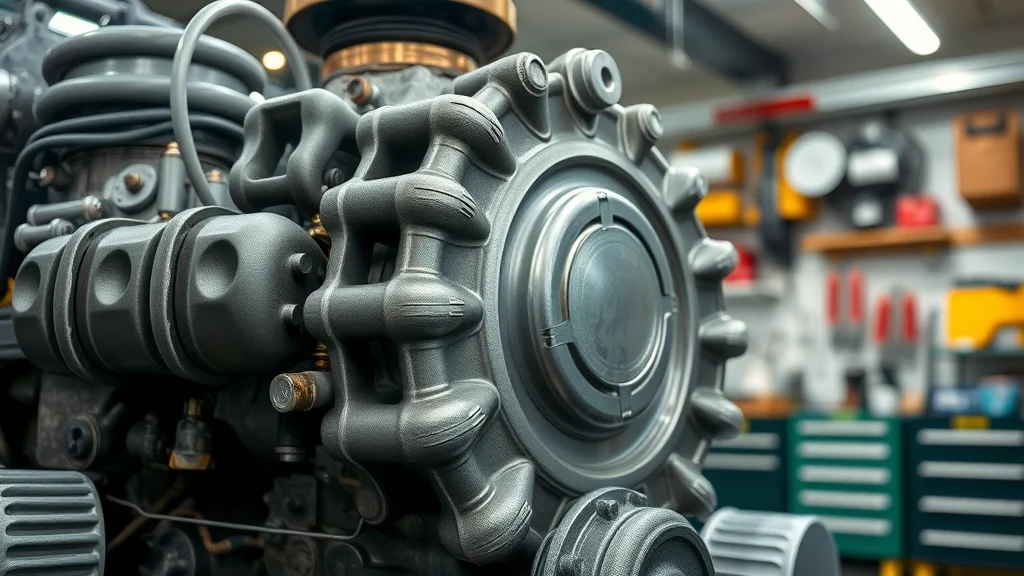
Diesel Engine Maintenance Tips to Boost Longevity
Did you know? Neglecting diesel engine maintenance can actually slash your engine’s lifespan by up to 50%! For Columbia, SC diesel truck owners, that statistic highlights a powerful reality: how you care for your engine now determines how long you’ll keep your truck running smoothly for as long as possible. Thankfully, proper diesel engine maintenance tips don’t just prolong engine life—they also cut down on costly repairs, maximize fuel efficiency, and ensure your truck is always ready for the road.
Startling Facts: Diesel Engine Maintenance Tips Matter for Your Truck’s Lifespan
“Neglecting diesel engine maintenance can decrease engine life by up to 50%.” – Industry Report
Diesel engines are a robust choice for work trucks and heavy-duty vehicles, but their legendary reliability is no excuse to skip regular care. In fact, staying on top of diesel engine maintenance tips is often the single biggest predictor of how many trouble-free miles your truck will deliver. While many Columbia SC owners expect their diesel engines to outlast gasoline engines, failing to maintain your engine can lead to reduced engine performance, frequent breakdowns, and major repairs that could have easily been avoided.
Ignoring something as simple as a routine oil change can cause dirt and soot to wear down critical parts—while clogged air filters starve your diesel engine of the oxygen it needs, putting extra strain on everything from your fuel filter to your cooling system. Over time, overlooked issues can cause excessive smoke, poor fuel economy, and even total engine failure. That’s why the key to enjoying your diesel vehicle for years is a smart, vigilant approach to engine maintenance.
What You’ll Learn: Mastering Diesel Engine Maintenance Tips for Extended Engine Life
- How proper diesel engine maintenance tips reduce major repair risks
- Why diesel engines need different care than gasoline engines
- Step-by-step engine maintenance tips for optimal performance
- Identifying signs of poor engine maintenance
- How to boost diesel engine longevity for Columbia SC truck owners
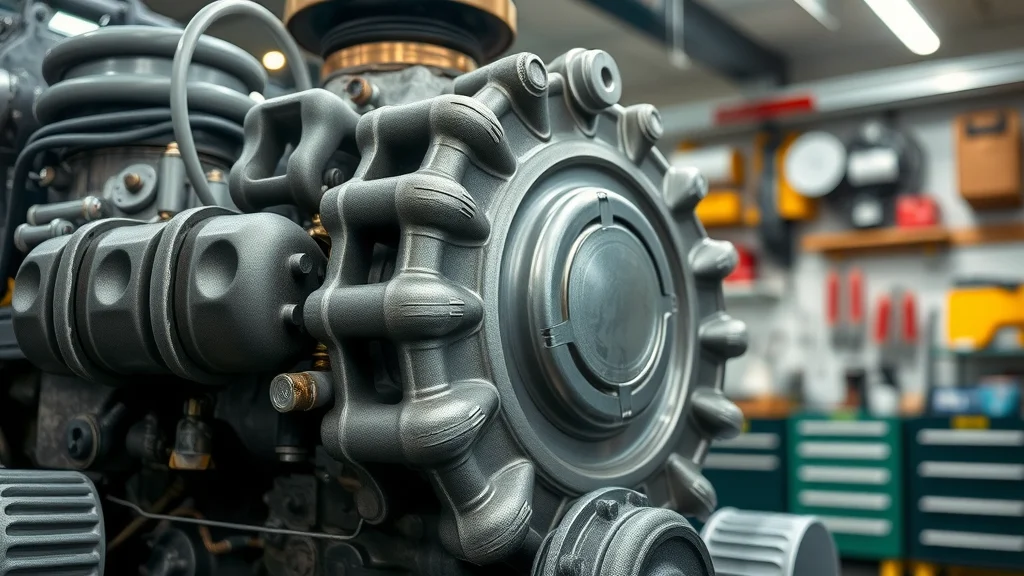
Understanding Diesel Engines: Why Diesel Engine Maintenance Tips Are Essential
Diesel engines are engineered to withstand heavy loads, high compression, and extended operation. Unlike gasoline engines, diesel engines operate at higher compression ratios, burn fuel more efficiently, and are often built to last longer. However, this durability can’t be taken for granted. The unique demands of diesel engines—such as the need for powerful fuel injection systems, sensitive turbochargers, and advanced filtration—mean that diesel engine maintenance is both critical and different from what gasoline engines require.
Bad habits like skipping filter changes or using poor quality diesel fuel may seem minor, but these mistakes can let contaminants wreak havoc inside your engine over time. In Columbia, SC, where heat, humidity, and dusty roads can combine to challenge air intake systems and cooling processes, the attention you give your diesel engine is even more important. These are not just general recommendations—they’re proven steps to keep your investment working hard for as long as possible.
For those looking to go beyond the basics, understanding the full range of diesel truck repair and service options available in Columbia SC can help you address issues before they become major problems. Staying informed about professional repair solutions ensures your maintenance routine is as effective as possible.
What Makes Diesel Engines Different From Gasoline Engines?
One defining characteristic of diesel engines is their reliance on compression ignition rather than spark plugs, which allows them to generate more power with less fuel. Their fuel systems operate at much higher pressures, making them especially vulnerable to contamination or poor maintenance. In contrast, most gasoline engines are less sensitive to fuel quality and often tolerate longer service intervals for certain components.
Because diesel engines do not rely on spark plugs, they depend heavily on a clean air intake and precise timing between fuel delivery and combustion. Any lapse in maintaining clean air filters or clog-free fuel filters can drastically reduce the efficiency of engine operation. Delayed oil changes can encourage soot buildup in turbochargers—a key cause of premature turbo failure—making scheduled engine maintenance especially crucial.
Common Diesel Engine Problems Seen in Columbia SC
Truck owners in Columbia SC face unique climate-related issues. High humidity can accelerate corrosion, while local dust and pollen put extra strain on air intake systems. Mechanics in the area frequently report issues like injector clogging, cooling system leaks from mineral-rich water, and even excessive smoke during cold morning starts.
Other frequent problems include low coolant levels resulting from leaks, batteries weakened by temperature swings, and degraded engine oil from driving in stop-and-go traffic or hauling heavy loads. Recognizing these local patterns, it’s clear why every diesel truck owner in Columbia SC needs to tailor their maintenance tips to local conditions.

Complete Diesel Engine Maintenance Tips Checklist
| Routine Diesel Engine Maintenance Tips | Frequency | Expected Engine Life Impact |
|---|---|---|
| Check and change engine oil | Every 5,000–10,000 miles or as recommended by the manufacturer | Reduces engine wear, doubles internal part life |
| Inspect air intake system | Monthly (more in dusty conditions) | Prevents power loss and dirt ingress |
| Replace fuel filters | Every 15,000–25,000 miles | Protects injectors, prevents hard starts |
| Monitor cooling system | Check coolant levels every oil change; flush every 2 years | Prevents overheating, extends radiator/turbo life |
| Test battery health | Before summer and winter seasons | Ensures reliable starts, prevents ECU issues |
| Inspect belts and hoses | Every 12,000 miles or annually | Prevents breakdowns, reduces risk of major leaks |
- Check and change engine oil
- Inspect air intake system
- Replace fuel filters
- Monitor cooling system
- Test battery health
- Inspect belts and hoses
Engine Maintenance: Crucial Tips for Keeping Diesel Engines Running Smoothly
Implementing the right engine maintenance tips can mean the difference between a long-lasting diesel engine and one plagued by constant repairs. Focusing on critical areas like oil changes, fuel quality, and air filtration ensures you’re covering the essentials to keep your engine running at peak performance. Here’s how each factor plays a significant role in protecting your diesel engine’s vital systems.
Diesel engine maintenance starts with understanding the interconnectedness of all the systems—from the lubricant that reduces wear, to the air filter that guards against damaging particles, and the fuel filters that keep contaminants out of high-pressure injectors. It’s no surprise: Columbia SC truck owners who stick to a proven maintenance plan see dramatically fewer breakdowns and enjoy better engine performance over the years.
Diesel Engine Oil Changes: Why Frequency is Key
The engine oil in your diesel vehicle does far more than lubricate moving parts—it’s critical for cooling, cleaning, and sealing as well. Failing to keep up with regular oil changes risks the buildup of soot and sludge, which can shorten engine life and reduce efficiency over time. For the heavy-duty use typical in Columbia, such as towing or frequent short trips, you may need oil changes even more frequently than the manufacturer recommends.
Always use high-quality oil suited for your engine type, as the right viscosity helps protect bearings and turbochargers. Regular oil and oil filter replacements help prevent wear on expensive engine components. In short, frequent oil changes are perhaps the single most important maintenance tip for keeping your engine running smoothly.
Fuel System: Using Quality Diesel and Replacing Filters
Columbia’s climate can lead to extra condensation in fuel tanks, which makes clean fuel filters absolutely critical. Using low-quality diesel fuel in your truck introduces water, microbes, and particulates that clog injectors and harm the sensitive fuel system. Replacing your fuel filter at the intervals in your owner’s manual is the easiest way to avoid hard starts, loss of power, and costly repairs.
Choose diesel fuel from reputable stations, and always address warning lights or codes related to the fuel system. Keeping your diesel engine running smoothly means stopping contamination before it can damage your engine’s heart—the injectors and high-pressure pump.

Air Intake & Filtration: Protecting Against Local Columbia SC Dust
Dust from construction sites, pollen during spring, and debris from wet streets can all end up inside your engine without proper filtration. Columbia’s environment makes checking the air filter and air intake system a non-negotiable. A clogged air filter not only robs power but can grind down critical engine parts, eventually reducing engine life.
Inspect air filters often—especially if you drive in dusty areas. Change them at the first sign of restriction or dirt, and visually check the air intake for cracks or leaks. This simple routine adds miles to your engine’s service life and keeps your vehicle primed for Columbia’s ever-changing driving conditions.
Advanced Diesel Engine Maintenance Tips for Longevity
Beyond basic routines, advanced maintenance can further defend your engine against long-term wear. Focus on turbocharger care and keeping your cooling system in top condition to maximize the longevity of your diesel. For Columbia SC truck owners, these areas are essential due to the region’s hot, humid summers and frequent towing demands.
Advanced strategies include monitoring for early signs of turbo wear—such as whistling noises, lag, or visible oil at the turbine inlet—and routinely flushing the cooling system to keep heat in check. By implementing these diesel engine maintenance tips, you can anticipate problems before they cause lasting damage. Remember, diesel engines reward those who are proactive, not reactive.
Turbocharger Care: Avoiding What Kills Turbo in Diesel
The turbocharger is a powerhouse in modern diesel trucks—delivering efficiency and serious torque. Still, turbos are vulnerable if you neglect regular oil changes or let debris enter the system. The most common turbo failures result from dirty oil, blocked oil lines, or running the engine too hard before the oil has warmed up.
Avoid quick shutdowns after heavy driving, as this can “cook” oil inside the turbo. Instead, let your engine idle for a few minutes to allow proper cooling. Replace air filters frequently and use only manufacturer-approved oil to protect internal turbo bearings. These steps have been proven to dramatically extend turbo lifespan and keep you on the road longer.
Cooling System Checks in South Carolina’s Climate
- Monitor coolant levels
- Inspect for leaks
- Flush system as recommended
Columbia’s hot summers test the limits of your cooling system. Running low on coolant or ignoring leaks can quickly turn into engine-destroying overheating. Always check coolant levels at regular intervals (monthly is wise) and look for signs of leaks under your vehicle.
Replace coolant as recommended—most modern diesels need a full flush every two years. Use the exact coolant type specified by your manufacturer, as improper mixtures can cause internal corrosion. Keeping your cooling system healthy is one of the top ways to add years to engine life, especially in Columbia SC’s hot, humid climate.
Expert Insights: Quotes from Columbia SC Diesel Truck Mechanics
“Ignoring small leaks or fuel filter warnings are among the biggest mistakes with diesel trucks.” – Local Diesel Mechanic

Local mechanics emphasize that routine maintenance is not just about following a checklist—it’s about protecting an investment. Diesel trucks that receive regular attention to warning lights, oil changes, and filter inspections rarely see costly breakdowns. Mechanics advise Columbia SC truck owners to have a relationship with a trusted shop, keep meticulous records, and never ignore changes in engine sound or responsiveness.
Experienced professionals further point out that diesel engine maintenance is easiest (and cheapest) when it’s preventative rather than reactive. A small investment now in quality fuel filters, oil, and coolant pays off by avoiding catastrophic engine failures. That’s why every expert agrees—proper maintenance is the smartest route to get every mile your engine was designed to deliver.
People Also Ask: Diesel Engine Maintenance Tips FAQ
What is the best way to maintain a diesel engine?
The best way to maintain a diesel engine includes sticking to a crystal-clear maintenance schedule: change the oil and oil filter regularly, replace air and fuel filters as needed, check coolant and inspect the cooling system, and never ignore warning lights or unusual noises. Using high-quality diesel fuel and consulting professionals for advanced maintenance are key strategies for long engine life and keeping your engine running smoothly.
What’s the worst thing for a diesel engine?
The worst thing for a diesel engine is neglect—especially when it comes to oil changes, letting dirt or debris enter the air intake, or running with contaminated fuel. These factors can cause major internal damage, reduce engine life, and frequently lead to expensive repairs like blown injectors or failed turbos.
What kills turbo in diesel?
Frequent causes of turbo failure in diesel engines include using poor quality or dirty oil, skipping oil changes, and shutting off the engine too quickly after heavy use. Always allow the engine to idle briefly after high-load operation, maintain air filtration, and replace oil with every scheduled oil change to extend your turbo’s life.
Is idling bad for a diesel engine?
While idling briefly helps cool a hot turbo, excessive idling can promote fuel dilution and carbon buildup inside your engine. This may result in poor engine performance and reduced efficiency. Limit unnecessary idling—especially in modern diesels with emission systems sensitive to soot buildup.
Common Diesel Engine Maintenance Mistakes and How to Avoid Them
- Ignoring warning lights: Address dashboard alerts promptly to prevent bigger issues.
- Delaying filter changes: Overused fuel or air filters allow damaging debris into your engine.
- Using poor quality diesel: Inferior fuel can clog injectors and reduce engine performance.
- Neglecting regular inspections: Missed checks lead to surprise breakdowns and accelerated wear.
Top Diesel Engine Maintenance Tips for Columbia SC Truck Owners
- Check for signs of diesel engine wear in local driving conditions
- Use diesel engine maintenance tips specific to humid Southern climate
- Consult local diesel mechanics for expertise

Diesel Engine Maintenance Tips: Key Takeaways
- Commit to a scheduled maintenance plan
- Learn what warning signs to watch for
- Apply tips specifically for your diesel engine model
Frequently Asked Questions About Diesel Engine Maintenance Tips
- How often should I replace my diesel engine’s fuel filter?
Replace your fuel filter as recommended by your vehicle’s manufacturer, typically every 15,000–25,000 miles, or sooner in rough or dusty environments. - Are synthetic oils better for all diesel engines?
Synthetic oils offer superior stability in extreme temperatures and resist breakdown better than conventional oils, making them ideal for many modern diesel engines—always check your manual. - Which maintenance tips help with cold starts?
Use the correct oil viscosity for winter, check battery health, and make sure glow plugs or grid heaters are functioning to ensure reliable starting in cold weather.
Diesel Engine Maintenance Tips Video Guide

Conclusion: Protect Your Diesel Engine’s Life With These Maintenance Tips
Consistent attention to diesel engine maintenance tips gives Columbia SC truck owners the best chance at a long, trouble-free engine life—act now and your diesel will reward you mile after mile.
If you’re ready to take your truck’s reliability to the next level, consider exploring the full spectrum of diesel truck repair and service solutions in Columbia SC. Whether you’re seeking preventative care, advanced diagnostics, or expert advice tailored to your vehicle’s unique needs, partnering with a trusted local specialist can make all the difference. By staying proactive and leveraging professional support, you’ll not only extend your diesel engine’s lifespan but also enjoy greater peace of mind on every journey. Discover how expert service can transform your maintenance routine and keep your truck performing at its best for years to come.
Ready for Pro Help? Connect with Diesel Mechanics in Columbia SC
Unsure where to start, or need a pro’s eye for your diesel maintenance routine? Contact local Columbia SC diesel mechanics for expert help today and keep your engine running smoothly for as long as possible!
Sources:
- https://www.cummins.com/news/2023/how-get-more-miles-your-diesel-engine – Cummins
- https://www.napaonline.com/en/knowhow/maintenance/how-to-maintain-your-diesel-engine – NAPA Know How
- https://www.truckinginfo.com/10155894/essential-diesel-engine-maintenance-tasks – Trucking Info
To further enhance your understanding of diesel engine maintenance, consider exploring the following resources: “4 Maintenance Tips to Improve Diesel Engine Efficiency”: This article provides practical advice on regular cleaning, oil changes, coolant checks, and filter maintenance to boost engine performance and longevity. (blog. psenergy. com) “Top 10 Diesel Engine Maintenance Tips for Longevity”: This comprehensive guide outlines essential practices such as monitoring air filters, maintaining the cooling system, and protecting the turbocharger to ensure your diesel engine’s durability. (keydiesel. com) By incorporating these expert recommendations into your maintenance routine, you can significantly extend the life and efficiency of your diesel engine.