
Opening Times:

24 Hours A Day

A large semi-truck drives down an empty highway at sunrise, with the sun low on the horizon and bright golden light illuminating the road and landscape.

Is Your Diesel Engine Cooling System Ready for Summer Heat?

Did you know engine overheating remains one of the leading causes of diesel engine failure each summer—even among new vehicles? As the temperature rises across Columbia, SC, your diesel engine’s reliability is challenged more than ever. Summer heat increases the risk of system failures, costly repairs, and unexpected vehicle downtime. In this detailed guide, we’ll break down everything you need to know about diesel engine cooling system readiness so you can drive with confidence all summer long.

A Startling Look at Diesel Engine Cooling System Performance in Extreme Heat

Did you know that engine overheating remains one of the leading causes of diesel engine failure each summer, even among new vehicles?

High summer temperatures put incredible stress on every diesel engine cooling system. Even with modern engineering, diesel engines are notorious for generating substantial heat—especially during long hauls or in heavy traffic. Whether you operate a fleet or rely on your diesel-powered vehicle every day, understanding how your cooling system copes with Columbia’s harsh summer conditions is crucial.

Overheating isn’t just inconvenient; it’s often a symptom of deeper issues within your engine cooling system. Components must operate in perfect harmony to prevent system failure, avoid warped cylinder heads, and maintain optimal engine cooling. This closer examination of summer-specific challenges—and frequent warning signs—will give you actionable insight into preventing breakdowns and avoiding expensive repairs.

For those interested in a more hands-on approach to keeping their diesel truck in peak condition, exploring comprehensive diesel truck repair and service options can provide valuable guidance on routine maintenance and troubleshooting common cooling system issues.

Diesel engine cooling system in summer heat - diesel truck on sun-scorched highway with heat haze and slight steam from engine bay

What You’ll Learn About Diesel Engine Cooling Systems

  • How diesel engine cooling systems function under high temperatures
  • Key components and their roles in maintaining engine cool
  • Best practices for system maintenance to prevent failures
  • How to spot warning signs in your cooling system
  • Expert recommendations specific to Columbia, SC conditions

The Basics: How Does a Diesel Engine Cooling System Work?

At its core, a diesel engine cooling system is responsible for drawing heat away from vital engine components, keeping operating temperatures within a safe range. Unlike gasoline engines, diesel engines burn fuel at higher compression rates and run hotter, which stresses the importance of robust cooling systems. Components such as the radiator, water pump, thermostats, and cooling fans all play critical roles in continuous heat exchange and in safeguarding your engine from overheating—especially under Columbia, SC’s blazing sun.

The process is straightforward: as your engine runs, coolant circulates through the engine block (also called the water jacket), absorbs excess heat, and carries it to the radiator. Here, the heat dissipates into the air through the radiator fins, aided by the cooling fan. Sophisticated sensors and switches regulate the entire system, ensuring that your engine maintains its optimal operating temperature no matter the summer heat. The effectiveness of your diesel engine cooling system directly impacts performance, emissions, and overall engine life.

Exploring the Main Components of a Diesel Engine Cooling System

The backbone of any engine cooling system is its set of highly specialized and interconnected parts. The radiator is the most visible, handling the lion’s share of cooling by transferring heat from the coolant to the outside air. The coolant reservoir regulates coolant levels, ensuring the system is neither too full nor too empty—both of which can impair cooling efficacy or cause low coolant warnings. The water pump acts as the heart, maintaining steady water flow throughout the engine and radiator. The thermostat ensures the engine warms up quickly and maintains ideal temperatures thereafter.
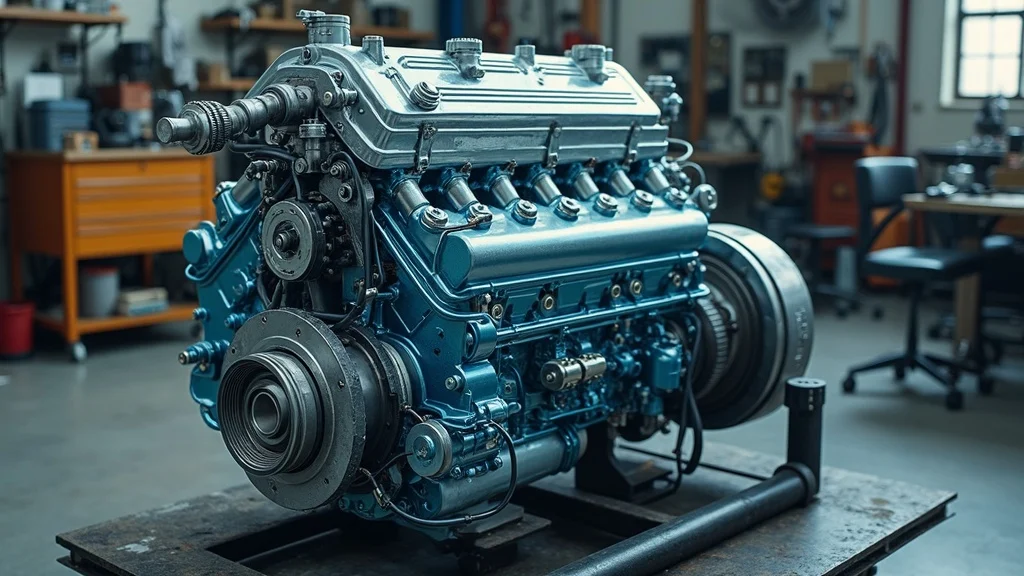
Diesel engine cooling system cutaway - showing radiator, water pump, coolant flow, and main components in detail

Hoses and belts are essential connectors in the system, moving coolant efficiently and keeping every component working in sync. Regular inspection of these parts for leaks, cracks, or wear can prevent costly system failure. Sensors located in key areas alert you if the coolant level drops or the temperature rises—the first line of defense against engine overheating. With each component working harmoniously, the diesel engine cooling system successfully combats extreme summer heat, especially in harsh climates like Columbia, SC.

Why Engine Cooling Matters for Diesel Engines in Summer

When summer temperatures spike, so does the risk to your engine cooling system. Diesel engines naturally produce higher combustion temperatures, which necessitates a bigger cooling “buffer” than gasoline counterparts. Sustained high heat can cause parts to expand unevenly, warp, or even fail completely—resulting in engine-coolant leaks, reduced performance, and in severe cases, total system failure.

In Columbia, SC, high humidity and heat push these systems to their limits. Persistent exposure to elevated temperatures means your engine cooling system must be in top condition to avoid breakdowns. Well-maintained cooling systems prevent overheating and keep your engine within its safe operating temperature. Without this balance, not only is efficiency lost, but long-term engine damage becomes more likely—a costly consequence that proper system maintenance and summer preparation can help you avoid.

Key Components of Diesel Engine Cooling Systems

Radiators and Coolant Reservoirs: Keeping the Engine Cool

Radiators are at the heart of every diesel engine cooling system. They’re designed with maximum heat transfer in mind, using a network of narrow passages and fins that maximize the coolant-to-air surface area. As coolant flows from the engine, it enters the radiator, where heat dissipates into the surrounding air, aided by a cooling fan. Choosing the right radiator and keeping it in good shape is vital for ensuring your diesel engine stays cool, particularly through South Carolina’s hottest months.

Coolant reservoirs work hand-in-hand with radiators by providing a buffer for expanding and contracting coolant, compensating for changes in temperature and system pressure. Low levels of coolant in the reservoir can signal leaks or evaporation—a frequent summer problem—putting your engine at risk for overheating. Regularly monitoring your coolant level, especially before embarking on long, hot drives, is one of the simplest ways to safeguard against major system failure.

Water Pump and Cooling Fan: Circulating and Dissipating Heat

The water pump is responsible for keeping coolant moving—the engine simply can’t stay cool without it. As soon as your diesel engine fires up, the pump draws coolant from the radiator, forces it through the engine’s internal water jackets, and back again, ensuring continuous water flow. A noisy, leaking, or failing water pump can bring cooling to a halt, risking catastrophic overheating and system damage. Regular checks and timely replacements are especially critical during Columbia’s scorching months.
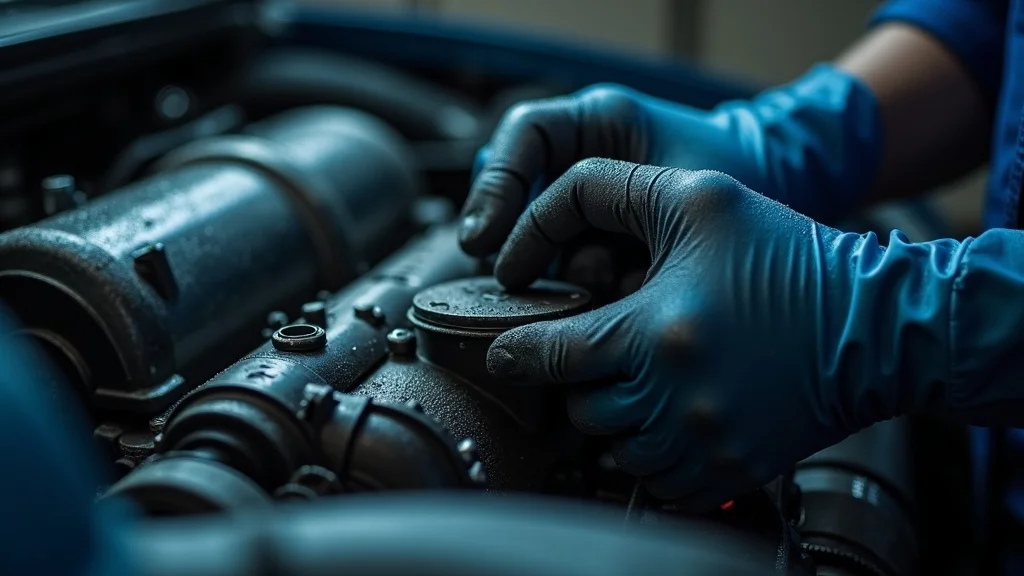
Checking diesel engine coolant reservoir - water pump, gloves, condensation, cooling system maintenance

Cooling fans act as the finishing touch of temperature control by pulling (or pushing) air through the radiator, helping dissipate heat more efficiently—especially important when the vehicle is idling, towing, or operating under strain. In high heat, a strong, responsive cooling fan is often what stands between your engine running cool and an unexpected roadside breakdown. Routine inspection and cleaning of the fan blades and motors keep your entire diesel engine cooling system in fighting form.

Thermostats, Hoses, and Belts: Supporting the Engine Cooling System

The thermostat acts as the gatekeeper of engine temperature. It remains closed during start-up, quickly bringing the diesel engine to its optimal operating heat, then opens to allow coolant flow once the engine is warm. A faulty thermostat may stick open (engine runs too cool) or closed (engine overheats quickly), both of which can destabilize your engine cooling system.

Hoses and belts are the lifelines connecting every element in your diesel engine cooling system. They must withstand significant temperature fluctuations, pressure, and vibration—particularly under Columbia’s summer extremes. Even small cracks or worn spots can cause leaks or a drop in coolant level, contributing to system failure or dangerous steam releases. Regularly inspect all hoses and belts, replacing them at the first sign of wear, to maintain continuous cooling system maintenance and avoid prevent overheating incidents.

Common Types of Cooling Systems in Diesel Engines

Comparison of Air-Cooled vs Liquid-Cooled Diesel Engine Cooling Systems
Type How It Works Pros Cons Common Applications
Air-Cooled Uses finned cylinder heads and air flow to remove heat from the engine exterior Simple design
No coolant required
Lower maintenance
Less efficient heat removal
Susceptible to ambient temps
Louder
Small engines, generators, motorcycles
Liquid-Cooled Circulates coolant via water pump through engine block, absorbs heat, transfers it to radiator for dissipation Efficient and precise heat control
Quieter operation
Performs well in extreme temps
Requires more maintenance
Potential for leaks
Needs correct coolant
Trucks, commercial vehicles, industrial engines

Signs Your Diesel Engine Cooling System May Be Failing

  • Unusual engine temperature readings: Consistently high or fluctuating temperatures indicate a struggling engine cooling system.
  • Coolant leaks or loss: Puddles under your truck or a dropping coolant level can signal leaks from hoses, radiator, or the water pump.
  • Steam or overheating: Visible steam from under the hood means your diesel engine cooling system is losing coolant or failing to dissipate heat, often caused by a stuck thermostat or faulty cooling fan.
  • Noisy water pump or cooling fan operation: Grinding or whining noises may indicate failing bearings, worn belts, or debris preventing efficient heat exchange.
  • Discolored or sludgy coolant: Rusty, oily, or gritty coolant suggests internal corrosion or contamination. Flushing is critical to restore optimal cooling.

Cooling System Maintenance: Expert Tips for Diesel Engines

Routine Checks: Protect Your Engine Cooling System

Inspection is the backbone of effective cooling system maintenance. Regularly check coolant levels in both the radiator and reservoir, making sure you’re using the correct coolant mixture—ideally, a blend of antifreeze and distilled water to prevent scale build-up and corrosion. Examine hoses for cracks, leaks, or swelling and inspect belts for fraying or glazing, especially before peak summer temperatures in Columbia, SC.

Diesel engine cooling system maintenance - mechanic inspecting a radiator outdoors near diesel truck

Don’t forget the radiator cap: a worn or damaged one can lead to pressure loss, improper coolant flow, and greater risk for overheating. Keep the radiator fins clean of bugs or debris using gentle water pressure, and check for white scale or corrosion (signs of leaking or aging radiator). A full system check-up each spring or early summer is a best practice for preventing system failure.

Flushing and Refilling Coolant: When and How

Regular coolant flushes clear contaminants, rust, and old additives from your engine cooling system. For diesel engines, experts advise a full system flush every 24,000 to 36,000 miles or every two years—whichever comes first, but always follow your manufacturer’s guidelines. Neglecting to flush can lead to scale deposits, blockages, and overheating as the coolant’s effectiveness drops over time.

Regular maintenance is the single best way to extend the life of your diesel engine cooling system—especially in the heat of summer.

To flush: let the engine cool, drain the old coolant, flush the system thoroughly with clean distilled water, then refill with the correct coolant blend. Bleed air from the system by running the engine with the radiator cap off until a smooth bubble-free flow is visible. Always check for leaks after servicing before embarking on high-heat journeys in the Southeast.

Cooling System Upgrades for Summer Performance

  • Switching to high-performance radiators or cooling fans for faster heat exchange and dissipation
  • Using premium coolant that better resists boiling and provides longer-lasting corrosion protection
  • Adding coolant additives designed to enhance heat transfer and prevent system failure under extreme loads

Troubleshooting Issues in a Diesel Engine Cooling System

Diagnosing System Failure or Overheating

Diagnosing problems early is key to avoiding major repairs. Common symptoms—like spikes in temperature gauges, visible coolant loss, or unusual noises from the water pump or cooling fan—should never be ignored. If warning lights or dashboard temperature alerts appear, pull over safely and allow the engine to cool before opening the hood or checking fluids. Ignoring the early signs of system failure can result in costly damage to critical engine components.

Diesel truck dashboard temperature warning - driver looks at temperature gauge with concern

For most troubleshooting, begin by checking coolant level and inspecting for leaks around the radiator, hoses, and water pump. If the system is frequently losing coolant, there may be an internal leak or head gasket issue. Persistent overheating despite proper coolant and a clean radiator could indicate a blocked system, faulty thermostat, or broken fan. When in doubt, consult a certified diesel technician to avoid further system maintenance headaches.

When to Seek a Diesel Mechanic in Columbia, SC

Your vehicle’s diesel engine cooling system is designed to self-protect when faced with minor heat surges. However, recurring overheating, coolant stains in unusual places, or unexplained temperature spikes are clear signals to seek professional assessment—especially before South Carolina’s summer gets into full swing. Columbia’s top diesel repair specialists possess diagnostic tools and region-specific expertise to quickly get your rig back on the road, minimizing downtime.

Certified diesel mechanics will not only address immediate concerns but can spot patterns based on local climate, road types, and typical commute stresses that increase the risk of system failure or engine cool struggles. Don’t risk your livelihood or schedule—if you’re ever in doubt, a pro inspection is just a call away.

Special Considerations: Operating Diesel Engines in Columbia, SC’s Summer Climate

Local Insights: Why Cooling System Maintenance Is Crucial in the Southeast

Columbia’s high humidity and heat mean your diesel engine cooling system needs extra attention, even for short trips.

Summer in Columbia, SC, combines relentless sun with sticky humidity, creating a perfect storm for engine cooling system challenges. Local conditions mean there’s less margin for error—a small leak, a low coolant level, or a clogged radiator core can snowball into rapid overheating. Unlike arid climates, the humid air here absorbs less radiant heat, putting more pressure on every aspect of your cooling system to perform flawlessly.

Regular checks are even more critical in these conditions, as factors such as stop-and-go traffic, heavy payloads, and city driving can all elevate internal engine temps. Smart system maintenance—especially pre-summer inspections—can spell the difference between peak performance and major system failure. For Columbia drivers, this means prioritizing cooling system maintenance just as highly as oil changes and other routine vehicle care.

Case Study: Preventing Engine Cool System Failure—A Columbia, SC Diesel Repair Success Story

Columbia SC diesel engine cooling system repair - driver and mechanic shake hands after truck repair

Recently, a Columbia-based logistics firm was facing repeated engine overheating with several diesel trucks. Despite regular coolant top-offs, temperature warnings persisted. A trusted local diesel repair team diagnosed multiple minor issues: aging belts, a failing thermostat, and a partially clogged radiator. After replacing affected parts and performing a complete coolant flush, the vehicles ran cooler across the summer, with no further warnings or downtime—saving thousands on engine repairs. The difference? Proactive system maintenance and expert intervention, tailored for South Carolina’s unique summer struggles.

People Also Ask About Diesel Engine Cooling Systems

How does a diesel engine cooling system work?

A diesel engine cooling system works by circulating coolant through a network of passages in the engine block (the water jacket) using a water pump. The coolant absorbs heat from the engine, then passes through the radiator, where a cooling fan helps dissipate that heat into the air. As temperatures rise, the thermostat ensures the coolant flows at the right time to keep everything operating smoothly and reliably—even under summer heat.

Which car brand has the best diesel engine?

“Best” can depend on application—commercial trucks vs. personal vehicles—but globally respected brands for diesel reliability include Cummins, Ford (Power Stroke), GM (Duramax), and Dodge (Ram). Each combines robust diesel engine design, advanced cooling systems, and long-term system maintenance support. For Columbia, SC drivers, local service availability is just as important as brand reputation when choosing a diesel engine platform.

Which engine is cheaper to maintain?

Generally, gasoline engines are cheaper to maintain day-to-day than diesel engines due to fewer emissions devices and simpler mechanics. However, with proper diesel engine cooling system care, modern diesel engines can run longer between major repairs and may yield better fuel economy—especially for vehicles used in hauling or towing. Routine system maintenance is crucial to keep costs predictable and avoid expensive mid-summer breakdowns.

What are the types of cooling system in diesel engine?

The two primary types of diesel engine cooling systems are air-cooled and liquid-cooled (often called water cooled). Air-cooled engines use fins to pull heat away, while liquid-cooled systems rely on coolant, radiators, and water pumps for more effective temperature control. Most modern trucks and commercial vehicles use advanced liquid-cooled systems to handle high-compression and high-heat loads, especially in extreme climates like Columbia, SC.

Watch this in-depth demonstration of a professional cooling system inspection in a diesel service bay, covering coolant checks, radiator and fan assessments, and key safety tips.

Learn step-by-step how to flush, refill, and maintain your diesel engine cooling system for summer.

Frequently Asked Questions About Diesel Engine Cooling Systems

  • What maintenance tasks can I perform myself on my diesel engine cooling system?
    You can regularly check coolant levels, inspect hoses and belts for leaks or wear, keep the radiator clean, and ensure your thermostat and radiator cap are functioning. Always let the engine cool before opening any pressurized components.
  • How often should coolant be replaced in a diesel engine cooling system?
    Typically every two years or every 24,000 to 36,000 miles, but always check your manufacturer’s guidelines. Replace coolant sooner if you notice rust, oil contamination, or sludginess.
  • Can a malfunctioning cooling fan lead to engine overheating?
    Yes. Without effective cooling fan operation, heat won’t dissipate fast enough from the radiator, especially at low speeds or when idling, leading to quick temperature rises and possible system failure.
  • What are the first signs of cooling system failure in diesel engines?
    Warning lights, high temperature readings, visible coolant leaks under the vehicle, unexplained coolant loss, or noisy water pump and fans are early warning signs. Prompt attention is key to avoiding bigger repairs.
  • Are cooling system additives worth using in hot climates?
    In Columbia, SC’s hot summers, specialty additives can help boost corrosion protection and heat-transfer capacity for diesel engines. Always use products approved for your vehicle’s make and model.

Key Takeaways: Protect Your Diesel Engine Cooling System This Summer

  • Consistent cooling system maintenance is essential for diesel vehicle longevity
  • Watch for signs of engine cool system trouble before summer peaks
  • Consult Columbia, SC’s trusted diesel mechanics for expert assessment

Need Diesel Engine Cooling System Help in Columbia, SC?

If you’re concerned about your diesel engine cooling system, don’t wait for summer to take its toll. Contact experienced diesel mechanics in Columbia, SC today for a thorough inspection, maintenance, and any upgrades—keeping your vehicle reliably cool all season long!

Conclusion

Proactive cooling system maintenance is the proven way to outsmart Columbia’s heat, prevent breakdowns, and keep your diesel engine running strong for miles to come.

If you’re ready to take your diesel maintenance strategy to the next level, consider exploring the full spectrum of diesel truck repair and service solutions available in Columbia, SC. From advanced diagnostics to preventive care, these services can help you stay ahead of seasonal challenges and maximize your vehicle’s reliability. Whether you manage a fleet or depend on a single truck, investing in expert support ensures you’re prepared for whatever the summer brings. Discover how a comprehensive approach to diesel care can keep you moving confidently, no matter how high the temperatures climb.

Sources

To enhance your understanding of diesel engine cooling systems, consider exploring the following resources: “Diesel Engine Cooling System Structure and Maintenance”: This article provides an in-depth look at the components and maintenance practices essential for optimal cooling system performance. (dieselgeneratortech. com) “How a Diesel Engine Cooling System Works”: This resource explains the operational principles of diesel engine cooling systems, detailing how they manage heat to prevent engine overheating. (engineerfix. com) For a visual explanation, you might find the following video helpful: Diesel Engines 101: How The Engine Cooling System Operates These resources offer comprehensive insights into the structure, function, and maintenance of diesel engine cooling systems, aiding in the prevention of overheating and ensuring efficient engine operation.


A white semi-truck is parked on a clean concrete lot near a building, with trees and a clear blue sky in the background.

Summer Diesel Engine Checklist: Essential Steps for Peak Performance

Did you know that high summer temperatures can increase the risk of diesel engine breakdowns by up to 30% compared to cooler seasons? As the mercury rises, so do the demands placed on your diesel truck’s performance and reliability. If you want peace of mind during every trip, mastering the summer diesel engine checklist is critical—especially in the heat-prone climate of Columbia, SC. This guide gives you the essential, expert-backed steps to ensure your diesel engine—and your summer—run smoothly.

Why a Summer Diesel Engine Checklist is Essential for Peak Performance

Summertime brings more than just outdoor adventures; it also delivers a unique set of challenges for diesel engines and diesel trucks. Intense heat, long trips, and lingering humidity can put your engine maintenance routines to the test, making a comprehensive summer diesel engine checklist a non-negotiable for reliable operation. Skipping this seasonal preparation increases the risk of overheating, fuel inefficiency, and unexpected breakdowns that could leave you stranded when you least expect it. A diesel engine is intricate and more sensitive to extreme heat than many realize—higher temperatures can quickly lower coolant levels, accelerate oil degradation, and stress engine components.

Proactive diesel engine maintenance in summer is all about prevention. By meticulously checking key systems like the cooling system, fuel filter, and air filters, you ensure optimal engine performance, better fuel efficiency, and engine longevity. Regularly following a summer diesel engine checklist not only protects your investment but also allows your diesel truck to run cooler and stronger during the toughest months. Let’s explore the smart steps and specialist advice you need to keep your diesel engine running smoothly this summer.

Opening Insights: Surprising Facts About Diesel Engine Maintenance in Summer

“Did you know that high summer temperatures can increase the risk of diesel engine breakdowns by up to 30% compared to cooler seasons?” – Local Diesel Mechanic, Columbia SC

Bright professional diesel truck under summer sun for summer diesel engine checklist

What You’ll Learn in This Summer Diesel Engine Checklist Guide

  • The crucial steps for summer diesel engine checklist readiness
  • Key elements of diesel engine maintenance
  • How to improve diesel truck and diesel engine longevity
  • Practical tips for diesel truck operators in hot climates
  • Expert-backed summer diesel vehicle best practices

By the end of this guide, you’ll be able to confidently perform a full maintenance check on your diesel truck, address frequent summer issues, and know when to seek help from professional diesel mechanics in Columbia, SC.

Understanding Diesel Engine Challenges in Summer

Diesel engines deliver robust performance, but the summer season subjects them to unique environmental stresses. High temperatures, humidity, and increased loads during long trips can exacerbate engine problems and threaten the reliability of even the best-maintained diesel trucks. Understanding these risks is the first step in effective engine maintenance, ensuring your truck not only survives but thrives in Columbia’s summer heat.

Whether you own a workhorse diesel truck or manage a fleet, paying attention to engine run performance in high temperatures helps avoid costly repairs and unexpected downtime. Heat accelerates coolant evaporation, can reduce oil lubrication efficiency, and may increase the frequency of clogged air filters, making it essential to keep a close eye on these critical systems throughout summer months.

For those looking to go beyond seasonal checks and ensure their diesel truck is always road-ready, exploring comprehensive diesel truck repair and service options can provide added peace of mind and expert support for any maintenance challenge.

How Hot Weather Impacts Diesel Engines and Diesel Trucks

Hot weather intensifies almost every aspect of engine maintenance. As temperature rises, several vital fluids—including engine oil and coolant—are put under extra stress. A diesel engine naturally produces a lot of heat, but when outside temperatures soar, your cooling system must work overtime to keep things running smoothly. Reduced lubrication efficiency can cause critical engine components like pistons and bearings to wear faster, while high heat may also hasten coolant level decline and put belts, hoses, and seals at risk of premature cracking or bursting. Neglecting your summer diesel engine checklist can quickly result in unexpected breakdowns, especially on longer journeys or when hauling heavy loads in your diesel truck.

Regularly checking tire pressure and monitoring the engine for signs of overheating or low fluid levels is crucial during the summer. Staying attentive to these concerns is especially important in Columbia SC, where even short periods of neglect in extreme heat can result in expensive repairs. By adopting proactive summer maintenance habits, you can safeguard your diesel truck’s longevity while gaining a smoother, safer ride.

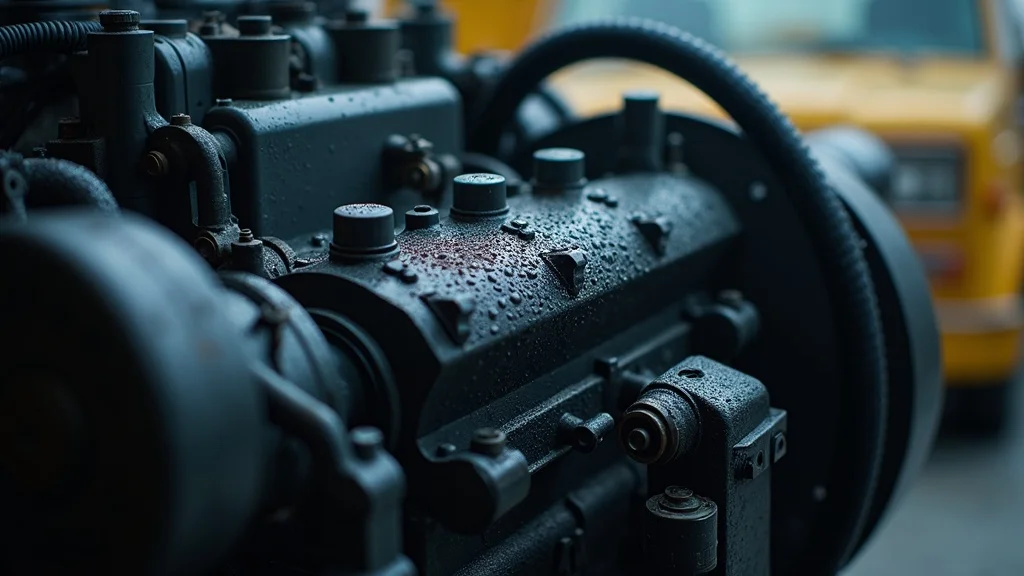
Close-up diesel engine in summer heat with maintenance for summer diesel engine checklist

Common Summer Engine Maintenance Issues

  • Increased coolant evaporation
  • Reduced lubrication efficiency
  • Higher air filter clog risk
  • Fuel system concerns

The most frequent issues faced by diesel trucks during summer include low coolant level due to evaporation, which can lead to overheating; decreased efficacy of engine oil under intense heat, raising the risk of wear on moving parts; and a greater tendency for air filters to clog with pollen and dust prevalent in summer. Problems with the fuel system—such as blocked fuel filters or contaminated diesel—also increase, often going undetected until they affect vehicle performance. Staying diligent with regular checks and timely replacements is the best insurance against summer breakdowns.

Step-by-Step Summer Diesel Engine Checklist

Following a detailed summer diesel engine checklist ensures every critical system is ready for the season. These steps cover both routine and advanced maintenance, helping your diesel truck function at peak performance—no matter how high the temperature climbs in Columbia SC.

Inspecting and Adjusting Tire Pressure for Diesel Trucks

Proper tire pressure is key to safety, efficiency, and a comfortable ride—especially in the summer heat. As the temperature changes, so does the air pressure inside your truck’s tires. Underinflated tires can cause poor fuel efficiency, sluggish handling, and increased wear, while overinflated tires are more prone to blowouts when exposed to scorching pavement. Use a high-quality tire gauge to check each tire when they’re cool, and always adjust to the recommended pressure levels found in your diesel truck’s manual.

Making tire pressure checks a part of your seasonal engine maintenance routine also enhances traction, especially if you’re taking long summer trips or towing heavy loads. Regularly inspect the tires for cracks, bulges, or uneven wear—a strong preventive move. Keeping up with this simple task not only ensures a smoother engine run, but it also maximizes the lifespan of your tires and improves overall truck safety.

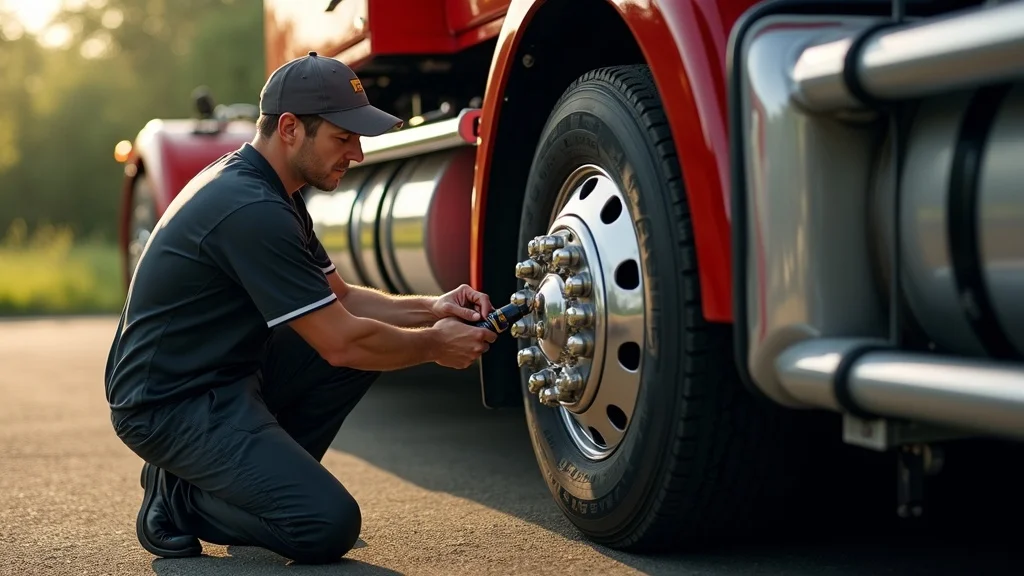
Mechanic inspecting diesel truck tire pressure for summer diesel engine checklist

Checking the Cooling System: Prevent Overheating

  • Check coolant levels and inspect coolant quality
  • Assess radiator and hose conditions

The cooling system is your first line of defense against overheating during hot Columbia SC summers. Begin each season by checking the coolant level in your reservoir and radiator, ensuring there are no signs of leaks, rust, or old fluid. The coolant itself should be a clear, vibrant color—cloudiness or debris indicates it’s time for a flush and replacement. Next, visually inspect all hoses and the radiator for cracks, bulges, or signs of wear. These parts are especially vulnerable during the summer and could fail under pressure if neglected.

Consistently keeping your cooling system in top condition is crucial for engine longevity. A compromised cooling system not only risks your diesel engine overheating but also leads to costly and avoidable repairs. Don’t forget to check the radiator cap and thermostat as well; both need to be in good working order to maintain consistent engine temperature and efficient cooling performance.

Fuel Filter and System Maintenance Check

The fuel filter acts as a safeguard against contaminants that can clog fuel injectors and disrupt the flow required for a diesel engine’s peak performance. Summer heat can exacerbate fuel evaporation, making regular inspection and replacement of the fuel filter even more crucial during this season. If your engine hesitates, sputters, or has trouble during start-up, the fuel system could be the root cause. Replacing the fuel filter at recommended intervals—before it becomes an issue—keeps your diesel truck running smoothly, improving both fuel efficiency and reliability.

Besides the filter, check lines for signs of wear or leaks and make sure the fuel cap seals tightly. In regions with high humidity like Columbia SC, water contamination can also be a risk, so consider draining any water traps within the system. Consistent attention to the fuel delivery system enhances your vehicle’s long-term dependability and performance.

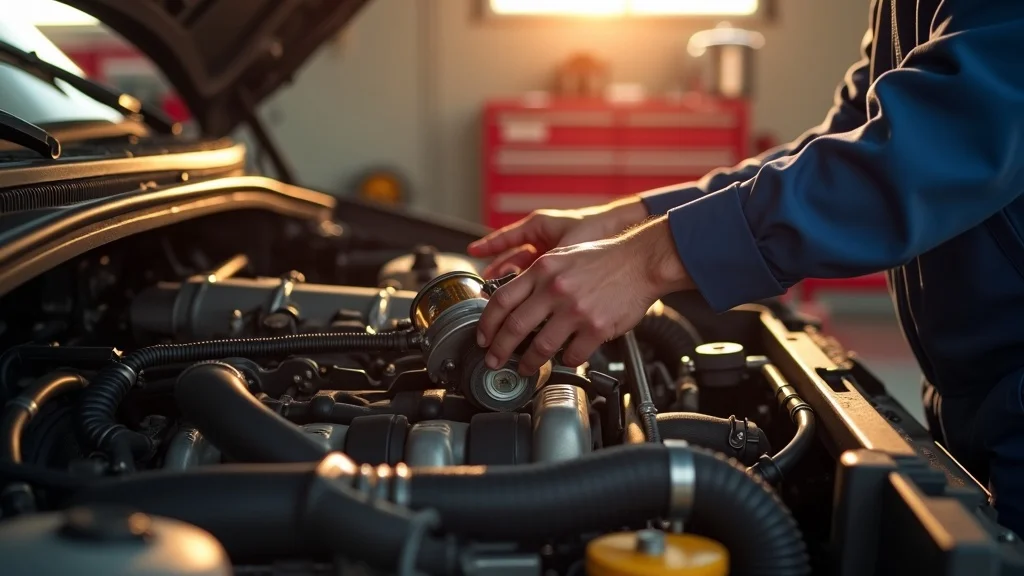
Mechanic replacing fuel filter on diesel engine for summer diesel engine checklist

Engine Oil Change and Lubrication Maintenance

  • Choose the right summer-grade oil
  • Examine for leaks or degraded oil

Your engine oil governs a wide range of diesel engine functions, especially under the stress of summer temperatures. Use a summer-appropriate oil grade; these oils are formulated to maintain viscosity when the engine runs hotter and external temperatures climb. Regularly check your oil level and inspect the color and consistency. Oil that appears unusually dark, gritty, or smells burnt should be changed without delay, as deteriorated oil can rapidly increase engine wear.

Oil leaks are also more likely in extreme heat, so visually examine gaskets and underbody areas for signs of oil seepage. Strict adherence to oil-change schedules—possibly more frequent than in cooler seasons—keeps engine components lubricated and operating smoothly. These basic yet vital habits ensure the longevity of your engine and prevent heat-induced breakdowns on summer drives.

Air Filter and Air Intake System Check

Clean air is crucial for optimal diesel engine combustion, and your air filter is the gatekeeper. During the summer, extra pollen and dust can clog air filters at a quicker pace, leading to reduced airflow, inefficient fuel use, and potential increases in exhaust smoke. Review and replace air filters as needed—never wait till the engine run feels sluggish. Also, inspect the air intake system for blockages, loose connections, or cracked hoses, as these can affect engine efficiency and increase the risk of dirt ingress.

Staying diligent with air filter maintenance means your engine runs smoothly, efficiently, and with maximum power available. It’s a minor step in your summer diesel engine checklist, but one that can make a significant difference during hot-weather hauls in Columbia SC.

Inspect Battery Condition for Reliable Diesel Engine Starts

Heat can be just as harmful as cold when it comes to diesel truck batteries. High summer temperatures speed up internal corrosion, which reduces battery lifespan and increases the risk of unexpected failures. Clean the terminals, make sure connections are tight, and look for any bulges or leaks on the battery casing. If your engine cranks slowly or the battery is more than a few years old, consider a voltage test—or even replacing it preemptively for peace of mind during summer months.

Frequent checks on battery health ensure that your diesel engine starts reliably every time, avoiding delays on busy days or important journeys. This straightforward check can spare you from being stranded in the heat, especially during extended trips common in Columbia SC’s bustling summer traffic.

Examine Belts, Hoses, and Engine Components

Summer heat places immense stress on rubber and silicone engine components, leading to weakening, softening, or cracks. Spend a few minutes each month visually inspecting belts for fraying or missing grooves, and hoses for any signs of swelling, brittleness, or leaks. Pay close attention to connection points and clamps, as these are frequent failure points when exposed to constantly high temperatures. Addressing even minor wear early helps prevent a sudden breakdown during a long trip or a busy workweek.

A well-maintained set of belts and hoses guarantees that vital systems like the cooling and charging systems continue running smoothly. Prompt replacement of worn components is both economical and crucial for overall diesel vehicle reliability during Columbia’s tough summer season.

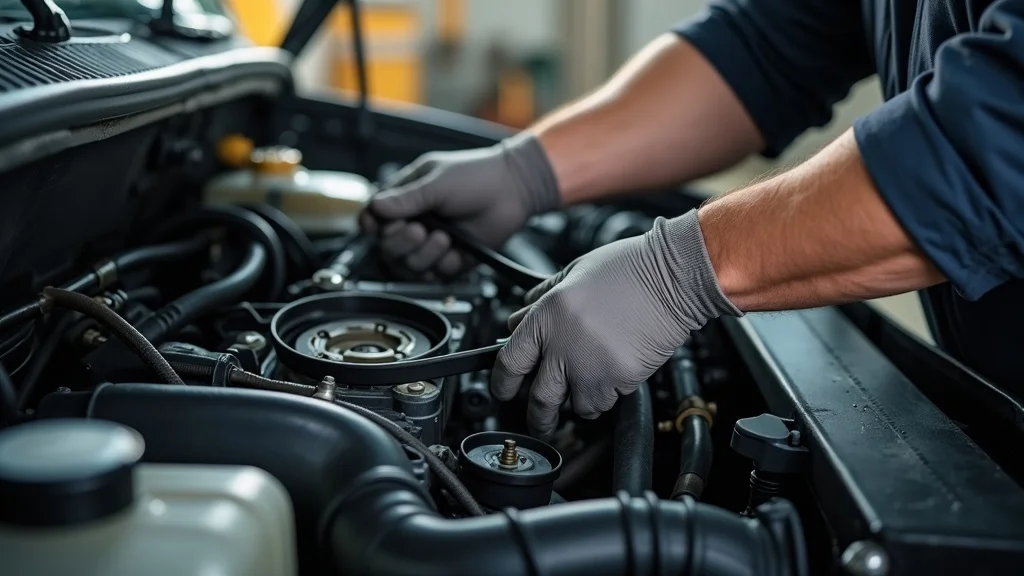
Mechanic inspecting engine belts and hoses for summer diesel engine checklist

Review Brake System and Replace Fluids as Needed

Columbia’s stop-and-go summer driving puts significant demand on the brake system of any diesel truck. Inspect brake pads, rotors, and fluid levels; brake fluid absorbs moisture over time, risking reduced performance—especially when temperatures soar. Flush and replace fluids if they look dark or haven’t been changed within the recommended service interval. A responsive brake system is vital for your safety and should not be overlooked in your summer diesel engine checklist.

Make sure to listen for squeals, feel for vibrations, or notice delayed stopping—all indicators of brake wear or fluid degradation. Being attentive here keeps your diesel truck operating safely, protecting you and others on Columbia’s busy summer roads.

Test the Air Conditioning System for Summer Comfort

Comfort is key in the South Carolina summer, making air conditioning system checks a must. Ensure coolant (refrigerant) levels are adequate, listen for unusual noises, and verify that all controls function as intended. A weak AC may require filter replacement or professional servicing to restore full cooling capacity. Don’t ignore smells or declining airflow—such symptoms can signal mold, leaks, or blocked air filters.

Keeping the air conditioning system at full strength in your diesel truck not only boosts comfort but also maintains driver alertness and reduces fatigue on sweltering Columbia days. Integrate this step into your regular engine maintenance routine for the safest, most comfortable ride.

Advanced Checklist: Maximizing Diesel Truck Performance in Extreme Summer Conditions

Hot climates like Columbia SC demand more than basic maintenance. Going the extra mile with these advanced summer diesel engine checklist steps ensures you get the most from your diesel truck, especially during heatwaves or heavy-duty assignments.

Upgrade Fuel Additives for Warm Weather

Fuel additives formulated for summer help prevent algae growth, boost cetane ratings, and stabilize volatile compounds during heat. They can reduce engine knocking and make cold starts, though rare in summer, even smoother. Use manufacturer-approved products to maintain diesel fuel quality and improve engine run quality all season long.

Integrating specialized fuel additives is especially beneficial for diesel trucks that experience long periods between refueling or operate in environments with fluctuating humidity and dust. This addition to your summer diesel engine checklist further guards against performance issues that can arise from summer-specific fuel degradation.

Monitor Diesel Engine Computer Diagnostics

Modern diesel vehicles rely heavily on computer systems and sensors for optimal performance. Use a diagnostics tool or scan at professional shops to check for error codes, abnormal readings, or pending maintenance warnings. Pay special attention to engine temperature and airflow sensors, as they are directly impacted by summer conditions.

Routine diagnostics help identify problems before they become serious, allowing you to resolve them efficiently. This proactive approach to engine maintenance gives peace of mind on every journey, reducing the risk of summer season breakdowns and keeping warranty coverage intact.

Schedule a Professional Diesel Engine Maintenance Check

Even the best DIY maintenance can miss critical issues best seen by a trained eye. Consider getting a full summer-season inspection from a diesel mechanic. Professionals use advanced tools to test cooling system performance, inspect injector spray patterns, and spot issues in belts, hoses, fluid level, and more. Scheduling annual or pre-summer checks ensures every element in your summer diesel engine checklist is reviewed for safety and reliability.

A professional touch not only protects your truck but also provides documentation should warranty questions arise. Rely on experts familiar with Columbia SC’s specific challenges for tailored advice and prompt support if unexpected problems occur.

Summer Diesel Engine Checklist: At-a-Glance Guide

Checklist Step What to Inspect/Do How Often
Tire Pressure Adjust for temperature changes Monthly/Before long trips
Cooling System Check coolant levels, inspect radiator & hoses Every oil change
Fuel Filter Replace as needed, drain water traps Every service/recommended interval
Engine Oil Check oil level, switch to summer-grade Every oil change
Air Filter Inspect and replace if dirty Every service/more often in dusty areas
Battery Test, clean terminals 2-3 times per summer
Belts & Hoses Look for cracks, soft spots, wear Every service
Brake System Inspect pads, fluid color/level Every service/as needed
Air Conditioning Test performance, check refrigerant Start and middle of summer
Professional Inspection Full diagnostics, advanced checks Annually/pre-summer

Expert Tips: Columbia SC Diesel Repair Specialists Weigh In

“Summer breakdowns are often preventable—most failures arise from missed maintenance checks like improper coolant levels and failing air filters.” – Road1 Diesel Specialist, Columbia SC

Local professionals emphasize the critical role of regular maintenance in preventing the majority of summer diesel engine problems. Prioritize coolant level checks, timely replacement of air filters, and careful scrutiny of battery and brake systems to minimize shutdowns. Whether you’re prepping for a cross-state drive or daily commutes, proactive habits will always be your best defense against Columbia’s challenging heat.

Diesel repair specialist in Columbia SC providing summer diesel engine checklist tips

People Also Ask: Your Summer Diesel Engine Checklist Questions Answered

Is diesel 1 or 2 better for summer?

Answer

Diesel 2 is generally preferred for summer use due to its higher energy content and lower tendency to gel compared to Diesel 1. The greater lubricity of Diesel 2 helps keep engine components protected in higher temperatures, and it is the standard for warm weather operation. However, always follow manufacturer recommendations for your specific diesel vehicle and consider local fuel blends available in Columbia SC.

What’s the worst thing for a diesel engine?

Answer

Neglecting regular maintenance is the worst thing for a diesel engine. Issues like skipping oil changes, ignoring fuel filter replacements, or driving with clogged air filters can lead to catastrophic engine failure. High temperatures add extra risk, making a summer diesel engine checklist especially important for protecting engine health and performance.

What diesel should I use in summer?

Answer

For summer, use Diesel 2, which is formulated for warm weather and provides the necessary lubrication and combustion qualities for reliable performance. Consider summer-specific fuel additives if recommended by a mechanic, especially in high-heat areas like Columbia SC. Always ensure fuels meet your engine’s standards and specifications.

What is the most reliable diesel of all time?

Answer

While “most reliable” can vary by application, legendary models like Cummins’ B-Series, Ford’s Power Stroke, and certain Mercedes-Benz OM diesels are widely respected for their long-term durability and excellent performance in all conditions—including the summer heat. Consult with your local diesel mechanic for recommendations best suited to your driving profile and local climate.

Frequently Asked Questions about the Summer Diesel Engine Checklist

  1. How often should I perform a summer diesel engine checklist?
    At a minimum, check all major systems monthly during the summer, and before any long trip. Some items, like coolant and oil levels, should be checked even more frequently in extreme heat.
  2. Can I use regular engine oil in high summer temperatures?
    It’s best to use oil that’s rated for high-temperature or heavy-duty summer use, as standard oils may thin out and lose protective properties in excessive heat.
  3. Is professional inspection necessary every summer?
    While many maintenance steps can be DIY, scheduling a professional checkup each summer makes sure no issue goes undetected, maximizing safety and efficiency.
  4. How does Columbia SC climate specifically impact my diesel vehicle?
    Columbia SC’s high temperatures and humidity put added stress on your diesel truck’s cooling system, batteries, and filters. Extra vigilance is critical in these conditions for ongoing reliability.

Key Takeaways for Maintaining Your Diesel Engine This Summer

  • Consistent maintenance prevents breakdowns
  • Summer-specific engine checks are crucial in hot climates like Columbia SC
  • Trust diesel engine experts for advanced problem-solving

Empower Your Summer: Get Professional Diesel Engine Support Near Columbia SC

Connect with leading diesel mechanics for expert summer maintenance. Visithttps://callroad1.comto schedule your service today!

Watch a comprehensive summer diesel engine checklist in action—see how Columbia SC’s pros keep engines cool, strong, and dependable all season.

Take action this summer—whether you’re a hands-on diesel enthusiast or rely on local experts, a precise summer diesel engine checklist is the key to uninterrupted performance and peace of mind in the Columbia heat.

If you’re ready to take your diesel maintenance knowledge even further, consider exploring the full spectrum of diesel truck repair and service solutions available from trusted professionals. These services go beyond seasonal checklists, offering diagnostics, advanced repairs, and tailored advice to keep your vehicle performing at its best year-round. By partnering with experts who understand the unique demands of Columbia’s climate, you can ensure your diesel truck remains reliable, efficient, and ready for any journey. Don’t just prepare for summer—empower your diesel engine for every mile ahead.

Sources

To enhance your understanding of summer diesel engine maintenance, consider exploring the following resources: “Summertime Diesel Dos and Don’ts”: This article provides essential tips to protect your diesel engine during the summer months, covering aspects like airflow, coolant management, and fuel system care. (perkins. com) “Maintaining Your Diesel Engine in the Summer”: This guide offers a comprehensive checklist for summer diesel engine maintenance, including general inspections, fluid checks, and specific component assessments to ensure optimal performance. (merchant-automotive. com) By consulting these resources, you can gain valuable insights and practical steps to keep your diesel engine running efficiently throughout the summer season.

A bright orange semi-truck with chrome details is parked on a sunlit street near a building, with blue sky and clouds in the background. The truck has a large front grille and no trailer attached.

Hot Weather Diesel Engine Care: Protect Your Engine This Summer

Did you know? Each summer, Columbia, SC diesel mechanics report a 30% increase in engine failure calls—almost all preventable with the right approach to hot weather diesel engine care. If you drive or maintain a diesel vehicle, you cannot afford to overlook essential maintenance routines as temperatures soar. In this guide, you’ll discover practical steps, proven tips, and localized insights to keep your diesel engine running smoothly even in the most intense summer heat.

Why Hot Weather Diesel Engine Care Matters for Diesel Vehicles

The high temperatures characteristic of a South Carolina summer put unique stresses on diesel engines that can lead to decreased engine performance, breakdowns, and costly repairs. Diesel vehicles rely on a series of tightly-coordinated systems—such as the cooling system, fuel system, and air filter systems—that are especially vulnerable to weather conditions that bring searing heat and humidity. Without proper preventive care, you risk catastrophic engine failure, reduced fuel efficiency, or long-term damage to critical engine components like belts, hoses, and injectors.

For diesel vehicle owners, maintenance is about more than just avoiding inconvenience; it’s about protecting your investment and ensuring reliable performance on every drive. From keeping coolant levels topped off to monitoring oil and battery health, each step of hot weather diesel engine care can mean the difference between smooth summer cruising and a roadside breakdown. Summer heat accelerates wear and exposes vulnerabilities—proactively addressing these with focused maintenance and pre-drive checks sets up your diesel engine for strength, safety, and reliability.

  1. Hot Weather Diesel Engine Care Essentials: Schedule frequent coolant and oil checks; inspect belts and hoses for wear; maintain a clean air filter and ensure regular fuel filter replacements to optimize airflow.
  2. Diesel Engine Vulnerabilities: Diesel engines are more susceptible to overheating, oil breakdown, and fuel system contamination—heat exacerbates these weaknesses, which can quickly lead to performance degradation or severe engine damage if ignored.

hot weather diesel engine care—diesel truck in summer heat with mechanic checking engine components

“High temperatures can accelerate wear and lead to diesel engine failures—attention to hot weather diesel engine care is paramount.”

What You’ll Learn About Hot Weather Diesel Engine Care

  • Key steps for protecting diesel engines in hot weather
  • Best practices for monitoring diesel vehicle performance
  • Essential maintenance routines to optimize engine performance

Understanding Diesel Engine Operation in Hot Weather Conditions

The Science Behind Diesel Engines and Temperature

Diesel engines function differently from gasoline engines, especially under hot weather stress. High temperatures put a strain on key engine parts such as cylinder heads, pistons, and the cooling system, reducing their ability to maintain optimal operating conditions. When engine temperature rises excessively, it can cause lubricating oil to thin out, decreasing protection for moving engine components and increasing wear rates. Furthermore, diesel fuel system resilience is tested by hot climates; evaporative losses and fuel degradation become real threats, potentially leading to hard starts or stalling.

Prolonged exposure to high heat can also affect the air filter and fuel filter performance by causing them to clog more rapidly with dust and pollen—especially when vehicles are operated in dry, dusty summer conditions. It’s not just short-term performance at risk; repeated exposure to high temperature without adequate maintenance can result in diminished engine performance and a significantly reduced engine lifespan.

  • Impact of heat on engine parts: Causes rapid oil and coolant breakdown, promotes corrosion, and accelerates wear on pistons, gaskets, and seals.
  • Influence on engine performance and fuel system resilience: Can result in vapor lock, fuel injector issues, and decreased combustion efficiency—ultimately impacting overall drivability and power.
How Heat Affects Diesel Engine Parts: A Side-by-Side Comparison
Component Normal Conditions Intense Hot Weather
Cylinder Head Maintains structural strength, resists warping. Prone to warping, gasket failure, and leaks.
Oil Lubricates and protects moving parts. Thins rapidly, loses protective strength, promotes wear.
Coolant Transfers heat efficiently. Breaks down faster, can boil or evaporate prematurely.
Fuel System Delivers fuel smoothly, maintains pressure. Risks vapor lock, injector clogging, and fuel evaporation.
Air Filter Filters dust and debris from intake air. Clogs quickly from increased dust/pollen, restricts airflow.

Assessing Common Hot Weather Risks for Diesel Engines

Every diesel vehicle faces increased risks during summer, and ignoring these can endanger engine performance and reliability. Overheating dangers rank at the top—high temperature can easily lead to coolant boil-off or loss, compromising the engine’s ability to prevent overheating. When coolant levels are inadequate, heat accumulates, potentially leading to warped cylinder heads, cracked blocks, and catastrophic engine failure. Additionally, heat can cause diesel fuel to degrade faster, resulting in clogged filters and fuel system malfunctions.

Weather conditions also impact connected components; excessive heat makes belts brittle, promotes hose cracks, and undermines battery efficiency. The combination of high load—such as towing—and relentless summer heat throws even top-condition engines into jeopardy unless owners take a proactive approach. Recognizing these risks enables vehicle owners to intervene before minor issues balloon into major breakdowns.

  • Overheating dangers in diesel vehicles: High engine temperatures can lead to warping, gasket failure, and major engine issues.
  • Coolant levels and fuel system failures: Insufficient coolant and fuel degradation can stall your summer drives or cause sudden breakdowns.
  • Weather conditions worsening engine performance: Heat compounds existing wear, threatening belts, hoses, fuel injectors, and overall efficiency.

Essential Hot Weather Diesel Engine Care Tips

Inspecting and Maintaining Coolant Levels in Diesel Engines

Under the stifling summer sun, coolant levels become the silent guardian against catastrophic engine overheating. It’s vital to routinely inspect the coolant reservoir and ensure the right blend of water and antifreeze for your specific vehicle model. When coolant runs low, the cooling system cannot effectively transfer heat away from vital engine components, rapidly driving up operating temperature and risking engine failure. Signs of low coolant in diesel vehicles include higher-than-normal engine temperature, warning lights, and visible leaks or seepage around the engine bay. Promptly top off coolant using the approved type, and never check coolant when the engine is hot to avoid burns or injury.

A clean, properly functioning cooling system also contributes to optimal engine performance. Periodic flushes help remove contaminants that can clog radiators and heater cores. Diesel engine owners should consider professional inspections each season, especially before the peak of summer heat, to test coolant density and pressure. This attention to detail could be what prevents a roadside emergency during a surprise heatwave.

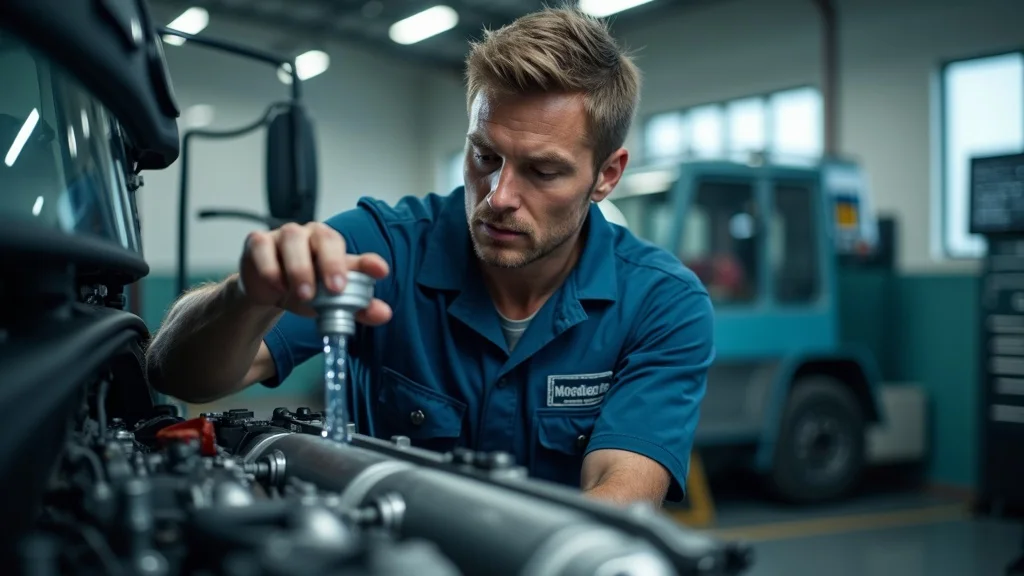
clean diesel engine coolant system—coolant being poured into tank in well-lit garage

  • Checking coolant levels: Inspect the coolant reservoir weekly during the hottest months; always use the correct mixture and flush system as recommended in the service manual.
  • Signs of low coolant in diesel vehicles: Unusually hot running temperatures, dashboard alerts, steam from the hood, and visible puddling near the vehicle’s front end.

Monitoring Oil for Peak Diesel Engine Performance in Hot Weather

Summer’s oppressive heat can turn protective engine oil into a liability if not closely monitored. The right oil grade for hot weather ensures proper viscosity—enabling it to maintain a film between engine parts even as temperatures climb. Regular oil changes are a crucial part of hot weather diesel engine care, especially since oil degrades more quickly under high temperature loads, potentially leading to increased friction, accelerated wear, or outright engine failure. Always consult your vehicle’s manual for the correct oil type, and be alert for warning signs during summer use such as darker, thinner oil on the dipstick, or knocking sounds from under the hood.

Frequent oil checks, particularly before long road trips or towing heavy loads, can mean the difference between smooth operation and sudden breakdown. Pair this with scheduled oil and fuel filter changes every few thousand miles—or more often if operating in dusty, extreme weather conditions—to ensure your diesel engine is running smoothly all season.

  • The right oil for hot weather conditions: Use high-quality synthetic or semi-synthetic oils designed for thermal stability in diesel engines.
  • Warning signs during summer use: Low oil level, milky or darkened oil, or metallic noises are signals to change oil immediately.

“Consistent oil changes protect diesel engines from summer’s excessive thermal stress.”

Fuel System Precautions in Extreme Weather Conditions

Protecting Diesel Fuel System Against Common Hot Weather Issues

The fuel system is a hidden hero that becomes highly susceptible to contamination and breakdown in the summer heat. Diesel fuel can absorb water from humid air, increasing the risk of microbial growth and injector damage. High temperature also accelerates fuel oxidation—altering the composition and risking loss of power or tough starts. Always fill up at reputable stations, and consider using additives that inhibit microbial growth during hot spells. Check the fuel filter regularly for sediment or water, and never ignore warning lights or sluggish starts, as these can signal deeper fuel system issues exacerbated by summer conditions.

For vehicles stored outside or used infrequently in extreme heat, proper storage is essential: park in shaded areas, use fuel stabilizers, and keep tanks as full as possible to limit condensation. By staying proactive, vehicle owners can extend the life and performance of their diesel vehicles—even during record-breaking heatwaves.

  • Avoiding contaminated fuel: Purchase diesel from high-traffic stations; avoid fuel from sources with reported water contamination.
  • Checking for water in the fuel system: Use water separator bowls; if water is detected, drain immediately to prevent injector or pump failures.
  • Proper storage of diesel vehicles: Store with a full tank, add stabilizer if sitting for more than 30 days, and shield from direct sun.

For those looking to go beyond the basics, understanding the full range of diesel truck repair and service options can help you address issues before they escalate. You can find more detailed guidance on maintenance routines and troubleshooting by exploring diesel truck repair and service solutions tailored for demanding conditions.

Maximizing Airflow and Cooling: Advanced Hot Weather Diesel Engine Care

When it comes to battling summer heat, maintaining optimal airflow is critical for diesel engine survival. The radiator and intercooler work together to remove excess heat and keep combustion temperatures within safe limits. Even a partially blocked radiator can cripple engine performance, so inspect for debris or damage before the season starts. Use compressed air or a soft brush to clean the fins and radiator face, and check for leaks, loose clamps, or damaged hoses.

The intercooler is especially important for turbocharged diesel engines, as it cools intake air between the turbocharger and the engine, boosting power while preventing excessive combustion temperatures. If airflow is restricted, expect immediate losses in performance and fuel efficiency, potentially leading to overheating and serious engine damage. Make airflow inspections a regular part of your hot weather diesel engine care routine, especially after driving through dusty or buggy areas.

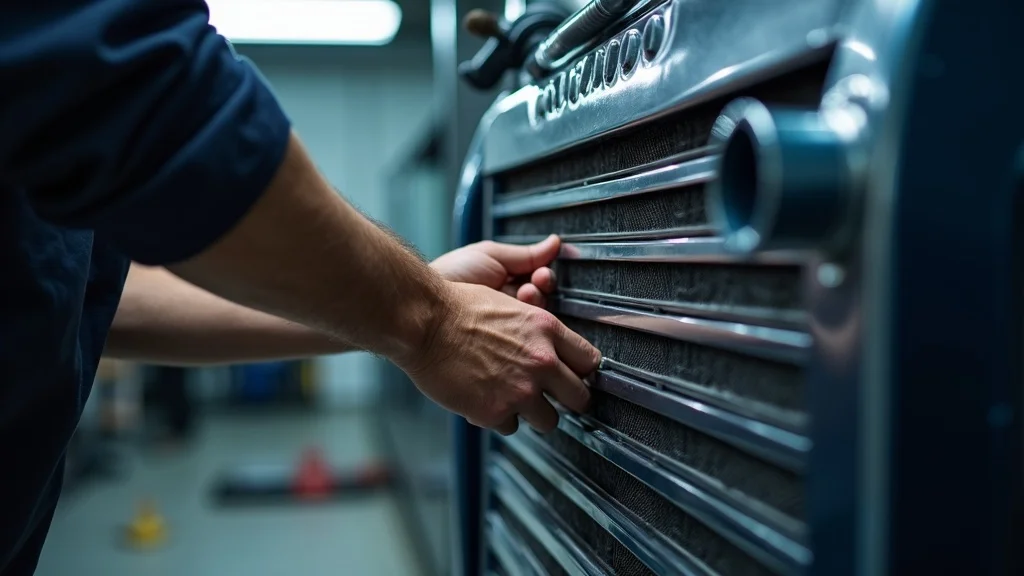
diesel engine radiator and intercooler maintenance—close-up of mechanic cleaning fins

  • Effective radiator function: Clean radiator fins regularly, look for corrosion, and ensure no coolant leaks are visible.
  • Intercooler maintenance for diesel engines: Clear debris from intercooler fins, inspect turbocharger hoses, and check clamps for tightness.
  • Signs your airflow system is compromised: Rising engine temperatures, diminished AC performance, or new whining sounds from the turbo system.

“An efficient cooling system is the diesel engine’s lifeline during severe heat.”

Inspecting Belts and Hoses for Diesel Vehicle Reliability

Belts and hoses are your diesel engine’s support system in the battle against summer heat, ensuring the cooling system stays functional and that power is properly distributed throughout the engine. High heat and constant tension can cause these rubber parts to turn brittle, develop cracks, or even snap without warning. For vehicle owners heading into summer, a thorough inspection is essential—look for visible wear, bubbles, soft spots, or slack. Pay particular attention to serpentine and timing belts, as their failure can lead to immediate engine failure.

Preventing breakdowns in harsh weather conditions means replacing any worn belts or hoses before symptoms appear. Don’t risk your summer plans on a $20 hose; roadside repairs are much costlier and always less convenient than a garage fix.

  • How to recognize wear and tear: Check for cracks, glazing, or fraying; squeeze hoses gently to feel for soft or spongy spots.
  • Preventing breakdowns in harsh weather conditions: Replace belts and hoses with any sign of damage—don’t wait for a full failure before taking action.

Proactive Replacement Timing for Hot Weather Diesel Engine Care

Replacing belts and hoses proactively is a cornerstone of long-term hot weather diesel engine care. Don’t wait for visible failure; most manufacturers recommend changing these components every 60,000 to 90,000 miles, but local mechanics in Columbia, SC suggest more frequent checks due to the region’s extreme summer heat. Combine scheduled replacements with visual inspections at every oil change to catch small problems before they grow. Your engine will thank you—especially when the next heatwave hits.

Battery Health in Diesel Engines During Hot Weather

Extreme weather conditions don’t just tax your cooling system—they challenge your battery, too. High temperatures can rapidly evaporate battery fluid and accelerate corrosion on terminals, sapping your diesel vehicle’s starting power. Modern diesel engines require robust batteries to crank high-compression motors; if battery health slips, hot weather can easily turn a marginal battery into a dead one overnight.

Regular battery testing—especially before summer peaks—can expose hidden weaknesses. Clean battery terminals and look for swelling, leakage, or weak starts as signs that a replacement may be needed. Preventive battery care is a simple but critical step in keeping your diesel vehicle running smoothly through any heatwave.

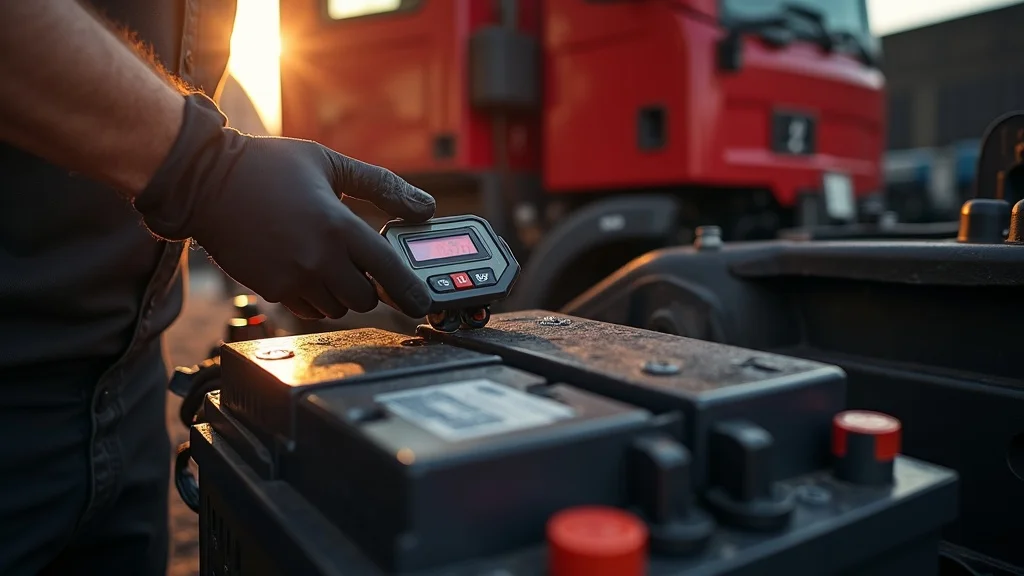
battery health check for diesel engine in summer—mechanic with digital tester and clean battery terminals

  • Effects of temperature on starting power: Heat weakens battery chemistry, slashing cold and hot cranking amps and increasing overnight discharges.
  • Testing and maintaining battery reliability: Use a digital tester monthly in summer, keep terminals spotless, and replace batteries before they hit three years of service for best results.

Understanding and Preventing Fuel Injection Problems in Diesel Vehicles

Few things can sabotage summer engine performance like neglected injectors—heat accelerates wear, carbon deposits, and injectors’ susceptibility to clogging or seizing. As diesel fuel heats up, it becomes less viscous, sometimes allowing contaminants to bypass the fuel filter and reach the injectors. This is especially problematic in stop-and-go city driving or when hauling loads in high temperature conditions.

Routine use of quality fuel, regular fuel filter changes, and periodic professional injector cleaning can extend injector lifespan. Be alert for symptoms such as rough idling, misfires, or a decline in power—all are signs hot weather may be taking its toll on your fuel injection system.

  • How hot weather accelerates injector wear: Increased thermal stress and impurity buildup occur more rapidly than in cooler conditions.
  • Protecting diesel engines from injector issues: Use clean, high-quality diesel fuel, add recommended conditioners, and observe strict fuel filter service intervals.

“Neglecting fuel injectors can leave even reliable diesel engines stranded in the heat.”

Practical Steps for Hot Weather Diesel Engine Care Before Your Next Drive

Before every summer drive, run through a quick but thorough pre-trip inspection to catch issues early and guarantee optimal engine performance. This process, while simple, can prevent the most common causes of summer breakdowns. Equip yourself with a checklist, start with a visual scan of the engine bay, and be systematic—checking coolant levels, examining oil and battery, and looking at belts, hoses, and the air filter.

Fast, organized pre-trip inspections become second nature for seasoned owners and fleet managers. Make note of anything unusual—leaks, glowing dashboard lights, off-sounds or smells—and address concerns right away, rather than risking a breakdown on a remote South Carolina highway.

diesel engine pre-trip inspection—driver checking under hood with checklist and tools

  1. Pre-trip checklist for diesel vehicles: Review coolant and oil levels, scan belts and hoses, inspect battery terminals, verify air filter cleanliness, and survey for leaks.
  2. Quick inspection sequence for maximizing engine performance: Under-hood scan first, then check dashboard alerts, and finally confirm tire, brake, and light function for overall road safety.

Expert Advice: Local Diesel Engine Care Tips from Columbia, SC Mechanics

Columbia, SC’s unique summer humidity and sustained high temperatures bring specific challenges for diesel engines. Local mechanics emphasize that heat-related repairs spike sharply from late May through August, making preventive care not just wise, but essential. Small steps—such as parking in shaded areas and doubling up on regular maintenance intervals—can add years to your diesel’s working life. Trusting experienced, local service providers ensures you get the right advice for the region’s demanding climate.

Mechanics here consistently see avoidable overheating, drained batteries, and fuel system failures each summer, reinforcing the message: proactive care is non-negotiable. Booking an early summer inspection from a trusted shop can catch minor issues before they escalate and avert the most common seasonal breakdowns.

  • Regional summer weather conditions: Extended stretches of 90°F+ weather and high humidity make local maintenance routines more frequent.
  • Diesel engine maintenance considerations for local climate: Double check coolant mixtures, battery charge, and pre-trip inspections before road trips.
  • Trusted local service providers: Local mechanics understand Columbia’s climate challenges—schedule service for peak performance during summer.

“Locally, we see a spike in diesel engine repair requests with the onset of Columbia’s summer heat—routine care is non-negotiable.” — Senior Diesel Mechanic, Columbia SC

Seeing maintenance in action helps reinforce best practices. In this visual walkthrough, a professional mechanic shows a step-by-step hot weather inspection of a diesel vehicle. Learn how to check coolant, inspect oil, monitor radiator efficiency, assess battery health, and examine belts and hoses—all with close-up demonstrations and animated overlays. Visual learning drives home the importance of each component in preventing summer failures.

Step-by-step walkthrough of a diesel vehicle pre-summer inspection

The video details each step in preparing your diesel engine for heat: first, inspecting coolant and radiator; next, verifying oil level and type; then checking belts, hoses, and the air filter; followed by testing battery output and examining the fuel system for contamination or water presence. Each move is highlighted to help you form a repeatable routine that will protect your vehicle during the hottest months.

Frequently Asked Questions about Hot Weather Diesel Engine Care

What temperature is too hot for a diesel engine?

Most diesel engines are designed to operate safely up to 210–220°F, but consistent engine temperatures above these thresholds signal potential problems. If your gauge creeps higher, especially in stop-and-go traffic or towing, pull over and let the engine cool. Always check your owner’s manual for specific safe operating limits, and never push your engine temperature into the danger zone during high weather conditions.

  • Safe operating thresholds for diesel engines in hot weather conditions: Typical maximum—210–220°F. Consistent excess indicates an urgent need for service.

What’s the worst thing for a diesel engine?

Lack of regular oil changes, neglecting the cooling system, and using contaminated diesel fuel are the most damaging practices—especially during summer. Ignoring engine temperature warnings or running with clogged air filters can rapidly lead to overheating and breakdown. Prevent overheating and engine failure by addressing these risks proactively.

  • Biggest risks to diesel engine performance during summer: Insufficient cooling, poor-quality fuel, worn belts/hoses, delayed maintenance intervals, and dirty air filters.

What is the most reliable diesel of all time?

Many experts consider the Cummins 5. 9L diesel—alongside specific Mercedes-Benz and International models—among the most reliable engines ever built. Today, advanced models from Ford Power Stroke, Duramax, and modern Cummins lines offer exceptional lifespan when maintained properly. Always check for proven reliability in your climate and consult Columbia, SC mechanics for their real-world experience with local performance.

  • Legacy models & modern reliable diesel vehicles: Classic Cummins and Mercedes models; modern Ford Super Duty and Chevrolet Duramax engines are trusted for longevity.

What kills diesel injectors?

Overheated, contaminated diesel fuel—especially with water or microbial growth—is a primary culprit in injector failures. Skipping fuel filter changes or running low-quality fuel during summer’s high weather conditions opens the door to costly repairs. Protect your injectors with regular system checks, additive use, and immediate attention to rough idling or power loss.

  • Common injector failure causes in hot weather and proper care: Water contamination, heat-induced wear, skipped filter changes, or persistent use of low-grade fuels.

Hot Weather Diesel Engine Care Checklist: Key Takeaways

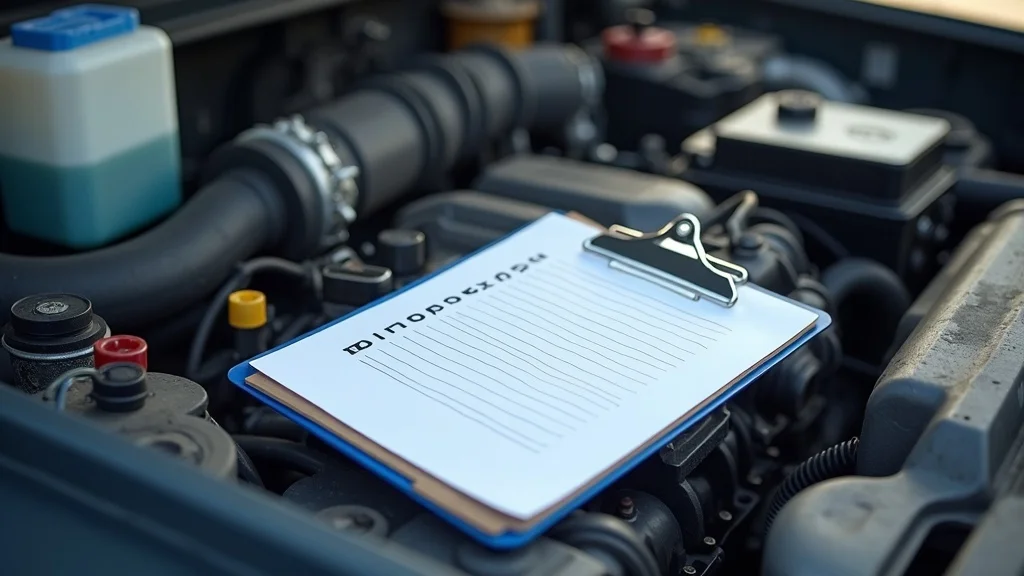
diesel engine summer maintenance checklist for hot weather—clipboard, tools, and fluids at engine bay

  • Consistent coolant checks
  • Monitor oil condition
  • Inspect belts and hoses regularly
  • Stay alert for fuel and injector problems
  • Don’t skip battery tests

Ready for Summer? Book Expert Diesel Engine Service

Conclusion: Consistent, proactive hot weather diesel engine care is your key to a long engine life and trouble-free summer driving in Columbia, SC.

If you’re interested in taking your diesel maintenance knowledge even further, consider exploring the broader landscape of diesel truck repair and service. Discover how comprehensive service strategies, advanced diagnostics, and expert support can help you maximize uptime and extend the life of your diesel vehicle—no matter the season. Dive deeper to unlock the full potential of your engine and ensure you’re always prepared for whatever the road and weather may bring.

Sources

To enhance your understanding of maintaining diesel engines during hot weather, consider exploring the following resources: Summertime Diesel Dos and Don’ts This guide offers practical advice on protecting your diesel engine during summer, including tips on airflow, coolant management, and handling dust. (perkins. com) The Impact of Warmer Weather on Diesel Engines This article discusses how high temperatures affect diesel engine performance and provides solutions to prevent issues like overheating and fuel degradation. (triad-ds. com) If you’re serious about maintaining your diesel engine’s performance during the summer months, these resources will provide you with valuable insights and practical tips.

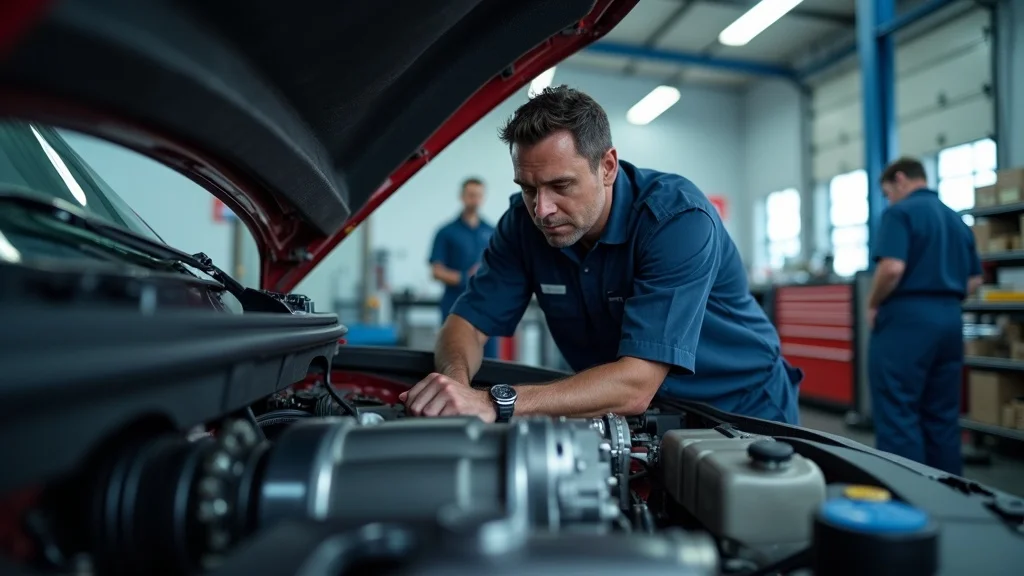
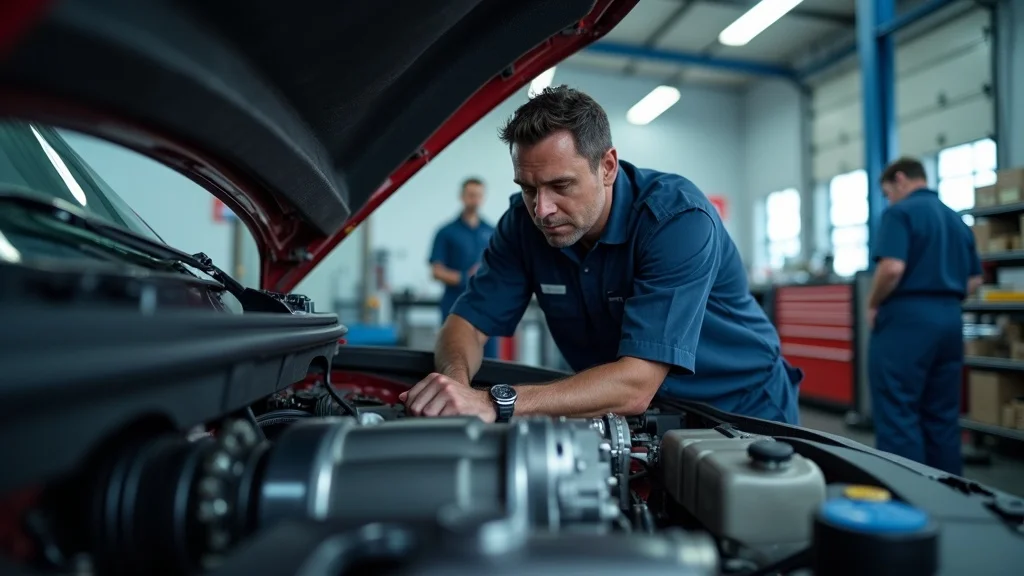
A mechanic in a blue uniform inspects and works under the hood of a car in a brightly lit auto repair shop, with two other mechanics working in the background.

Columbia SC Diesel Engine Tips You Can’t Afford to Miss

Did you know that regular diesel engine maintenance can extend the life of your vehicle by 100,000 miles or more? Whether you rely on your diesel-powered truck for work or family adventures around Columbia, ignoring routine checks risks costly breakdowns and lost productivity. Unlocking the best Columbia SC diesel engine tips is your ticket to a smoother, longer-lasting ride—and this guide brings you the same strategies trusted by local fleet operators and expert diesel mechanics in your area.

Unlocking the Secrets of Diesel Engine Longevity in Columbia SC

Drivers in Columbia, SC face a unique set of challenges when it comes to maximizing the durability of diesel engines. Local heat, humidity, and varied driving conditions place extra demand on vehicles. The most reliable way to keep your diesel engine running for years is through proactive engine maintenance, timely repair service, and knowing when to consult a certified diesel mechanic at a reputable shop in Columbia. Prolonged neglect, incorrect fuel use, or skipping scheduled checkups can shorten your engine’s lifespan significantly and may even void warranties.

Scheduling regular checks for oil levels, air and fuel filters, and responding promptly to dashboard warning lights are foundational tips passed down by the best Columbia diesel mechanics. In fact, experts suggest that catching minor issues early can prevent unexpected, major engine repairs and save thousands over a vehicle’s lifetime. Modern vehicles offer in-cab alerts such as the check engine light—never ignore these, as they’re your first warning before a minor issue becomes a catastrophic failure requiring an engine rebuild. To get the most from your investment, always consult a reliable service center for scheduled engine maintenance and take advantage of comprehensive repair services in Columbia SC.

“Regular diesel engine maintenance can save thousands in unexpected repairs and keep your Columbia SC vehicle running efficiently for years. ” — Local Diesel Mechanic Expert

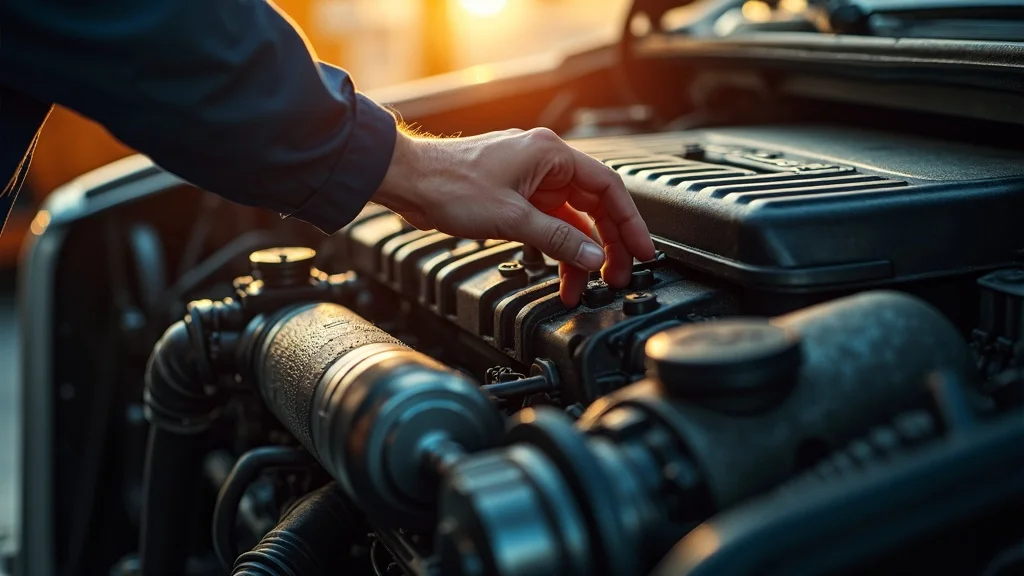
Crisp under-hood view of a clean diesel engine with a confident mechanic inspecting components in a Columbia SC auto garage

What You’ll Learn About Columbia SC Diesel Engine Tips

  • How to spot early signs of engine trouble
  • Best practices for diesel engine maintenance
  • When to seek a diesel mechanic or engine repair
  • Essential repair services available in Columbia SC
  • Key customer support and mobile diesel options

For those looking to dive deeper into hands-on solutions and specific repair options, exploring a comprehensive diesel truck repair and service resource can provide step-by-step guidance and help you make informed decisions about your vehicle’s care in Columbia SC.

Top Columbia SC Diesel Engine Tips for Reliable Performance

Reliability begins with consistency. Implementing the following Columbia SC diesel engine tips ensures your vehicle is ready for life’s demands—whether you’re cruising through downtown or hauling loads on I-26. Local diesel mechanics and shop owners agree that small, regular steps prevent most major breakdowns and extend the life of diesel engines. For those operating in and around West Columbia or seeking specialty services in central Columbia, prioritizing engine maintenance is the smartest move you can make.

Every diesel owner should treat these habits as non-negotiable: check and change filters before they’re dirty, monitor oil and fluid reservoirs, and keep an eye on dashboard alerts like the engine light. Responding quickly to these cues with help from a reputable diesel mechanic or mobile diesel specialist can mean the difference between a simple fix and a major engine repair—or even a full-blown engine replacement. Additionally, only use approved diesel fuels, as contaminated or low-quality fuel is one of the leading causes of injector and engine failure in South Carolina’s climate. The Columbia area offers a wealth of resources, including experienced shops and on-call mobile diesel repair teams, ready to help maintain your investment.

  • Check and change filters regularly
  • Monitor fluid and oil levels
  • Schedule consistent engine maintenance
  • Respond quickly to warning lights
  • Use only approved diesel fuels

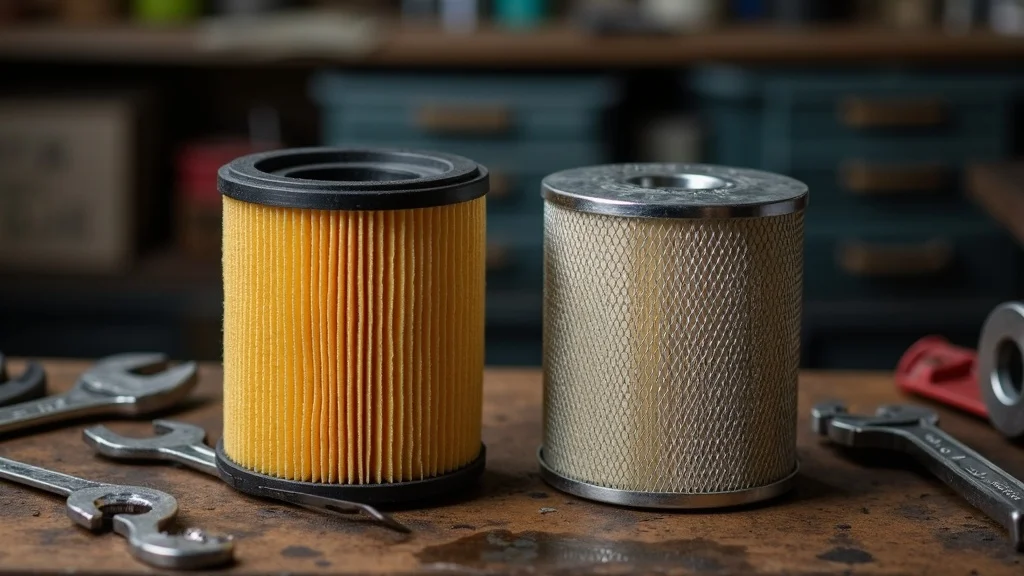
Closeup comparison of used versus clean diesel engine air filters on a workbench with Columbia SC license plate

Comparison of Common Columbia SC Diesel Engine Tips Recommended Frequency Expert Opinion
Check Oil and Fluid Levels Weekly Critical for longevity
Replace Air & Fuel Filters Every 10,000-15,000 miles Prevents injector issues
Inspect Belts and Hoses Annually Reduces risk of breakdowns

Mobile Diesel Repair Services in Columbia SC

Emergencies can strike at any time, and that’s why mobile diesel repair services in Columbia SC are gaining popularity among busy professionals, delivery drivers, and local businesses. A mobile diesel mechanic comes to your location, equipped to handle everything from basic diagnostics to full engine repair, minimizing downtime and eliminating towing fees. Many service providers in the area offer customer support via a dedicated support number, ensuring prompt communication 24 hours a day for urgent needs.

This is especially helpful for large fleets, commercial trucks, or vehicles that can’t easily reach a traditional auto shop in Columbia. Many of these mobile teams are certified technicians who provide the same level of quality as established shops, but with the added convenience of rapid, on-site repair services. For urgent concerns, make sure you have the right customer support number in your contacts—Columbia’s best mobile diesel mechanics often promise shorter wait times and a direct line to expert assistance.

Choosing a Mobile Diesel Mechanic for Fast Support

In the Columbia SC area, choosing a mobile diesel repair option means gaining immediate access to experienced technicians wherever your vehicle is stranded—be it in West Columbia, central business districts, or rural roads. Some of the strongest customer feedback highlights the comfort of fast support and transparent communication through an easy-to-access support number. If your diesel engine fails during odd hours or remote locations, mobile diesel mechanics can often provide emergency repair service, diagnose the problem, and get you back on the road without delay.

When considering which mobile diesel repair service is right for you, look for operations that clearly display their customer support number, are responsive to inquiries, and have a proven track record in the local Columbia area. Quick response times, transparency regarding services, and the ability to handle both minor and major engine repairs—like engine rebuilds—are major advantages. Ask if they offer customer support 24 hours a day, so you’re never left waiting during an emergency.

  • Benefits of mobile diesel support in Columbia SC
  • Customer support number accessibility
  • Getting quick repairs at your location

Approachable mobile diesel mechanic smiling beside a diesel truck on a Columbia SC street

Finding the Right Diesel Mechanic and Engine Repair Shop in Columbia SC

Locating a trustworthy diesel mechanic or engine repair shop in Columbia SC requires research and attention to customer reviews, certifications, and service capabilities. While there are many options in both West Columbia and the city center, the best shops employ certified technicians with expertise in diesel engine maintenance, complex engine repairs, and regular upkeep. Whether you need heavy-duty fleet services or routine maintenance, matching your needs to the right repair service center is crucial. Always ask about their experience with your specific model and engine type before booking an appointment.

If convenience is your priority, compare mobile diesel repair teams with established shops in Columbia. Many operators now offer a hybrid approach: a physical service center for major diagnostics and rebuilds, with mobile support for urgent repairs or diagnostics on the go. West Columbia is home to several renowned shops, while central Columbia boasts updated technology and shorter waiting times. Don’t hesitate to shop today and evaluate opening times to find the best fit. Always check for transparent pricing, warranty on services, and access to a dedicated customer support number for follow-up questions.

Top-Rated Engine Repair and Diesel Mechanic Services in Columbia

Top-rated repair services in Columbia prioritize clear communication, quick turnarounds, and in-depth knowledge of diesel engine maintenance and advanced engine repairs. Consider the following when making your decision: does the shop employ certified diesel mechanics? Are both engine repair and transmission service available under one roof? Can they handle major procedures like engine rebuilds or engine replacement?

In West Columbia, some shops stand out for their expertise with older engines and their ability to source hard-to-find parts. Central Columbia shops tend to excel in the latest diagnostic technology and fast customer support. When stranded, always confirm if the shop offers emergency service or a mobile diesel mechanic option for faster, more flexible repairs. Quality, reputation, and responsiveness make all the difference when it comes to protecting your vehicle.

  • How to choose between shop in Columbia vs. mobile services
  • Evaluating repair service quality
  • West Columbia vs. Central Columbia options

Columbia SC Diesel Engine Maintenance: Preventing Costly Engine Repairs

Consistent engine maintenance remains the foundation for reliable performance and long-term savings in Columbia SC. The area’s mix of intense humidity, frequent rain, and seasonally high temperatures creates unique challenges for diesel engine longevity. Proactive care—like timely oil changes, air and fuel filter replacements, and seasonal checkups—are vital for minimizing the risk of surprise engine repairs. Repair services in Columbia are equipped with the knowledge and supplies needed to counteract local climate effects on engines.

Neglecting routine checks can lead to engine trouble that may necessitate expensive engine rebuilds or even full engine replacement. Scheduling an annual maintenance visit to a reputable shop in Columbia ensures that issues like corrosion, condensation in fuel lines, and early signs of wear are addressed before they threaten your vehicle’s lifespan. Remember, the best way to extend the life of your diesel is by building a relationship with a reliable service center and making preventive maintenance a year-round habit.

Engine Maintenance Tips Unique to Columbia’s Climate

Columbia SC’s high humidity accelerates corrosion on many parts of a diesel engine—especially fuel injectors, hoses, and exposed connectors. It is essential to keep an eye on water contamination, particularly during seasonal changes and after periods of heavy rain. Diesel mechanics in the area recommend regular inspections for dew buildup and quick draining of water separators as critical to avoiding more costly engine repairs.

Seasonal maintenance is another must for Columbia drivers. In summer, checking coolant strength and radiator performance prevents overheating—a common problem during South Carolina’s heatwaves. In winter, an extra inspection of glow plugs and battery health ensures reliable cold starts. These climate-specific tips empower local diesel owners to respond proactively before small issues escalate to major repair in Columbia. For extra peace of mind, schedule maintenance with a diesel mechanic familiar with local weather patterns.

  • Humidity and diesel engine longevity
  • Seasonal engine repair recommendations

Diesel engine showing dew and humidity effects in a Columbia SC garage with glistening engine parts

When to Consider Engine Replacement or Engine Rebuild in Columbia SC

Some engine problems are beyond simple repair. Knowing when to invest in an engine rebuild or engine replacement can save you thousands and ensure your vehicle stays on the road for years to come. If your vehicle experiences persistent power loss, visible oil leaks, or emissions problems that can’t be fixed by basic maintenance, it’s time to consult a trusted repair service for expert diagnosis. A skilled diesel mechanic or service center can assess whether worn components or catastrophic damage have made an engine rebuild necessary.

The key difference between engine repair, rebuild, or replacement lies in the scope and severity of the damage. Engine rebuilds involve replacing most internal components—like bearings, pistons, and gaskets—while keeping the engine block intact. Engine replacement swaps the old unit for a new or remanufactured one. In Columbia, the choice depends on cost, availability, and your vehicle’s overall value. Look to local auto shops for guidance, as their certified technicians can help you balance longevity, safety, and your budget.

  • Signs you need an engine rebuild
  • Difference between engine replacement and engine repair

Diesel Engine Transmission Service and Repair in Columbia

Transmission health is inseparable from diesel engine longevity and performance. Delays in addressing transmission issues—like slipping gears, delayed shifting, or overheating—can rapidly accelerate engine wear and lead to expensive auto shop visits. Diesel-specific transmission service centers in Columbia SC are equipped to diagnose subtle symptoms, change transmission fluid, and make timely repairs to protect your investment.

Choosing a local transmission service provider with a strong reputation for customer support ensures that all interconnected components—engine, transmission, and supporting electronics—are serviced together. Look for shops that communicate clearly, use high-quality parts, and can provide repair services for both manual and automatic diesel transmissions. Many central and West Columbia technicians offer quick-turnaround service and transparent customer support channels, helping you avoid surprises and maximize vehicle uptime.

Why Transmission Service is Crucial for Diesel Engines

Transmission service keeps your diesel engine operating at peak efficiency, reducing unnecessary strain on high-torque components. Regular fluid and filter changes, along with diagnostic scans, can identify transmission issues before they threaten your engine. An unresolved transmission fault can lead to increased engine temperature, excess fuel consumption, and even trigger the check engine light. Columbia’s best diesel mechanics emphasize the tight relationship between engine and transmission for maintaining performance and achieving reliable fleet services for businesses.

For quality transmission service in Columbia, visit shops with certified technicians trained in both diesel engine and transmission systems. Don’t wait until a breakdown interrupts your workflow—scheduled maintenance and prompt repairs truly pay off. As always, keep your local customer support number available to address transmission or engine trouble the moment it arises.

  • How transmission health affects diesel engine performance
  • Where to get quality transmission service in Columbia

Detailed closeup of a diesel engine transmission system in a Columbia SC workshop

Customer Support: Your Lifeline for Columbia SC Diesel Engine Success

Customer support is crucial in ensuring a smooth experience for every Columbia SC diesel engine owner. Whether you drive a family truck or manage a fleet, timely access to a customer support number separates minor inconveniences from major, costly repairs. Quality diesel mechanics and engine repair shops in Columbia strive to be available around the clock, understanding that emergencies rarely wait for regular business hours. Keeping a shop’s customer support number handy means you receive fast, relevant advice whenever you need it.

Consistent, ongoing customer support isn’t just for emergencies. The best mechanics in Columbia SC provide detailed maintenance tips and reminders for oil changes, seasonal checks, and timely engine repair scheduling—keeping you informed and ensuring your diesel engine performs reliably. Many shops now offer digital reminders, chat assistance, and direct customer support numbers for speaking with technicians, making trusted repair service even more accessible.

Contacting Customer Support and Support Numbers in Columbia

Knowing when to call your repair shop or mobile diesel service is vital for minimizing downtime and protecting your engine’s health. Reach out immediately whenever your engine light turns on, a strange noise develops, or your routine checkup reveals abnormal wear or leaks. If you’re ever stuck on the roadside or your regular auto shop is closed, use the customer support number for guidance, scheduling urgent service, or answering questions about ongoing maintenance needs.

Regular communication with support staff can also provide personalized diesel engine tips tailored to your vehicle and local driving conditions. Shops in Columbia SC are proud to support the community with emergency service, thorough repair services, and genuinely helpful guidance—both over the phone and in person. Don’t hesitate to ask for advice on how to extend the life of your diesel vehicle or to clarify the timing for your next engine maintenance visit.

  • When to call for immediate repair service
  • Using customer support for ongoing diesel engine tips

People Also Ask

What is the holy grail of Duramax?

Many diesel experts refer to the LBZ Duramax engine as the “holy grail” for its robustness, power, and reliability—making it a popular choice among Columbia SC diesel engine enthusiasts.

What kills diesel injectors?

Failed diesel injectors are often caused by contaminated fuel, clogged filters, or neglecting regular engine maintenance. Consistent upkeep and proper care of your diesel engine in Columbia SC can prevent this common issue.

Macro shot of corroded and clean diesel injector tips showing impact of contamination in Columbia SC

Do I need to let my diesel idle before driving?

Warming up your diesel engine for a minute or two allows oil to circulate and reach operating pressure—a habit many Columbia SC diesel experts recommend for maximizing engine longevity.

Can diesel still be used after sitting in the tank for 2 years?

Diesel sitting in a tank for two years may degrade or collect condensation. Experts in Columbia SC recommend checking for signs of contamination and considering a fuel test or complete replacement if the fuel is old.

Frequently Asked Questions About Columbia SC Diesel Engine Tips

  • How often should I visit a diesel mechanic in Columbia SC?
    Most experts recommend scheduling a maintenance visit every 10,000 to 15,000 miles for routine checks, with more frequent visits if any warning lights or unusual symptoms appear. Preventive care is the best way to avoid major repairs and extend the life of your engine.
  • Can I schedule mobile diesel engine repair after business hours?
    Yes. Many Columbia SC mobile diesel mechanics offer emergency service and customer support 24 hours a day, ensuring help is available whenever you need it—even outside typical opening times.
  • Are engine rebuilds common in Columbia SC?
    Engine rebuilds are less common than routine repairs, but they do occur, especially in high-mileage or fleet vehicles. A reputable repair shop in Columbia can advise on whether an engine rebuild is the right choice based on your specific concerns and engine age.

Expert Key Takeaways on Columbia SC Diesel Engine Tips

  • Routine engine maintenance is non-negotiable
  • Choose reputable diesel mechanic or engine repair shops for all major services
  • Use Columbia-based mobile diesel services for convenience
  • Keep customer support numbers handy for emergencies

Ready for Reliable Diesel Engine Performance?

  • Discover the top Columbia SC diesel mechanics for everything from engine repair to mobile diesel services. Book your consultation today: Diesel Mechanics

Conclusion

Staying proactive with diesel engine maintenance, repairs, and mobile support ensures long-lasting performance. Keep these Columbia SC diesel engine tips in mind and partner with trusted local experts for unbeatable reliability and peace of mind.

If you’re ready to take your diesel maintenance strategy to the next level, consider exploring the full spectrum of diesel truck repair and service solutions available in Columbia SC. From advanced diagnostics to comprehensive fleet management, these resources empower you to make smarter decisions and maximize your vehicle’s uptime. Whether you’re a business owner managing multiple trucks or a dedicated driver seeking peace of mind, tapping into expert-led repair and service options can transform your approach to diesel reliability. Discover how a holistic service partnership can help you stay ahead of costly repairs and keep your diesel running strong for years to come.

Sources

Maintaining your diesel engine in Columbia, SC, requires expert care and timely service. For comprehensive engine maintenance and repair, consider Professional Tire & Radiator Service, which offers a range of services to keep your engine running efficiently. (ptrsc. com) Additionally, Jay’s Diesel Repair provides specialized diesel engine services, including preventive maintenance and both minor and major repairs, ensuring your vehicle remains in top condition. (jaysdieselrepair. com) If you’re serious about extending the life and performance of your diesel engine, these resources will provide the professional support and expertise you need.