
Opening Times:

24 Hours A Day

A person drives a car on a highway at sunset, with a red semi-truck passing by in the opposite lane. Trees line the road, and sunlight streams through a partly cloudy sky.

Diesel Engine Fuel Efficiency Summer Hacks You Need to Know

Did you know? Experts estimate that high summer temperatures can reduce diesel engine fuel efficiency by up to 15%—often catching even seasoned drivers and fleet managers off guard. During the peak of summer months, failing to adapt your maintenance and driving strategy can quickly turn ordinary drives into costly challenges. If you rely on a diesel engine for work or travel, understanding—and applying—these critical summer fuel efficiency hacks could mean the difference between a smooth ride and unexpected headaches on the road.

Unlocking Diesel Engine Fuel Efficiency During Hot Weather: Startling Insights

When temperatures soar, your diesel engine fuel efficiency summer strategy becomes crucial. Hot weather puts unique stress on your diesel engine and fuel system, reducing fuel economy and risking reduced engine performance. The summer months often bring unique challenges that can affect fuel flow, engine run quality, and even the reliability of your cooling system. In Columbia, SC, where summer heat is relentless, local diesel mechanics note a sharp uptick in calls about overheating and efficiency loss. Addressing these seasonal challenges early—with the right fuel blends, proactive engine maintenance, and strategic driving habits—ensures your diesel engine stays in top condition and operating smoothly for months to come.

“Many diesel engine owners underestimate how much hot weather affects fuel economy and engine performance.” – Local Diesel Specialist, Columbia SC

A sun-drenched diesel truck speeds down a summer highway, demonstrating diesel engine fuel efficiency in hot weather conditions.

What You’ll Learn About Diesel Engine Fuel Efficiency Summer Hacks

  • How hot weather and seasonal fuel blends influence diesel engine fuel efficiency
  • Essential maintenance steps for optimal engine performance in summer months
  • Best fuel system practices and fuel economy tips
  • Frequently asked diesel engine questions for summer driving

The Science Behind Diesel Engine Fuel Efficiency in Summer

To maximize diesel engine fuel efficiency summer results, it’s vital to understand how hot weather uniquely interacts with diesel fuel and engine components. As outside temperature rises, diesel fuel’s volatility increases, sometimes resulting in reduced energy content per gallon. Modern engines compensate with advanced controls, but seasonal fuel blends are specifically engineered to counteract the challenges posed by warmer temperatures. This means the fuel you use in July is chemically optimized for summer heat, but only if your fuel system is clean and filters are new. The fuel tank itself becomes a miniature ecosystem—susceptible to condensation and microbial growth—making fuel quality and tank cleanliness more essential in hot, sticky Southern climates like Columbia, SC.

For those looking to go beyond seasonal fuel blends and routine checks, understanding the broader scope of diesel truck repair and service can help you address underlying issues that impact summer fuel efficiency. Comprehensive service ensures your engine, fuel system, and cooling components are all working in harmony for optimal performance.

Comparison of Seasonal Fuel Differences: Summer vs. Winter Blends
Attribute Summer Diesel Blend Winter Diesel Blend
Volatility Lower volatility (prevents vapor lock) Higher volatility (improves cold starting)
Energy Content Higher energy per gallon Slightly less energy to avoid gelling
Viscosity Denser fuel for improved combustion in heat Thinner to flow better in cold weather
Fuel Additives Anti-oxidants, biocides for microbial growth Anti-gel, cloud-point depressants

Impact of Hot Weather on Diesel Engine Performance

During the peak summer months, diesel engines endure a barrage of stressors due to persistent high temperatures. Overheating becomes a prime concern; as ambient heat rises, your engine cooling system must work extra hard to maintain optimal temperature, or else you risk severe performance loss. Fuel efficiency in these conditions can be compromised by even minor lapses in maintenance or monitoring, such as clogged air filters or insufficient coolant. For owners in hot climates, ensuring engine performance isn’t just about comfort—it’s about preventing fuel waste, engine run issues, and the frustration of roadside breakdowns.

  • Increased risk of overheating
  • Potential for decreased fuel efficiency
  • The importance of monitoring fuel systems

Mechanic inspects a diesel engine in an open-air summer garage environment, showcasing maintenance for optimal engine performance during hot weather.

Seasonal Fuel and Summer Fuel Blends: What Diesel Owners Need to Know

Between May and September, refineries shift production to summer diesel fuel blends that combat vapor lock and prevent reduced fuel economy caused by high temperatures. Summer blends exhibit different fuel blend characteristics compared to winter diesel—they have lower volatility for safety and efficiency, and higher energy density for sustained power and better fuel flow under heat stress. Understanding when and why to use the right seasonal fuel can directly impact your diesel engine’s performance, fuel efficiency, and reliability. Regular inspection of your fuel tanks and lines for leaks, contaminants, and microbial growth becomes more important as summer heat accelerates fuel breakdown and filter clogging.

Diesel Fuel Blend Characteristics in Summer
Blend Type Key Benefit Performance Impact
Summer Diesel Blend Resists vapor lock and oxidation Improved fuel economy, stable engine run
Winter Diesel Blend Resists gelling, easy starting in cold Better cold flow, less suitable for hot weather

“Switching to the appropriate summer diesel blend can mean smoother starts, better fuel economy, and safer engine operation.”
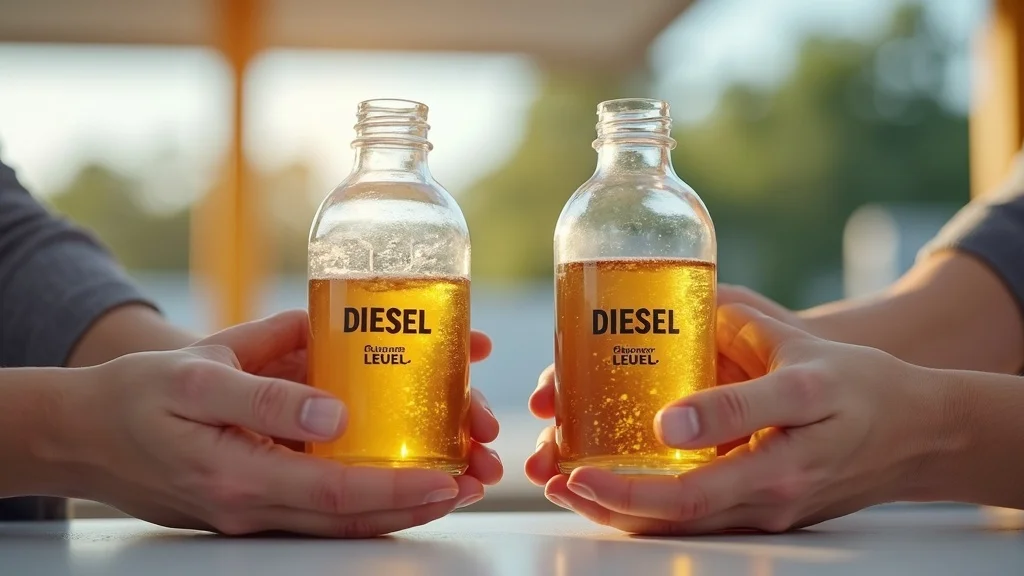
Two hands hold contrasting summer and winter diesel fuel samples, demonstrating seasonal fuel blend differences vital for diesel engine fuel efficiency.

Diesel Engine Summer Maintenance Tips for Fuel Efficiency

As the mercury climbs, your summer maintenance strategy becomes the frontline defense for diesel engine fuel efficiency. Adopting proactive maintenance habits ensures every component—especially the fuel system and cooling system—operates at peak efficiency even during high temperatures. Begin with a thorough inspection and cleaning of your entire fuel system. Clogged fuel filters or dirty injectors can drastically reduce fuel flow and lead to reduced fuel economy, impacting your bottom line whether you’re a fleet manager or a solo driver. Next, keep a close eye on coolant levels and engine temperature; overheated engines not only waste diesel fuel due to incomplete combustion but can also cause lasting engine damage—a costly consequence that’s easily preventable with diligence.

  1. Inspect and clean the fuel system regularly
  2. Monitor coolant and engine temperature
  3. Replace air and fuel filters before peak season
  4. Use recommended diesel fuel additives
  5. Check tire pressures and alignment for optimum fuel economy

Maintaining correct tire pressures and wheel alignment has an often-overlooked effect on fuel efficiency. Underinflated tires create unnecessary drag, causing your diesel engine to work harder especially when the pavement is hot, resulting in avoidable fuel waste. Regular inspection—before problems arise—ensures you beat the summer heat instead of suffering its consequences.

Essential Engine Performance Checks for Hot Weather

A regular inspection routine is non-negotiable when optimizing diesel engine fuel efficiency summer outcomes. Elevated temperatures intensify wear on engine parts, particularly areas like the cooling system, belts, hoses, and fans, all crucial in sustaining performance. Monitoring your engine oil and coolant levels should be routine: running low on either in summer can doom engine performance and leave you stranded with an overheated diesel engine. Replacing worn belts and examining fans for damage ensure your cooling system is always ready for heat spikes, preventing vapor lock and keeping fuel flowing consistently.

  • Check oil and coolant levels
  • Inspect belts, hoses, and fans
  • Examine turbochargers for wear

Don’t overlook your turbocharger. In hot climates, turbochargers can be pushed to their limits, and any sign of oil leakage or performance drop should prompt immediate servicing. A neglected turbo reduces both power and fuel economy, further exacerbating the challenges posed by high summer temperatures.
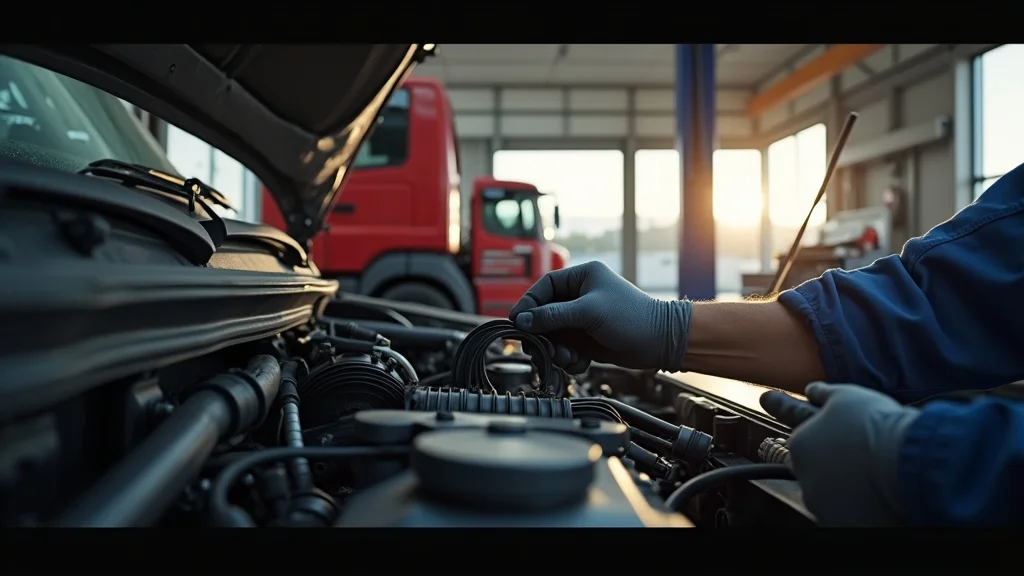
Mechanic assesses coolant and checks belt tension under a diesel truck hood, focusing on vital engine performance checks for summer.

How Fuel Systems and Filters Affect Diesel Engine Fuel Efficiency Summer Results

The fuel system and its filters are the heart of diesel engine fuel efficiency, particularly during the stress of summer. Clogged filters inhibit proper fuel flow, leading to reduced fuel injection pressure and inefficient combustion. When fuel quality drops due to contaminants or microbial growth (common in warm, damp fuel tanks), performance losses escalate and maintenance issues multiply. To counteract these risks, replace your fuel filter and air filter at the start of each summer. These simple steps will immediately boost fuel economy by ensuring only clean diesel reaches the injectors, maximizing power and protecting vital engine components from avoidable wear caused by debris or water in the fuel system.

High-quality filters, along with seasonal fuel blends and additive treatments, create an integrated defense system against both gradual and sudden dips in efficiency. Monitoring your fuel systems closely can help catch small problems before they snowball into major summer breakdowns—while improving your overall driving experience and prolonging engine life.

Should You Modify Driving Habits for Maximum Summer Diesel Engine Fuel Efficiency?

Your driving style can have a surprising impact on diesel engine fuel efficiency summer performance. Rapid acceleration or hard braking causes spikes in fuel consumption and heat generation—two factors that detrimentally affect fuel economy in the summer months. Adopting smooth, gradual acceleration and deceleration practices, along with mindful route planning to avoid traffic or frequent stops, will keep your engine running cooler and more efficiently. Reducing unnecessary weight or loads is another simple yet often neglected hack; excess cargo forces your engine to work harder, wasting diesel fuel and accelerating wear on critical systems like the cooling system, brakes, and suspension.

  • Optimal acceleration and deceleration practices
  • Effective route planning
  • Reducing unnecessary load

Effective route planning and load management may seem like minor details, but during the hot weather of Columbia, SC, they can spell the difference between passing the next service station with ease or dealing with a roadside emergency. Make these habits routine to maximize fuel efficiency and keep maintenance costs low.

Interior of a modern diesel truck cab, focused on driver using smooth acceleration techniques for improved summer fuel economy.

Summer Diesel Engine Fuel Efficiency: Top Additives and Treatments

Diesel engine fuel additives can be your secret weapon for avoiding the pitfalls of summer months. Specially formulated summer additives stabilize fuel quality, deter microbial growth, and enhance lubricity at high temperatures, allowing your fuel system and engine cooling system to work without undue stress. These treatments protect against oxidation, improve combustion stability, and aid in keeping injectors, fuel filters, and tanks cleaner for longer. This directly translates to improved fuel economy and reduced downtime due to maintenance issues. Always choose additives compatible with your specific summer diesel fuel blend and consult trusted diesel repair professionals for tailored advice.

“Additives suited for hot weather can cut down maintenance costs and extend engine life.”
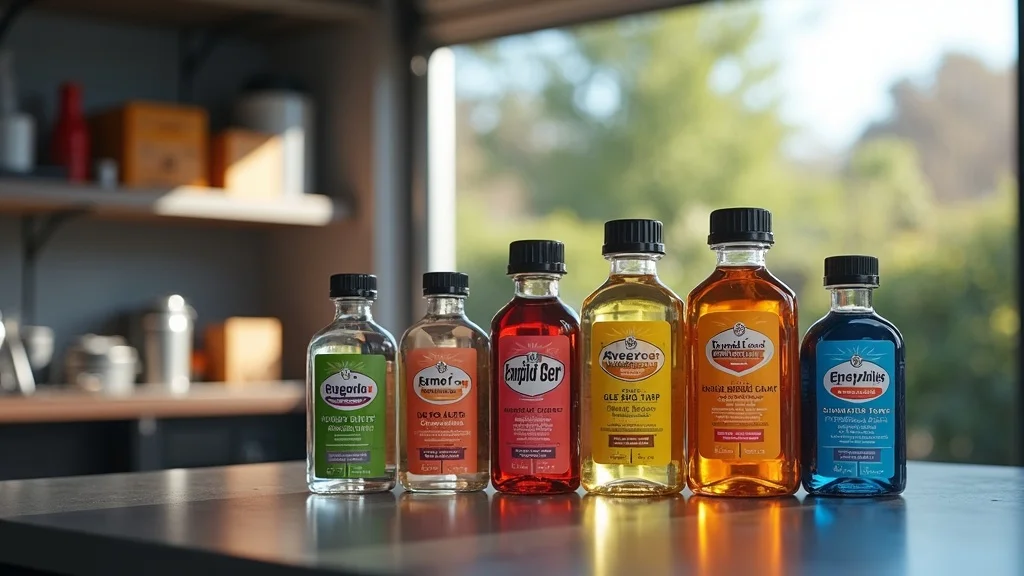
Display of summer diesel fuel additives and treatments, highlighting products for enhanced engine fuel efficiency.

Troubleshooting Common Diesel Engine Issues in Summer Months

Even the most prepared diesel engine owners encounter issues during hot weather. Seasonally, the biggest culprits are vapor lock—caused by fuel vaporizing in lines or injectors—and overheating, especially if coolant or belt systems are neglected. Other challenges include compatibility issues with summer-specific fuel blends or breakdowns resulting from contaminated diesel fuel, such as reduced power or poor starting. Quick fixes, such as safely purging air from fuel lines or topping off fluids, can get you back on the road, but these are temporary solutions. Prioritize rapid root-cause analysis to avoid repeat issues and further damage during the most demanding driving months.

  • Symptoms of vapor lock or overheating
  • Challenges with summer diesel fuel blends
  • Quick fixes for common summer breakdowns

Regular, professional diagnostics and system checks help ensure your summer travels are both efficient and safe. If breakdowns become routine, especially after you’ve applied all common summer engine hacks, do not hesitate to seek expert help in Columbia, SC for advanced diesel engine troubleshooting and repair.

FAQ: Diesel Engine Fuel Efficiency Summer Questions Answered

Can you run #1 diesel in the summer?

#1 diesel is typically designed for winter use due to its higher volatility and better cold flow properties. Running #1 diesel during the summer isn’t recommended as its lower energy content and thinner profile can actually reduce engine performance and fuel economy in hot weather. Instead, opt for summer-specific fuel blends that are optimized for high temperature conditions to maintain top diesel engine fuel efficiency summer results.

How do you get 30 MPG on a Duramax?

Achieving 30 MPG on a Duramax diesel engine requires a combination of careful driving habits, consistent maintenance, and the use of high-quality, seasonally appropriate diesel fuel blends. Make sure your air and fuel filters are clean, tire pressure is correct, and your diesel fuel system is free of contaminants. Practicing smooth acceleration, minimizing idling, and lightening vehicle loads can also contribute to better fuel economy in the hot summer months.

What not to do in a diesel car?

Never neglect regular engine maintenance, especially during summer. Avoid using winter blends during hot months, as these can result in reduced fuel efficiency and engine stress. Don’t skip fuel system cleaning or use low-quality diesel fuel—both can lead to clogged injectors, poor combustion, and unexpected breakdowns. Lastly, don’t ignore warning signs like high coolant temperature or excessive engine noise during hot weather.

Is diesel 1 or 2 better for summer?

#2 diesel is typically better suited for summer operation. It contains more energy per gallon, is less volatile, and offers better engine performance in high temperatures compared to #1 diesel. Always select the fuel blend recommended by your engine manufacturer or trusted local mechanic for Columbia, SC conditions.

Key Takeaways for Diesel Engine Fuel Efficiency in Summer

  • Summer months pose unique challenges for diesel engine fuel efficiency.
  • Choose the proper summer fuel blend and monitor your fuel system.
  • Proactive maintenance and driving habits are crucial for optimal fuel economy.

Get Professional Diesel Engine Support in Columbia, SC

Don’t let summer heat sideline your diesel engine. For expert diagnostics, seasonal maintenance, or repair, contact trusted Diesel Mechanics in Columbia, SC today. Keep your engine running cool, efficient, and worry-free all summer long!

If you’re ready to take your diesel engine’s performance and reliability to the next level, consider exploring the full spectrum of diesel truck repair and service solutions available in Columbia, SC. From advanced diagnostics to preventive maintenance and emergency repairs, a comprehensive service approach can help you stay ahead of seasonal challenges and maximize your investment. Whether you manage a fleet or drive a single truck, leveraging professional expertise ensures your diesel engine is prepared for every mile—no matter how high the summer temperatures climb. Discover how a proactive partnership with skilled technicians can keep your vehicle running stronger, longer, and more efficiently all year round.

Sources

To enhance your diesel engine’s fuel efficiency during the summer months, consider the following expert-backed strategies: Regular Cooling System Maintenance: High temperatures can strain your engine’s cooling system, increasing the risk of overheating and engine wear. Regularly checking coolant levels, inspecting the radiator, and cleaning or replacing cooling fans can help maintain optimal performance. (triad-ds. com) Use of Seasonal Fuel Blends: Diesel fuel formulations change with the seasons. Summer diesel typically has a higher cetane rating and lower volatility, which improves combustion efficiency in warm temperatures. Using the correct seasonal blend helps prevent injector deposits and supports cleaner fuel burn. (archieandsonsdieselrepair. com) Monitoring Air Conditioning Usage: Running the vehicle’s air conditioning is the main contributor to reduced fuel economy in hot weather. Its effect depends on factors such as the outside temperature, humidity, and intensity of the sun. Under very hot conditions, A/C use can reduce a conventional vehicle’s fuel economy by more than 25%, particularly on short trips. (energy. gov) Implementing these practices can help mitigate the challenges posed by summer heat, ensuring your diesel engine operates efficiently and reliably throughout the season.


A tree-lined suburban street with parked cars on both sides, including a black sedan on the left and a white sedan on the right. Houses and greenery are visible in the background under bright daylight.

Columbia SC Vehicle Maintenance Tips for Stress-Free Summer Driving

Imagine a warm summer morning in Columbia, SC—the sun filters through waving trees, your car gleams in the driveway, and you feel peace of mind knowing your ride is ready for every family adventure, spontaneous road trip, and daily commute. That feeling isn’t just luck—it’s the result of proactive Columbia SC vehicle maintenance. This guide will show you how to keep your car running smoothly and your journeys worry-free, no matter how high the temperatures climb. By following expert advice from trusted local auto repair shops and diesel mechanics, you ensure reliable performance—and unforgettable summer memories on the road.

Summer Driving in Columbia SC: The Importance of Proactive Vehicle Maintenance

Summer in Columbia, SC, is marked by soaring temperatures and humidity, putting extra stress on every part of your vehicle—from the engine to the tires. Proactive Columbia SC vehicle maintenance is the difference between making the most of summer fun and coping with unexpected breakdowns on the side of a busy road. Essential maintenance steps—like regular oil changes, battery checks, and air conditioning service—are critical for safe, stress-free driving. Local auto repair shops emphasize that being prepared ensures not only your own safety and comfort but also that of your passengers, whether you’re headed downtown for ice cream or taking a weekend escape to Lake Murray.

Expert auto repair shops and certified diesel mechanics in Columbia SC are dedicated to providing quality car service all season long. By taking a preventive approach, you reduce the risk of midsummer breakdowns while safeguarding the investment you have in your vehicle. That’s why knowledgeable service centers recommend scheduling regular checkups and following maintenance guidelines before hitting the open road. Proactive care keeps your car running smoothly—even as temperatures and road traffic peak in West Columbia and beyond.

Well-maintained cars parked in a sunny Columbia SC neighborhood street, representing Columbia SC vehicle maintenance for summer driving.

Why Columbia SC Vehicle Maintenance Matters Before Summer Road Trips

When the urge hits for an impromptu trip—whether it’s to the coast, upstate mountains, or just across town for family fun—a well-maintained car means every mile is a breeze. Columbia’s summer weather challenges both gasoline and diesel vehicles, sometimes causing fluids to evaporate faster or batteries to wear out sooner. Routine checks performed by a trusted auto repair shop go beyond simple oil changes to include testing the air conditioning, examining brake quality, and ensuring all safety features are in top shape. With so many makes and models cruising the city, adopting a regular vehicle maintenance schedule is a summer must-have, not just for convenience but for lasting peace of mind.

“A well-maintained vehicle is your ticket to safe, worry-free summer adventures across Columbia and beyond.” – Local Diesel Mechanic Expert

What You’ll Learn: How Columbia SC Vehicle Maintenance Protects Your Car & Your Peace of Mind

  • How to prepare your car for Columbia’s hot, humid summer conditions
  • The essential steps for comprehensive vehicle maintenance
  • Expert insights from leading auto repair shops and service shops in Columbia SC
  • Tips for choosing a trustworthy repair shop and diesel mechanic
  • Answers to top questions drivers ask about auto repair and vehicle service in Columbia SC

Columbia SC Vehicle Maintenance Checklist: Prepare for the Heat

Heat and humidity put your auto care plan to the test during Columbia’s long summers. Use this checklist—trusted by experienced auto shops—to ensure your car or truck is ready for every road ahead. Focusing on these core areas helps prevent inconvenient and potentially costly breakdowns, so you stay cool and confident behind the wheel. Whether you drive a compact commuter or a heavy-duty diesel truck, regular service by certified technicians is the foundation of safe summer driving in Columbia SC.

  • Fluid levels inspection (oil change, coolant, transmission, brake/steering fluids)
  • Battery check
  • Tire assessment and rotation
  • A/C system test
  • Brake inspection
  • Lamps, wipers, and safety essentials

Mechanic performing fluid level checks under the hood for Columbia SC vehicle maintenance in an auto repair shop.

Service Recommended Frequency Why It Matters in Summer
Oil Change Every 3,000-5,000 miles Prevents engine overheating in Columbia SC conditions
Tire Rotation Every 5,000-7,500 miles Evens wear for safe summer road grip
Battery Check Every 6 months Extreme heat can cause battery failure
AC Service Annually Keeps you cool and comfortable
Brake Inspection Every 6 months Avoids hazardous stops on busy summer roads

For diesel truck owners, specialized care is especially important during the summer months. If you want to dive deeper into the unique requirements and expert solutions for heavy-duty vehicles, explore this comprehensive guide on diesel truck repair and service to ensure your diesel stays reliable all season long.

Oil Change and Fluid Checks: Foundation of Columbia SC Vehicle Maintenance

Regular oil changes and fluid checks aren’t just about making your car run better—they’re the single most important part of Columbia SC vehicle maintenance during hot, humid months. In the Midlands, high temps accelerate oil breakdown, which can lead to friction and potentially expensive engine repairs if neglected. Expert auto repair technicians recommend checking all essential fluids—including brake, transmission, and coolant—before any summer trip. These simple yet crucial services provide the backbone for reliable performance across all makes and models washing through Columbia’s summer heatwaves.

Whether you rely on a busy service shop in West Columbia or a specialty diesel repair center, prioritizing fluid checks—including synthetic oil changes for diesel trucks—can prevent breakdowns and keep you safely on the road. Backed by years of experience, local repair shops know firsthand that a little preventive work now guarantees not only stress-free driving but also the protection of your investment during Columbia SC’s toughest season.

Why Frequent Oil Changes Matter in West Columbia Summers

Hot weather in West Columbia puts even reliable engines to the test. Oil thins more rapidly, increasing the risk of overheating and internal wear. That’s why quality auto repair shops insist on timely oil changes as a central part of every vehicle maintenance plan. Frequent oil changes keep your car running smoothly, maximize fuel efficiency, and extend engine life—especially important in dense city traffic and during summer travel. Certified technicians are dedicated to providing great service and transparent explanations for each oil change, helping you understand exactly why it matters and when to schedule your next visit.

Choosing a reputable repair shop ensures you get not just fresh oil, but also a professional inspection for leaks, damaged seals, or early warning signs of engine trouble. Whether you drive a family SUV or a diesel pickup, maintaining a regular oil change schedule at a trusted service center makes it easy to keep your summer adventures on track—and takes the guesswork out of maintaining your vehicle in high heat.

Coolant, Brake, and Transmission Fluids: Preventing Summer Breakdowns

While oil changes are critical, don’t forget the equally vital roles coolant, brake, and transmission fluids play in Columbia SC vehicle maintenance. Coolant (antifreeze) protects your engine from overheating in the relentless summer heat and keeps components from corroding. Brake and transmission fluids, meanwhile, enable smooth driving and firm stopping—two key safety factors for navigating busy Columbia roads. Experienced auto repair shops always include checks and top-ups of these fluids as part of their comprehensive maintenance services.

Neglecting these essential fluids can result in summer breakdowns, unexpected repair costs, or even hazardous situations. Local repair shops and service centers employ diagnostic equipment to identify hidden issues and solve them before your next trip. Whether you prefer to handle routine checks at home or want a professional touch from a quality auto repair shop, making fluid inspections part of your regular maintenance will keep your car running cool, quiet, and safe all summer long.

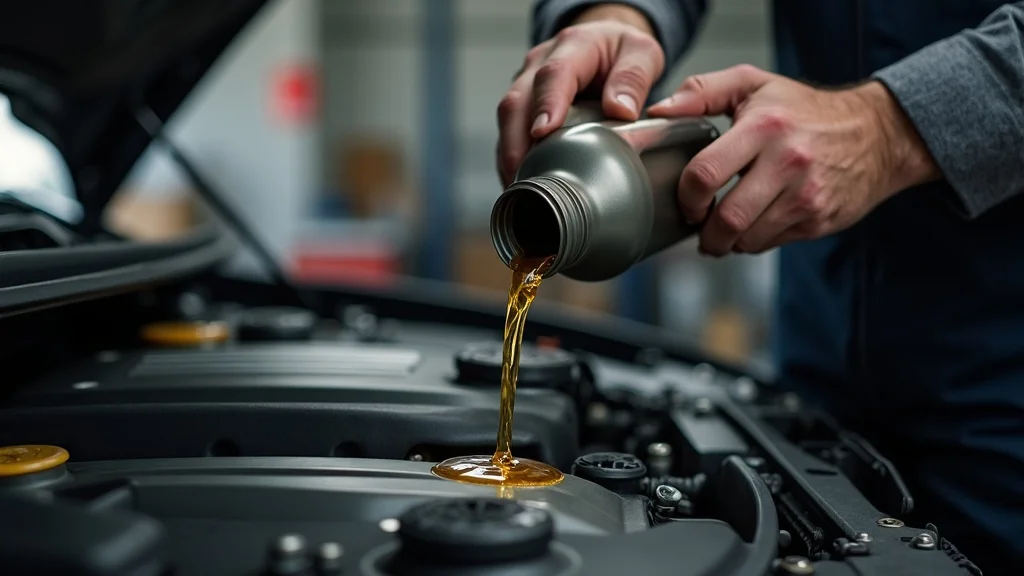
Technician pouring fresh engine oil for Columbia SC oil change and vehicle maintenance in a local repair shop.

Choosing the Right Auto Repair and Service Shop in Columbia SC

Your choice of service shop can make a world of difference for summer vehicle maintenance. Columbia SC offers a wide variety of auto repair shops—from quick-service chains to specialized diesel mechanics. The best repair shops combine transparent communication, certified technicians, modern diagnostic tools, and a proven reputation for quality car care. They strive to make it easy for drivers to schedule an appointment, understand every part of the process, and receive great customer support from start to finish.

Look for repair shops with years of experience, satisfied reviews from local customers, and a service shop environment where safety and cleanliness rule the day. Not only do top shops deliver comprehensive repair and maintenance, they also specialize in a range of services covering every make and model, from family sedans to heavy-duty diesel trucks. Prioritizing a community-oriented auto repair shop helps ensure your car, truck, or SUV receives the high-quality care it deserves during Columbia SC’s demanding summer season.

Welcoming Columbia SC auto repair shop exterior showing service shop and parked vehicles, ideal for Columbia SC vehicle maintenance.

Auto Repair Shop Credentials: What Sets Quality Auto Service Apart

Not every repair shop is equal. In Columbia SC, truly exceptional service comes down to technical credentials, ongoing staff training, and a commitment to ethical business practices. Look for ASE (Automotive Service Excellence) certified technicians, up-to-date diagnostic equipment, and transparency about parts and labor. Quality auto repair shops will gladly walk you through inspection reports, explain their process, and offer real customer testimonials. These signs of professionalism ensure your vehicle receives only the best repair and maintenance—and make you feel confident every time you schedule an appointment.

Quality auto repair isn’t just about fixing what’s broken; it’s about preventive care and putting customer satisfaction first. Leading service centers invest in customer support teams who are available to answer questions, book appointments, and provide status updates so you always know where you stand. Whether you own a high-tech import or a classic domestic model, these customer-first values set local Columbia SC auto repair shops apart from standard chains or impersonal dealerships.

Diesel Mechanic Expertise: Specialized Care for Diesel Vehicles

If you drive a diesel truck or SUV, it’s essential to trust your vehicle to a specialist familiar with both the unique demands and benefits of diesel engines. The best diesel mechanics in Columbia SC have specialized training, up-to-date certifications, and years of experience with diesel-specific maintenance services. They know how summer conditions can affect diesel performance and apply preventative measures such as timely fuel filter changes, advanced diagnostics, and high-grade oil changes tailored specifically to heavy-duty vehicles.

Whether you’re a fleet operator, contractor, or simply rely on a diesel truck for daily use, partnering with a qualified diesel mechanic means your engine stays in peak shape during sweltering Columbia summers and long, hot road trips. Diesel experts are also adept at recommending maintenance intervals, troubleshooting emerging issues, and helping you make informed decisions about repair and replacement. Their dedication to providing great service can make all the difference when it comes to staying “back on the road” quickly and safely.

Tailored Vehicle Maintenance for All Makes and Models in Columbia SC

Columbia SC is a melting pot of vehicles—from American pickups to imported hybrids and everything in between. Quality auto repair shops take a personalized approach, offering custom maintenance plans designed for every make, model, and age of vehicle. Whether you own a new luxury sedan, a rugged diesel work truck, or a reliable family crossover, having a locally tailored maintenance plan helps ensure your vehicle performs at its best, especially when summer temperatures spike.

These custom plans may include unique oil types, specific tire service routines, and advanced system checks that account for the climate and driving conditions in the Midlands. Repair shops with years of experience understand how Columbia’s roads, heat, and humidity affect different vehicles, and they make it easy to choose the most practical service intervals and upgrades for your particular ride. By investing in tailored care, you keep your car running stronger, longer—even through the toughest Columbia SC summers.

Custom Maintenance Plans for Domestic and Imported Vehicles

Maintenance is never a “one size fits all” process, especially in a diverse city like Columbia. Reputable auto repair shops specialize in comprehensive car service for both domestic and imported models. They use the right parts, fluids, and diagnostic methods unique to your vehicle’s make and design. This attention to detail can boost reliability, help your car handle midyear climate swings, and protect your warranty—all while maximizing trade-in or resale value down the road.

Whether you roll up to a service shop in a Ford or a Toyota, you should expect the same high standard of care. Professional repair shops ensure every visit delivers personalized maintenance and friendly customer service, so you can drive away with complete confidence in your vehicle’s summer performance and safety.

Diverse lineup of domestic and imported vehicles with happy owners in Columbia SC after receiving vehicle maintenance.

Maintaining Diesel and Gasoline Vehicles in the Midlands

Gasoline and diesel vehicles have very different needs, especially when it comes to summer maintenance in the Midlands. Diesel engines are powerful, durable, and efficient—but require unique services like regular fuel filter replacements, specialized oil types, and advanced emission system checks. By contrast, gasoline vehicles often benefit from more frequent oil changes and spark plug inspections. Experienced auto repair shops in Columbia SC provide all of these services and more, making sure every car—regardless of fuel type—gets road-ready for summer heat and heavy use.

Whether your fleet is made up of work-ready trucks or zippy daily drivers, trust local pros to assess and service each vehicle according to manufacturer specs and local conditions. Diesel mechanics at reputable service centers bring years of experience, ensuring both your family sedan and your heavy-duty pickup are prepared to perform safely in Columbia’s unique climate. This comprehensive approach keeps your car running and your summer plans rolling, no matter what you drive.

Scheduling an Appointment: When, How, and Why for Columbia SC Vehicle Maintenance

Routine maintenance is easiest—and most effective—when you stick to a schedule. Most drivers in Columbia SC benefit from service intervals based on mileage, time, or manufacturer recommendations. If you notice performance changes, warning lights, or it’s been a while since your last visit to a trusted repair shop, don’t wait for a roadside emergency to act. Scheduling regular maintenance checks before the peak of summer helps catch small issues early and ensures your vehicle is ready for every mile ahead. Proactive appointments make auto care simple—saving time, money, and stress all at once.

Leading service shops and diesel mechanics offer hassle-free appointment options that fit every schedule, from convenient online booking tools to dedicated customer support numbers. They’re dedicated to providing top customer service, friendly reminders, and transparent explanations every step of the way. Whether you prefer calling a support number or booking online, it’s never been easier to keep your car in excellent shape with Columbia SC vehicle maintenance.

How to Schedule an Appointment with Leading Columbia SC Auto Repair Shops

Ready to take the next step? Scheduling an appointment with a trusted Columbia SC auto repair shop is quick and straightforward. Start by identifying local repair shops known for their quality service and years of experience. Visit their website or call their customer support number to discuss your needs and book an appointment that works for your calendar. Many service shops offer online tools where you can select your car’s make and model, describe the issue or service request, and pick a preferred time. Friendly staff are always available to confirm your booking, answer any questions, and provide estimates on service duration.

For diesel vehicles, it’s worth choosing a shop with a specialty in diesel maintenance and repair, as their expertise ensures your service meets the highest standards. No matter what you drive, never hesitate to ask for clarification about which maintenance services are included or to request a written quote for peace of mind. Expert shops make it easy to stay ahead on Columbia SC vehicle maintenance—so you can focus on enjoying the summer and embracing every journey with confidence.

Top 5 Signs Your Columbia SC Vehicle Needs Immediate Maintenance

Don’t wait for a breakdown before seeking help from your trusted service shop—watch for these clear signs that your car is calling out for immediate attention. Acting early keeps minor problems from escalating into major repairs and ensures you and your loved ones stay safe and comfortable all summer long. If you notice any of these issues, schedule an appointment with a qualified Columbia SC auto repair shop right away.

  1. Engine warning lights appear
  2. Unusual noises or vibrations
  3. Irregular fluid spots under your car
  4. Strange smells inside/outside the vehicle
  5. Poor A/C performance during peak heat

“Never ignore even minor issues—addressing them early at a reputable Columbia SC auto repair shop can save you money and hassle.” – Certified Diesel Technician

People Also Ask: Expert Answers to Common Columbia SC Vehicle Maintenance Questions

What is the 30-60-90 rule for cars?

The 30-60-90 rule refers to manufacturers’ recommended service milestones at 30,000, 60,000, and 90,000 miles. At each interval, specific inspections and replacements—like filters, fluids, and belts—are advised for optimal Columbia SC vehicle maintenance.

Mechanic reviewing a digital vehicle maintenance schedule for Columbia SC vehicle maintenance with a tablet in a modern auto service office.

Is it better to get my car serviced at the dealership?

Dealerships offer manufacturer-certified parts, while independent service shops in Columbia SC may provide personalized service and competitive rates. For diesel trucks, specialist diesel mechanics often rival or exceed dealership expertise.

Where can I go to clean my car out in Columbia, SC?

Several full- and self-service car wash locations operate in and around Columbia SC; popular options include those near major repair shops and service centers.

What are mechanic labor rates?

Labor rates in Columbia SC vary depending on the repair shop or service shop and the work required. Dealerships and specialty diesel mechanics may differ; always ask for a clear labor estimate before authorizing repairs.

FAQs: Columbia SC Vehicle Maintenance, Auto Repair, and Diesel Service

  • How often should I schedule Columbia SC vehicle maintenance before summer?
    Most experts recommend scheduling basic maintenance every 3,000-5,000 miles, with a tune-up and full inspection before the onset of summer heat in the Midlands. Regular service prevents unexpected issues during busy travel months.
  • Can I use synthetic oil for my diesel engine?
    Yes—many diesel engines benefit from synthetic oil, which can offer better protection and stability in Columbia’s high heat. Check your manual or ask your diesel mechanic for recommendations tailored to your specific vehicle.
  • What’s the difference between a regular and a summer tune-up?
    A summer tune-up often focuses on heat-related components—like the A/C, coolant system, and tires—whereas regular tune-ups emphasize basic checks. This extra attention helps your vehicle cope with Columbia SC’s hot and humid conditions.
  • How do I choose a reputable auto repair shop in Columbia SC?
    Look for certified technicians, excellent online reviews, clean facilities, and transparent estimates. Don’t be afraid to ask about years of experience and specializations, especially if you have a diesel or imported vehicle.

Key Takeaways: Stress-Free Driving Begins With Columbia SC Vehicle Maintenance

  • Proactive maintenance prevents breakdowns and preserves value
  • Trust local Columbia SC auto repair experts for thorough, reliable service
  • Address issues early, especially for diesel vehicles

Drive With Confidence: Schedule Columbia SC Vehicle Maintenance With Diesel Mechanics

Ready to make the most of your summer? Keep your peace of mind and your vehicle in peak condition by scheduling Columbia SC vehicle maintenance with trusted local diesel mechanics and auto repair professionals. Book your appointment now with Diesel Mechanics and drive into summer with total confidence!

If you’re looking to take your vehicle care to the next level, consider exploring the full spectrum of diesel truck repair and service options available in Columbia SC. Whether you drive a heavy-duty workhorse or a family diesel SUV, understanding advanced maintenance strategies can help you maximize performance, longevity, and safety. Dive deeper into specialized services, expert diagnostics, and tailored solutions that keep your vehicle running strong through every season. Your next step toward worry-free driving starts with the right knowledge and the support of Columbia’s most trusted diesel professionals.

To ensure your vehicle is prepared for Columbia’s hot and humid summer conditions, consider consulting local experts who specialize in comprehensive maintenance services. For instance, Brown Motor Works offers routine vehicle maintenance, including oil changes, brake services, and air conditioning checks, to help prevent unexpected breakdowns during the summer months. (bmwne. com) Similarly, Cottman Transmission and Total Auto Care provides a full range of automotive repair and maintenance services, such as transmission repairs, engine diagnostics, and brake services, ensuring your vehicle remains in optimal condition throughout the season. (cottmanofcolumbia. com) By leveraging the expertise of these local professionals, you can drive confidently, knowing your car is well-maintained and ready to handle the summer heat.

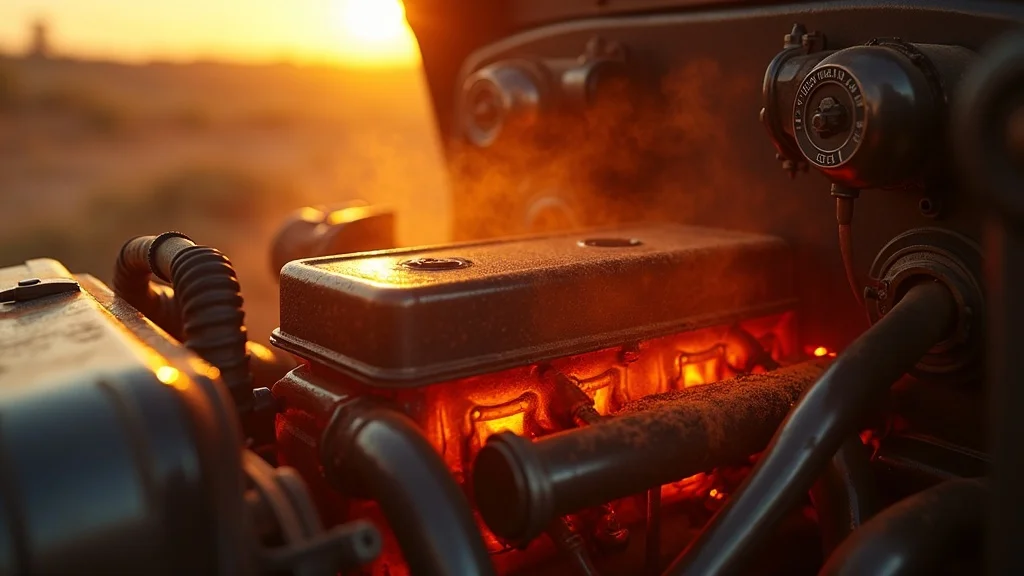
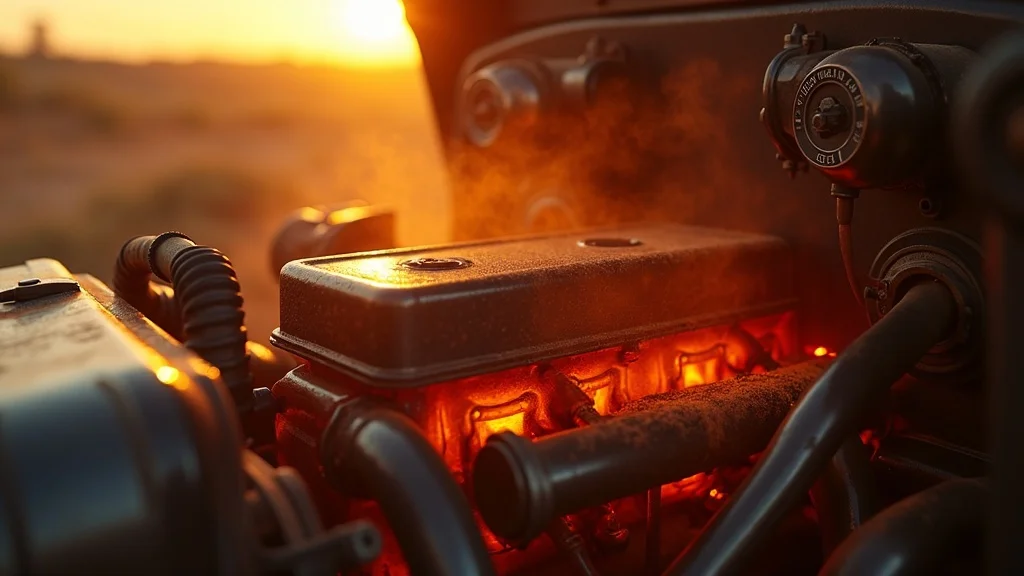
A close-up of a car engine overheating, with visible steam and glowing red parts, set outdoors at sunset. The metal components appear hot, indicating high temperature and mechanical stress.

Boost Diesel Engine Performance in Summer Before It’s Too Late

Did you know poor summer maintenance dramatically increases the risk of costly diesel truck engine failures—sometimes in just a single week of extreme heat? Hot weather isn’t just uncomfortable for drivers, it’s a true test of diesel engine performance in summer. Without the right care, high temperatures can wreak havoc on your truck’s engine, fuel system, and reliability, leaving you stranded and burning through fuel! This guide reveals how to stay ahead of summer stress, maximize fuel efficiency, and keep your diesel running strong—before rising temps lead to breakdowns.

Why Diesel Engine Performance in Summer Matters More Than You Think

As temperatures soar across Columbia SC and beyond, diesel engine performance in summer becomes a critical concern for owners, fleet managers, and anyone relying on diesel trucks. Engines that seem to run flawlessly in spring can quickly falter when exposed to high temperatures, leading to potential reductions in fuel economy, increased vapor lock risks, and even unexpected downtime. Proactive maintenance strategies become not just a recommendation, but a requirement to sustain top condition and minimize disruptions through the summer months.

Diesel engines are built sturdy, but summer stress can test their limits. Everything from overheating to fuel blend issues can result in reduced engine performance when you need reliability the most. Ignoring early warning signs such as reduced engine power, odd noises, or warning lights doesn’t just threaten your bottom line—it puts your entire operation at risk. That’s why addressing summer-specific challenges isn’t just smart—it’s essential for anyone serious about keeping their diesel truck or fleet running economically and reliably.

“Many owners underestimate the impact of hot weather on diesel engines. Proactive summer maintenance is the foundation for reliability and fuel efficiency.” – Certified Diesel Technician, Columbia SC

What You’ll Learn About Diesel Engine Performance in Summer

  • Understand the risks summer poses to diesel engines
  • Explore maintenance steps to maximize engine performance in hot weather
  • Learn the impact of fuel blends and seasonal fuel quality
  • Identify signs of trouble and how to prevent vapor lock

The Real Impact of Hot Weather on Diesel Engines

How High Temperatures Challenge Diesel Engine Performance

high temperatures impacting diesel engine performance in summer with heat shimmer and dusty roadside atmosphere

During the summer months, high temperatures place unique stress on diesel engines. As the mercury climbs, engine components such as gaskets, hoses, and seals expand, making them more susceptible to leaks and failures. Prolonged exposure to heat accelerates the breakdown of lubricants, which in turn compromises the protection of vital moving parts and can hasten engine wear.

The risk of heat stress leading to common failures in diesel engines increases with summer’s intensity. Overheated coolant may not sufficiently cool the engine, leading to hot spots or warped components. Fuel tanks and lines can also suffer from expansion and increased pressure, heightening the chances of fuel leaks. For diesel trucks operating in the busy roads of Columbia SC, a overheating or fuel system issue mid-route is more than an inconvenience—it’s a hazard. That’s why understanding the impact of summer heat lays the groundwork for effective maintenance and operation.

  • Heat stress and its effect on engine components
  • Common failures in diesel engines during summer

Signs Your Diesel Engine Performance in Summer Is at Risk

Even well-maintained diesel engines can exhibit warning signs when summer heat starts to take its toll. A noticeable drop in power, sluggish acceleration, and longer crank times may indicate your engine is struggling against thermal stress. Other flags include unexplained warning lights, higher than normal coolant temperatures, or hearing abnormal knocking, ticking, or hissing noises—all of which could point to heat-related issues.

It’s vital to address these early symptoms before they escalate to breakdowns or permanent engine damage. Persistent reduced engine power should prompt immediate inspection of the cooling system and fuel blend being used. Similarly, warning lights and odd noises could signal anything from vapor lock in the fuel lines to a failing air filter choked by dust—a particular concern during Columbia’s dusty summer months. Spotting and repairing these issues promptly is the mark of responsible ownership, and the key to ensuring lasting engine performance in the toughest conditions.

  • Reduced engine power
  • Warning lights and abnormal noises

For those looking to dive deeper into practical troubleshooting and repair strategies, exploring a comprehensive diesel truck repair and service guide can provide step-by-step solutions for common summer engine issues and help you stay ahead of unexpected breakdowns.

Understanding Seasonal Fuel and Fuel Blends for Diesel Engine Performance in Summer

How Seasonal Fuel Blends Affect Engine Performance

diesel truck next to fuel station showing summer and winter fuel blend labels for diesel engine performance in summer

Not all diesel fuel is created equal—and seasonal fuel blends play a decisive role in engine performance during summer. Refineries produce distinct summer and winter blends designed for optimal operation in different temperature ranges. Summer blends are typically more stable due to their lower volatility, reducing the risk of vapor lock and excessive evaporation, which are more pronounced in hot weather. Conversely, winter blends include additives to prevent fuel from gelling, which are unnecessary—and sometimes problematic—in warmer months.

The correct fuel blend directly influences a diesel engine’s power output and efficiency. Using a winter blend during summer could lead to reduced fuel economy and even compromised engine run reliability. For diesel truck operators, making sure the right blend is in the fuel tank is a simple step that guards against driveability issues, fuel degradation, and costly repairs down the line. Understanding this difference means smoother starts, less risk of vapor lock, and a measurable improvement in fuel efficiency throughout a long, hot Columbia SC summer.

  • Differences between summer and winter blends
  • How fuel efficiency changes in summer

Why Fuel Quality and Proper Fuel System Maintenance Are Critical

Fuel quality matters year-round, but summer heat amplifies the significance of using clean, high-quality diesel and regular fuel system inspections. Hot weather accelerates the degradation of diesel fuel, leading to microbial growth, sediment formation, and clogged fuel filters that strangle engine performance. This means even the best-maintained diesel engines can be brought down quickly by poor fuel quality or skipped maintenance in the summer heat.

To counteract these effects, maintain proper filter change intervals and conduct frequent fuel system inspections—especially after refueling from unfamiliar locations or during extended periods of high heat. Check fuel filters for signs of clogging, and if possible, use advanced diagnostics to spot issues before they shut you down. A fuel blend that’s appropriate for your climate, paired with diligent filter upkeep, will help safeguard against common issues like vapor lock and fuel economy dips that plague diesel trucks during summer. Never underestimate the compounding nature of small, neglected fuel system issues—they often lead to expensive repairs if left unchecked.

  • Preventing fuel degradation in hot weather
  • Fuel filter and system inspections
Feature Summer Diesel Fuel Blend Winter Diesel Fuel Blend Effect on Engine Performance
Volatility Lower (resists evaporation, safer in heat) Higher (prevents gelling in cold) Summer blends reduce vapor lock; winter blends may cause issues if used in summer
Additives Oxidation stabilizers, anti-corrosion Anti-gel, deicer Improper additives could lower fuel efficiency and harm engine run
Fuel Efficiency Optimized for hot weather Lower in summer due to less suitable formulation Choosing the right seasonal fuel directly improves performance and economy

Essential Summer Maintenance Tips for Diesel Engines

Cooling System Checks to Enhance Diesel Engine Performance in Summer

Professional mechanic checking cooling system and radiator of a diesel truck for summer performance

The cooling system is the undisputed backbone of diesel engine longevity during summer. Start by checking coolant levels and ensuring the fluid’s condition matches manufacturer specs—old coolant loses effectiveness, compromising engine protection. Regular coolant flushes (as scheduled by your vehicle manual) are crucial to preventing corrosion and maintaining optimal heat dissipation.

Inspect the thermostat and radiator for blockages, leaks, or signs of wear. Ensure that the radiator cap seals tightly and hoses don’t appear brittle or swollen. Remember, proper cooling system maintenance not only prevents engine overheating but also helps maintain ideal engine temperature, which preserves fuel efficiency and performance during the harshest summer heat. With temperatures regularly topping 90°F in Columbia SC, skimping on these checks is a shortcut to expensive engine repairs.

  • Inspect coolant levels and flush schedule
  • Thermostat and radiator condition

The Role of Air Filter, Fuel Filter, and Oil Changes in Hot Weather

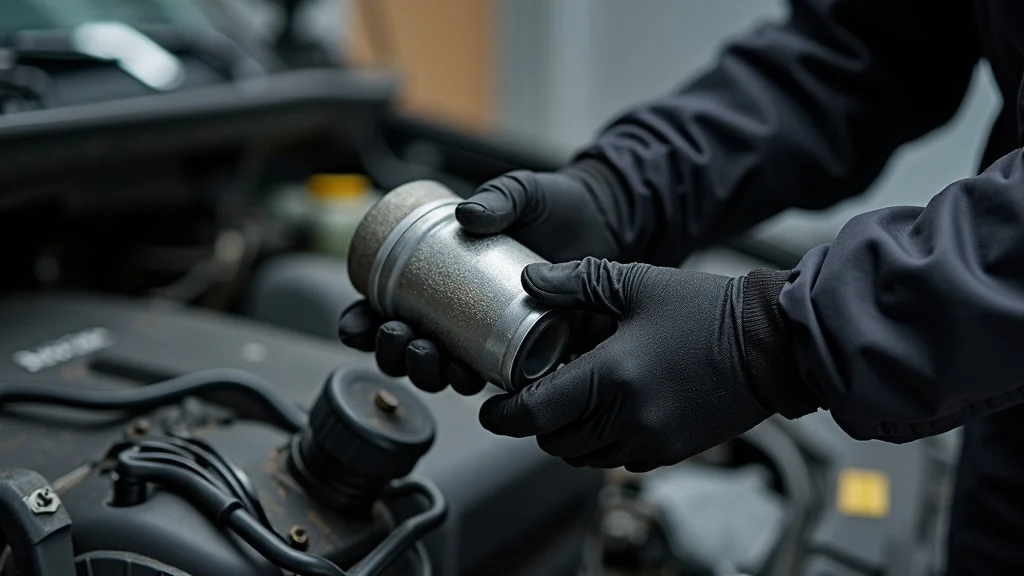
gloved hands changing diesel engine air filter for better summer performance

In the dusty summer months, routine air filter replacement is a must. A clogged air filter starves your diesel engine of clean air, lowering engine run quality and inviting higher emissions. For optimal air flow and peak engine performance, check your air filter at every oil change, and consider swapping it sooner if your routes are especially dirty or off-road.

The fuel filter is equally important. As fuel tanks heat up and cool overnight, condensation can spur microbial growth and sediment buildup. Replace fuel filters per the schedule in your manual or more frequently if you suspect dirty fuel. Don’t overlook regular oil and filter changes either—fresh oil combats high-temperature breakdown, providing a layer of protection against engine wear. Following these maintenance basics is a simple but powerful way to protect your diesel truck throughout the summer, keeping it in top condition and supporting fuel efficiency as the weather heats up.

  • Air filter maintenance for optimal airflow
  • Importance of regular oil and filter changes for engine protection

Preventing and Managing Vapor Lock in Diesel Engines

Vapor lock is a rare but serious enemy for diesel engine performance in summer. It occurs when excessive heat causes fuel to vaporize in the lines before it reaches the combustion chamber—leading to hard starts, rough engine run, or outright stalling. Diesel fuel is less volatile than gasoline, but modern diesel engines with low-pressure circuits or returnless systems are not immune, especially during stop-and-go driving in Columbia SC’s intense summer heat.

Prevent vapor lock by using recommended summer fuel blends, keeping the fuel tank at least half full (which reduces temperature fluctuations), parking in the shade, and avoiding long idling periods. If you do encounter vapor lock, shut down the engine and let it cool. Regularly inspect fuel lines for cracks or routing near hot engine components—consider heat shields if vapor lock becomes a recurring issue. These steps keep your diesel engine running smoothly and help you sidestep costly summer breakdowns.

  • How vapor lock happens in diesel trucks during summer
  • Step-by-step prevention tips

Proven Ways to Increase Diesel Engine Performance in Summer

Optimizing Fuel Efficiency and Engine Longevity

Maximizing fuel efficiency and engine longevity during summer starts with maintaining ideal engine temperature. This is best accomplished through disciplined maintenance of your cooling system, fuel system, and air filtration. Using summer-specific fuel blends and adding reputable fuel additives can enhance combustion, prevent oxidation, and keep internal components clean.

Consistently using high-quality diesel and following the manufacturer’s recommendations for oil type and change intervals help the engine withstand Columbia SC’s notorious heat. Monitoring oil pressure, coolant levels, and air intake regularly will also alert you to subtle signs of trouble before they escalate. These simple but effective habits give your diesel truck or fleet the edge it needs to remain reliable and efficient all season long.

  • Maintaining ideal engine temperature
  • Using recommended additive blends in summer

Best Practices for Diesel Truck Owners in Hot Weather

Shade-parked diesel truck with faint heat haze preventing summer stress

Smart diesel truck owners adopt a series of practical habits to shield their vehicles from summer stress. Minimize idling during hot weather—idling creates heat buildup without efficient cooling circulation. When stopping for extended periods, opt for parking spots in the shade or use sunshades to reduce under-hood temperatures. These actions decrease the risk of vapor lock and save energy on the next start.

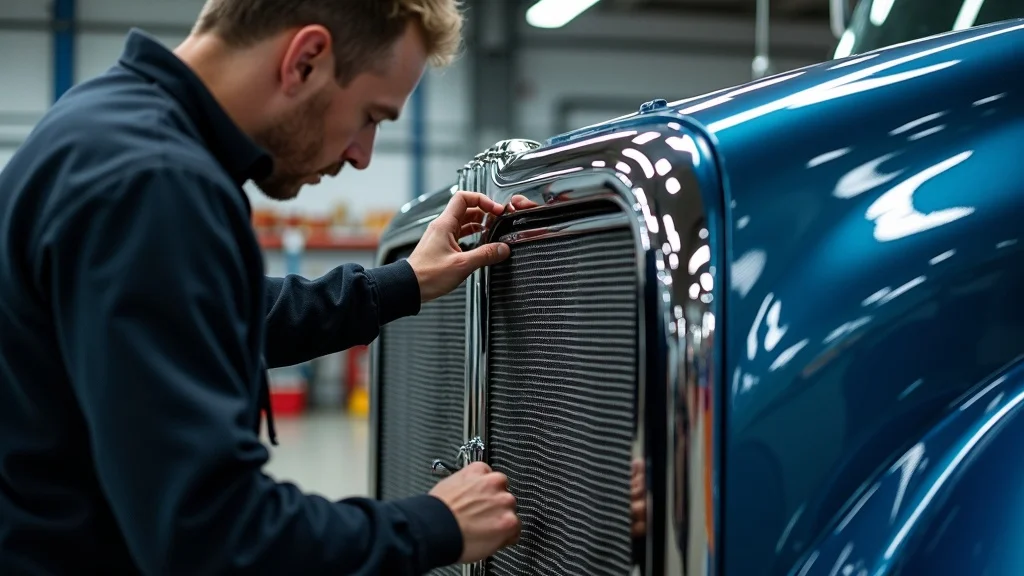
Another best practice is to inspect belts and hoses for cracks or soft spots, and to clean the grille and radiator fins regularly for improved airflow. Summer driving in congested traffic may demand shorter intervals between maintenance checks, with attention to common problem areas like the fuel tank and air filter. Following these field-tested strategies means fewer breakdowns and smoother engine performance—preserving both uptime and peace of mind.

  • Driving and idling tips for summer
  • Parking strategy to minimize heat stress

“Attention to seasonal maintenance details transforms diesel engine performance in summer and prevents costly repairs.” – Shop Foreman, Columbia SC

People Also Ask: Diesel Engine Performance in Summer

How hot is too hot for a diesel engine?

Most modern diesel engines are engineered to safely operate within a coolant temperature range of 180°F to 210°F (82°C to 99°C). Consistent readings above 220°F (104°C) can lead to overheating and increased risk of permanent engine damage, especially during summer months in hot climates like Columbia SC. High temperatures increase pressure within the cooling and fuel systems, so it’s crucial to monitor gauges and address any sudden spikes immediately to prevent catastrophic failures.

  • Explaining safe operating temperature ranges for diesel engines in summer climates

Do diesels get better MPG in summer?

Many diesel truck owners notice slight improvements in fuel efficiency during summer. Warmer temperatures create less air resistance, and summer fuel blends are formulated for optimal combustion. However, dense, humid air can offset these gains by making engines work harder. In general, keep tabs on fuel economy and watch for reduced fuel mileage as a sign you might need to check filters or fuel quality, especially if operating under heavier loads or in high humidity.

  • Seasonal fuel, air density, and engine efficiency breakdown

Is DEF going away for diesels?

As of now, Diesel Exhaust Fluid (DEF) is still required for modern emissions systems and shows no signs of immediate phase-out. Regulatory trends indicate continued use of DEF due to its role in reducing emissions and meeting state and federal guidelines, especially for commercial fleets. Keeping your DEF tank filled and the system well-maintained remains key for compliance and avoiding warning lights.

  • Future outlook of Diesel Exhaust Fluid (DEF) and regulatory trends

What’s the worst thing for a diesel engine?

The quickest way to degrade diesel engine performance is to neglect maintenance—skipping oil changes, ignoring coolant flushes, or running on old fuel blends. Letting filters clog or ignoring abnormal engine noises in hot weather can lead to catastrophic, expensive failures. Routine inspections and proactive summer care ensure your diesel engine remains reliable, fuel efficient, and free from sudden breakdowns that can disrupt your business or travel plans.

  • Common maintenance mistakes that quickly degrade diesel engine performance

Frequently Asked Questions About Diesel Engine Performance in Summer

  • How can I improve my diesel truck’s performance specifically for summer?
    Focus on cooling system inspection, use summer-approved fuel blends, keep filters fresh, and avoid letting your fuel tank run low. Parking in the shade and limiting idle time are also effective.
  • Are certain diesel engines more prone to summer-related issues?
    Yes, older engines or those with outdated cooling systems are often more vulnerable. High-mileage diesel engines should receive extra attention and frequent checks, especially during heatwaves.
  • Can fuel additives really make a difference in hot weather?
    Absolutely. High-quality additives stabilise fuel against oxidation and help prevent issues like vapor lock and injector fouling, common in summer conditions. Always use products recommended by your engine manufacturer or a trusted mechanic.
  • Should I change my maintenance schedule for summer?
    Yes. Increase the frequency of coolant, air filter, fuel filter, and oil checks between April and September, especially if your diesel truck operates in extreme or dusty environments. A proactive schedule is the best defense against breakdowns.

Team of diesel mechanics in Columbia SC available for summer diesel engine maintenance

Key Takeaways for Maximizing Diesel Engine Performance in Summer

  • Routine summer maintenance safeguards your diesel truck
  • Fuel blends and vapor lock must be addressed proactively
  • Professional support ensures reliable diesel engine performance in summer

For Diesel Engine Performance in Summer, Trust Local Experts

Conclusion: Start now—prioritize diesel engine performance in summer and trust your local Columbia SC experts to keep your truck on the road, running strong, season after season.

If you’re ready to take your diesel maintenance to the next level or want to explore broader strategies for year-round reliability, our in-depth resource on diesel truck repair and service offers expert advice, advanced diagnostics, and proven solutions tailored for both summer and beyond. Discover how a proactive approach can extend your engine’s life, reduce downtime, and keep your fleet operating at peak performance—no matter the season.

Sources

To further enhance your understanding of maintaining diesel engine performance during summer, consider exploring the following resources: Summertime Diesel Do’s and Don’ts: This guide from Perkins offers practical advice on protecting your diesel engine in hot weather, covering topics like airflow management, coolant checks, and fuel quality. (perkins. com) Cat® Engine Summer Maintenance Tips: Caterpillar provides maintenance strategies to keep your diesel engine running smoothly during the summer months, emphasizing the importance of regular inspections and proper fluid management. (cat. com) These resources offer valuable insights to help you maintain optimal diesel engine performance throughout the summer season.

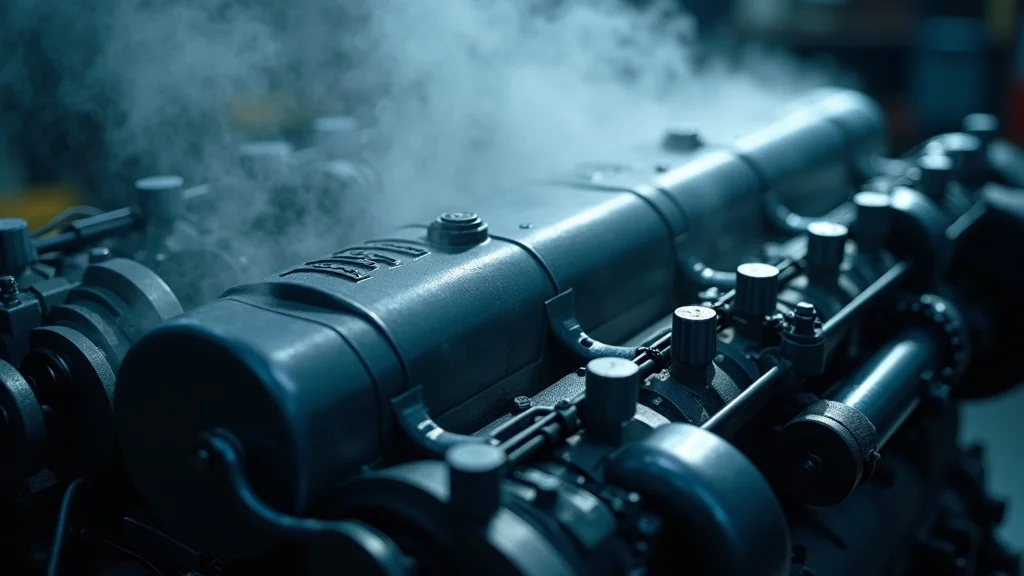
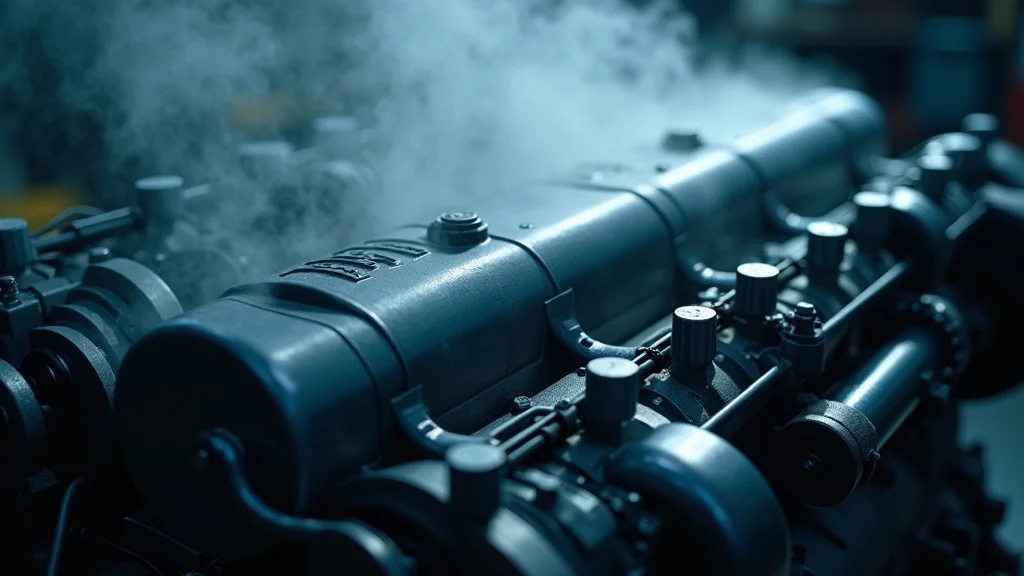
A close-up of a large industrial engine emitting steam, highlighting its metallic components and mechanical details in a dimly lit setting.

Prevent Diesel Engine Overheating with These Easy Fixes

Did you know diesel engines can lose up to 20% of their expected lifespan if overheating isn’t quickly addressed? For heavy-duty vehicles, the risk multiplies under South Carolina’s sweltering summer sun. Prevent diesel engine overheating is not only about avoiding breakdowns but also saving on potentially overwhelming repair costs. This educational guide is packed with practical tips, step-by-step solutions, and expert maintenance advice tailored for diesel owners in Columbia, SC. Read on for proven fixes you can use right away to keep your engine cool and healthy for the long haul.

Why Preventing Diesel Engine Overheating Matters

The importance of preventing diesel engine overheating goes far beyond mere inconvenience. Overheated engines can cause a domino effect of mechanical issues, from blown cylinder head gaskets to warped blocks, leading to weeks of downtime and costly repairs. Diesel engines are engineered to manage heavy loads and perform efficiently for extended periods, but any disruption in the cooling system—like a coolant leak, blocked radiator, or failing water pump—raises the risk of a catastrophic breakdown, especially during long hauls or local delivery routes in Columbia’s often unforgiving climate.

Ignoring the early signs of an overheating diesel engine—such as a rising temperature gauge, loss of power, or visible steam—can lead to permanent engine damage. Preventive actions, like regular maintenance and prompt response to warning indicators, extend the life expectancy of your diesel engine and ensure safer operation while hauling those heavy loads. Columbia, SC drivers need to prioritize these steps, given both the workload and seasonal heat stress their diesel vehicles typically face.

“A well-maintained cooling system is the backbone of every reliable diesel engine.” — Local Diesel Expert

What You’ll Learn: Key Principles to Prevent Diesel Engine Overheating

  • Top signs and causes of overheating diesel engines
  • Step-by-step fixes for diesel engine overheating
  • Expert diesel engine maintenance tips for Columbia, SC drivers
  • How proper cooling system care prevents engine overheating

Startling Facts About Diesel Engine Overheating

prevent diesel engine overheating - Dramatic diesel engine close-up with subtle steam rising, high realism in shop setting

Statistics show a significant rise in diesel engine overheating incidents during peak summer months, particularly in regions like Columbia, SC. Diesel vehicle owners often underestimate how quickly a coolant leak or a failing water pump can elevate engine temperature, causing a rapid transition from minor inconvenience to full-blown mechanical crisis. Sources indicate that routine neglect of the cooling system is among the common reasons diesel drivers experience sudden breakdowns, with coolant temperature spikes one of the earliest warning signs for an overheating issue.

An overlooked air filter or radiator blockage is more than just a maintenance nuisance—it can reduce airflow, impair engine performance, and unleash excess heat that your diesel engine is ill-equipped to handle. Recognizing these problems early and addressing them through a structured maintenance plan is crucial for cost-conscious drivers, especially when balancing demanding work schedules and prolonged heavy load hauls.

For a deeper dive into the most frequent causes of diesel engine overheating and how to troubleshoot them, you may find it helpful to review the comprehensive resources available on diesel truck repair and service best practices. These insights can further guide your maintenance approach and help you address issues before they escalate.

Understanding the Risks: Overheating Diesel Engine and Costly Repairs

A single episode of engine overheating can mean the difference between a minor fix and total engine replacement. Diesel engine overheating is commonly linked to simple, preventable issues: low coolant levels, vulnerable hoses prone to a coolant leak, or a faulty water pump struggling to circulate coolant through the engine. For many Columbia, SC drivers, the result is unexpected downtime and the potential for permanent engine damage, especially if prolonged overheating leads to a warped cylinder head or cracked block. In addition to the inconvenience, the cost of deferred maintenance can easily exceed that of regular diagnostic checks and simple part replacements.

Understanding these risk factors is vital for any diesel vehicle owner wanting to avoid steep repairs and unnecessary breakdowns. By being proactive—checking the radiator, replacing the air filter, and inspecting for leaks—you can safeguard your diesel engine against the kind of overheating issue that’s not only expensive but disruptive to your daily operations.

Common Cause Signs Potential Fix
Low Coolant Levels High engine temperature, warning lights Refill coolant, check for coolant leak
Faulty Water Pump Noisy pump, temperature spikes Replace water pump
Clogged Air Filter Reduced power, black smoke Replace air filter
Radiator Issues Coolant puddles, rising temps Repair or replace radiator

Recognizing Engine Overheating: Warning Signs in Diesel Engines

Recognizing early warning signs of diesel engine overheating is essential. Modern diesel engines are fitted with advanced sensors and dashboard alerts, which offer immediate feedback on engine temperature and potential cooling system irregularities. When your vehicle displays an engine temperature warning light or you notice a sudden drop in engine performance, these should never be ignored—especially in workhorse vehicles operating in Columbia’s varied conditions. Being vigilant ensures that minor problems like a low coolant level or a failing air filter don’t spiral into major, wallet-draining repair jobs.

Be attentive to secondary signs, such as coolant leaks under the vehicle, visible steam from the engine bay, or unusual chemical smells while running the engine. These indicators, if quickly addressed, can prevent the escalation from a manageable overheating issue to a full-blown engine failure. Early detection and action are key elements in safeguarding your diesel investment and keeping it road-ready for any assignment.

Dashboard Alerts and Symptoms of Diesel Engine Overheating

When an engine is overheating, your dashboard is likely to deliver immediate alerts. Drivers of diesel vehicles must pay close attention to the engine temperature warning light, which signals rising coolant temperature and insufficient heat dissipation within the cooling system. Accompanying symptoms, such as a sudden loss of power, are clear signs that your diesel engine needs prompt intervention. Coolant leak detection under the car and the presence of steam or unusual odors not only confirm an overheating issue but also provide crucial clues for diagnosis.

Promptly responding to these dashboard alerts and physical symptoms can make a substantial difference in repair costs and engine longevity. By understanding what these warnings mean and having a plan for quick assessment—like checking coolant level and inspecting for leaks—you can drastically reduce the risk of being stranded or incurring expensive mechanical damage.

  • Engine temperature warning light
  • Loss of power
  • Coolant leaks under the vehicle
  • Visible steam or unusual smells

diesel engine overheating - Dashboard alert with engine temp warning in modern diesel truck

Common Causes of Diesel Engine Overheating

Pinpointing the exact cause of diesel engine overheating requires systematic troubleshooting of the entire cooling system. For most drivers, the root causes include coolant leak, blocked airways within the radiator, or failing components like the water pump. Even a slightly clogged air filter can disrupt airflow and upset the delicate thermal balance, making the engine to overheat even under regular driving conditions. Each of these components has a critical role in managing excess heat and ensuring steady engine performance for long-term reliability.

Routine engine maintenance that includes a comprehensive inspection of the coolant level, hoses, and filters can drastically lower the chances of overheating issues. For diesel engines frequently hauling heavy loads around Columbia, SC, the additional strain makes regular checks indispensable. Addressing common diesel overheating triggers early can save time, money, and costly repairs in the long run.

Cooling System Failures and Overheating Diesel

The cooling system is the heart of thermal regulation in a diesel engine. If any part of the system—radiator, thermostat, hoses, or water pump—fails, the entire cycle of coolant flow is disrupted. This causes the engine temperature to soar, which, if left unchecked, may lead to an overheating engine and potential catastrophic failure. The most common points of failure involve radiator blockages (often from debris or scale), damaged or loose hoses, and a worn-out water pump unable to keep coolant moving through the engine.

Addressing cooling system weaknesses as soon as symptoms arise keeps your diesel engine cool and operating at peak performance. Preventive repairs such as hose replacement, radiator cleaning, and water pump maintenance are small investments that buy peace of mind and protect your diesel vehicle from the kinds of breakdowns that can grind operations to a halt, especially when working with heavy loads during hot South Carolina summers.

Coolant Leak and Its Impact on Diesel Engine Overheating

A coolant leak is one of the leading causes of diesel engine overheating. Even a small leak can quickly lower the coolant level below safe operating requirements, causing insufficient heat absorption and transfer. This results in a dangerous escalation of engine temperature, especially under stress or extended operation. Coolant puddles beneath your diesel vehicle, an overheating warning light, or a low coolant reading on the reservoir cap are telltale signs.

Regularly checking for leaks under the hood and along the entire length of the coolant flow pathway is essential for early detection and timely repairs. Not only does this prevent future overheating issues, but it also helps maintain system pressure and optimal cooling system function. For diesel engines operated in humid, hot environments like Columbia, SC, vigilance against leaks is an everyday requirement.

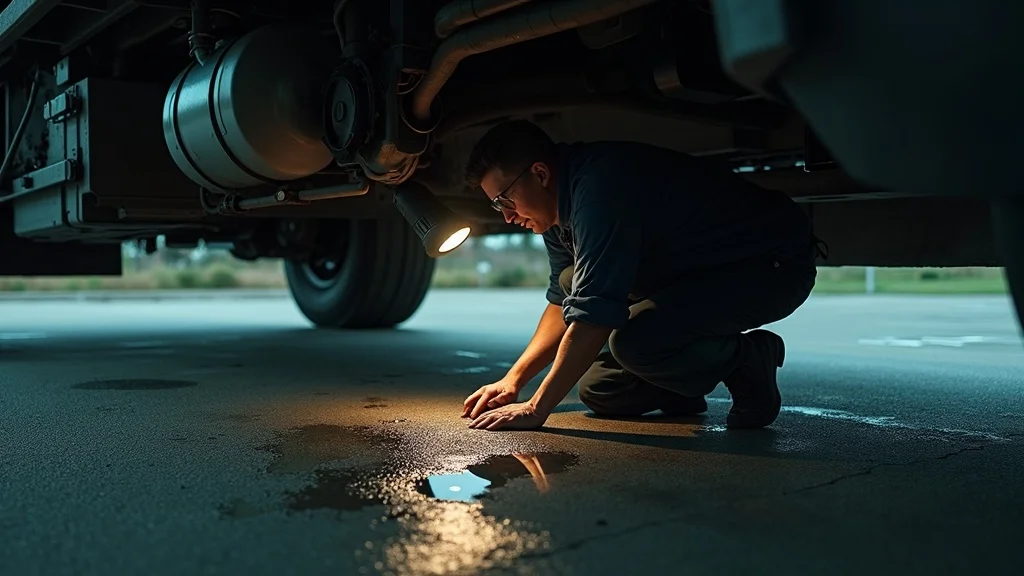
coolant leak under diesel truck - Mechanic inspecting coolant puddle and leak problems

The Importance of Air Filter and Water Pump in Preventing Engine Overheating

Two overlooked heroes in the battle against diesel engine overheating are the air filter and the water pump. The air filter ensures proper airflow and helps control engine temperature by facilitating combustion efficiency and heat dissipation. A clogged filter not only reduces power output but also causes heat to build up rapidly—especially under heavy acceleration or while carrying substantial loads.

The water pump plays a crucial role by circulating coolant through the engine, radiator, and back again. Failure in the pump disrupts coolant flow, leaving hotspots that can make the engine to overheat. Routine checks—such as listening for pump noise, feeling for vibration, and watching the temperature gauge—can catch early signs of water pump trouble before major overheating occurs. Following the manufacturer’s schedule for changing your air filter and maintaining the pump pays off with better engine health and longer vehicle lifespan.

  1. Check coolant level regularly and top off if needed
  2. Inspect radiator for blockages and clean as required
  3. Replace damaged or old water pump
  4. Change the air filter according to manufacturer’s schedule
  5. Ensure thermostat is functioning properly

Watch: How a Diesel Engine Cooling System Works

How to Prevent Diesel Engine Overheating: Step-by-Step Fixes

Preventing diesel engine overheating involves a systematic approach to both daily checks and periodic upgrades. Start each driving day by verifying your coolant levels—low coolant is a primary factor in overheating, and topping off as necessary helps maintain consistent engine temperature. Visually inspect the radiator and surrounding hoses for blockages or signs of wear. Flushing the radiator according to your maintenance schedule helps remove built-up scale that can restrict coolant flow.

Consider upgrading critical components like the radiator and water pump, especially if you frequently haul heavy loads or operate in extreme weather. Replacing a clogged air filter and confirming the thermostat is opening at the correct temperature are also simple yet effective preventive steps. For particularly challenging overheating issues, don’t hesitate to enlist the expertise of trusted diesel mechanics in Columbia, SC, who routinely tackle these common problems and can recommend specialized solutions tailored to your driving habits and local conditions.

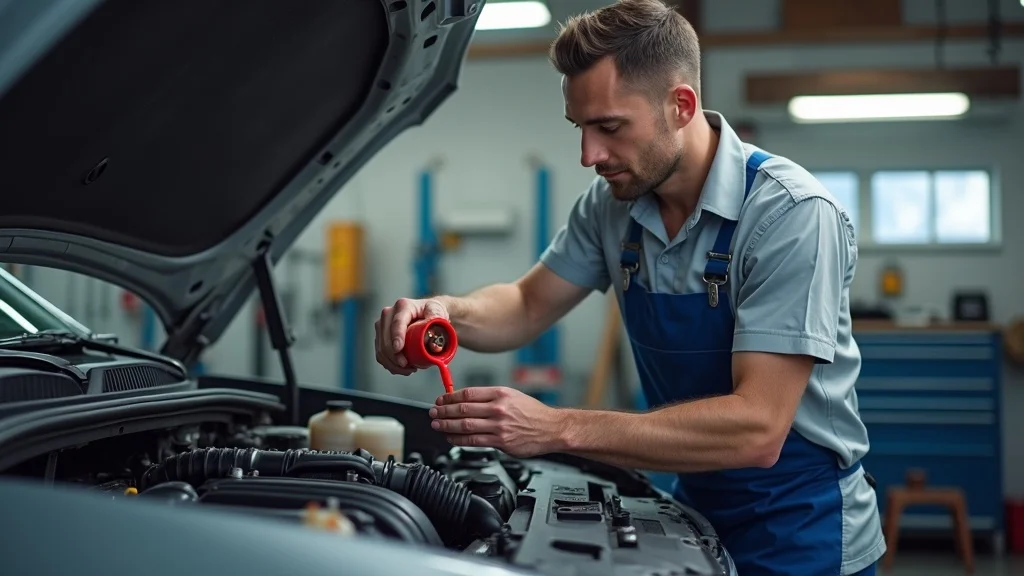
prevent diesel engine overheating - Mechanic topping off coolant in truck engine for overheating prevention

Routine Diesel Engine Maintenance for Overheating Prevention

A robust engine maintenance routine is the foundation for ensuring your diesel vehicle stays cool—and out of the repair shop. Begin by keeping meticulous records of coolant changes, filter replacements, and radiator flushes, as well as any history of coolant leaks or temperature spikes. Routine inspections before every long haul are especially important for Columbia, SC drivers frequently exposed to fluctuating temperatures and unpredictable load demands.

Stay vigilant about changing the air filter as recommended, and regularly test the water pump for proper coolant circulation. Don’t overlook seasonal checks—summer’s high heat places added stress on your engine’s cooling system. By sticking to this maintenance regime, you’re far less likely to experience the downtime and expense associated with sudden engine overheating or catastrophic engine damage.

Upgrading the Cooling System: Key to Preventing Engine Overheating

Sometimes, standard maintenance isn’t enough. If you frequently haul heavy loads or push your diesel engine to its limits in Columbia’s heat, investing in cooling system upgrades is a smart, long-term move. Consider high-capacity radiators, upgraded electric fans, or performance thermostats that open at lower temperatures for better heat management during peak conditions. These aftermarket parts are designed to deliver superior coolant flow and handle greater thermal stress.

Professional diesel mechanics can also install advanced coolant additives that improve heat transfer and guard against corrosion, further reducing the risk of a sudden overheating issue. These upgrades, while sometimes more costly upfront, ultimately extend the life of your diesel engine and reduce the number of costly, time-consuming repairs over the long haul.

upgrading cooling system in diesel engine - Technician installing high-performance radiator

Watch: Quick DIY Checks to Keep Your Diesel Engine from Overheating

Answering Common Questions on Prevent Diesel Engine Overheating

What are 10 common causes of overheating diesel?

Ten Most Common Diesel Engine Overheating Causes Answered

Understanding what causes an overheating diesel engine can save you from breakdowns and repairs. Here are ten frequent culprits:

  • Low coolant level
  • Coolant leak in hoses or radiator
  • Blocked or dirty radiator
  • Faulty thermostat
  • Malfunctioning water pump
  • Broken or slipping fan belt
  • Clogged air filter
  • Head gasket failure (blown cylinder head)
  • Oil or coolant mixing due to engine cracks
  • Carrying excessive heavy loads regularly without proper cooling upgrades

What’s the worst thing for a diesel engine?

Why Overheating Diesel Engines Is the Worst Scenario

Severe engine overheating is arguably the worst situation for any diesel engine. Unchecked heat can cause cylinder head warping, permanent loss of compression, and in extreme cases, catastrophic block failure. Overheating also hastens wear on major engine components, increases fuel consumption, and rapidly reduces overall engine life—turning a manageable maintenance issue into a major, often irreparable failure.

What liquid is used to prevent a diesel engine from overheating?

Role of Coolant in Preventing Diesel Engine Overheating

The primary liquid used to prevent diesel engine overheating is specialized engine coolant, sometimes referred to as antifreeze. This mixture is formulated to absorb heat from the engine and transfer it efficiently through the radiator, keeping the engine cool even under stress. Always use the coolant type recommended by your manufacturer; using water alone should only be a last resort in emergencies, as it lacks the additives needed to protect against rust and scale buildup in your cooling system.

engine coolant for overheating prevention - Bottles of multi-colored coolants, macro shot

What temperature is too hot for a diesel engine?

Safe Diesel Engine Temperature Ranges Explained

Safe operating temperatures for most diesel engines hover between 180°F and 210°F (82°C to 99°C). When engine temperature climbs above 220°F (104°C), you’re entering the danger zone for overheating engine damage. Sustained high temperatures cause coolant to boil, reduce lubricant effectiveness, and threaten engine integrity—so it’s vital to address any unexpected temperature spikes immediately by pulling over and troubleshooting the cooling system.

Expert Tips: Prevent Diesel Engine Overheating with Pro-Level Maintenance

  • Check cooling system components before long trips
  • Replace coolant and flush the system periodically
  • Monitor engine temperature gauge regularly
  • Look for unexpected coolant leaks and repair immediately
  • Use only recommended fluids for your diesel engine

Key Takeaways: How to Prevent Diesel Engine Overheating Efficiently

  • Consistent engine maintenance lowers the risk of engine overheating
  • Early recognition of overheating diesel engine symptoms is crucial
  • Cooling system upgrades enhance engine temperature stability
  • Engage expert diesel mechanics for complex troubleshooting

FAQs: Prevent Diesel Engine Overheating

  • How often should I replace my diesel engine coolant? Replace coolant as recommended in your diesel vehicle’s owner manual, typically every 30,000 to 60,000 miles or every 2–3 years. Always check for color change or floating debris, which could signal contamination or aging fluid.
  • Is radiator flush necessary for diesel engines? Yes. Periodic radiator flushes remove contaminated coolant and scale buildup, ensuring your cooling system remains unrestricted and protecting against diesel engine overheating.
  • Can I use water instead of coolant in my diesel engine? Water can be a temporary substitute in emergencies, but always switch back to proper coolant as soon as possible. Coolant/additive blends prevent rust, scale, and freeze-ups, providing superior heat management.
  • Why does my diesel engine overheat only in summer? High ambient temperatures, combined with increased A/C or load, make it harder for the cooling system to shed excess heat, leading to more frequent overheating issues during hot months.
  • Should I consult a professional if I notice overheating? Absolutely. If simple fixes don’t work or overheating recurs, consult experienced diesel mechanics for a thorough system check and expert diagnostics.

Protect Your Diesel Engine: Trusted Diesel Mechanics in Columbia, SC

Consistent professional care is the surest way to keep your diesel running smoothly. Columbia’s trusted experts have the training, specialized tools, and firsthand experience to diagnose complex cooling system problems, address any coolant leak swiftly, and recommend cooling upgrades that fit your workload and driving habits. Don’t let engine overheating threats sideline your vehicle—instead, contact Road 1 Diesel Mechanics in Columbia, SC today for professional, reliable service.

Conclusion

Prevent diesel engine overheating by combining regular maintenance, prompt fixes, and expert guidance. Upholden these best practices and your diesel engine will remain cool, efficient, and reliable—no matter how tough the road or the climate.

If you’re ready to take your diesel maintenance to the next level, consider exploring the full spectrum of diesel truck repair and service solutions available from trusted professionals. Whether you’re seeking advanced diagnostics, performance upgrades, or tailored maintenance plans, these services can help you maximize uptime and extend the life of your diesel vehicle. Investing in expert care not only prevents overheating but also ensures your truck is prepared for any challenge the road throws your way. Discover how comprehensive service can transform your diesel ownership experience and keep you confidently moving forward.

Sources

To further enhance your understanding of preventing diesel engine overheating, consider exploring the following resources: “How to Prevent Overheating in Heavy-Duty Diesel Engines”: This article provides expert maintenance tips and outlines key systems and practical preventive steps to avoid overheating in heavy-duty diesel engines. (lttruckrepair. com) “Diesel Engine Overheating: Causes, Prevention, and Solutions”: This resource delves into the primary causes of diesel engine overheating, the dangers associated with it, and practical steps to prevent and address overheating issues. (nadieselparts. com) If you’re serious about maintaining your diesel engine’s performance and longevity, these resources will provide you with valuable insights and actionable steps to prevent overheating.