

Diesel Engine Fuel System Problems? Stop Them Now
Hook: Did you know that nearly 70% of diesel engine failures can be traced to fuel system problems and diesel fuel contamination?
Diesel trucks are built for reliability and toughness — but one hidden threat brings even the sturdiest rigs to a sudden halt: diesel engine fuel system problems. Whether you drive long-haul routes or handle demanding local work in Columbia, SC, your truck’s fuel system is its lifeline. Issues often go undetected until the damage is done, resulting in costly repairs, lost time, and major frustration. However, if you know what to watch for — and how to take action — most fuel-related breakdowns can be avoided. In this comprehensive guide, you’ll get fresh insights, actionable truck maintenance strategies, and expert clarity on fuel system problems that matter most to South Carolina diesel truck owners.
Diesel Engine Fuel System Problems: The Hidden Challenges Every Truck Owner Should Know
“Did you know that nearly 70% of diesel engine failures can be traced to fuel system problems and diesel fuel contamination?”

The modern diesel engine is a marvel of engineering, emphasizing efficiency and power. But the fuel system is its most vulnerable domain. Unlike gasoline engines, diesel engines work with higher compression and tighter tolerances, so even the slightest bit of fuel contamination or a partially clogged filter can lead to dramatic performance drops. Contaminants like water, microbes, and degraded fuel quietly build up, especially in the hot, humid climate of Columbia, SC — transforming quality diesel into an engine’s worst enemy. Neglect routine fuel system care and you might face hard starts, costly fuel pump damage, or even catastrophic engine failure. Detecting these hidden challenges early is critical for truck owners who rely on their vehicles for daily work and livelihood.
Diesel fuel contamination remains the leading culprit, often due to regional differences in fuel storage or quality at certain stations. Even new trucks in Columbia can run into fuel problems if they’re fueled with water-laden or aged diesel. On top of this, deferred filter changes allow buildup, triggering fuel pump wear and ultimately halting fuel flow altogether. Understanding these challenges — and implementing straightforward prevention and detection steps — can mean the difference between reliable performance and unexpected breakdowns.
Staying ahead of these issues often comes down to diligent maintenance and knowing when to seek professional help. For a deeper look at comprehensive diesel truck repair and service options that address not just fuel system problems but the full spectrum of truck reliability, explore the diesel truck repair and service solutions available in Columbia, SC.
What You’ll Learn About Diesel Engine Fuel System Problems
- Major causes of diesel engine fuel system problems
- Warning signs and symptoms
- How to prevent diesel fuel contamination and fuel pump failure
- Steps for troubleshooting and maintaining your fuel system
- When to call a diesel mechanic in Columbia, SC
Understanding Diesel Engine Fuel System Problems: Core Components and Functions
At the core of every diesel engine is a sophisticated fuel system responsible for delivering the right amount of clean diesel fuel under high pressure to each cylinder’s fuel injector. This system includes key components such as the fuel pump, fuel filters, and specialized lines and sensors that ensure optimal engine performance. When any part of this system fails — whether from fuel contamination, blockages, or mechanical wear — the whole engine suffers. Regular maintenance and keen awareness of how these parts interact are crucial for all truck owners.
In most trucks, the fuel pump serves as the system’s lifeblood, pushing fuel from storage tanks through a series of filters and eventual delivery lines. Advanced diesel engines also depend on quality fuel additives to combat natural degradation — a process that can speed up in hot climates or due to subpar fuel storage. Each component, from filters to pumps, must work in harmony to keep particulate contamination, microbes, and water out of your engine. Knowing your diesel engine’s core parts is your first defense against expensive breakdowns and ensures every drop of diesel makes it from tank to combustion chamber efficiently.
Key Diesel Fuel System Parts: From Fuel Pump to Filters
- Overview of the diesel fuel system
- The role of the fuel filter
- Functions of the fuel pump
- Importance of fuel additives
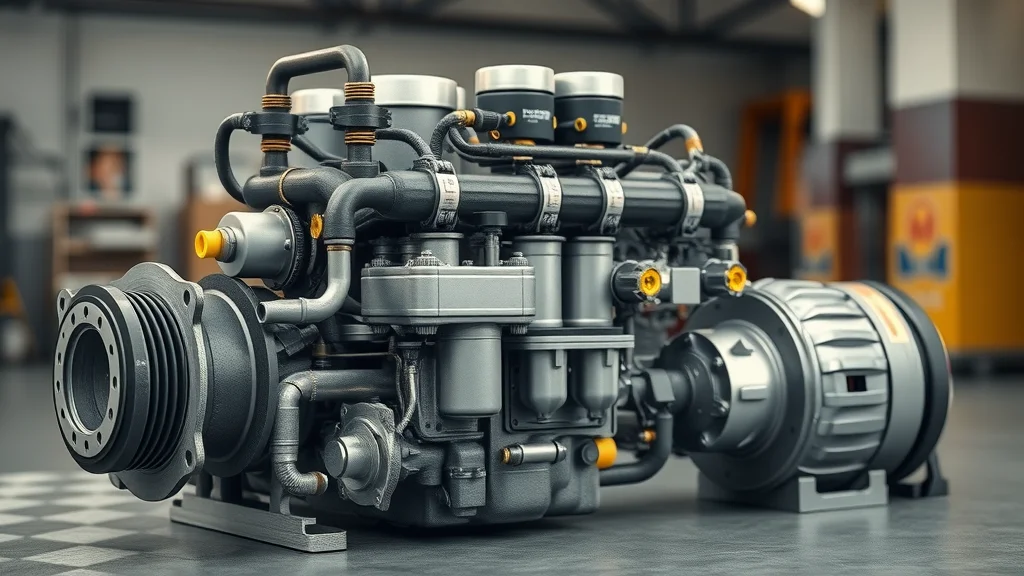
The heart of any diesel engine fuel system beats through several interconnected components. The fuel pump draws fuel from the storage tank and pressurizes it for injection. Fuel then travels through fuel filters — the critical line of defense, trapping dirt and water before contaminants reach sensitive injectors. Any debris that makes it past the filter can clog injectors or damage cylinders.
Fuel additives play a supporting role, helping to disperse water, clean injectors, and combat microbial growth. A treated diesel fuel system is less likely to suffer from blockages or performance decline. Consistently using high-quality additives and keeping up with filter and pump maintenance can greatly extend your engine’s lifespan and reduce the chances of facing critical fuel system issues down the road.
Common Diesel Engine Fuel System Problems Faced by Truck Owners
Truck owners frequently ask, “What are the most common diesel engine fuel system problems?” Based on field reports and service records, the top issues are fuel contamination (think water, microbes, and bad diesel), fuel pump failure, and clogged fuel filters. Each of these can manifest with a set of distinct — but sometimes overlapping — symptoms. Knowing what to look for and addressing minor issues quickly can prevent larger, costlier repairs and extend your diesel engine’s overall life.
South Carolina truckers should keep in mind: local weather and regional fuel storage practices raise special risks for diesel fuel contamination. Quick-access lists and checkups for your fuel filters, as well as sourcing from stations with a reputation for clean, fresh diesel, are simple but essential habits.
Contaminated Fuel and Diesel Fuel Contamination
“Fuel contamination is a leading cause of fuel system breakdowns in South Carolina diesel trucks.”
- Water and microbial contamination
- Bad fuel quality and fuel degradation

Contaminated fuel is enemy number one for diesel engine longevity. Water infiltrates your diesel, either from condensation inside storage tanks (a common issue in the humid Columbia, SC climate) or through leaky fuel delivery systems. This water forms a breeding ground for microbial growth — think of it as mold for your fuel tank — which can clog filters, injectors, and corrode metal parts. If that’s not bad enough, bad fuel quality from either subpar suppliers or long-term fuel storage accelerates fuel degradation. Over time, the diesel becomes sludgy, separating and blocking flow throughout the system.
Signs of fuel contamination range from rough idling and hard starts to black smoke and poor acceleration. Because water and microbes may not show up during a quick visual check, regular fuel sampling, and preventive measures (like biocide additives and frequent drainage of water separators) are mandatory for avoiding breakdowns linked to fuel contamination.
Fuel Pump Failure: Signs, Causes, and Risks
- Poor acceleration or stalling
- Loud whining noises
- Engine not starting
The fuel pump is the central driver of fuel flow within your diesel engine’s system. Over time, pumps wear out from continuous use, poor maintenance, cheap diesel fuel with low lubricity, or persistent exposure to contaminated fuel. Warning signs arise early: you’ll often notice poor acceleration, intermittent stalling, or even an engine that cranks helplessly but won’t fire. Another classic red flag is a loud whining or buzzing sound from under the truck or around the tank — a noise no operator should ever ignore.
If left unresolved, a failing fuel pump can lead to improper fuel delivery, causing the engine to run lean or starve of fuel altogether. This creates high stress on other fuel system components and can precipitate major engine damage. Recognizing these risks early, and replacing a noisy or unreliable pump before it fails, can save thousands versus dealing with downstream engine or injector repairs.
Fuel Filter Blockages and Impact on Performance
- Symptoms of a clogged diesel fuel filter
- How often to change fuel filters

Fuel filters exist purely to trap impurities before they inflict damage downstream. But in high-use trucks — or during long hot spells — these filters can fill with debris astonishingly quickly. A clogged fuel filter chokes the system, resulting in engine hesitation, sudden surges or power drops, and frequent need to prime the system after sitting overnight.
As a general rule, change your diesel fuel filter at recommended intervals, or more often if you’re working in extreme environments. Many truck owners in Columbia find that the region’s humidity and the occasional presence of particulates mean they need to swap filters more frequently than the manufacturer’s minimum. Regular attention to this small but vital piece keeps the entire fuel system running clean and prevents more severe blockages from ever arising.
Diesel Fuel System Problems: Causes and Contributing Factors
Outsiders may assume diesel is diesel, but real truck owners know: local conditions and storage practices aggravate many fuel system problems. In South Carolina, unpredictable humidity, temperature swings, and diverse fuel storage standards combine to create unique risks for drivers.
Simple slip-ups — like buying from low-turnover stations or letting a truck sit idle with fuel tanks half full — can invite fuel contamination, fuel degradation, and microbial infestation. Recognize these contributing factors, and you’re equipped to take meaningful action well before warning lights flash or your engine struggles.
Contaminated Fuel in the Columbia SC Region: Unique Local Risks
- Issues from regional fuel storage
- Impact of humidity on diesel fuel quality
- Poor fuel quality stations
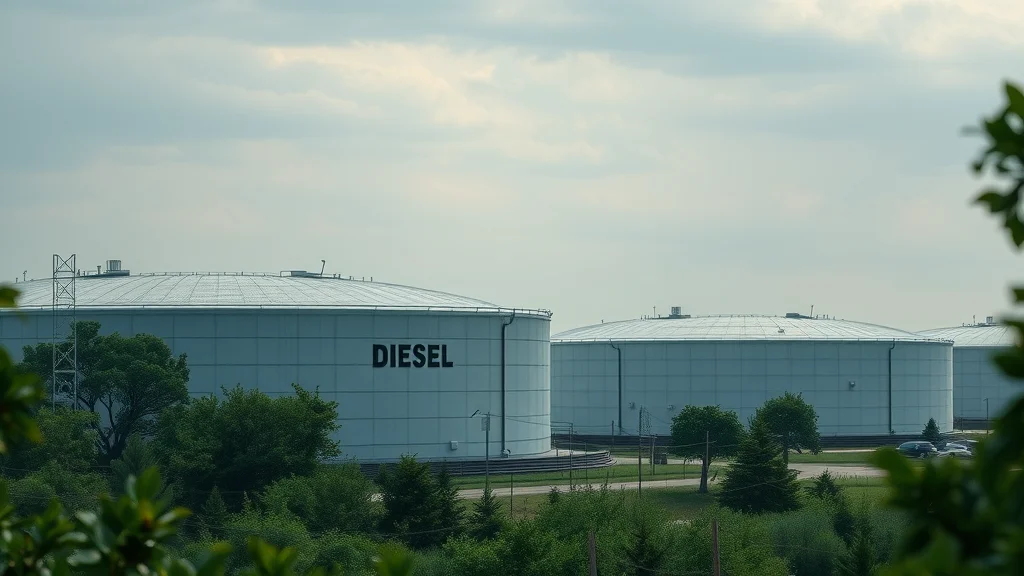
The Columbia SC region poses specific fuel contamination risks due to a combination of atmospheric and logistical factors. Large fuel storage tanks may sit for weeks between deliveries, leading to separation, condensation, and accelerated microbial growth. During hot, muggy summers, water vapor migrates into storage tanks, condenses overnight, and settles at the bottom, right where your fuel pickup sits.
Truckers that fill up at low-volume or poorly maintained stations are especially at risk for getting contaminated fuel. Station owners that don’t regularly test or treat tanks can allow microbial bloom, resulting in sludgy, water-laden diesel. To reduce risk, prioritize suppliers with high customer turnover, strong fuel quality reputation, and transparent maintenance protocols.
Diesel Engine Fuel System Problems: Detection and Early Warning Signs
Detecting diesel engine fuel system problems early is vital for minimizing risk and expense. Symptoms often appear subtly at first: hard starts on cool mornings, power loss under load, wisps of black smoke, or a sudden dip in fuel efficiency. Train yourself and your crew to spot these clues, and you’ll catch most problems before they escalate. For Columbia-area truck owners, keeping an eye on performance changes is the best safeguard between scheduled maintenance appointments.
Beyond the telltale signs, periodic diagnostics — including manual inspections and using the truck’s dashboard warning system — can reveal issues with fuel system flow, filter clogs, or latent contamination. Reacting swiftly saves time, money, and preserves your truck’s long-term viability.
Common Symptoms of Diesel Engine Fuel System Problems
- Hard starting
- Decreased power
- Black smoke
- Excessive fuel consumption
Hard starts and prolonged cranking are some of the first concerns raised by fuel system blockages or pump failures. Once the engine does run, owners might notice decreased power or “dead pedal” syndrome, where demand for acceleration meets weak or inconsistent response. Excessive black smoke from the exhaust is often a symptom of incomplete combustion, frequently caused by fuel contamination or faulty injection.
Increased, unexplained fuel consumption often means the engine is working harder to overcome flow restrictions or inefficient burn — both clear indicators of fuel system distress. Responding early protects against escalating damage, especially in busy, high-mileage truck fleets.
Diagnosing Diesel Engine Fuel System Problems: Step-by-Step Troubleshooting
When problems arise, a methodical approach to troubleshooting is crucial. Start with a thorough visual inspection, checking for leaks, corrosion, contaminated filters, or loose fuel lines. Utilize dashboard warning indicators and error codes to focus your investigation further. If symptoms persist, advanced diagnostics, like checking fuel pressure or examining fuel injectors, may be necessary.
A complete diagnostic doesn’t just find the problem — it helps you understand whether the issue is isolated (a bad filter or pump), or if a deeper systemic fault (such as chronic fuel degradation or injection issues) is developing. Always document your findings to assist mechanics if repair becomes necessary.
Visual Inspections and Warning Lights

Begin all troubleshooting with a walk-around and interior check. Look for visible leaks, unusually dirty fuel filters, or signs of corrosion around connectors and storage tanks. Inside the cab, heed any dashboard fuel system or “check engine” lights, which often signal low fuel pressure, blocked filters, or injection irregularities.
Use an OBD (On-Board Diagnostics) scanner to retrieve stored trouble codes. Fix any physical issues uncovered during your inspection, such as replacing a visibly clogged filter or tightening loose fuel lines, before moving on to more complex electrical or pressure tests.
Testing Fuel Pressure, Fuel Filters, and Fuel Pump
Checking fuel pressure is a key step to ensure the fuel pump is performing optimally. Too low, and your diesel engine may struggle to start or run; too high, and you might damage injectors or create excessive smoke. Inspect fuel filters at this stage — replace any filter showing signs of extensive debris, clogging, or water presence.
A failing fuel pump usually reveals itself via erratic pressure readings, excessive noise, or visible leaks. Confirm findings by comparing system readings with manufacturer specs. If you’re not equipped or trained for these diagnostics, don’t hesitate to reach out to a certified diesel mechanic in Columbia.
Preventing Diesel Engine Fuel System Problems: Best Practices
Prevention is always less expensive than repair. For truck owners, the key steps are to source quality fuel, use proven additives, maintain a strict filter replacement schedule, and stay alert for warning symptoms. Especially for vehicles operating in humid or variable climates like Columbia, a proactive maintenance routine dramatically reduces the risk of major fuel system breakdowns.
When it comes to “problem prevention,” the most successful truck owners build preventative checks and regular fuel sampling into their monthly routines, ensuring their diesel engine fuel system operates at peak, trouble-free performance.
Using Quality Diesel Fuel and Reliable Fuel Additives
- Recommended diesel fuel additives
- How fuel additives improve fuel quality and prevent degradation

Not all diesel from Columbia-area stations is created equal. When filling up, prioritize outlets with reputable, high-turnover diesel, reducing the risk of fuel contamination from stagnant tanks. Additionally, invest in top-tier fuel additives designed for water dispersal, injector cleaning, cold weather lubrication, and microbial suppression.
Regular use of quality fuel additives keeps injectors free from deposits and prevents fuel degradation — a must for trucks that may sit between jobs. Always follow the product instructions regarding dosage and compatibility. For long-haul operations or high humidity exposure, use biocide additives periodically to curb the threat of microbial contamination and extend the life of your filtration and injection components.
Routine Maintenance: Fuel System, Fuel Filters, and Fuel Pump Care
- Diesel fuel system maintenance tips
- Fuel filter replacement schedule
- When to clean the tank

Don’t wait for a warning light to prompt fuel system service. Schedule regular fuel filter changes — typically every 10,000–15,000 miles, or sooner for high-dust work or if local fuel stations are known for variable quality. Drain water separators and visually check fuel lines, pumps, and filter housings at the same interval.
For trucks used intermittently or stored for long periods, performing fuel tank clean-outs every year or two eliminates conditions ideal for microbial bloom and sludge. Keep a log of these maintenance actions: nothing prevents engine damage more effectively than a transparent, consistent diesel fuel system care program.
Table: Common Diesel Engine Fuel System Problems vs. Symptoms and Solutions
| Problem | Symptoms | Preventive Solution |
|---|---|---|
| Fuel Contamination | Hard starts, black smoke, misfires | Use additives, buy fuel from reputable sources, drain water separators |
| Fuel Pump Failure | No start, stalling, whining noises | Replace weak pumps promptly, monitor noise, avoid bad fuel |
| Clogged Fuel Filter | Poor acceleration, surging, rough idle | Change filters regularly, inspect for sludge and debris |
| Microbial Growth | Blocked filters, loss of power, odd smell from tank | Add periodic biocide treatments, clean tank annually |
What Are the Problems with Diesel Fuel Systems? (People Also Ask)
What are the problems with diesel fuel systems?
Answer: Diesel fuel systems commonly suffer from fuel contamination, injector failure, fuel filter clogs, and fuel pump wear. These can lead to starting issues, power loss, and engine damage if not addressed.
What are the symptoms of diesel fuel problems?
Answer: The symptoms include rough idling, misfires, hesitation, excessive exhaust smoke, and reduced fuel efficiency.
What are the three common fuel system problems and their possible causes?
Answer: 1) Fuel contamination caused by water/microbes; 2) Fuel filter blockages due to poor fuel maintenance; 3) Fuel pump failure from wear or poor fuel lubrication.
What are the symptoms of a bad diesel pump?
Answer: Difficult starts, loss of engine power, irregular idling, and unusual engine noises are signs of a faulty diesel fuel pump.
Frequently Asked Questions on Diesel Engine Fuel System Problems
- How often should you change diesel fuel filters?
Diesel fuel filters should typically be changed every 10,000–15,000 miles, or more frequently for trucks operating in dusty environments or using fuel from lower-quality sources. Regular replacement ensures clean fuel delivery and protects injectors and pumps. - Can I prevent fuel contamination with additives?
Yes, the consistent use of water-dispersing, lubricating, and antimicrobial fuel additives substantially reduces the risk of water and microbe-related fuel contamination. However, additive use must be combined with purchasing high-quality fuel and routine maintenance for best results. - What’s the best way to improve fuel quality?
Source your diesel from reputable, high-turnover stations, use recommended fuel additives, and store fuel in properly sealed, clean storage tanks. Regular sampling and tank cleaning further help maintain pristine fuel quality. - Do diesel engine fuel system problems require professional repair?
While basic filter changes and inspections are DIY-friendly, persistent symptoms — like repeated stalling, power loss, or visible contamination — should always be addressed by a professional diesel mechanic to prevent costly engine damage.
Key Takeaways for Truck Owners on Diesel Engine Fuel System Problems
- Most fuel system issues can be prevented with routine care
- Early detection of symptoms saves time and money
- Columbia, SC truck owners should pay special attention to local fuel quality
- Consult diesel mechanics for persistent or severe diesel engine fuel system problems
Ensure Reliable Performance—Contact Diesel Mechanics in Columbia, SC
For expert help with your diesel engine fuel system problems, visitDiesel Mechanics. Get your truck serviced for peace of mind: https://callroad1.com
Proactive maintenance and early intervention are the best guarantees against costly diesel engine fuel system problems. Trust your Columbia, SC experts for long-lasting performance and road-ready reliability.
If you’re committed to keeping your diesel truck running at its best, don’t stop with just fuel system care. The right approach to overall truck maintenance can help you avoid unexpected downtime and extend the life of your vehicle. Discover how a holistic service plan—covering everything from diagnostics to preventive repairs—can make a difference for your business or daily operations by visiting the diesel truck repair and service resource for Columbia, SC. Take the next step toward total reliability and let expert technicians help you stay ahead of every challenge the road throws your way.
Sources
- https://www.dieselforum.org – Diesel Technology Forum
- https://www.truckinginfo.com – Heavy Duty Trucking
- https://www.trucktrend.com – Truck Trend Network
- https://www.ntst.com – National Transportation Safety Board
- https://www.cummins.com – Cummins Diesel Engines
To further enhance your understanding of diesel engine fuel system problems, consider exploring the following resources: “6 Most Common Problems With Diesel Fuel Systems”: This article provides a detailed overview of prevalent issues such as fuel contamination, clogged fuel filters, and injector failures, along with practical solutions to address them. (moonlightrepair. com) “Diesel Fuel System Issues in Farm Equipment: Causes and Solutions”: Focusing on agricultural machinery, this resource discusses common fuel system challenges, including water contamination and fuel injector problems, offering targeted solutions for maintenance and prevention. (ibexincorporated. com) By delving into these materials, you’ll gain valuable insights into identifying, preventing, and resolving diesel fuel system issues, ensuring optimal performance and longevity of your engine.