

Diesel Engine Overheating Causes You Must Know
Did you know that nearly 30% of unexpected diesel truck breakdowns in South Carolina are linked to engine overheating? For truck owners in Columbia, neglecting early warning signs can mean the difference between a quick fix and an expensive engine rebuild. Understanding diesel engine overheating causes is vital for keeping your truck safe—and your costs down.
A Startling Look at Diesel Engine Overheating Causes
Diesel engines are revered for their durability and long-lasting performance, especially in demanding conditions like those faced by diesel truck owners around Columbia, SC. However, even the most robust diesel engines aren’t invincible. When a diesel engine overheats, the consequences can range from minor coolant leaks to catastrophic engine failure. Knowing what triggers engine overheating—and recognizing these problems early—is essential.
Heat is a natural byproduct of powerful diesel combustion, but an overheating diesel engine signals a fundamental issue in your truck’s cooling system or related components. If left unchecked, overheating can warp the cylinder head, damage the head gasket, and compromise major engine parts—leading to downtime and costly repairs. Immediate attention to diesel engine overheating causes keeps your ride reliable and prevents a simple overheating issue from becoming a major engine setback.

What You’ll Learn About Diesel Engine Overheating Causes
- The most common diesel engine overheating causes
- Signs your diesel engine is overheating
- Preventive maintenance tips for diesel engines
- Troubleshooting overheating diesel engine
- Repair strategies for engine overheating problems
Overview: Why Diesel Engine Overheating Matters
In the Midlands’ sweltering summer or during long interstate hauls, your diesel truck’s ability to manage heat is crucial. When engine overheating takes root, the impact isn’t limited to just your radiator or thermostat—it puts the entire diesel engine at risk. For truck owners in Columbia, this means a potential domino effect: missed deliveries, business downtime, and hefty repair bills.
Understanding why diesel engine overheating matters is more than just engine science—it’s about protecting your investment, maintaining uptime, and ensuring each trip is completed safely. With so many variables, from climate to heavy loads, the threat of an overheating diesel engine is ever-present. Know the causes, signs, and solutions so you can act before it’s too late.
Understanding Diesel Engine Overheating: What Happens When a Diesel Engine Overheats?
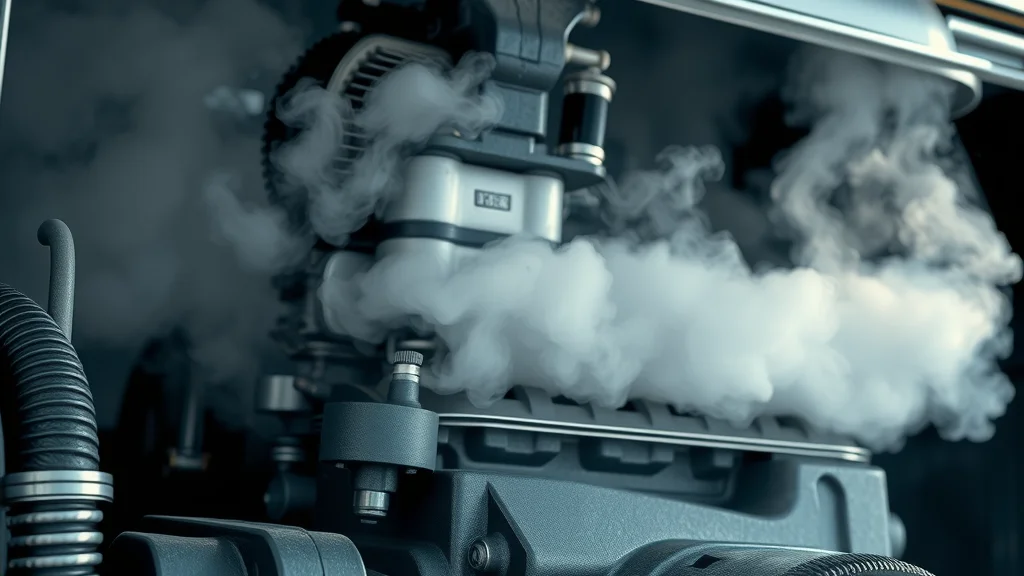
When your diesel engine starts to overheat, the engine temperature quickly climbs past normal operating ranges. What does this actually mean for your truck? The heat can cause vital engine parts—like cylinder heads, the head gasket, and even pistons—to expand, warp, or crack. This results in a loss of compression, poor performance, and sometimes a total breakdown.
Unchecked engine overheating impairs crucial systems: oil loses viscosity, coolant flow drops, and metal components grind under excess heat. Repeated exposure may lead to a blown head gasket, cylinder head damage, or even a seized engine. For Columbia’s diesel drivers dealing with heavy loads, urban traffic, or extreme weather, such risks are real—and very expensive to repair. Addressing diesel engine overheating causes early keeps small problems from snowballing into total engine failure.
“A well-maintained diesel engine should rarely overheat—addressing the root causes early is key to preventing bigger problems.”
Major Diesel Engine Overheating Causes Explained
- Low Coolant Levels or Coolant Leak
- Damaged Radiator or Restricted Airflow
- Faulty Thermostat in Diesel Engine
- Failed Water Pump
- Clogged Air Filter in Diesel Engine
- Malfunctioning Fan or Fan Clutch
- Broken Head Gasket in Overheating Diesel Engine
- Incorrect Fuel Mixture or Injector Issues
The cooling system in diesel engines is a complex network designed to keep the engine operating at optimal temperatures. Any malfunction—be it a simple coolant leak or a failing water pump—invites trouble. Columbia’s hot climate, coupled with stop-and-go city traffic or severe towing demands, puts extra pressure on these components. That’s why understanding every element in the chain, from the radiator to the air filter and injectors, is essential for effective maintenance and swift troubleshooting.
Often, more than one factor contributes to engine overheating—like a low coolant level paired with a restricted radiator airflow. Rapid diagnosis and repair of these issues can save your engine from irreversible harm and spare you the headache of roadside breakdowns.
For truck owners who want to dive deeper into hands-on solutions, exploring comprehensive diesel truck repair and service options can provide practical steps for addressing overheating and other common engine issues. Staying informed about professional repair strategies ensures your diesel engine receives the care it needs when problems arise.
Coolant Leak and Its Impact on Diesel Engines
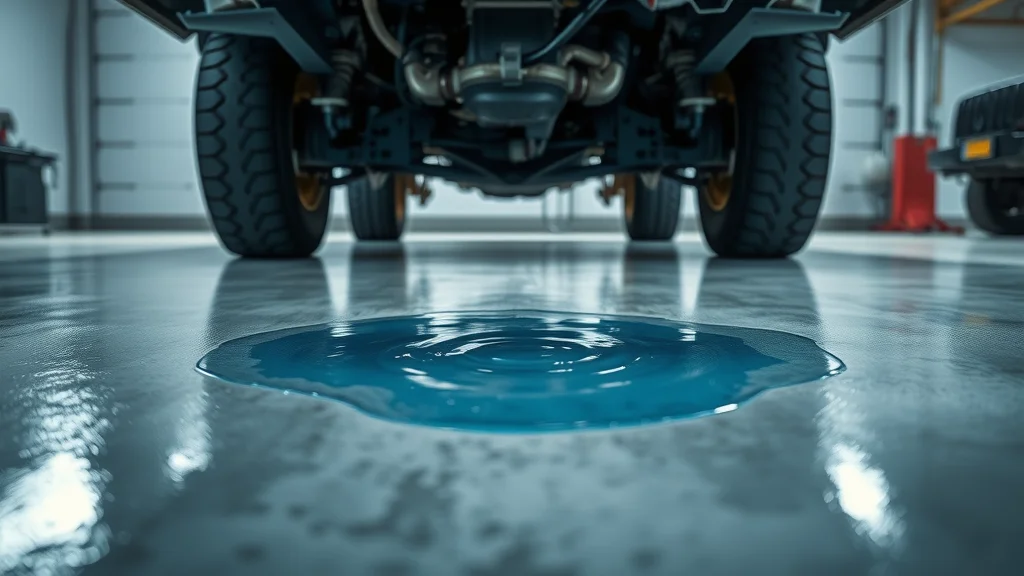
A coolant leak is one of the most common diesel engine overheating causes, especially in older diesel trucks. Leaks reduce the amount of coolant available to absorb heat and transfer it away from the engine. Over time, a small, unnoticed coolant drip can drop the coolant level below safe limits, leaving your engine exposed to dangerous temperatures even on short trips.
Look for visible signs—a puddle under your truck, sweet-smelling steam, or dripping hoses. Not all coolant leaks are externally obvious: internal leaks might only show up as repeated coolant loss or white smoke from the exhaust (a sign of a failed head gasket). No matter the leak’s size or location, addressing it early protects your diesel engine from costly overheating issues down the line.
Overheating Diesel Engines: Radiator and Airflow Issues
The radiator is your engine’s front-line defender against overheating—but only if it’s working properly. A damaged radiator, clogged fins, or blocked airflow (often from debris or bugs, especially after highway travel around Columbia) will cause heat to build up. When this happens, the coolant cannot release its heat, and the system loses efficiency.
Poor airflow due to a malfunctioning cooling fan or restricted radiator openings directly causes engine overheating. Routinely checking for bent radiator fins, loose debris, or inoperative fans is vital. Even a simple issue like a dirty radiator grille or a stuck fan clutch can turn a healthy diesel engine into an overheating headache within minutes.
Thermostat Malfunctions and Their Role in Diesel Engine Overheating
The thermostat acts as a gatekeeper, regulating coolant flow to help your diesel engine reach—and maintain—optimal temperature. If a thermostat sticks closed, coolant can’t circulate, causing the engine to overheat surprisingly quickly. On the other hand, a stuck-open thermostat may cause underheating, but in Columbia’s heat, blocked flow is a bigger concern.
Common symptoms of thermostat troubles include fluctuating engine temperature readings, a cold upper radiator hose, or overheating soon after startup. Because the thermostat is relatively inexpensive but vital, replacing a faulty thermostat is a cost-effective way to prevent much bigger engine overheating problems.
Air Filter and Injector Troubles Causing Diesel Engine Overheating
A blocked air filter suffocates your diesel engine, reducing airflow needed for clean combustion and causing excess heat buildup. When your truck struggles to “breathe,” incomplete combustion elevates engine temps and may lead to wasted fuel or smoky exhaust. Combine this with an injector stuck open or delivering the wrong fuel mixture, and you have a recipe for severe overheating.
Regularly swapping a clogged air filter and servicing injectors keeps your engine cool, efficient, and extends its life. In Columbia, frequent filter checks are especially critical due to dusty summer roads and pollen-laden air. Never ignore decreased engine performance or black smoke—these are early warnings that overheating may not be far behind.
Warning Signs of Diesel Engine Overheating
- High engine temperature gauge
- Coolant loss and visible leaks
- White smoke from exhaust (potential blown head gasket)
- Engine knocking or loss of power
- Sudden rise in oil temperature
Recognizing trouble early is your best defense against costly repairs. If the temperature gauge creeps into the red zone, stop immediately. Other symptoms, such as visible steam, an unexplained drop in coolant level, milky oil, or strange knocking noises, suggest urgent action is needed. These warning signs often precede catastrophic damage—especially in older trucks or those used for heavy towing around Columbia’s highways.
| Diesel Engine Overheating Symptoms | Possible Diesel Engine Overheating Causes |
|---|---|
| Temperature Gauge in Red Zone | Low coolant, faulty thermostat, damaged radiator |
| Steam From Engine Bay | Coolant leak; head gasket issues |
| Unusual Noises | Failed water pump; overheating diesel engine |
| Loss of Power | Injector or air filter problems |
How to Prevent Diesel Engine Overheating in Your Diesel Truck
- Regular coolant checks to avoid coolant leaks
- Inspection of radiator and cooling system
- Timely air filter replacement in diesel engines
- Monitoring and replacing thermostat as needed
- Professional diesel mechanic assessments
Prevention is critical in avoiding diesel engine overheating causes. Regular maintenance—especially before the Columbia summer heat sets in—extends your engine’s lifespan and keeps your truck running smoothly. Make it a habit to check coolant levels weekly, inspect for visible leaks, and flush your radiator according to your truck manufacturer’s schedule.
Remember, a trusted diesel mechanic isn’t just a repair specialist—they’re a partner in keeping your truck healthy. Investing in professional assessments means early detection of problems before they cause irreparable damage. Combine routine driver checks with professional expertise, and you’ll be miles ahead in protecting your diesel investment.

Troubleshooting Diesel Engine Overheating: What to Check First
- Coolant levels and possible coolant leaks
- Fan and water pump function
- State of air filter and radiator
- Signs of blown head gasket or injector problems
When your engine is overheating, don’t panic—but act quickly and logically. The first inspection point is always the coolant level. A drop often means a coolant leak—check around hoses, the radiator, and under the truck. Next, look at the fan and water pump—listen for strange noises and ensure both are operating correctly. A faulty water pump won’t circulate coolant, and a failed fan will drastically reduce airflow.
Don’t forget the air filter. If it’s filthy, swap it out before a short trip turns into a call for emergency engine service. Lastly, watch for signs of a blown head gasket: milky oil, white smoke, or chronic coolant loss all spell trouble. Quick checks and prompt repairs can make all the difference in avoiding major engine repairs.

Expert Tips: Solutions for Overheating Diesel Engines
“Neglecting minor overheating symptoms is a sure way to shorten your diesel engine’s lifespan.”
Columbia diesel owners, don’t wait for breakdowns—be proactive. Use high-quality coolant formulated for heavy-duty engines, and consider a radiator flush service before peak summer months. Clean your radiator exterior thoroughly—bug buildup and dirt are more destructive than they appear.
If your diesel truck faces frequent stop-and-go traffic or heavy hauling, consider timing belt and water pump replacement at shorter intervals. Always keep an eye on the engine temperature gauge during extreme weather, and book a professional assessment the moment you notice new noises or performance dips. These strategies dramatically reduce your risk of overheating issues and keep your engine performing for years.
People Also Ask: What Are the 8 Possible Causes of Engine Overheating Diesel?
The top eight diesel engine overheating causes are:
- Low coolant level or coolant leaks
- Damaged radiator or airflow obstruction
- Faulty thermostat
- Water pump failure
- Clogged air filter
- Malfunctioning cooling fan or fan clutch
- Damaged or blown head gasket
- Fuel injector or mixture problems
Each issue, alone or in combination, can cause an overheating diesel engine—routine inspections help you catch them before they escalate.
People Also Ask: How to Tell if a Diesel Engine Has a Blown Head Gasket?
Signs of a blown head gasket in a diesel engine often include:
- White smoke from the exhaust
- Milk-colored oil under the oil cap
- Frequent or unexplained loss of coolant
- Bubbles in the radiator or overflow tank
- Overheating quickly after startup
If you see these symptoms, stop driving and get a professional engine service immediately to avoid major engine damage.
People Also Ask: How Do You Fix a Diesel Engine That Overheats?
To fix an overheating diesel engine, cool down the engine first—never open a hot radiator cap. Check the coolant level (top off if needed) and look for obvious leaks. Inspect your radiator, water pump, thermostat, and cooling fan for visible damage or malfunctions. Replace any worn or faulty parts, and ensure the air filter and injectors are clean and operating properly. If the problem isn’t easily fixed, contact a professional diesel mechanic for a full diagnosis before further driving.
People Also Ask: Why Is My Engine Overheating but Coolant Is Full?
If your engine is overheating but the coolant reservoir is full, the issue could be a faulty thermostat, broken water pump, damaged radiator, or air in the cooling system causing poor coolant circulation. Other possible causes are a failed cooling fan or a partially blocked radiator. It’s crucial to identify the true cause quickly to avoid severely damaging your diesel engine.
FAQs on Diesel Engine Overheating Causes
- Can diesel engines recover from overheating?
Mild overheating, caught early, often has minimal long-term impact if the root cause is fixed quickly. Severe or repeated overheating, however, can cause permanent damage to the diesel engine. - Are certain diesel engines more prone to overheating?
Older diesel trucks or those with poorly maintained cooling systems are more susceptible. Heavy-duty or high-performance engines operating in Columbia’s heat need extra care. - How often should radiator and coolant be checked?
At minimum, check your coolant level every 1,000 miles or before long trips. Have your radiator and full cooling system professionally inspected at least twice a year. - Is a coolant leak always visible externally?
No—internal leaks, especially in the head gasket or cylinder head, may only reveal themselves through repeated coolant loss, white exhaust smoke, or milky engine oil. - Does Columbia, SC’s climate affect diesel engine overheating causes?
Absolutely. High temperatures, humidity, and frequent stop-and-go traffic all increase strain on your truck’s cooling system—making regular maintenance even more important here.
Key Takeaways: Preventing and Addressing Diesel Engine Overheating Causes
- Diesel engine overheating causes range from coolant leaks to air filter and head gasket issues.
- Routine maintenance can drastically reduce engine overheating
- Swift repairs by qualified diesel mechanics protect your investment
- Older diesel engines may require more frequent inspections
Ready for Professional Help with Diesel Engine Overheating Causes?
Don’t wait for costly breakdowns! If you recognize any signs of diesel engine overheating causes, trust the Columbia, SC experts to get your truck back on the road safely. Contact Road 1 Diesel Mechanics today for top-rated diagnosis, fast repairs, and preventive maintenance that keeps your diesel running strong—mile after mile.
If you’re committed to maximizing your diesel truck’s reliability and performance, it pays to look beyond just emergency fixes. Discover how a holistic approach to diesel truck repair and service can extend engine life, improve fuel efficiency, and reduce the risk of future overheating. By partnering with experienced professionals who understand the unique demands of Columbia’s climate and road conditions, you’ll gain peace of mind and keep your business moving forward. Take the next step in proactive truck care and unlock the full potential of your diesel investment with expert support tailored to your needs.
Sources
- https://www.diesellaptops.com – Diesel Laptops Blog
- https://www.trucktrend.com – Truck Trend Magazine
- https://www.ryder.com – Ryder Fleet Blog
- https://www.cummins.com – Cummins
Understanding the causes of diesel engine overheating is crucial for maintaining your vehicle’s performance and longevity. For a comprehensive overview, consider reading “AFA Covers Common Reasons for Diesel Engine Overheating”, which details factors like low coolant levels, air pockets in the cooling system, and their impact on engine health. Additionally, “Common Diesel Engine Problems: Your Troubleshooting Guide” offers insights into symptoms and solutions for overheating issues, emphasizing the importance of prompt attention to prevent severe engine damage. If you’re serious about maintaining your diesel engine’s reliability, these resources will provide valuable information to help you identify and address potential overheating causes effectively.