

Diesel Engine Smoke Diagnosis: What Your Engine Reveals
Did you know? Statistics show that up to 30% of unexpected diesel engine failures are first signaled by abnormal engine smoke—often weeks before a breakdown. Early diesel engine smoke diagnosis is not just about keeping your diesel truck running smoothly; it’s about protecting your investment, avoiding expensive repairs, and ensuring your vehicle remains safe and legal on the road. In Columbia, SC, where work trucks and diesel pickups line our streets, quickly identifying what your engine smoke means can be the difference between minor fixes and catastrophic engine repairs.
Diesel Engine Smoke Diagnosis: Startling Statistics Every Diesel Owner Should Know
Understanding diesel engine smoke isn’t just about technical know-how; it’s about stopping what could become severe mechanical issues in their tracks. According to a 2023 national survey of diesel truck maintenance, nearly one in three diesel vehicles develop engine smoke within their first 200,000 miles. Of those cases, over half are traced back to issues like fuel injector failures, coolant leaks, or improper maintenance. In Columbia, SC—a region known for humid summers and heavy-duty work trucks—these risks are even more pronounced due to regional driving patterns and weather conditions.
By recognizing the color and behavior of engine smoke early on, diesel owners can address small issues, such as a clogged air cleaner or worn piston rings, before they escalate to major problems like a cracked head gasket or damaged cylinder head. These statistics should serve as a wake-up call for all local diesel truck owners: Vigilance and early diagnosis are your first line of defense against breakdowns and unexpected repair bills. Taking proactive steps to monitor your diesel engine’s exhaust smoke can save time, money, and avoid the inconvenience of your truck breaking down when you need it most.

What You’ll Learn About Diesel Engine Smoke Diagnosis
- Understand the key causes behind engine smoke in diesel engines
- Differentiate between white smoke, black smoke, and blue smoke in diesel engine smoke diagnosis
- Identify warning signs like coolant leaks and fuel injector issues
- Gain actionable steps for diesel engine smoke diagnosis
- Know when to consult a certified diesel mechanic
Understanding Diesel Engine Smoke: The Basics of Diagnosis
Diesel engine smoke diagnosis revolves around keen observation and prompt action. When you see smoke coming from the exhaust of diesel engines, it’s more than just unsightly—it’s a signal from your engine that something may be wrong inside the combustion chamber or fuel system. Diesel engine smoke can indicate anything from a minor issue like a worn stem seal to something more pressing such as a coolant leak or failing head gasket. Owners in Columbia, SC know that regional climate and frequent local driving can also influence how and when smoke appears.
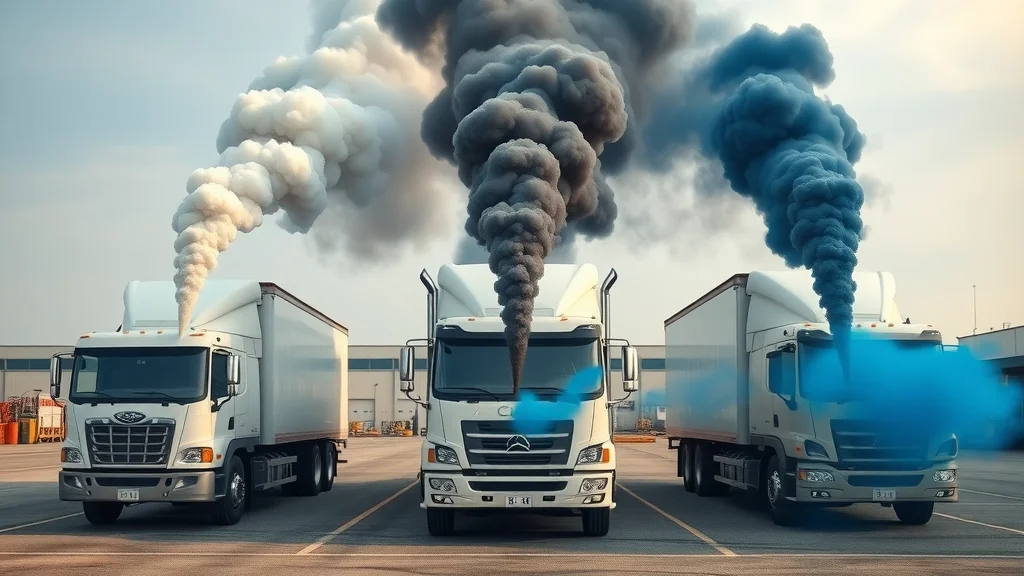
The primary focus in any comprehensive diesel engine smoke diagnosis is to observe the color, thickness, and odor of the smoke. Each aspect gives clues about what might be happening within your engine. For example, white smoke often warns of a coolant leak or failing cylinder head, black smoke typically signifies excess diesel fuel or faulty fuel injectors, and blue smoke usually denotes oil consumption from worn piston rings or valve guides. Recognizing the difference and acting swiftly can keep your truck reliable through the toughest South Carolina conditions.
For truck owners who want to go beyond smoke diagnosis and address the root causes of engine issues, understanding the essentials of diesel truck repair and service can be invaluable. Regular maintenance and timely repairs not only help prevent smoke-related problems but also extend the life of your diesel engine.
What Is Diesel Engine Smoke Diagnosis?
Diesel engine smoke diagnosis involves more than just noticing oddly colored exhaust. It is a step-by-step process of identifying the root cause of smoke emissions—whether it’s white, black, or blue—from the tailpipe of diesel engines. The process typically begins with a visual inspection of the exhaust smoke during different engine conditions (such as cold start or under load). By taking into account factors like engine oil levels, air intake efficiency, and the status of glow plugs, truck owners can form a clearer picture of potential issues without immediately turning to costly repairs.
Most professional diesel mechanics recommend regular checks for diesel exhaust smoke, especially if your truck possesses older mileage or has a history of maintenance issues. The diagnosis includes checking the condition of the fuel injectors, monitoring for signs of a coolant leak, and looking for clues related to engine oil consumption. By proactively examining signs and symptoms, diesel engine smoke diagnosis acts as preventive maintenance, reducing long-term repair costs and protecting the life of your engine.
Why Diesel Engine Smoke Shouldn’t Be Ignored
Ignoring even minor signs of smoke coming from your diesel engine’s exhaust can lead to large-scale failures. For instance, white smoke may seem harmless during a cold start, but persistent emission is a classic sign of issues like a leaking head gasket or damaged injectors. Black smoke can be mistaken for normal operation, but it often signals that unburnt diesel fuel is entering the combustion chamber due to faulty injector nozzles or a blocked air intake. Blue smoke, while sometimes dismissed as ‘old engine behavior,’ can indicate critical wear of piston rings or valve guides, leading to engine oil entering the combustion area.
As one local Columbia SC diesel technician puts it:
“Ignoring persistent engine smoke in diesel engines can lead to costly engine repairs or even catastrophic failure.” – Local Columbia SC Diesel Technician
Given the substantial investment diesel truck owners make in their vehicles, prompt action on any smoke-related symptom is not optional—it’s essential!
Types of Diesel Engine Smoke: White, Black, and Blue
Identifying the type and color of exhaust smoke is at the heart of effective diesel engine smoke diagnosis. Diesel engines emit three primary colors of smoke: white, black, and blue, each with distinct underlying causes. The consistency, frequency, and timing of the engine smoke can help reveal whether the issue stems from a simple maintenance need (such as an air cleaner replacement) or a more serious mechanical failure (like a cracked cylinder head or worn piston rings). By aligning your observations with expert guidance, you’ll be better equipped to react quickly and correctly.
Whether you operate a single pickup or manage a fleet in Columbia SC, understanding these color-coded signals could be the difference between a quick fix and engine downtime.
White Smoke in Diesel Engines
White smoke is one of the more alarming sights for diesel truck owners. It commonly heralds trouble like a coolant leak, but its presence can also vary based on engine temperature. Brief white smoke during a cold start is relatively normal and often dissipates as the engine warms. But persistent white smoke—especially if it’s accompanied by a sweet smell or coolant loss—warrants immediate attention.
Frequently, white smoke indicates incomplete diesel fuel combustion. This may result from faulty fuel injectors, cylinder head cracks, or damaged glow plugs. In Columbia’s humid environment, condensation can compound these issues, making smoke emissions seem more severe, but don’t ignore ongoing plumes as they are strong indicators of underlying problems such as a failing head gasket, leaking coolant into the combustion chamber, or injector troubles.
Main Causes of White Smoke: Diesel Engine Smoke Diagnosis
The key causes for white smoke are coolant leak, improper fuel injector operation, and cold combustion due to bad glow plugs or cylinder head issues. A coolant leak typically allows coolant to seep into the combustion chamber or cylinder head, mixing with diesel fuel and producing thick, white exhaust. Problems with fuel injectors—not atomizing diesel correctly—can also cause unburnt fuel to become visible as white vapor. Additionally, cracked head gaskets or block damage can let coolant invade places it shouldn’t, resulting in persistent white engine smoke.
Diagnosing white smoke efficiently means checking coolant levels regularly, watching for signs of moisture or discoloration in engine oil, and inspecting cylinder heads for physical cracks. Any drop in coolant without external leaks, or unexplained “steam” from your exhaust pipe, should prompt a thorough diesel engine smoke diagnosis to avoid catastrophic failure.
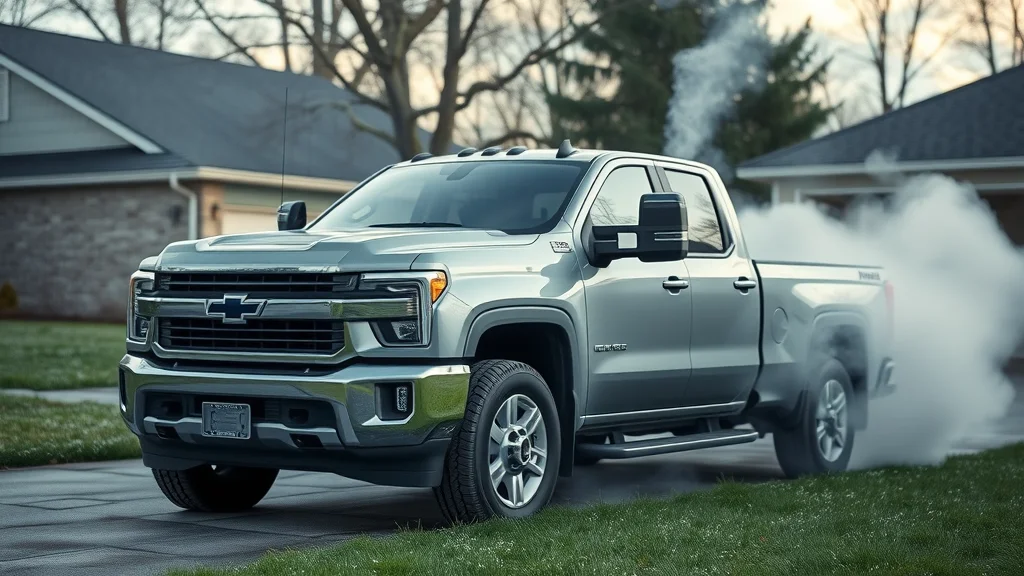
Coolant Leak and Cylinder Head Concerns
A coolant leak is one of the most urgent warning signals for diesel engines—especially in older Columbia SC trucks. When coolant finds its way into the engine’s cylinders, it doesn’t just create white smoke: it leads to overheating, misfires, and potentially severe engine damage. The cylinder head and its gaskets are the usual suspects; even a small crack can cause a major leak. You may notice drops of coolant below the vehicle, milky residue on the oil dipstick, or a persistent drop in the coolant reservoir.
Cylinder heads are especially vulnerable if your engine has experienced overheating or poor maintenance. Immediate action is essential: ignoring even a seemingly minor coolant leak can escalate into costly repairs, including replacing the head or entire engine block. Regularly checking for odd smells, unexpected moisture in engine oil, or soft hissing noises under the hood will help you stay ahead of head gasket or cylinder head failures in your diesel engine smoke diagnosis routine.
Black Smoke: Causes and Implications for Diesel Engines
Black smoke is a tell-tale sign of improper combustion in diesel engines, usually caused by excess diesel fuel, faulty fuel injectors, or restricted air intake. For Columbia truck owners, dusty job sites and heavy towing can make these issues even more prevalent. While a brief puff of black smoke during acceleration isn’t always cause for alarm, consistent black smoke suggests your engine is running too rich, burning excess fuel or not getting enough air due to clogged air cleaner or malfunctioning injection pump systems.
If left unattended, black smoke doesn’t just reduce fuel efficiency; it can coat your exhaust system with soot, damage oxygen sensors, and even trigger emission violations. The underlying causes are often related to fuel system and air intake problems—ranging from dirty or malfunctioning fuel injectors to intake obstructions and worn turbochargers.
Common Sources: Fuel Injector and Diesel Exhaust Issues
In diesel engine smoke diagnosis, black smoke usually traces back to problems with fuel injectors or the diesel exhaust system. Malfunctioning injectors may flood the combustion chamber with too much fuel, while a blocked air intake deprives the engine of essential oxygen. This imbalance results in dense, dark smoke pouring from the exhaust. Areas with high dust counts—like Columbia’s construction zones—can quickly clog air cleaner elements, making air restriction an everyday concern for local truck owners.
Additionally, worn injector nozzles, an over-fueled injection pump, or even a malfunctioning EGR (exhaust gas recirculation) valve can escalate black smoke issues. Unresolved, these problems accelerate engine wear and may damage the turbo or exhaust after-treatment systems. As with all diesel engine smoke diagnosis steps, timely intervention saves thousands on future repairs and keeps your powerplant compliant with emissions standards.

Blue Smoke: Oil Consumption in Diesel Engine Smoke Diagnosis
Blue smoke is typically a sign that your diesel engine is burning oil—often due to oil leaking past worn piston rings, valve stem seals, or guides. This type of exhaust smoke requires urgent diagnosis, as ongoing oil burning can quickly degrade internal engine components. For Columbia diesel engines, hot and humid weather can accelerate oil seal wear and increase the risk of elastomer degradation, making older trucks especially vulnerable.
Blue smoke is usually more noticeable at start-up or under heavy load. Unlike the other smoke colors, it has a distinct, sharp odor and tends to linger. This color is a major red flag: it means the oil is entering the combustion chamber and mixing with diesel fuel, pointing toward advanced engine wear or poor maintenance history. If you notice blue smoke and rising oil consumption, it’s time for a full engine inspection.
Worn Seals, Valve Guides, and Engine Wear
The core reasons for blue smoke in diesel engine smoke diagnosis involve worn piston rings, degraded valve stem seals, or scoring of the cylinder bore. As these components wear, they allow engine oil to bypass into the combustion chamber, where it burns alongside diesel—hence the characteristic blue exhaust. Oil contamination is especially problematic for local Columbia truck fleets, as stop-n-go driving and prolonged idling exacerbate engine wear.
Addressing blue smoke means checking both top-end and bottom-end engine components; this includes assessing valve guides, seals, and even the turbocharger bearing seals if present. While some drivers fear blue smoke spells the end of their engines, many oil leaks can be fixed with timely attention by a qualified diesel mechanic, preventing catastrophic engine failure.
Table: Quick Diesel Engine Smoke Diagnosis Reference Guide
| Smoke Color | Possible Cause | Recommended Action |
|---|---|---|
| White | Coolant leak, cold start, faulty injectors | Check for coolant leaks, consult mechanic |
| Black | Excess fuel, faulty fuel injector | Inspect injectors, check air filter |
| Blue | Oil burning (seal, guide wear) | Check oil seal, cylinder head, consult expert |
Step-by-Step Diesel Engine Smoke Diagnosis
- Visual check of engine smoke color

- Inspecting for coolant leak under the vehicle
- Checking diesel exhaust and odor characteristics
- Testing fuel injectors for failures
- Consulting a local diesel mechanic for advanced diagnosis
The first step in a comprehensive diesel engine smoke diagnosis is a systematic inspection. Start by observing the smoke coming from your exhaust: check both the color and consistency at cold start and under load. Persistent white, black, or blue smoke can each indicate different root causes. Next, physically check for signs of a coolant leak below the vehicle and around the radiator and engine block. Look for sweet-smelling vapors, puddles, or milky oil—especially in humid Columbia SC conditions.
Moving to diesel exhaust inspection, notice any odd odors or excessive soot. Then, test the fuel injectors for proper atomization; faulty injectors are a frequent reason for both black and white smoke in diesel engines. Finally, if DIY checks don’t resolve the issue, consult a certified diesel mechanic. For advanced diagnostics—such as compression testing, head gasket integrity, or identifying worn piston rings—specialist equipment and expertise are invaluable, especially when local driving conditions add extra stress.
People Also Ask: Diesel Engine Smoke Diagnosis
What would cause a diesel engine to smoke?
Answer:
- Causes include faulty fuel injectors, coolant leak, excess fuel, worn piston rings, and improper diesel engine maintenance.
How do I diagnose white smoke from diesel?
Answer:
- Inspect for coolant leak, check cylinder compression, assess glow plugs and fuel injectors for your diesel engine smoke diagnosis.
What are the three types of smoke in a diesel engine?
Answer:
- White smoke, black smoke, and blue smoke – each signaling different diesel engine conditions.
What does white grey smoke mean on a diesel?
Answer:
- Typically a sign of coolant leak, faulty head gasket, or cold start condition – urgent diesel engine smoke diagnosis is advised.
Common Diesel Engine Smoke Myths—Busted!
- Not all engine smoke is harmless during cold start
- Diesel engines with black smoke are not always running rich—sometimes it’s injector problems
- Blue smoke does not mean you need a new engine immediately

Diesel engine smoke diagnosis is clouded by persistent myths. Many owners believe a bit of white smoke on cold mornings is normal—but if it persists, it often means unresolved coolant leaks. While black smoke gets blamed on “bad fuel” or a rich-running engine, fuel injector or air intake issues are usual suspects. Blue smoke causes worry for engine replacement, but many oil-burning issues are repairable with seal or guide renewal. Local Columbia SC drivers should seek accurate, expert assessment before assuming the worst!
Columbia SC Focus: Diesel Engine Smoke Diagnosis for Local Truck Owners
Why Regional Conditions Matter for Diesel Engine Smoke

Truck owners in Columbia SC face a unique set of challenges when it comes to diesel engine smoke diagnosis. The region’s high humidity, frequent stop-and-go urban traffic, and heavy construction activity put diesel engines under sustained stress. Greater moisture in the air can mask early signs of a coolant leak or influence the visibility and consistency of exhaust smoke. As a result, routine smoke inspections should be more frequent—particularly for work trucks or vehicles used in dusty, high-traffic environments.
Local knowledge matters: mechanics familiar with Columbia’s roads, weather, and fuel blends are better equipped to identify root causes and recommend preventative solutions. If you drive a diesel truck here, prioritize regular checks and partner with trusted, region-specific diesel mechanics for accurate smoke diagnosis and repairs.
Local Resources for Diesel Engine Smoke Repairs
Columbia SC boasts several reputable diesel service centers with experienced mechanics trained in advanced diesel engine smoke diagnosis. These technicians utilize the latest diagnostic scanners, leak detection kits, and have direct experience with the most common makes and models in the area—from Ford Super Duty pickups to heavy-duty Ram and Chevrolet trucks.
Whether you need a routine inspection or in-depth engine tear-down, local specialists can save you time and hassle. It’s advisable to keep a trusted Columbia SC diesel mechanic’s number handy for prompt action—don’t wait until minor smoke becomes a major breakdown!
When to Call a Diesel Mechanic for Diesel Engine Smoke Diagnosis
- Persistent white smoke or coolant leak
- Black smoke that doesn’t resolve with basic fixes
- Blue smoke after oil and seal inspection
- Unusual engine sounds or loss of power
If you notice these symptoms, don’t delay. Catching issues early with help from local professionals protects your truck’s engine, keeps costs down, and gets you back on the road safely.
FAQs on Diesel Engine Smoke Diagnosis
- Can bad fuel injectors impact diesel engine smoke diagnosis?
Absolutely. Faulty fuel injectors are one of the leading causes behind both black and white smoke. They can prevent proper diesel atomization, leading to incomplete combustion and visible smoke from your exhaust. - Is diesel exhaust smoke always a sign of engine damage?
Not always. Some smoke during cold starts is normal, but persistent or colored smoke (white, black, or blue) is a warning sign. Ongoing smoke requires prompt diesel engine smoke diagnosis to rule out or prevent more serious issues. - How often should diesel engine smoke diagnosis be performed?
Perform a basic visual check at least once a month and schedule a detailed inspection with a diesel mechanic annually or any time you observe new or worsening smoke patterns.
Key Takeaways: Diesel Engine Smoke Diagnosis
- Early diesel engine smoke diagnosis prevents major repair costs
- Recognizing engine smoke color—white, black, blue—can pinpoint issues
- Routine inspection of your diesel engine protects both performance and safety
- Seek diesel mechanic expertise for advanced diagnostic needs
Ready to Solve Your Diesel Engine Smoke Issues?
- Trust experienced Columbia SC diesel truck mechanics for smoke diagnosis. Schedule your service withDiesel Mechanicstoday!
If you’re committed to keeping your diesel truck in peak condition, there’s even more to explore beyond smoke diagnosis. Discover how a comprehensive approach to diesel truck repair and service can help you prevent future issues, boost performance, and extend the life of your vehicle. By staying proactive with regular maintenance and expert inspections, you’ll gain peace of mind and maximize your investment. Take the next step and empower yourself with the knowledge and resources trusted by Columbia SC’s most reliable diesel owners.
Sources
- https://www.kbb.com/car-advice/what-color-should-my-exhaust-smoke-be/ – Kelley Blue Book
- https://www.caranddriver.com/research/a33218478/exhaust-smoke-color/ – Car and Driver
- https://dieselresource.com/diesel-blog/common-reasons-your-diesel-is-blowing-white-smoke/ – Diesel Resource
- https://www.thedrive.com/maintenance-repair/33032/diesel-smoke-color-meanings – The Drive
- https://www.letsdiagnose.com/diagnose-diesel-excessive-smoke/ – Lets Diagnose
Understanding the causes and implications of diesel engine smoke is crucial for maintaining vehicle performance and longevity. The article “Diesel Engine Smoke Diagnosis: What Your Engine Reveals” provides a comprehensive overview of this topic. For a detailed examination of the various colors of diesel smoke and their potential causes, the article “Diesel Engine Problems – The Answer is in the Smoke” offers valuable insights. It discusses how black, white, and blue smoke can indicate issues ranging from air-fuel imbalances to oil burning, aiding in accurate diagnosis and timely repairs. (engineactioninternational. com. au) Additionally, the “Fact Sheet: Smoking Vehicles” outlines the health and environmental impacts of diesel smoke emissions. It emphasizes the importance of addressing smoke issues promptly to reduce hazardous pollutants and maintain compliance with air quality regulations. (oregon. gov) If you’re serious about maintaining your diesel engine’s health and ensuring compliance with environmental standards, these resources will provide you with the necessary knowledge and guidance.