
Opening Times:

24 Hours A Day

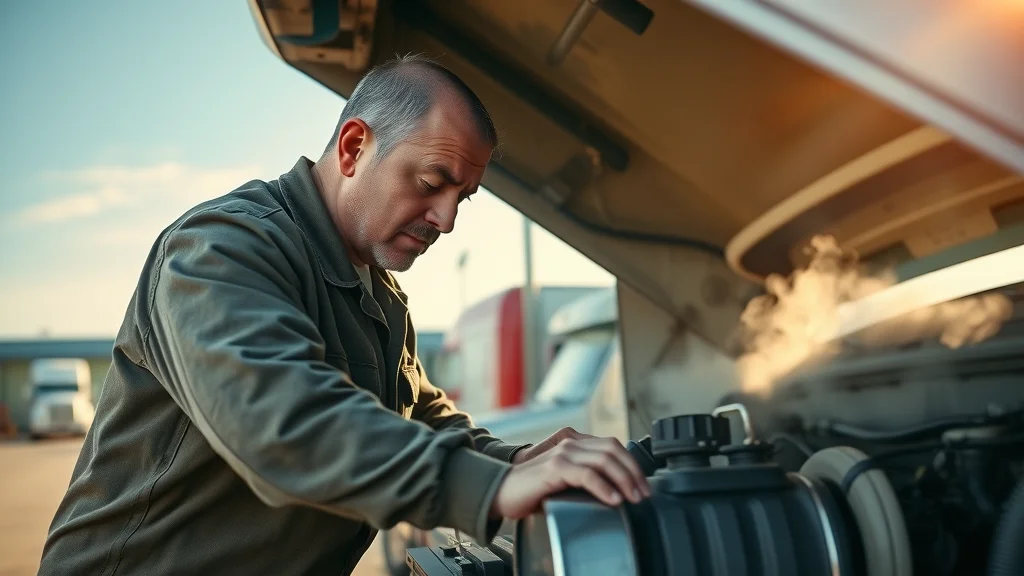
A man is crouched beside a large truck on the side of a wet road, checking under the trucks side compartment on a cloudy day. Other trucks with headlights on drive past in the background.

Diesel Engine Battery Problems? Don’t Get Stranded

Did you know nearly half of diesel truck roadside breakdowns in Columbia, SC are caused by dead or failing batteries? It’s a hidden nuisance every diesel vehicle owner dreads—a dead battery just when you need to roll out. Whether you manage a fleet or just want to keep your pickup humming, understanding and preventing diesel engine battery problems can mean the difference between running your day and waiting hours for a tow truck. Get the practical, local insights you need in this easy-to-understand, step-by-step guide designed for South Carolina’s unique driving environment.

Shocking Facts: The Hidden Scope of Diesel Engine Battery Problems

Drivers across Columbia, SC, often underestimate how common diesel engine battery problems really are. Diesel vehicles are notorious for being reliable workhorses, yet when battery issues arise—especially in key moments like cold mornings or during periods of high electrical demand—they can bring everything to a standstill. From a dying battery to a persistent warning light on your dash, the scope of these problems ranges from simple inconvenience to outright safety hazard. If you’ve ever experienced a weak battery, noticed your lights dim, or caught a whiff of that telltale rotten egg odor under your hood, you’re not alone—these are classic warning signs of diesel battery issues. The risk is greater for those operating in the humid, seasonal climate of Columbia, where cold snaps and high humidity intensify battery wear and tear, making it harder for your starter motor and glow plug system to crank up the engine.

Even veteran diesel vehicle owners can be caught off guard; unlike regular car batteries, those in diesel engines deal with higher cranking amps and tough thermal cycles. The result? Stranded trucks on busy highways and local roads. By understanding these hidden facts, you can start to take the steps needed to protect your investment, reduce your risk of being stranded, and keep your diesel engine—the backbone of your vehicle—operating smoothly year-round.

Diesel engine battery problems roadside breakdown with concerned driver inspecting engine bay in Columbia SC, photorealistic, wet pavement, overcast morning

Startling Statistics on Diesel Engine Battery Failures

Battery issues represent a leading cause of unplanned downtime for trucks and diesel vehicles in the region. According to data from local service shops and fleet managers, over 48% of roadside breakdown calls from the Columbia, SC area for diesel trucks center specifically on battery-related problems—from a battery is dying repeatedly to system check failures. Cold weather alone has been reported to lower a diesel battery’s cold cranking amps by up to 30%, making engines harder to start and increasing the frequency of jump starts. The added strain of glow plugs and heavy-duty electrical demands from heaters and in-cab accessories during winter further escalates the weak battery risk. In fact, one survey of regional diesel shops found that many drivers are forced to jump their trucks multiple times in a single week during local cold snaps, a clear sign that your battery needs immediate evaluation.

“Nearly 50% of roadside breakdowns for diesel vehicles in the Columbia, SC region are due to battery issues.”

This is more than a statistic—it’s a warning call for every owner of a diesel vehicle. By understanding these numbers, you’re already one step closer to avoiding the frustration and lost productivity of a stranded truck.

What You’ll Learn About Diesel Engine Battery Problems

  • How to identify common diesel engine battery problems
  • Signs your battery is dying
  • Why diesel batteries have unique issues
  • Proven troubleshooting steps
  • When to seek professional diesel mechanics in Columbia, SC

This guide covers everything from recognizing a low battery to dealing with cold weather failures. By the end, you’ll know when it’s time for a battery test, how to spot a digestive warning light, and why sulfuric acid smells mean you should head straight to your trusted diesel mechanic.

Understanding Diesel Engine Battery Problems: The Basics for Diesel Vehicle Owners

Owning a diesel vehicle comes with a set of unique maintenance challenges—many of which revolve around the diesel engine battery. Unlike gasoline cars, diesel engines depend on robust batteries not only for cranking but also to power high-amperage components like glow plugs needed for cold startups. These batteries must deliver significantly higher cranking amps, especially when temperatures drop in Columbia’s winter months, making proper care and early problem detection absolutely essential.

If you’ve noticed a warning light, experienced frequent jump-starts, or felt your engine turn with less pep than usual, these are classic signs a diesel battery is on its way out. Add to that the specific electrical demand from starter motors and advanced glow plug systems, and you have a recipe for complexity—and the potential for costly breakdowns. Understanding the basics of these issues will help diesel truck owners avoid being stranded, minimize downtime, and keep their fleets running at peak performance, even during frigid mornings or stressful workdays.

For a deeper dive into the full range of diesel truck repair and service options available in Columbia, SC—including battery diagnostics, alternator checks, and electrical troubleshooting—explore the comprehensive diesel truck repair services offered by local experts. This resource can help you address not just battery issues, but the broader maintenance needs that keep your diesel vehicle reliable year-round.

The Unique Demands Diesel Engines Place on Batteries

Diesel engines demand more from their batteries than standard gasoline vehicles, mainly due to their higher compression ratios and the need to heat glow plugs during cold weather. Where a regular car battery might only need to turn the engine and run basic electronics, a diesel battery must deliver a high surge of power to crank the engine’s heavier pistons and power glow plugs. This means diesel batteries typically have higher cold cranking amps—an important specification for every diesel vehicle owner to know.

In real-world terms, when temperatures in Columbia drop close to freezing, the starter motor and electrical system face major strain. If the battery is dying, it can result in a clicking noise, slow cranking, or even leave the vehicle unable to start. These unique demands mean routine battery tests, maintaining clean terminals, and monitoring the health of your battery becomes more than just good practice—it’s your insurance against getting stranded. Keeping a close eye on warning light alerts and acting quickly can save you both time and money.
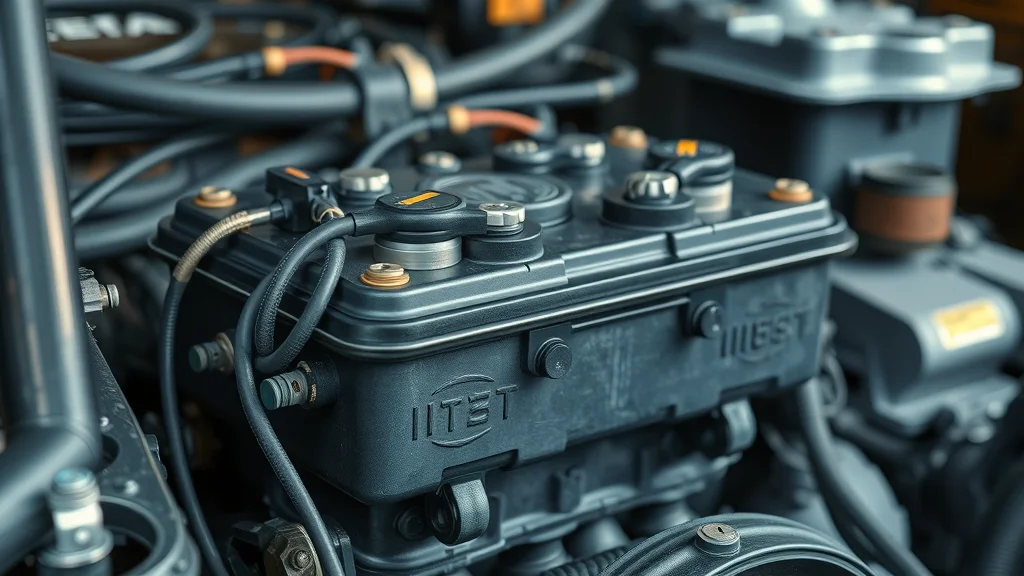
Heavy-duty diesel truck battery close-up showing cables and clamps, used in diesel engine battery problems troubleshooting

Why Battery Issues Are More Common in Diesel Trucks

Diesel trucks—especially those used for heavy hauling or frequent stop-and-go driving—face battery issues more often than their gasoline counterparts. The core reason? Diesel engines require not only more amperage to start (almost double, according to mechanics) but also ask more of their batteries every time the engine kicks over. Over time, this increased demand, paired with Columbia’s fluctuating climate and lengthy idle times, leads to faster battery degradation.

“Diesel engines require nearly twice the amperage to start compared to gasoline engines.”

Battery issues are further amplified by the constant use of electrical systems such as auxiliary heaters, lighting for night jobs, and advanced digital dashboards—which, when paired with a weak battery, increases the chance of breakdown. Also, the heavy loads placed on the alternator to recharge the battery under high demand can result in frequent jump requirements or a slow crank, especially if the system isn’t checked regularly. Staying ahead by recognizing these challenges ensures you don’t add to Columbia’s growing number of roadside diesel breakdowns.

Most Common Diesel Engine Battery Problems in Columbia, SC

  • Dying battery and frequent jump requirements
  • Low battery and slow crank
  • Rotten egg smell: Is it a warning sign?
  • Battery issues during cold snaps

If you drive a diesel vehicle in the Columbia area, it’s not uncommon to encounter symptoms such as frequent jump-starts and a slow engine turn on cold mornings. These are classic indicators of a dying battery or low battery, especially prevalent during seasonal cold snaps. Another red flag is the infamous rotten egg odor. This comes from leaking sulfuric acid, signaling that your battery has developed internal damage and is off-gassing—a warning sign of imminent failure. Add in the challenges of high humidity and temperature swings in South Carolina, and you have a perfect recipe for battery problems ranging from corroded terminals to total system check failures. Being aware of these common pitfalls is your first step to preventing a costly and inconvenient breakdown.

Frost-covered diesel pickup truck, cold weather, driver trying to start engine—diesel engine battery problems Columbia SC

How to Spot if Your Battery is Dying: Key Warning Signs

  1. Warning light alerts
  2. Frequent need for jump-starts
  3. Low battery symptoms and dashboard indicators
  4. Rotten egg odor from the engine bay

Ignoring the warning light on your dash or hoping that a slow crank on a cold morning will “just go away” is risky—these are leading signs that your diesel battery is dying. Mechanical experts agree: as soon as you notice frequent jump requirements or dashboard indicators (like the battery, electrical, or glow plug warning lights), it’s time to check your battery health and overall system. Other common indicators include dim lights (especially interior and dashboard lights), clicking noises from the starter motor, and even subtle changes in how your engine turns over.

Perhaps the most severe sign is catching a rotten egg odor. This typically signals leaking sulfuric acid, a major safety hazard and an urgent cue to call a diesel mechanic. If any of these symptoms line up with recent cold weather or your driving habits have changed, get a professional battery test—your safety and your schedule depend on it.

Modern diesel dashboard battery warning light - diesel engine battery problems indicator

People Also Ask: Diesel Engine Battery Problems

How to tell if a diesel battery is bad?

Observe slow cranking, dim lights, dashboard warning lights, the need for frequent jump-starts, or a rotten egg smell, all of which indicate diesel engine battery problems. Why does my diesel battery keep dying? Frequent dying batteries could result from parasitic power drains, old or low-quality batteries, corroded terminals, or high-power demands unique to diesel engines. How long do diesel engine batteries last? On average, diesel engine batteries last 3–5 years. Factors such as climate, driving habits, and maintenance can significantly influence lifespan. Can you jump-start a diesel car battery? Yes, you can jump-start a diesel car battery, preferably with a heavy-duty jump pack or another diesel vehicle. Use caution due to the high amperage required. Step-by-Step Diagnosis of Diesel Engine Battery Problems Check for warning light signals Test voltage and cold cranking amps Inspect for corrosion or rotten egg smell Monitor performance after frequent jumps When diesel engine battery issues arise, quick and systematic diagnosis is crucial. Start by watching for a battery warning light or other dashboard alerts—these are your vehicle’s first sign that your battery is dying. Next, perform a battery test, using a voltmeter to verify the battery’s resting voltage and cold cranking amps. Numbers outside the recommended range for your truck’s make and model are clear red flags. After this, visually inspect your battery terminals and cables for corrosion, leaks, or damage—especially if you smell sulfur or rotten egg. Finally, keep track of how the vehicle performs after a jump; recurring sluggish performance means the underlying electrical system may require further attention from a diesel mechanic. Don’t delay—proactive checks can prevent you from joining Columbia’s stranded truck statistics! Video: Troubleshooting Diesel Engine Battery Problems in Your Diesel Vehicle Your browser does not support the video tag. Get a step-by-step visual guide from a professional mechanic showing how to diagnose warning light alerts, test for low battery and cold cranking amps, and inspect for damage—all essential skills for any diesel vehicle owner wanting to avoid battery issues and stay on the road. Table: Diesel Engine Battery Problems—Common Symptoms, Causes, and Solutions Symptom Possible Cause Solution Slow Crank Low battery, cold weather Charge/replace battery Rotten Egg Smell Leaking battery acid Replace battery Frequent Jump-Starts Failing alternator or parasitic drain Inspect & repair system Video: How to Prevent Your Diesel Truck from Battery Issues in Columbia, SC Your browser does not support the video tag. Watch how professionals in Columbia, SC, prevent battery issues, spot dying battery symptoms early, and keep diesel vehicles running strong. Tips are tailored for the local area’s weather and driving needs—a must-see for every diesel truck owner. Tips for Preventing Future Diesel Engine Battery Problems Regularly test diesel engine battery health Keep terminals clean and free from corrosion Drive your diesel vehicle regularly Replace your battery every 3-5 years Routine maintenance is the most powerful tool you have to prevent battery issues. Set a reminder to perform calendar-based battery tests, especially heading into cold weather. Ensure your battery terminals are clean—corrosion can cause intermittent electrical issues or system check failures even in a new battery. Avoid letting the vehicle sit unused for long periods, which accelerates battery self-discharge. Finally, adopt a proactive replacement schedule; don’t wait until you’re stranded to swap out an aging battery. Following these steps will help ensure your diesel vehicle starts strong regardless of the season. FAQs: Diesel Engine Battery Problems for Diesel Truck Owners Can extreme cold impact diesel engine battery problems? Yes, cold weather significantly reduces battery performance, especially cold cranking amps, making engines harder to start and accelerating wear on weak or aging batteries in diesel trucks. Are premium batteries worth it for diesel vehicles? Premium batteries with higher cranking amps and robust build quality are highly recommended for diesel vehicles, especially for those facing harsh climates or high electrical demands, common in the Columbia, SC area. What maintenance should I schedule to avoid battery is dying warnings? Schedule seasonal battery tests, regularly clean battery terminals, inspect your electrical system, and promptly replace batteries showing signs that your battery is dying. Partnering with a diesel mechanic experienced in local conditions ensures comprehensive care. Key Takeaways About Diesel Engine Battery Problems in Your Diesel Vehicle ‘Battery is dying’ symptoms demand fast attention in diesel vehicles Rotten egg smells or warning lights indicate immediate need for expert inspection Partner with a trusted diesel mechanic in Columbia, SC for ongoing reliability Ready to Solve Your Diesel Engine Battery Problems? Contact Local Diesel Mechanics in Columbia, SC Don’t wait to get stranded on a busy road—schedule a battery test and system check today. Trust the experts at Diesel Mechanics in Columbia, SC for fast, reliable, and honest diesel truck battery diagnostics and repairs. Conclusion Stay ahead of diesel engine battery problems by recognizing early warnings and prioritizing expert maintenance—your diesel vehicle, time, and safety demand nothing less. If you’re ready to take your diesel vehicle’s reliability to the next level, consider exploring the full spectrum of diesel truck repair and service solutions available in Columbia, SC. From advanced diagnostics to preventive maintenance and emergency repairs, these services are designed to keep your truck running strong in every season. Investing in comprehensive care not only helps you avoid battery-related headaches but also extends the life of your diesel engine and critical components. Discover how a proactive approach to diesel maintenance can save you time, money, and stress—empowering you to stay on the road with total confidence. Sources https://www. batteriesplus. com/blog/power/batteries-diesel-trucks – Batteries Plus https://www. napaonline. com/en/advice/auto-maintenance/why-diesel-engines-need-stronger-batteries – NAPA Online https://callroad1. com – Columbia, SC Diesel Mechanics https://www. autobatteries. com/en-us/battery-tips/battery-care-and-maintenance – AutoBatteries. com https://mechanicbase. com/batteries/diesel-battery – Mechanic Base

Understanding and preventing diesel engine battery problems is crucial to avoid unexpected breakdowns. For comprehensive insights, consider reading “5 Diesel Battery Mistakes That Can Leave You Stranded (And How to Avoid Them)” (eaglespancorp. com), which outlines common errors such as using the wrong battery type and neglecting terminal corrosion, along with practical solutions. Additionally, “Signs My Diesel Engine’s Battery Is Dying” (uniteddieselrepair. com) provides valuable information on recognizing early warning signs like dashboard warning lights and frequent jump-starts. By familiarizing yourself with these resources, you can take proactive steps to maintain your diesel vehicle’s battery health and ensure reliable performance.
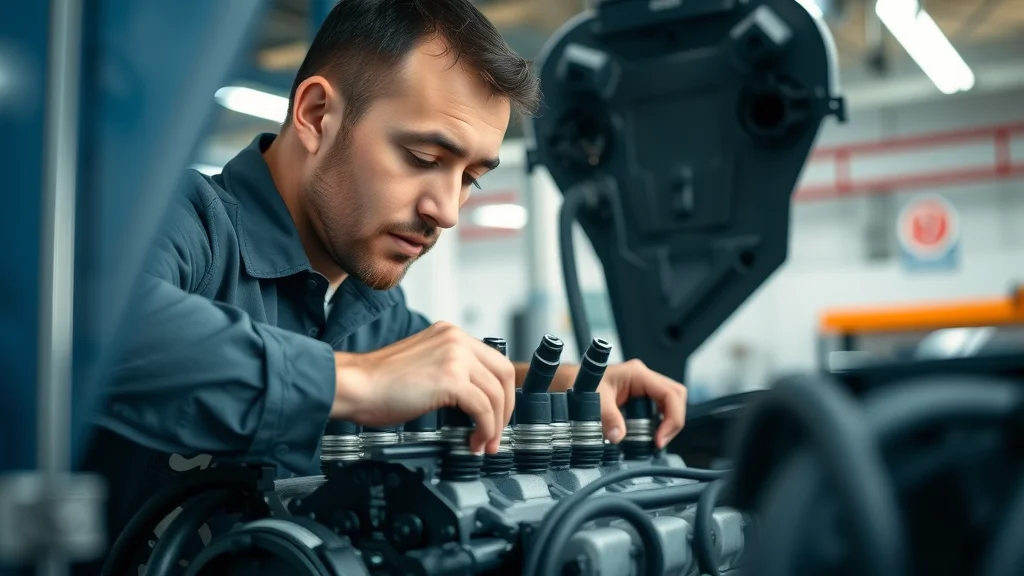
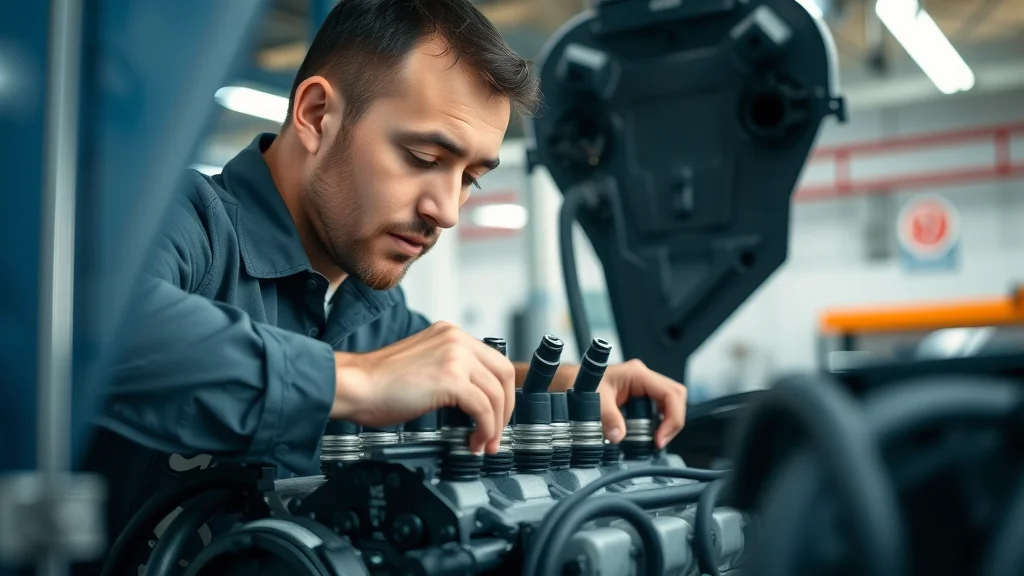
A mechanic in a workshop, wearing a dark uniform, carefully works on a car engine with the hood open, focusing on adjusting or inspecting components. The background shows a bright, organized workspace.

Diesel Engine Injector Failure: How to Spot & Fix It

Did you know up to 60% of diesel engine issues can be traced back to injector problems? Diesel truck owners across Columbia, SC are constantly searching for ways to extend engine life and avoid expensive breakdowns. One of the most common—yet hidden—culprits behind costly repairs is diesel engine injector failure. Spotting these issues early can save you thousands and keep your diesel engines running at peak performance. In this comprehensive guide, we reveal how to detect injector problems early, detail step-by-step fixes, share maintenance best practices, and uncover local repair costs—specifically for diesel truck owners in the Columbia, SC area.

“Did you know up to 60% of diesel engine issues can be traced back to injector problems?”

Mechanic inspecting diesel injectors in truck engine bay, highlighting diesel engine injector failure in a Columbia SC repair shop

Diesel Engine Injector Failure: Uncovering the Hidden Dangers

Understanding diesel engine injector failure isn’t just for heavy-duty mechanics—it’s critical for any truck owner in Columbia, SC who relies on their diesel engine for towing, long hauls, or daily work. Ignoring early injector problems can lead to a cascade of issues, from lost fuel economy to catastrophic engine damage. In fact, injector failure is frequently responsible for rough idling, incomplete combustion, and a sharp decrease in engine performance. Many truck owners are surprised to learn that something as small as a faulty injector can jeopardize the entire fuel system and leave them stranded on the side of the road—or stuck with a massive repair bill. Recognizing the signs early allows you to address diesel fuel injector issues before they escalate and ensures better fuel economy, smoother operation, and lower repair costs for your diesel engines.
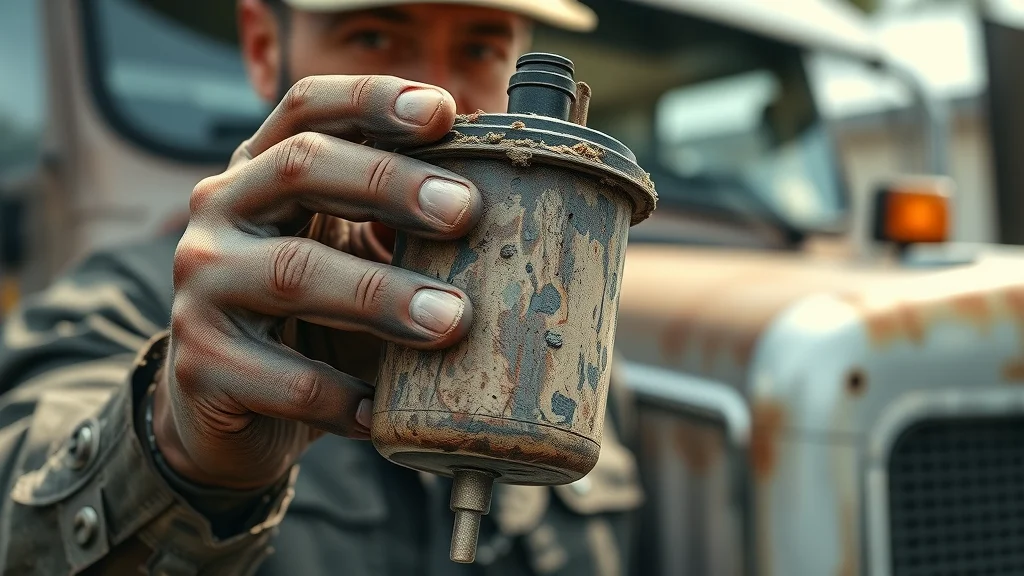
By proactively looking for the red flags of injector failure, and seeking reputable repair services in Columbia, you can maximize engine life and preserve your investment. We’ll walk you through the most practical warning signs, step-by-step diagnostic techniques, and actionable fixes—all tailored for diesel trucks operating in our local South Carolina conditions.

For those interested in a more hands-on approach to diesel truck upkeep, exploring comprehensive diesel truck repair and service options can provide valuable insights into routine maintenance and advanced troubleshooting, ensuring your vehicle remains dependable on the road.

What You’ll Learn About Diesel Engine Injector Failure

  • How to detect early signs of diesel engine injector failure
  • Common causes behind diesel injector problems
  • Step-by-step guide for diagnosing fuel injector issues
  • Practical solutions to fix diesel engine injector failure
  • Tips to prevent future injector failure and improve fuel economy
  • Expert recommended maintenance practices for diesel engines

Understanding Diesel Engine Injector Failure and Its Impact

  • What is diesel engine injector failure?
  • Why are diesel injectors crucial to diesel engines?
  • How injector problems affect engine performance and fuel economy

“A failing diesel injector can result in rough idling, incomplete combustion, and significant power loss.”

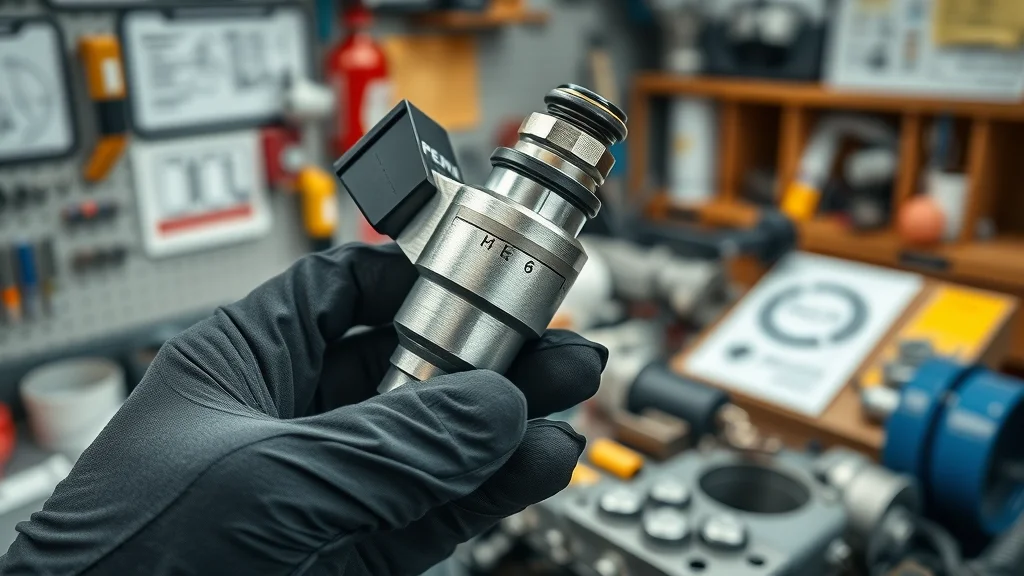
Close-up of diesel fuel injector removed during diagnosis for diesel engine injector failure in Columbia SC workshop

Diesel engine injector failure occurs when a fuel injector can no longer reliably deliver the precise amount of diesel fuel into the combustion chamber. Diesel injectors are critical for efficient fuel delivery, impacting everything from the air-fuel ratio to combustion quality in your diesel engine. When injectors fail, fuel is no longer atomized properly, leading to rough idling, incomplete combustion, and reduced engine performance.
Why does this matter? Because poorly functioning diesel injectors cause various injector issues that can slash your truck’s fuel economy and cause engine knocking, smoky exhaust, and even irreversible engine damage. In modern diesel engines, precise injection is required for emissions compliance, peak efficiency, and engine reliability. Left unchecked, injector failure doesn’t just hurt power output—it can lead to excessive fuel consumption, expensive repairs, and even complete engine overhaul. Catching injector problems early is crucial for maintaining performance and efficiency in your diesel-powered vehicle.

Common Symptoms of Diesel Engine Injector Failure

  • Rough idling and engine misfires
  • Loss of power and acceleration
  • Poor fuel economy and increased diesel fuel consumption
  • Black, white, or blue exhaust smoke
  • Engine knocking noises
  • Difficult starting or stalling

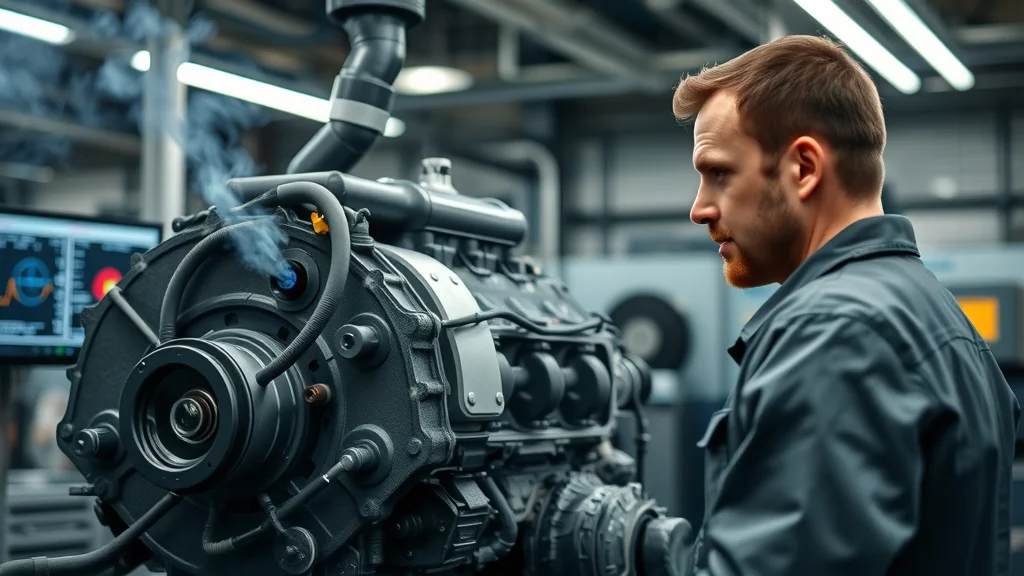
Diesel truck engine with visible exhaust smoke, illustrating injector failure symptoms for Columbia SC truck owners

Recognizing the common symptoms of diesel engine injector failure is vital in preventing major breakdowns. The first telltale sign is often rough idling or engine misfires, indicating that the fuel injector isn’t delivering the proper amount of diesel fuel at the right time. This disrupts the combustion process and can be heard or felt as unstable engine operation, especially when starting up or sitting at a stoplight. You might also observe a significant loss of power as the engine struggles to accelerate or maintain speed, especially under load.

A dip in fuel economy and a noticeable increase in diesel fuel consumption often accompany injector problems. Another visible symptom is abnormal exhaust smoke: black smoke means excess fuel, white smoke points to incomplete combustion, and blue smoke indicates burning engine oil—all signs that the diesel injectors aren’t functioning as intended. Engine knocking noises and difficult starting or stalling round out the common symptoms, highlighting deeper injector issues and warning of possible engine damage if left unresolved.

What Causes Diesel Engine Injector Failure?

  • Contaminated diesel fuel and clogged fuel systems
  • Wear and tear from high mileage or poor maintenance
  • Excessive fuel pressure and faulty sensors
  • Prolonged rough idling and incomplete combustion
  • Injector issues due to poor-quality diesel injectors

The root causes of diesel engine injector failure often begin with contaminated diesel fuel entering the fuel system. Dirt, water, and debris can clog fuel filters and the delicate internals of the fuel injectors, leading to uneven fuel delivery and injection pattern inconsistencies. Over time, even high-quality diesel injectors suffer wear and tear through thousands of operating cycles, especially when routine maintenance is neglected. This degradation is accelerated by high mileage and failing to replace the fuel filter at recommended intervals.

Other frequent culprits include excessive fuel pressure (often caused by a faulty pressure regulator or sensor) and incomplete combustion from excessive idling or short trips. The use of low-grade or aftermarket injectors, rather than OEM or trusted brands, can also contribute to premature injector failure by not meeting the strict tolerances required for modern diesel engines. These factors all combine to undermine engine reliability, reduce performance, and raise the risk of a costly repair for your diesel truck.

Diagnosing Diesel Engine Injector Failure in Columbia SC

  • Testing fuel pressure and spray pattern
  • Inspecting injector balance rates
  • Checking for leaks in the fuel injectors and fuel system
  • Using diagnostic tools to identify specific injector problems

“Professional diagnostics by Columbia SC diesel mechanics can pinpoint injector failure and prevent engine performance loss.”

Diagnostic process with mechanic using digital tablet to check diesel engine injectors in Columbia SC shop

Accurate diagnosis is essential for pinpointing diesel engine injector failure. Mechanics in Columbia, SC rely on specialized tools to test fuel pressure and assess spray pattern uniformity—key indicators of compromised fuel injectors. Balance rate testing uses onboard diagnostics to detect how much each injector compensates to keep the engine running smoothly. Deviations in these rates are strong signs of injector problems, such as uneven fuel delivery or partial blockages in the fuel system.

Technicians also inspect for physical leaks—fuel around the injectors or fuel lines points to faulty seals or cracks. In modern diesel engines, advanced scan tools read live sensor data, revealing which cylinder or injector is underperforming and helping eliminate guesswork. If you’re experiencing power loss, rough idling, or odd smoking in your diesel truck, scheduling a professional diagnostic at a trusted Columbia SC diesel mechanic is the best way to prevent bigger—and more expensive—engine damage.

Step-by-Step Guide: How to Fix Diesel Engine Injector Failure

  1. Disconnect the battery and relieve fuel system pressure
  2. Remove engine covers to access the diesel injectors
  3. Unplug electrical connectors and fuel lines from the injector
  4. Extract faulty diesel injector and inspect for wear and tear
  5. Clean the injector port and replace with a new fuel injector
  6. Reassemble components, reconnect battery, and test engine performance

“Always use OEM or high-quality aftermarket diesel injectors to ensure long-term reliability.”

Repairing diesel engine injector failure requires patience, basic mechanical skill, and the right replacement parts. First, ensure safety by disconnecting the battery and relieving fuel system pressure—preventing accidental fuel spray or electrical shorts. Remove necessary engine covers to fully access the fuel injector rail. Carefully unplug electrical connectors and both supply and return fuel lines from the affected injector; photograph connections for reference during reassembly.

With access, extract the faulty injector, inspecting for obvious wear and tear or debris indicating internal failure. Pay close attention to any signs of heat damage or scoring on the injector body. Thoroughly clean the injector port with lint-free cloths to prevent contamination when inserting the new part. Always install OEM or high-quality aftermarket diesel injectors, never reusing old seals or washers. Reassemble the system carefully, reconnect the battery, and test engine performance to confirm a smooth idle, clean exhaust, and restored power.

Video Demonstration: Replacing Diesel Injectors in a Diesel Engine

Watch a certified Columbia SC diesel mechanic walk through the full removal and installation process for diesel engine injectors. Clear close-ups, well-lit workshop visuals, and each step explained—ideal for both owners and aspiring technicians.

Preventing Diesel Engine Injector Failure: Maintenance Best Practices

  • Use only high-quality diesel fuel to prevent contamination
  • Follow routine diesel engine maintenance schedules
  • Replace fuel filters and monitor fuel pressure regularly
  • Utilize added fuel system cleaners as needed

“Proactive maintenance extends diesel injector life and saves thousands in repair costs over time.”

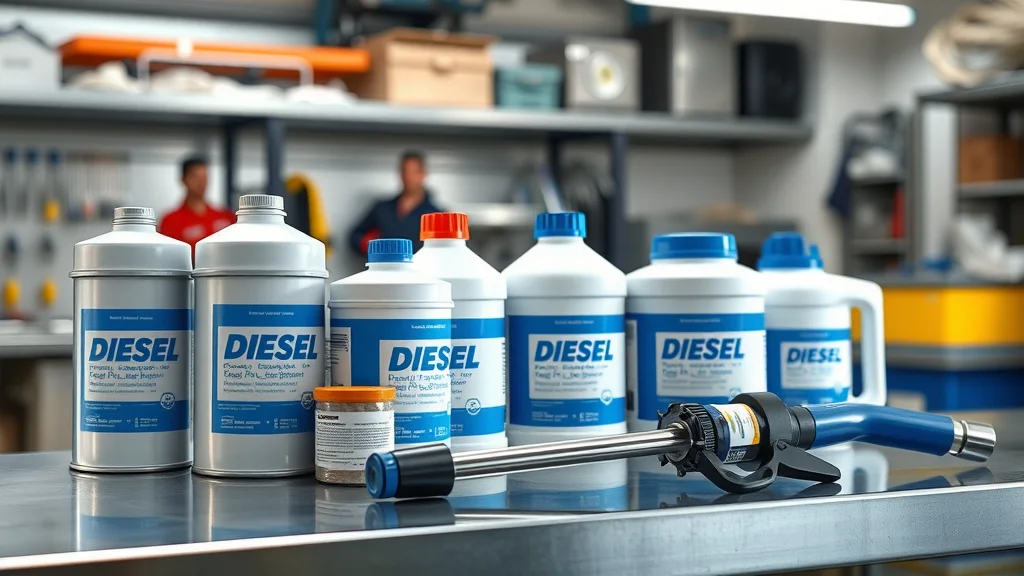
Diesel maintenance supplies including fuel filters and additives to prevent injector failure in Columbia SC

Staying ahead of diesel engine injector failure starts with commitment to regular maintenance. Always source high-quality diesel fuel from reputable stations to avoid the contaminants that lead to injector issues and clogged fuel filters. Adhering to your diesel engine’s factory-recommended maintenance schedule allows mechanics to catch minor injector problems before they require a costly overhaul.

Consistently replace fuel filters at or before recommended intervals to prevent particulate buildup in the fuel system. Consider periodic use of fuel system cleaners, particularly if your driving in Columbia SC involves short trips or extended idling, both of which contribute to incomplete combustion. Investing in proactive care extends the life of your injectors—and your engine—while saving you time, money, and frustration down the line.

Comparing Diesel Injector Replacement Costs in Columbia SC

Service Type Average Cost (Parts & Labor) Typical Turnaround Time
Single Diesel Injector Replacement $350 – $850 2 – 4 hours
Full Set Diesel Injectors $2,400 – $4,500 1 – 2 days
Fuel System Cleaning $150 – $300 1 – 2 hours

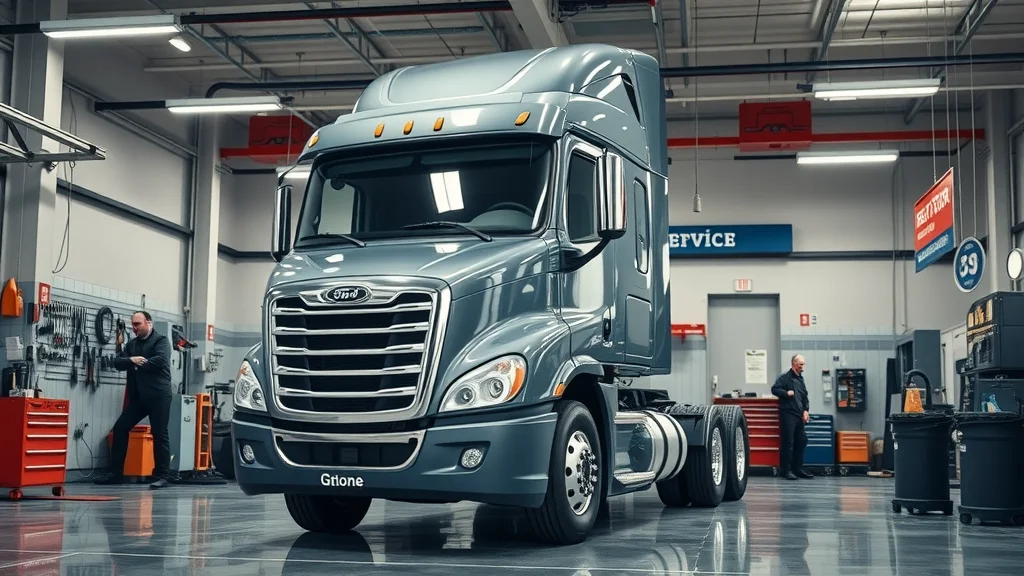
Diesel truck in Columbia SC repair shop with cost board displaying diesel injector service pricing

Understanding the costs of diesel injector replacement empowers truck owners to plan for needed repairs and avoid sticker shock. In Columbia SC, a single injector replacement typically costs between $350 and $850, depending on your truck model and injector type. If multiple fuel injectors or the entire set need replacement—common in high-mileage engines—the price can range from $2,400 to $4,500, including labor. Routine fuel system cleaning, which often prevents major injector failures, is an affordable preventive measure at $150–$300, making regular maintenance a smart investment for diesel owners.

Time is also a factor: swapping a single injector generally takes 2–4 hours, while a full set can require 1–2 days (especially if programming or testing is involved). For best results, work with certified diesel mechanics in Columbia SC who understand the nuances of modern diesel injection systems, ensuring your investment is protected and your diesel engine remains highway-ready.

People Also Ask About Diesel Engine Injector Failure

What happens if a diesel injector fails?

If a diesel injector fails, it disrupts the balance of fuel delivery to the combustion chamber, producing symptoms like rough idling, misfires, poor fuel economy, power loss, and excessive smoke from the exhaust. Left unchecked, a faulty injector can cause severe engine damage—including piston or cylinder problems—due to improper combustion and increased engine stress. Early diagnosis and repair are crucial for avoiding catastrophic repairs.

How much does it cost to replace a diesel injector?

The cost to replace a diesel injector in Columbia SC varies by truck make and injector type, but most owners can expect to pay between $350 and $850 for a single injector, parts and labor included. Costs rise if several injectors are replaced at once or if high-performance or OEM parts are used. Prices reflect the complexity of the injection system and the labor involved.

How much does it cost to fix diesel injectors?

Fixing (cleaning, refurbishing, or replacing) diesel injectors may cost as little as $150 for cleaning or up to $4,500 for a complete replacement set. Early detection and professional cleaning can keep costs low, while prolonged issues or extensive wear often require full replacement and higher expenses. Regular fuel filter changes and fuel system maintenance can help you avoid these larger costs.

What is the life expectancy of a diesel injector?

The typical life expectancy of a diesel injector ranges from 100,000 to 150,000 miles with good care, depending on driving conditions, fuel quality, and maintenance routines. Injectors in trucks exposed to contaminated fuel, frequent idling, or skipped maintenance may fail much sooner. Following best practices for diesel engine maintenance extends injector lifespan and reduces the risk of early failure.

Expert Tips: Maximizing Diesel Fuel Injector Lifespan

  • Check for early injector problems during scheduled diesel engine maintenance
  • Regularly replace fuel filters and use clean, high-quality diesel fuel
  • Consult with local Columbia SC diesel mechanics for professional injector cleaning and testing

Staying vigilant for the early signs of injector issues—such as rough idling, slow starts, or increased fuel use—during regular maintenance visits can catch minor injector problems before they snowball. Timely fuel filter changes and investing in premium diesel fuel keeps the fuel system cleaner and prevents small particles from damaging injector internals. For Columbia SC truck owners, periodic consultations with certified diesel mechanics ensure your injectors are cleaned, tested, and, if necessary, replaced according to manufacturer standards—keeping your diesel engine reliable for the long run.

Video Guide: Signs of Injector Failure Every Diesel Truck Owner Should Know

Watch this expert video to learn the key signs of diesel injector failure, including real-world sounds and visual cues, so you never miss the early warning signs in your Columbia SC diesel truck.

Frequently Asked Questions About Diesel Engine Injector Failure

  • What are the most common injector issues in new vs. old diesel engines?—New engines typically suffer from electronic injector failures or sensor-related issues, while older engines face mechanical wear, clogged injectors, or fuel contamination. Both rely on clean fuel and quality maintenance.
  • Can worn injectors lower fuel economy significantly?—Yes, even slightly worn or dirty injectors can cause up to 25% reduction in fuel economy by disrupting spray patterns and causing incomplete combustion.
  • Are aftermarket diesel injectors a reliable alternative to OEM parts?—Reputable aftermarket injectors can be reliable and cost-effective, but always consult a Columbia SC diesel specialist to ensure compatibility and quality. Low-grade parts can lead to repeat failures.
  • How do Columbia SC driving conditions impact injector failure rates?—Hot summers, short city drives, and dusty construction zones increase the risk of injector contamination and wear. Local climate calls for more frequent filter changes and cleaning.
  • Is it safe to drive with a known diesel injector problem?—It is not recommended. Ignoring injector issues can result in further engine damage, safety risks, and much more expensive repairs. Seek professional diagnosis and repair promptly.

Key Takeaways for Columbia SC Diesel Truck Owners

  • Prompt attention to diesel engine injector failure can prevent major engine repairs
  • Recognizing and fixing injector issues maximizes engine performance and fuel efficiency
  • Locally certified diesel mechanics offer the best diagnostic and repair solutions

Looking for Reliable Diesel Injector Repair in Columbia SC?

Don’t let diesel engine injector failure leave you stranded. For diagnostics, repairs, or preventative maintenance, trust your local Columbia SC experts. Contact certified diesel mechanics today.

Catch diesel injector problems early and keep your Columbia SC diesel truck on the road—reliable, powerful, and efficient.

If you’re ready to take your diesel truck’s reliability and performance to the next level, consider exploring the full spectrum of diesel truck repair and service solutions available in Columbia SC. From advanced diagnostics to preventative maintenance and expert repairs, these services are designed to keep your vehicle running smoothly for the long haul. By partnering with experienced professionals, you gain peace of mind and access to the latest industry best practices. Don’t just fix problems—invest in the long-term health and efficiency of your diesel engine with comprehensive care tailored to your needs.

Sources

Diesel engine injector failure is a prevalent issue that can lead to significant engine performance problems. Understanding the causes and symptoms is crucial for timely diagnosis and repair. For a comprehensive overview, the article “Understanding Diesel Injector Failure – Causes, Symptoms & Solutions” provides detailed insights into the primary causes of injector failure, including fuel contamination, incorrect fuel handling, and mechanical wear. It also outlines common symptoms such as hard starting, loss of power, and excessive smoke. (aadiesel. net) Additionally, “Fuel Injector Failures: Causes and Prevention” discusses preventive measures to avoid injector issues, emphasizing the importance of using high-quality fuel, regular fuel filter changes, and monitoring engine performance for early detection of problems. (beelinetransportinc. com) If you’re serious about maintaining your diesel engine’s health and performance, these resources will provide you with the necessary knowledge to identify, address, and prevent injector failures effectively.

A man in a control room points toward the camera, with digital monitors displaying various gauges and data charts in the background. The setting appears technical and modern.

Diesel Engine Smoke Diagnosis: What Your Engine Reveals

Did you know? Statistics show that up to 30% of unexpected diesel engine failures are first signaled by abnormal engine smoke—often weeks before a breakdown. Early diesel engine smoke diagnosis is not just about keeping your diesel truck running smoothly; it’s about protecting your investment, avoiding expensive repairs, and ensuring your vehicle remains safe and legal on the road. In Columbia, SC, where work trucks and diesel pickups line our streets, quickly identifying what your engine smoke means can be the difference between minor fixes and catastrophic engine repairs.

Diesel Engine Smoke Diagnosis: Startling Statistics Every Diesel Owner Should Know

Understanding diesel engine smoke isn’t just about technical know-how; it’s about stopping what could become severe mechanical issues in their tracks. According to a 2023 national survey of diesel truck maintenance, nearly one in three diesel vehicles develop engine smoke within their first 200,000 miles. Of those cases, over half are traced back to issues like fuel injector failures, coolant leaks, or improper maintenance. In Columbia, SC—a region known for humid summers and heavy-duty work trucks—these risks are even more pronounced due to regional driving patterns and weather conditions.

By recognizing the color and behavior of engine smoke early on, diesel owners can address small issues, such as a clogged air cleaner or worn piston rings, before they escalate to major problems like a cracked head gasket or damaged cylinder head. These statistics should serve as a wake-up call for all local diesel truck owners: Vigilance and early diagnosis are your first line of defense against breakdowns and unexpected repair bills. Taking proactive steps to monitor your diesel engine’s exhaust smoke can save time, money, and avoid the inconvenience of your truck breaking down when you need it most.

diesel engine smoke diagnosis dashboard mechanics Columbia SC

What You’ll Learn About Diesel Engine Smoke Diagnosis

  • Understand the key causes behind engine smoke in diesel engines
  • Differentiate between white smoke, black smoke, and blue smoke in diesel engine smoke diagnosis
  • Identify warning signs like coolant leaks and fuel injector issues
  • Gain actionable steps for diesel engine smoke diagnosis
  • Know when to consult a certified diesel mechanic

Understanding Diesel Engine Smoke: The Basics of Diagnosis

Diesel engine smoke diagnosis revolves around keen observation and prompt action. When you see smoke coming from the exhaust of diesel engines, it’s more than just unsightly—it’s a signal from your engine that something may be wrong inside the combustion chamber or fuel system. Diesel engine smoke can indicate anything from a minor issue like a worn stem seal to something more pressing such as a coolant leak or failing head gasket. Owners in Columbia, SC know that regional climate and frequent local driving can also influence how and when smoke appears.

The primary focus in any comprehensive diesel engine smoke diagnosis is to observe the color, thickness, and odor of the smoke. Each aspect gives clues about what might be happening within your engine. For example, white smoke often warns of a coolant leak or failing cylinder head, black smoke typically signifies excess diesel fuel or faulty fuel injectors, and blue smoke usually denotes oil consumption from worn piston rings or valve guides. Recognizing the difference and acting swiftly can keep your truck reliable through the toughest South Carolina conditions.

For truck owners who want to go beyond smoke diagnosis and address the root causes of engine issues, understanding the essentials of diesel truck repair and service can be invaluable. Regular maintenance and timely repairs not only help prevent smoke-related problems but also extend the life of your diesel engine.

What Is Diesel Engine Smoke Diagnosis?

Diesel engine smoke diagnosis involves more than just noticing oddly colored exhaust. It is a step-by-step process of identifying the root cause of smoke emissions—whether it’s white, black, or blue—from the tailpipe of diesel engines. The process typically begins with a visual inspection of the exhaust smoke during different engine conditions (such as cold start or under load). By taking into account factors like engine oil levels, air intake efficiency, and the status of glow plugs, truck owners can form a clearer picture of potential issues without immediately turning to costly repairs.

Most professional diesel mechanics recommend regular checks for diesel exhaust smoke, especially if your truck possesses older mileage or has a history of maintenance issues. The diagnosis includes checking the condition of the fuel injectors, monitoring for signs of a coolant leak, and looking for clues related to engine oil consumption. By proactively examining signs and symptoms, diesel engine smoke diagnosis acts as preventive maintenance, reducing long-term repair costs and protecting the life of your engine.

Why Diesel Engine Smoke Shouldn’t Be Ignored

Ignoring even minor signs of smoke coming from your diesel engine’s exhaust can lead to large-scale failures. For instance, white smoke may seem harmless during a cold start, but persistent emission is a classic sign of issues like a leaking head gasket or damaged injectors. Black smoke can be mistaken for normal operation, but it often signals that unburnt diesel fuel is entering the combustion chamber due to faulty injector nozzles or a blocked air intake. Blue smoke, while sometimes dismissed as ‘old engine behavior,’ can indicate critical wear of piston rings or valve guides, leading to engine oil entering the combustion area.

As one local Columbia SC diesel technician puts it:

“Ignoring persistent engine smoke in diesel engines can lead to costly engine repairs or even catastrophic failure.” – Local Columbia SC Diesel Technician

Given the substantial investment diesel truck owners make in their vehicles, prompt action on any smoke-related symptom is not optional—it’s essential!

Types of Diesel Engine Smoke: White, Black, and Blue

Identifying the type and color of exhaust smoke is at the heart of effective diesel engine smoke diagnosis. Diesel engines emit three primary colors of smoke: white, black, and blue, each with distinct underlying causes. The consistency, frequency, and timing of the engine smoke can help reveal whether the issue stems from a simple maintenance need (such as an air cleaner replacement) or a more serious mechanical failure (like a cracked cylinder head or worn piston rings). By aligning your observations with expert guidance, you’ll be better equipped to react quickly and correctly.

Whether you operate a single pickup or manage a fleet in Columbia SC, understanding these color-coded signals could be the difference between a quick fix and engine downtime.

White Smoke in Diesel Engines

White smoke is one of the more alarming sights for diesel truck owners. It commonly heralds trouble like a coolant leak, but its presence can also vary based on engine temperature. Brief white smoke during a cold start is relatively normal and often dissipates as the engine warms. But persistent white smoke—especially if it’s accompanied by a sweet smell or coolant loss—warrants immediate attention.

Frequently, white smoke indicates incomplete diesel fuel combustion. This may result from faulty fuel injectors, cylinder head cracks, or damaged glow plugs. In Columbia’s humid environment, condensation can compound these issues, making smoke emissions seem more severe, but don’t ignore ongoing plumes as they are strong indicators of underlying problems such as a failing head gasket, leaking coolant into the combustion chamber, or injector troubles.

Main Causes of White Smoke: Diesel Engine Smoke Diagnosis

The key causes for white smoke are coolant leak, improper fuel injector operation, and cold combustion due to bad glow plugs or cylinder head issues. A coolant leak typically allows coolant to seep into the combustion chamber or cylinder head, mixing with diesel fuel and producing thick, white exhaust. Problems with fuel injectors—not atomizing diesel correctly—can also cause unburnt fuel to become visible as white vapor. Additionally, cracked head gaskets or block damage can let coolant invade places it shouldn’t, resulting in persistent white engine smoke.

Diagnosing white smoke efficiently means checking coolant levels regularly, watching for signs of moisture or discoloration in engine oil, and inspecting cylinder heads for physical cracks. Any drop in coolant without external leaks, or unexplained “steam” from your exhaust pipe, should prompt a thorough diesel engine smoke diagnosis to avoid catastrophic failure.

white smoke diesel engine diagnosis driveway exhaust Columbia SC

Coolant Leak and Cylinder Head Concerns

A coolant leak is one of the most urgent warning signals for diesel engines—especially in older Columbia SC trucks. When coolant finds its way into the engine’s cylinders, it doesn’t just create white smoke: it leads to overheating, misfires, and potentially severe engine damage. The cylinder head and its gaskets are the usual suspects; even a small crack can cause a major leak. You may notice drops of coolant below the vehicle, milky residue on the oil dipstick, or a persistent drop in the coolant reservoir.

Cylinder heads are especially vulnerable if your engine has experienced overheating or poor maintenance. Immediate action is essential: ignoring even a seemingly minor coolant leak can escalate into costly repairs, including replacing the head or entire engine block. Regularly checking for odd smells, unexpected moisture in engine oil, or soft hissing noises under the hood will help you stay ahead of head gasket or cylinder head failures in your diesel engine smoke diagnosis routine.

Black Smoke: Causes and Implications for Diesel Engines

Black smoke is a tell-tale sign of improper combustion in diesel engines, usually caused by excess diesel fuel, faulty fuel injectors, or restricted air intake. For Columbia truck owners, dusty job sites and heavy towing can make these issues even more prevalent. While a brief puff of black smoke during acceleration isn’t always cause for alarm, consistent black smoke suggests your engine is running too rich, burning excess fuel or not getting enough air due to clogged air cleaner or malfunctioning injection pump systems.

If left unattended, black smoke doesn’t just reduce fuel efficiency; it can coat your exhaust system with soot, damage oxygen sensors, and even trigger emission violations. The underlying causes are often related to fuel system and air intake problems—ranging from dirty or malfunctioning fuel injectors to intake obstructions and worn turbochargers.

Common Sources: Fuel Injector and Diesel Exhaust Issues

In diesel engine smoke diagnosis, black smoke usually traces back to problems with fuel injectors or the diesel exhaust system. Malfunctioning injectors may flood the combustion chamber with too much fuel, while a blocked air intake deprives the engine of essential oxygen. This imbalance results in dense, dark smoke pouring from the exhaust. Areas with high dust counts—like Columbia’s construction zones—can quickly clog air cleaner elements, making air restriction an everyday concern for local truck owners.

Additionally, worn injector nozzles, an over-fueled injection pump, or even a malfunctioning EGR (exhaust gas recirculation) valve can escalate black smoke issues. Unresolved, these problems accelerate engine wear and may damage the turbo or exhaust after-treatment systems. As with all diesel engine smoke diagnosis steps, timely intervention saves thousands on future repairs and keeps your powerplant compliant with emissions standards.

diesel engine smoke diagnosis black smoke fuel injector checks Columbia SC

Blue Smoke: Oil Consumption in Diesel Engine Smoke Diagnosis

Blue smoke is typically a sign that your diesel engine is burning oil—often due to oil leaking past worn piston rings, valve stem seals, or guides. This type of exhaust smoke requires urgent diagnosis, as ongoing oil burning can quickly degrade internal engine components. For Columbia diesel engines, hot and humid weather can accelerate oil seal wear and increase the risk of elastomer degradation, making older trucks especially vulnerable.

Blue smoke is usually more noticeable at start-up or under heavy load. Unlike the other smoke colors, it has a distinct, sharp odor and tends to linger. This color is a major red flag: it means the oil is entering the combustion chamber and mixing with diesel fuel, pointing toward advanced engine wear or poor maintenance history. If you notice blue smoke and rising oil consumption, it’s time for a full engine inspection.

Worn Seals, Valve Guides, and Engine Wear

The core reasons for blue smoke in diesel engine smoke diagnosis involve worn piston rings, degraded valve stem seals, or scoring of the cylinder bore. As these components wear, they allow engine oil to bypass into the combustion chamber, where it burns alongside diesel—hence the characteristic blue exhaust. Oil contamination is especially problematic for local Columbia truck fleets, as stop-n-go driving and prolonged idling exacerbate engine wear.

Addressing blue smoke means checking both top-end and bottom-end engine components; this includes assessing valve guides, seals, and even the turbocharger bearing seals if present. While some drivers fear blue smoke spells the end of their engines, many oil leaks can be fixed with timely attention by a qualified diesel mechanic, preventing catastrophic engine failure.

Table: Quick Diesel Engine Smoke Diagnosis Reference Guide

Smoke Color Possible Cause Recommended Action
White Coolant leak, cold start, faulty injectors Check for coolant leaks, consult mechanic
Black Excess fuel, faulty fuel injector Inspect injectors, check air filter
Blue Oil burning (seal, guide wear) Check oil seal, cylinder head, consult expert

Step-by-Step Diesel Engine Smoke Diagnosis

  • Visual check of engine smoke color

diesel engine smoke diagnosis visual step leaks Columbia SC

  • Inspecting for coolant leak under the vehicle
  • Checking diesel exhaust and odor characteristics
  • Testing fuel injectors for failures
  • Consulting a local diesel mechanic for advanced diagnosis

The first step in a comprehensive diesel engine smoke diagnosis is a systematic inspection. Start by observing the smoke coming from your exhaust: check both the color and consistency at cold start and under load. Persistent white, black, or blue smoke can each indicate different root causes. Next, physically check for signs of a coolant leak below the vehicle and around the radiator and engine block. Look for sweet-smelling vapors, puddles, or milky oil—especially in humid Columbia SC conditions.

Moving to diesel exhaust inspection, notice any odd odors or excessive soot. Then, test the fuel injectors for proper atomization; faulty injectors are a frequent reason for both black and white smoke in diesel engines. Finally, if DIY checks don’t resolve the issue, consult a certified diesel mechanic. For advanced diagnostics—such as compression testing, head gasket integrity, or identifying worn piston rings—specialist equipment and expertise are invaluable, especially when local driving conditions add extra stress.

People Also Ask: Diesel Engine Smoke Diagnosis

What would cause a diesel engine to smoke?

Answer:

  • Causes include faulty fuel injectors, coolant leak, excess fuel, worn piston rings, and improper diesel engine maintenance.

How do I diagnose white smoke from diesel?

Answer:

  • Inspect for coolant leak, check cylinder compression, assess glow plugs and fuel injectors for your diesel engine smoke diagnosis.

What are the three types of smoke in a diesel engine?

Answer:

  • White smoke, black smoke, and blue smoke – each signaling different diesel engine conditions.

diesel engine smoke comparison white black blue exhaust Columbia SC

What does white grey smoke mean on a diesel?

Answer:

  • Typically a sign of coolant leak, faulty head gasket, or cold start condition – urgent diesel engine smoke diagnosis is advised.

Common Diesel Engine Smoke Myths—Busted!

  • Not all engine smoke is harmless during cold start
  • Diesel engines with black smoke are not always running rich—sometimes it’s injector problems
  • Blue smoke does not mean you need a new engine immediately

diesel engine smoke myth busting mechanic Columbia SC

Diesel engine smoke diagnosis is clouded by persistent myths. Many owners believe a bit of white smoke on cold mornings is normal—but if it persists, it often means unresolved coolant leaks. While black smoke gets blamed on “bad fuel” or a rich-running engine, fuel injector or air intake issues are usual suspects. Blue smoke causes worry for engine replacement, but many oil-burning issues are repairable with seal or guide renewal. Local Columbia SC drivers should seek accurate, expert assessment before assuming the worst!

Columbia SC Focus: Diesel Engine Smoke Diagnosis for Local Truck Owners

Why Regional Conditions Matter for Diesel Engine Smoke

diesel engine smoke diagnosis Columbia SC diesel truck owner

Truck owners in Columbia SC face a unique set of challenges when it comes to diesel engine smoke diagnosis. The region’s high humidity, frequent stop-and-go urban traffic, and heavy construction activity put diesel engines under sustained stress. Greater moisture in the air can mask early signs of a coolant leak or influence the visibility and consistency of exhaust smoke. As a result, routine smoke inspections should be more frequent—particularly for work trucks or vehicles used in dusty, high-traffic environments.

Local knowledge matters: mechanics familiar with Columbia’s roads, weather, and fuel blends are better equipped to identify root causes and recommend preventative solutions. If you drive a diesel truck here, prioritize regular checks and partner with trusted, region-specific diesel mechanics for accurate smoke diagnosis and repairs.

Local Resources for Diesel Engine Smoke Repairs

Columbia SC boasts several reputable diesel service centers with experienced mechanics trained in advanced diesel engine smoke diagnosis. These technicians utilize the latest diagnostic scanners, leak detection kits, and have direct experience with the most common makes and models in the area—from Ford Super Duty pickups to heavy-duty Ram and Chevrolet trucks.

Whether you need a routine inspection or in-depth engine tear-down, local specialists can save you time and hassle. It’s advisable to keep a trusted Columbia SC diesel mechanic’s number handy for prompt action—don’t wait until minor smoke becomes a major breakdown!

When to Call a Diesel Mechanic for Diesel Engine Smoke Diagnosis

  • Persistent white smoke or coolant leak
  • Black smoke that doesn’t resolve with basic fixes
  • Blue smoke after oil and seal inspection
  • Unusual engine sounds or loss of power

If you notice these symptoms, don’t delay. Catching issues early with help from local professionals protects your truck’s engine, keeps costs down, and gets you back on the road safely.

FAQs on Diesel Engine Smoke Diagnosis

  • Can bad fuel injectors impact diesel engine smoke diagnosis?
    Absolutely. Faulty fuel injectors are one of the leading causes behind both black and white smoke. They can prevent proper diesel atomization, leading to incomplete combustion and visible smoke from your exhaust.
  • Is diesel exhaust smoke always a sign of engine damage?
    Not always. Some smoke during cold starts is normal, but persistent or colored smoke (white, black, or blue) is a warning sign. Ongoing smoke requires prompt diesel engine smoke diagnosis to rule out or prevent more serious issues.
  • How often should diesel engine smoke diagnosis be performed?
    Perform a basic visual check at least once a month and schedule a detailed inspection with a diesel mechanic annually or any time you observe new or worsening smoke patterns.

Key Takeaways: Diesel Engine Smoke Diagnosis

  • Early diesel engine smoke diagnosis prevents major repair costs
  • Recognizing engine smoke color—white, black, blue—can pinpoint issues
  • Routine inspection of your diesel engine protects both performance and safety
  • Seek diesel mechanic expertise for advanced diagnostic needs

Ready to Solve Your Diesel Engine Smoke Issues?

  • Trust experienced Columbia SC diesel truck mechanics for smoke diagnosis. Schedule your service withDiesel Mechanicstoday!

If you’re committed to keeping your diesel truck in peak condition, there’s even more to explore beyond smoke diagnosis. Discover how a comprehensive approach to diesel truck repair and service can help you prevent future issues, boost performance, and extend the life of your vehicle. By staying proactive with regular maintenance and expert inspections, you’ll gain peace of mind and maximize your investment. Take the next step and empower yourself with the knowledge and resources trusted by Columbia SC’s most reliable diesel owners.

Sources

Understanding the causes and implications of diesel engine smoke is crucial for maintaining vehicle performance and longevity. The article “Diesel Engine Smoke Diagnosis: What Your Engine Reveals” provides a comprehensive overview of this topic. For a detailed examination of the various colors of diesel smoke and their potential causes, the article “Diesel Engine Problems – The Answer is in the Smoke” offers valuable insights. It discusses how black, white, and blue smoke can indicate issues ranging from air-fuel imbalances to oil burning, aiding in accurate diagnosis and timely repairs. (engineactioninternational. com. au) Additionally, the “Fact Sheet: Smoking Vehicles” outlines the health and environmental impacts of diesel smoke emissions. It emphasizes the importance of addressing smoke issues promptly to reduce hazardous pollutants and maintain compliance with air quality regulations. (oregon. gov) If you’re serious about maintaining your diesel engine’s health and ensuring compliance with environmental standards, these resources will provide you with the necessary knowledge and guidance.

A focused man with a beard and mustache operates industrial machinery, wearing a dark work uniform, with a workshop environment visible in the background.

Diesel Engine Overheating Causes You Must Know

Did you know that nearly 30% of unexpected diesel truck breakdowns in South Carolina are linked to engine overheating? For truck owners in Columbia, neglecting early warning signs can mean the difference between a quick fix and an expensive engine rebuild. Understanding diesel engine overheating causes is vital for keeping your truck safe—and your costs down.

A Startling Look at Diesel Engine Overheating Causes

Diesel engines are revered for their durability and long-lasting performance, especially in demanding conditions like those faced by diesel truck owners around Columbia, SC. However, even the most robust diesel engines aren’t invincible. When a diesel engine overheats, the consequences can range from minor coolant leaks to catastrophic engine failure. Knowing what triggers engine overheating—and recognizing these problems early—is essential.

Heat is a natural byproduct of powerful diesel combustion, but an overheating diesel engine signals a fundamental issue in your truck’s cooling system or related components. If left unchecked, overheating can warp the cylinder head, damage the head gasket, and compromise major engine parts—leading to downtime and costly repairs. Immediate attention to diesel engine overheating causes keeps your ride reliable and prevents a simple overheating issue from becoming a major engine setback.

Modern diesel truck in a service garage, mechanic inspecting engine bay for overheating with steam rising from radiator, tools and diagnostic equipment in view, rendered in photorealistic style

What You’ll Learn About Diesel Engine Overheating Causes

  • The most common diesel engine overheating causes
  • Signs your diesel engine is overheating
  • Preventive maintenance tips for diesel engines
  • Troubleshooting overheating diesel engine
  • Repair strategies for engine overheating problems

Overview: Why Diesel Engine Overheating Matters

In the Midlands’ sweltering summer or during long interstate hauls, your diesel truck’s ability to manage heat is crucial. When engine overheating takes root, the impact isn’t limited to just your radiator or thermostat—it puts the entire diesel engine at risk. For truck owners in Columbia, this means a potential domino effect: missed deliveries, business downtime, and hefty repair bills.

Understanding why diesel engine overheating matters is more than just engine science—it’s about protecting your investment, maintaining uptime, and ensuring each trip is completed safely. With so many variables, from climate to heavy loads, the threat of an overheating diesel engine is ever-present. Know the causes, signs, and solutions so you can act before it’s too late.

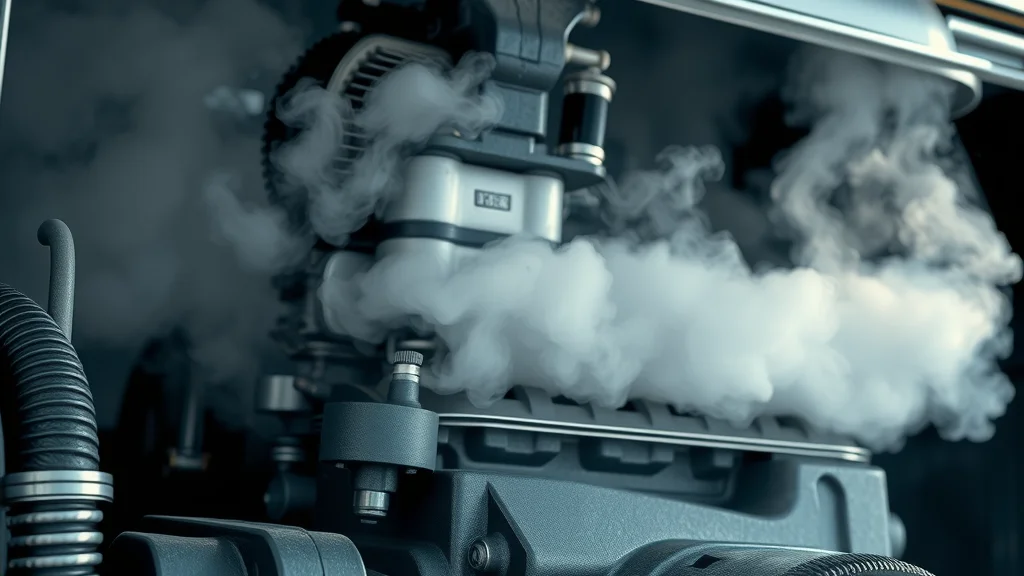
Closeup of an overheated diesel engine with visible steam and coolant droplets, dramatic and photorealistic, inside a truck hood under strong workshop lighting

Understanding Diesel Engine Overheating: What Happens When a Diesel Engine Overheats?

When your diesel engine starts to overheat, the engine temperature quickly climbs past normal operating ranges. What does this actually mean for your truck? The heat can cause vital engine parts—like cylinder heads, the head gasket, and even pistons—to expand, warp, or crack. This results in a loss of compression, poor performance, and sometimes a total breakdown.

Unchecked engine overheating impairs crucial systems: oil loses viscosity, coolant flow drops, and metal components grind under excess heat. Repeated exposure may lead to a blown head gasket, cylinder head damage, or even a seized engine. For Columbia’s diesel drivers dealing with heavy loads, urban traffic, or extreme weather, such risks are real—and very expensive to repair. Addressing diesel engine overheating causes early keeps small problems from snowballing into total engine failure.

“A well-maintained diesel engine should rarely overheat—addressing the root causes early is key to preventing bigger problems.”

Major Diesel Engine Overheating Causes Explained

  1. Low Coolant Levels or Coolant Leak
  2. Damaged Radiator or Restricted Airflow
  3. Faulty Thermostat in Diesel Engine
  4. Failed Water Pump
  5. Clogged Air Filter in Diesel Engine
  6. Malfunctioning Fan or Fan Clutch
  7. Broken Head Gasket in Overheating Diesel Engine
  8. Incorrect Fuel Mixture or Injector Issues

The cooling system in diesel engines is a complex network designed to keep the engine operating at optimal temperatures. Any malfunction—be it a simple coolant leak or a failing water pump—invites trouble. Columbia’s hot climate, coupled with stop-and-go city traffic or severe towing demands, puts extra pressure on these components. That’s why understanding every element in the chain, from the radiator to the air filter and injectors, is essential for effective maintenance and swift troubleshooting.

Often, more than one factor contributes to engine overheating—like a low coolant level paired with a restricted radiator airflow. Rapid diagnosis and repair of these issues can save your engine from irreversible harm and spare you the headache of roadside breakdowns.

For truck owners who want to dive deeper into hands-on solutions, exploring comprehensive diesel truck repair and service options can provide practical steps for addressing overheating and other common engine issues. Staying informed about professional repair strategies ensures your diesel engine receives the care it needs when problems arise.

Coolant Leak and Its Impact on Diesel Engines

A coolant leak is one of the most common diesel engine overheating causes, especially in older diesel trucks. Leaks reduce the amount of coolant available to absorb heat and transfer it away from the engine. Over time, a small, unnoticed coolant drip can drop the coolant level below safe limits, leaving your engine exposed to dangerous temperatures even on short trips.

Look for visible signs—a puddle under your truck, sweet-smelling steam, or dripping hoses. Not all coolant leaks are externally obvious: internal leaks might only show up as repeated coolant loss or white smoke from the exhaust (a sign of a failed head gasket). No matter the leak’s size or location, addressing it early protects your diesel engine from costly overheating issues down the line.

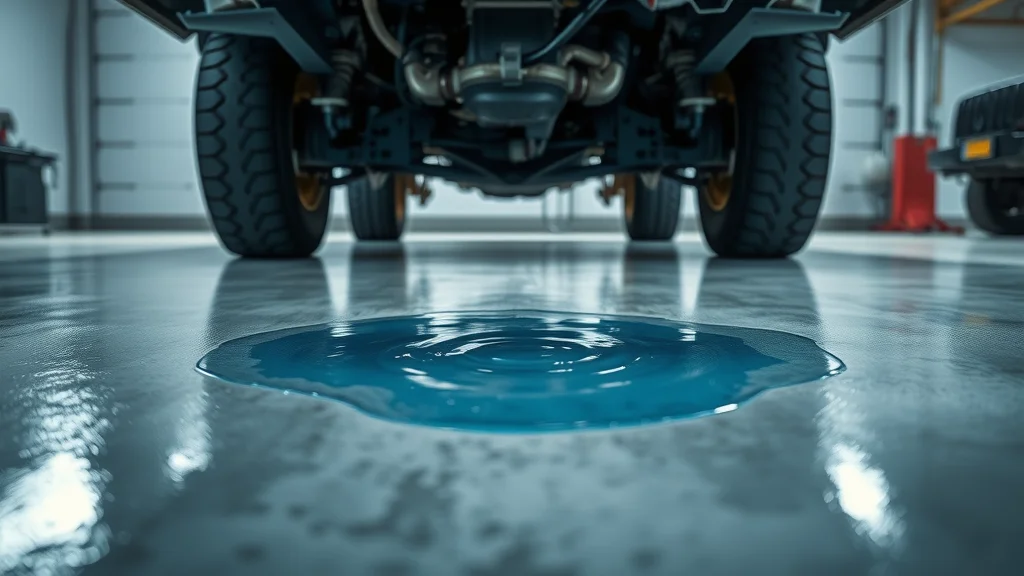
Detailed coolant leak under diesel truck engine with small puddle on clean concrete garage floor, sharply rendered with cool blue hues and realistic wet glossy reflections

Overheating Diesel Engines: Radiator and Airflow Issues

The radiator is your engine’s front-line defender against overheating—but only if it’s working properly. A damaged radiator, clogged fins, or blocked airflow (often from debris or bugs, especially after highway travel around Columbia) will cause heat to build up. When this happens, the coolant cannot release its heat, and the system loses efficiency.

Poor airflow due to a malfunctioning cooling fan or restricted radiator openings directly causes engine overheating. Routinely checking for bent radiator fins, loose debris, or inoperative fans is vital. Even a simple issue like a dirty radiator grille or a stuck fan clutch can turn a healthy diesel engine into an overheating headache within minutes.

Thermostat Malfunctions and Their Role in Diesel Engine Overheating

The thermostat acts as a gatekeeper, regulating coolant flow to help your diesel engine reach—and maintain—optimal temperature. If a thermostat sticks closed, coolant can’t circulate, causing the engine to overheat surprisingly quickly. On the other hand, a stuck-open thermostat may cause underheating, but in Columbia’s heat, blocked flow is a bigger concern.

Common symptoms of thermostat troubles include fluctuating engine temperature readings, a cold upper radiator hose, or overheating soon after startup. Because the thermostat is relatively inexpensive but vital, replacing a faulty thermostat is a cost-effective way to prevent much bigger engine overheating problems.

Air Filter and Injector Troubles Causing Diesel Engine Overheating

A blocked air filter suffocates your diesel engine, reducing airflow needed for clean combustion and causing excess heat buildup. When your truck struggles to “breathe,” incomplete combustion elevates engine temps and may lead to wasted fuel or smoky exhaust. Combine this with an injector stuck open or delivering the wrong fuel mixture, and you have a recipe for severe overheating.

Regularly swapping a clogged air filter and servicing injectors keeps your engine cool, efficient, and extends its life. In Columbia, frequent filter checks are especially critical due to dusty summer roads and pollen-laden air. Never ignore decreased engine performance or black smoke—these are early warnings that overheating may not be far behind.

Warning Signs of Diesel Engine Overheating

  • High engine temperature gauge
  • Coolant loss and visible leaks
  • White smoke from exhaust (potential blown head gasket)
  • Engine knocking or loss of power
  • Sudden rise in oil temperature

Recognizing trouble early is your best defense against costly repairs. If the temperature gauge creeps into the red zone, stop immediately. Other symptoms, such as visible steam, an unexplained drop in coolant level, milky oil, or strange knocking noises, suggest urgent action is needed. These warning signs often precede catastrophic damage—especially in older trucks or those used for heavy towing around Columbia’s highways.

Diesel Engine Overheating Symptoms Possible Diesel Engine Overheating Causes
Temperature Gauge in Red Zone Low coolant, faulty thermostat, damaged radiator
Steam From Engine Bay Coolant leak; head gasket issues
Unusual Noises Failed water pump; overheating diesel engine
Loss of Power Injector or air filter problems

How to Prevent Diesel Engine Overheating in Your Diesel Truck

  1. Regular coolant checks to avoid coolant leaks
  2. Inspection of radiator and cooling system
  3. Timely air filter replacement in diesel engines
  4. Monitoring and replacing thermostat as needed
  5. Professional diesel mechanic assessments

Prevention is critical in avoiding diesel engine overheating causes. Regular maintenance—especially before the Columbia summer heat sets in—extends your engine’s lifespan and keeps your truck running smoothly. Make it a habit to check coolant levels weekly, inspect for visible leaks, and flush your radiator according to your truck manufacturer’s schedule.

Remember, a trusted diesel mechanic isn’t just a repair specialist—they’re a partner in keeping your truck healthy. Investing in professional assessments means early detection of problems before they cause irreparable damage. Combine routine driver checks with professional expertise, and you’ll be miles ahead in protecting your diesel investment.

Professional diesel mechanic using a coolant tester on a clean diesel engine in a bright, modern garage, with well-organized tools and diagnostic computer in background

Troubleshooting Diesel Engine Overheating: What to Check First

  • Coolant levels and possible coolant leaks
  • Fan and water pump function
  • State of air filter and radiator
  • Signs of blown head gasket or injector problems

When your engine is overheating, don’t panic—but act quickly and logically. The first inspection point is always the coolant level. A drop often means a coolant leak—check around hoses, the radiator, and under the truck. Next, look at the fan and water pump—listen for strange noises and ensure both are operating correctly. A faulty water pump won’t circulate coolant, and a failed fan will drastically reduce airflow.

Don’t forget the air filter. If it’s filthy, swap it out before a short trip turns into a call for emergency engine service. Lastly, watch for signs of a blown head gasket: milky oil, white smoke, or chronic coolant loss all spell trouble. Quick checks and prompt repairs can make all the difference in avoiding major engine repairs.

Focused mechanic using flashlight to inspect diesel engine components beneath the hood at dusk, with sharp, detailed metallic and rubber textures, trucks in blurred background

Expert Tips: Solutions for Overheating Diesel Engines

“Neglecting minor overheating symptoms is a sure way to shorten your diesel engine’s lifespan.”

Columbia diesel owners, don’t wait for breakdowns—be proactive. Use high-quality coolant formulated for heavy-duty engines, and consider a radiator flush service before peak summer months. Clean your radiator exterior thoroughly—bug buildup and dirt are more destructive than they appear.

If your diesel truck faces frequent stop-and-go traffic or heavy hauling, consider timing belt and water pump replacement at shorter intervals. Always keep an eye on the engine temperature gauge during extreme weather, and book a professional assessment the moment you notice new noises or performance dips. These strategies dramatically reduce your risk of overheating issues and keep your engine performing for years.

People Also Ask: What Are the 8 Possible Causes of Engine Overheating Diesel?

The top eight diesel engine overheating causes are:

  1. Low coolant level or coolant leaks
  2. Damaged radiator or airflow obstruction
  3. Faulty thermostat
  4. Water pump failure
  5. Clogged air filter
  6. Malfunctioning cooling fan or fan clutch
  7. Damaged or blown head gasket
  8. Fuel injector or mixture problems

Each issue, alone or in combination, can cause an overheating diesel engine—routine inspections help you catch them before they escalate.

People Also Ask: How to Tell if a Diesel Engine Has a Blown Head Gasket?

Signs of a blown head gasket in a diesel engine often include:

  • White smoke from the exhaust
  • Milk-colored oil under the oil cap
  • Frequent or unexplained loss of coolant
  • Bubbles in the radiator or overflow tank
  • Overheating quickly after startup

If you see these symptoms, stop driving and get a professional engine service immediately to avoid major engine damage.

People Also Ask: How Do You Fix a Diesel Engine That Overheats?

To fix an overheating diesel engine, cool down the engine first—never open a hot radiator cap. Check the coolant level (top off if needed) and look for obvious leaks. Inspect your radiator, water pump, thermostat, and cooling fan for visible damage or malfunctions. Replace any worn or faulty parts, and ensure the air filter and injectors are clean and operating properly. If the problem isn’t easily fixed, contact a professional diesel mechanic for a full diagnosis before further driving.

People Also Ask: Why Is My Engine Overheating but Coolant Is Full?

If your engine is overheating but the coolant reservoir is full, the issue could be a faulty thermostat, broken water pump, damaged radiator, or air in the cooling system causing poor coolant circulation. Other possible causes are a failed cooling fan or a partially blocked radiator. It’s crucial to identify the true cause quickly to avoid severely damaging your diesel engine.

FAQs on Diesel Engine Overheating Causes

  • Can diesel engines recover from overheating?
    Mild overheating, caught early, often has minimal long-term impact if the root cause is fixed quickly. Severe or repeated overheating, however, can cause permanent damage to the diesel engine.
  • Are certain diesel engines more prone to overheating?
    Older diesel trucks or those with poorly maintained cooling systems are more susceptible. Heavy-duty or high-performance engines operating in Columbia’s heat need extra care.
  • How often should radiator and coolant be checked?
    At minimum, check your coolant level every 1,000 miles or before long trips. Have your radiator and full cooling system professionally inspected at least twice a year.
  • Is a coolant leak always visible externally?
    No—internal leaks, especially in the head gasket or cylinder head, may only reveal themselves through repeated coolant loss, white exhaust smoke, or milky engine oil.
  • Does Columbia, SC’s climate affect diesel engine overheating causes?
    Absolutely. High temperatures, humidity, and frequent stop-and-go traffic all increase strain on your truck’s cooling system—making regular maintenance even more important here.

Key Takeaways: Preventing and Addressing Diesel Engine Overheating Causes

  • Diesel engine overheating causes range from coolant leaks to air filter and head gasket issues.
  • Routine maintenance can drastically reduce engine overheating
  • Swift repairs by qualified diesel mechanics protect your investment
  • Older diesel engines may require more frequent inspections

Ready for Professional Help with Diesel Engine Overheating Causes?

Don’t wait for costly breakdowns! If you recognize any signs of diesel engine overheating causes, trust the Columbia, SC experts to get your truck back on the road safely. Contact Road 1 Diesel Mechanics today for top-rated diagnosis, fast repairs, and preventive maintenance that keeps your diesel running strong—mile after mile.

If you’re committed to maximizing your diesel truck’s reliability and performance, it pays to look beyond just emergency fixes. Discover how a holistic approach to diesel truck repair and service can extend engine life, improve fuel efficiency, and reduce the risk of future overheating. By partnering with experienced professionals who understand the unique demands of Columbia’s climate and road conditions, you’ll gain peace of mind and keep your business moving forward. Take the next step in proactive truck care and unlock the full potential of your diesel investment with expert support tailored to your needs.

Sources

Understanding the causes of diesel engine overheating is crucial for maintaining your vehicle’s performance and longevity. For a comprehensive overview, consider reading “AFA Covers Common Reasons for Diesel Engine Overheating”, which details factors like low coolant levels, air pockets in the cooling system, and their impact on engine health. Additionally, “Common Diesel Engine Problems: Your Troubleshooting Guide” offers insights into symptoms and solutions for overheating issues, emphasizing the importance of prompt attention to prevent severe engine damage. If you’re serious about maintaining your diesel engine’s reliability, these resources will provide valuable information to help you identify and address potential overheating causes effectively.

Diesel Engine Fuel System Problems? Stop Them Now

Hook: Did you know that nearly 70% of diesel engine failures can be traced to fuel system problems and diesel fuel contamination?

Diesel trucks are built for reliability and toughness — but one hidden threat brings even the sturdiest rigs to a sudden halt: diesel engine fuel system problems. Whether you drive long-haul routes or handle demanding local work in Columbia, SC, your truck’s fuel system is its lifeline. Issues often go undetected until the damage is done, resulting in costly repairs, lost time, and major frustration. However, if you know what to watch for — and how to take action — most fuel-related breakdowns can be avoided. In this comprehensive guide, you’ll get fresh insights, actionable truck maintenance strategies, and expert clarity on fuel system problems that matter most to South Carolina diesel truck owners.

Diesel Engine Fuel System Problems: The Hidden Challenges Every Truck Owner Should Know

“Did you know that nearly 70% of diesel engine failures can be traced to fuel system problems and diesel fuel contamination?”

Skilled diesel mechanic inspecting fuel system components on diesel truck engine, representing diesel engine fuel system problems

The modern diesel engine is a marvel of engineering, emphasizing efficiency and power. But the fuel system is its most vulnerable domain. Unlike gasoline engines, diesel engines work with higher compression and tighter tolerances, so even the slightest bit of fuel contamination or a partially clogged filter can lead to dramatic performance drops. Contaminants like water, microbes, and degraded fuel quietly build up, especially in the hot, humid climate of Columbia, SC — transforming quality diesel into an engine’s worst enemy. Neglect routine fuel system care and you might face hard starts, costly fuel pump damage, or even catastrophic engine failure. Detecting these hidden challenges early is critical for truck owners who rely on their vehicles for daily work and livelihood.

Diesel fuel contamination remains the leading culprit, often due to regional differences in fuel storage or quality at certain stations. Even new trucks in Columbia can run into fuel problems if they’re fueled with water-laden or aged diesel. On top of this, deferred filter changes allow buildup, triggering fuel pump wear and ultimately halting fuel flow altogether. Understanding these challenges — and implementing straightforward prevention and detection steps — can mean the difference between reliable performance and unexpected breakdowns.

Staying ahead of these issues often comes down to diligent maintenance and knowing when to seek professional help. For a deeper look at comprehensive diesel truck repair and service options that address not just fuel system problems but the full spectrum of truck reliability, explore the diesel truck repair and service solutions available in Columbia, SC.

What You’ll Learn About Diesel Engine Fuel System Problems

  • Major causes of diesel engine fuel system problems
  • Warning signs and symptoms
  • How to prevent diesel fuel contamination and fuel pump failure
  • Steps for troubleshooting and maintaining your fuel system
  • When to call a diesel mechanic in Columbia, SC

Understanding Diesel Engine Fuel System Problems: Core Components and Functions

At the core of every diesel engine is a sophisticated fuel system responsible for delivering the right amount of clean diesel fuel under high pressure to each cylinder’s fuel injector. This system includes key components such as the fuel pump, fuel filters, and specialized lines and sensors that ensure optimal engine performance. When any part of this system fails — whether from fuel contamination, blockages, or mechanical wear — the whole engine suffers. Regular maintenance and keen awareness of how these parts interact are crucial for all truck owners.

In most trucks, the fuel pump serves as the system’s lifeblood, pushing fuel from storage tanks through a series of filters and eventual delivery lines. Advanced diesel engines also depend on quality fuel additives to combat natural degradation — a process that can speed up in hot climates or due to subpar fuel storage. Each component, from filters to pumps, must work in harmony to keep particulate contamination, microbes, and water out of your engine. Knowing your diesel engine’s core parts is your first defense against expensive breakdowns and ensures every drop of diesel makes it from tank to combustion chamber efficiently.

Key Diesel Fuel System Parts: From Fuel Pump to Filters

  • Overview of the diesel fuel system
  • The role of the fuel filter
  • Functions of the fuel pump
  • Importance of fuel additives

Detailed diesel engine fuel system diagram showing components like fuel pump and filters, key to diesel engine fuel system problems

The heart of any diesel engine fuel system beats through several interconnected components. The fuel pump draws fuel from the storage tank and pressurizes it for injection. Fuel then travels through fuel filters — the critical line of defense, trapping dirt and water before contaminants reach sensitive injectors. Any debris that makes it past the filter can clog injectors or damage cylinders.

Fuel additives play a supporting role, helping to disperse water, clean injectors, and combat microbial growth. A treated diesel fuel system is less likely to suffer from blockages or performance decline. Consistently using high-quality additives and keeping up with filter and pump maintenance can greatly extend your engine’s lifespan and reduce the chances of facing critical fuel system issues down the road.

Common Diesel Engine Fuel System Problems Faced by Truck Owners

Truck owners frequently ask, “What are the most common diesel engine fuel system problems?” Based on field reports and service records, the top issues are fuel contamination (think water, microbes, and bad diesel), fuel pump failure, and clogged fuel filters. Each of these can manifest with a set of distinct — but sometimes overlapping — symptoms. Knowing what to look for and addressing minor issues quickly can prevent larger, costlier repairs and extend your diesel engine’s overall life.

South Carolina truckers should keep in mind: local weather and regional fuel storage practices raise special risks for diesel fuel contamination. Quick-access lists and checkups for your fuel filters, as well as sourcing from stations with a reputation for clean, fresh diesel, are simple but essential habits.

Contaminated Fuel and Diesel Fuel Contamination

“Fuel contamination is a leading cause of fuel system breakdowns in South Carolina diesel trucks.”

  • Water and microbial contamination
  • Bad fuel quality and fuel degradation

Contaminated diesel fuel in container showing water separation and microbial growth, illustrates diesel engine fuel system problems

Contaminated fuel is enemy number one for diesel engine longevity. Water infiltrates your diesel, either from condensation inside storage tanks (a common issue in the humid Columbia, SC climate) or through leaky fuel delivery systems. This water forms a breeding ground for microbial growth — think of it as mold for your fuel tank — which can clog filters, injectors, and corrode metal parts. If that’s not bad enough, bad fuel quality from either subpar suppliers or long-term fuel storage accelerates fuel degradation. Over time, the diesel becomes sludgy, separating and blocking flow throughout the system.

Signs of fuel contamination range from rough idling and hard starts to black smoke and poor acceleration. Because water and microbes may not show up during a quick visual check, regular fuel sampling, and preventive measures (like biocide additives and frequent drainage of water separators) are mandatory for avoiding breakdowns linked to fuel contamination.

Fuel Pump Failure: Signs, Causes, and Risks

  • Poor acceleration or stalling
  • Loud whining noises
  • Engine not starting

The fuel pump is the central driver of fuel flow within your diesel engine’s system. Over time, pumps wear out from continuous use, poor maintenance, cheap diesel fuel with low lubricity, or persistent exposure to contaminated fuel. Warning signs arise early: you’ll often notice poor acceleration, intermittent stalling, or even an engine that cranks helplessly but won’t fire. Another classic red flag is a loud whining or buzzing sound from under the truck or around the tank — a noise no operator should ever ignore.

If left unresolved, a failing fuel pump can lead to improper fuel delivery, causing the engine to run lean or starve of fuel altogether. This creates high stress on other fuel system components and can precipitate major engine damage. Recognizing these risks early, and replacing a noisy or unreliable pump before it fails, can save thousands versus dealing with downstream engine or injector repairs.

Fuel Filter Blockages and Impact on Performance

  • Symptoms of a clogged diesel fuel filter
  • How often to change fuel filters

Mechanic holding clogged diesel fuel filter showing grime, linked to fuel system performance problems

Fuel filters exist purely to trap impurities before they inflict damage downstream. But in high-use trucks — or during long hot spells — these filters can fill with debris astonishingly quickly. A clogged fuel filter chokes the system, resulting in engine hesitation, sudden surges or power drops, and frequent need to prime the system after sitting overnight.

As a general rule, change your diesel fuel filter at recommended intervals, or more often if you’re working in extreme environments. Many truck owners in Columbia find that the region’s humidity and the occasional presence of particulates mean they need to swap filters more frequently than the manufacturer’s minimum. Regular attention to this small but vital piece keeps the entire fuel system running clean and prevents more severe blockages from ever arising.

Diesel Fuel System Problems: Causes and Contributing Factors

Outsiders may assume diesel is diesel, but real truck owners know: local conditions and storage practices aggravate many fuel system problems. In South Carolina, unpredictable humidity, temperature swings, and diverse fuel storage standards combine to create unique risks for drivers.

Simple slip-ups — like buying from low-turnover stations or letting a truck sit idle with fuel tanks half full — can invite fuel contamination, fuel degradation, and microbial infestation. Recognize these contributing factors, and you’re equipped to take meaningful action well before warning lights flash or your engine struggles.

Contaminated Fuel in the Columbia SC Region: Unique Local Risks

  • Issues from regional fuel storage
  • Impact of humidity on diesel fuel quality
  • Poor fuel quality stations

Outdoor regional fuel storage tanks in humid South Carolina with condensation, illustrating local diesel fuel system risks

The Columbia SC region poses specific fuel contamination risks due to a combination of atmospheric and logistical factors. Large fuel storage tanks may sit for weeks between deliveries, leading to separation, condensation, and accelerated microbial growth. During hot, muggy summers, water vapor migrates into storage tanks, condenses overnight, and settles at the bottom, right where your fuel pickup sits.

Truckers that fill up at low-volume or poorly maintained stations are especially at risk for getting contaminated fuel. Station owners that don’t regularly test or treat tanks can allow microbial bloom, resulting in sludgy, water-laden diesel. To reduce risk, prioritize suppliers with high customer turnover, strong fuel quality reputation, and transparent maintenance protocols.

Diesel Engine Fuel System Problems: Detection and Early Warning Signs

Detecting diesel engine fuel system problems early is vital for minimizing risk and expense. Symptoms often appear subtly at first: hard starts on cool mornings, power loss under load, wisps of black smoke, or a sudden dip in fuel efficiency. Train yourself and your crew to spot these clues, and you’ll catch most problems before they escalate. For Columbia-area truck owners, keeping an eye on performance changes is the best safeguard between scheduled maintenance appointments.

Beyond the telltale signs, periodic diagnostics — including manual inspections and using the truck’s dashboard warning system — can reveal issues with fuel system flow, filter clogs, or latent contamination. Reacting swiftly saves time, money, and preserves your truck’s long-term viability.

Common Symptoms of Diesel Engine Fuel System Problems

  • Hard starting
  • Decreased power
  • Black smoke
  • Excessive fuel consumption

Hard starts and prolonged cranking are some of the first concerns raised by fuel system blockages or pump failures. Once the engine does run, owners might notice decreased power or “dead pedal” syndrome, where demand for acceleration meets weak or inconsistent response. Excessive black smoke from the exhaust is often a symptom of incomplete combustion, frequently caused by fuel contamination or faulty injection.

Increased, unexplained fuel consumption often means the engine is working harder to overcome flow restrictions or inefficient burn — both clear indicators of fuel system distress. Responding early protects against escalating damage, especially in busy, high-mileage truck fleets.

Diagnosing Diesel Engine Fuel System Problems: Step-by-Step Troubleshooting

When problems arise, a methodical approach to troubleshooting is crucial. Start with a thorough visual inspection, checking for leaks, corrosion, contaminated filters, or loose fuel lines. Utilize dashboard warning indicators and error codes to focus your investigation further. If symptoms persist, advanced diagnostics, like checking fuel pressure or examining fuel injectors, may be necessary.

A complete diagnostic doesn’t just find the problem — it helps you understand whether the issue is isolated (a bad filter or pump), or if a deeper systemic fault (such as chronic fuel degradation or injection issues) is developing. Always document your findings to assist mechanics if repair becomes necessary.

Visual Inspections and Warning Lights

Truck dashboard with warning lights illuminated for fuel system problems, driver paying close attention

Begin all troubleshooting with a walk-around and interior check. Look for visible leaks, unusually dirty fuel filters, or signs of corrosion around connectors and storage tanks. Inside the cab, heed any dashboard fuel system or “check engine” lights, which often signal low fuel pressure, blocked filters, or injection irregularities.

Use an OBD (On-Board Diagnostics) scanner to retrieve stored trouble codes. Fix any physical issues uncovered during your inspection, such as replacing a visibly clogged filter or tightening loose fuel lines, before moving on to more complex electrical or pressure tests.

Testing Fuel Pressure, Fuel Filters, and Fuel Pump

Checking fuel pressure is a key step to ensure the fuel pump is performing optimally. Too low, and your diesel engine may struggle to start or run; too high, and you might damage injectors or create excessive smoke. Inspect fuel filters at this stage — replace any filter showing signs of extensive debris, clogging, or water presence.

A failing fuel pump usually reveals itself via erratic pressure readings, excessive noise, or visible leaks. Confirm findings by comparing system readings with manufacturer specs. If you’re not equipped or trained for these diagnostics, don’t hesitate to reach out to a certified diesel mechanic in Columbia.

Preventing Diesel Engine Fuel System Problems: Best Practices

Prevention is always less expensive than repair. For truck owners, the key steps are to source quality fuel, use proven additives, maintain a strict filter replacement schedule, and stay alert for warning symptoms. Especially for vehicles operating in humid or variable climates like Columbia, a proactive maintenance routine dramatically reduces the risk of major fuel system breakdowns.

When it comes to “problem prevention,” the most successful truck owners build preventative checks and regular fuel sampling into their monthly routines, ensuring their diesel engine fuel system operates at peak, trouble-free performance.

Using Quality Diesel Fuel and Reliable Fuel Additives

  • Recommended diesel fuel additives
  • How fuel additives improve fuel quality and prevent degradation

Mechanic pouring diesel fuel additive into fuel tank to prevent diesel engine fuel system problems

Not all diesel from Columbia-area stations is created equal. When filling up, prioritize outlets with reputable, high-turnover diesel, reducing the risk of fuel contamination from stagnant tanks. Additionally, invest in top-tier fuel additives designed for water dispersal, injector cleaning, cold weather lubrication, and microbial suppression.

Regular use of quality fuel additives keeps injectors free from deposits and prevents fuel degradation — a must for trucks that may sit between jobs. Always follow the product instructions regarding dosage and compatibility. For long-haul operations or high humidity exposure, use biocide additives periodically to curb the threat of microbial contamination and extend the life of your filtration and injection components.

Routine Maintenance: Fuel System, Fuel Filters, and Fuel Pump Care

  • Diesel fuel system maintenance tips
  • Fuel filter replacement schedule
  • When to clean the tank

Mechanic performing maintenance on diesel truck fuel system to prevent problems

Don’t wait for a warning light to prompt fuel system service. Schedule regular fuel filter changes — typically every 10,000–15,000 miles, or sooner for high-dust work or if local fuel stations are known for variable quality. Drain water separators and visually check fuel lines, pumps, and filter housings at the same interval.

For trucks used intermittently or stored for long periods, performing fuel tank clean-outs every year or two eliminates conditions ideal for microbial bloom and sludge. Keep a log of these maintenance actions: nothing prevents engine damage more effectively than a transparent, consistent diesel fuel system care program.

Table: Common Diesel Engine Fuel System Problems vs. Symptoms and Solutions

Problem Symptoms Preventive Solution
Fuel Contamination Hard starts, black smoke, misfires Use additives, buy fuel from reputable sources, drain water separators
Fuel Pump Failure No start, stalling, whining noises Replace weak pumps promptly, monitor noise, avoid bad fuel
Clogged Fuel Filter Poor acceleration, surging, rough idle Change filters regularly, inspect for sludge and debris
Microbial Growth Blocked filters, loss of power, odd smell from tank Add periodic biocide treatments, clean tank annually

What Are the Problems with Diesel Fuel Systems? (People Also Ask)

What are the problems with diesel fuel systems?

Answer: Diesel fuel systems commonly suffer from fuel contamination, injector failure, fuel filter clogs, and fuel pump wear. These can lead to starting issues, power loss, and engine damage if not addressed.

What are the symptoms of diesel fuel problems?

Answer: The symptoms include rough idling, misfires, hesitation, excessive exhaust smoke, and reduced fuel efficiency.

What are the three common fuel system problems and their possible causes?

Answer: 1) Fuel contamination caused by water/microbes; 2) Fuel filter blockages due to poor fuel maintenance; 3) Fuel pump failure from wear or poor fuel lubrication.

What are the symptoms of a bad diesel pump?

Answer: Difficult starts, loss of engine power, irregular idling, and unusual engine noises are signs of a faulty diesel fuel pump.

Frequently Asked Questions on Diesel Engine Fuel System Problems

  • How often should you change diesel fuel filters?
    Diesel fuel filters should typically be changed every 10,000–15,000 miles, or more frequently for trucks operating in dusty environments or using fuel from lower-quality sources. Regular replacement ensures clean fuel delivery and protects injectors and pumps.
  • Can I prevent fuel contamination with additives?
    Yes, the consistent use of water-dispersing, lubricating, and antimicrobial fuel additives substantially reduces the risk of water and microbe-related fuel contamination. However, additive use must be combined with purchasing high-quality fuel and routine maintenance for best results.
  • What’s the best way to improve fuel quality?
    Source your diesel from reputable, high-turnover stations, use recommended fuel additives, and store fuel in properly sealed, clean storage tanks. Regular sampling and tank cleaning further help maintain pristine fuel quality.
  • Do diesel engine fuel system problems require professional repair?
    While basic filter changes and inspections are DIY-friendly, persistent symptoms — like repeated stalling, power loss, or visible contamination — should always be addressed by a professional diesel mechanic to prevent costly engine damage.

Key Takeaways for Truck Owners on Diesel Engine Fuel System Problems

  • Most fuel system issues can be prevented with routine care
  • Early detection of symptoms saves time and money
  • Columbia, SC truck owners should pay special attention to local fuel quality
  • Consult diesel mechanics for persistent or severe diesel engine fuel system problems

Ensure Reliable Performance—Contact Diesel Mechanics in Columbia, SC

For expert help with your diesel engine fuel system problems, visitDiesel Mechanics. Get your truck serviced for peace of mind: https://callroad1.com

Proactive maintenance and early intervention are the best guarantees against costly diesel engine fuel system problems. Trust your Columbia, SC experts for long-lasting performance and road-ready reliability.

If you’re committed to keeping your diesel truck running at its best, don’t stop with just fuel system care. The right approach to overall truck maintenance can help you avoid unexpected downtime and extend the life of your vehicle. Discover how a holistic service plan—covering everything from diagnostics to preventive repairs—can make a difference for your business or daily operations by visiting the diesel truck repair and service resource for Columbia, SC. Take the next step toward total reliability and let expert technicians help you stay ahead of every challenge the road throws your way.

Sources

To further enhance your understanding of diesel engine fuel system problems, consider exploring the following resources: “6 Most Common Problems With Diesel Fuel Systems”: This article provides a detailed overview of prevalent issues such as fuel contamination, clogged fuel filters, and injector failures, along with practical solutions to address them. (moonlightrepair. com) “Diesel Fuel System Issues in Farm Equipment: Causes and Solutions”: Focusing on agricultural machinery, this resource discusses common fuel system challenges, including water contamination and fuel injector problems, offering targeted solutions for maintenance and prevention. (ibexincorporated. com) By delving into these materials, you’ll gain valuable insights into identifying, preventing, and resolving diesel fuel system issues, ensuring optimal performance and longevity of your engine.

Diesel Engine Starting Problems? Here’s the Quick Fix

Did you know that nearly 1 in 4 diesel trucks in Columbia, SC experience starting issues each winter? If you’re a truck owner, a stubborn diesel engine can delay your day, rack up unexpected bills, and even threaten your livelihood. But you don’t have to let diesel engine starting problems disrupt your routine or drain your wallet. This complete guide reveals surprising insights, quick-fix solutions, and expert advice tailored for Columbia, SC drivers.

A Closer Look at Diesel Engine Starting Problems: Surprising Statistics and Local Impact

Diesel engine starting problems are more common—and more costly—than many Columbia, SC, truck owners realize. Statistics show that over 20% of commercial diesel trucks in the area report at least one starting issue per year, especially during colder months and after long idle periods. These issues don’t just mean a late delivery or missed appointment; the average repair cost for starting problems can top $800 when systems like the fuel pump, glow plug, or battery are involved.

For local businesses that rely on diesel trucks for hauling, delivery, or construction, repeated starting troubles cascade into lost productivity and potentially lost contracts. And the problems aren’t limited to older trucks—newer models can suffer too, particularly when maintenance is neglected or Columbia’s fluctuating weather swings from humid heat to brisk cold. Arming yourself with knowledge and quick fixes can save both time and money while avoiding roadside emergencies in the heart of South Carolina.

Diesel engine starting problems being diagnosed by a mechanic with high attention to detail in a truck repair shop engine bay

Diesel Engine Starting Problems: The Hidden Costs for Columbia, SC Truck Owners

The financial impact of diesel engine starting problems goes well beyond parts and labor. Every delayed start or breakdown means postponed work, missed deadlines, and frustrating downtime. For owner-operators in Columbia, SC, one hard-start morning could mean a cascade of lost opportunities. Add the costs of towing, emergency repairs, or replacing key components like glow plugs, air filters, or fuel pumps and you’ll see why proactive diagnostics and routine maintenance are not just recommended—they’re essential. Neglecting even seemingly minor symptoms can eventually risk severe damage to critical systems, making early detection and quick response your best defense against mounting repair bills.

When troubleshooting diesel engine starting problems, it’s also helpful to understand the broader range of diesel truck repair and service options available in Columbia, SC. Knowing what professional services can address—from fuel system diagnostics to electrical repairs—can make your maintenance decisions more effective and cost-efficient.

What You’ll Learn About Diesel Engine Starting Problems

  • Common causes of diesel engine starting problems
  • How to diagnose and address starting issues
  • When to call a diesel mechanic in Columbia, SC
  • Maintenance tips to prevent future diesel engine problems

Understanding Diesel Engine Starting Problems in Diesel Trucks

Diesel engine starting problems can leave even seasoned truck owners scratching their heads. Unlike gasoline engines, diesel engines rely on compression ignition—which demands precise conditions in the combustion chamber, right down to the quality of fuel delivery and functioning of glow plugs. In Columbia, SC, key culprits behind starting issues often include cold temperatures, contaminated fuel, aging fuel systems, and infrequent servicing. Whether your truck cranks but fails to start, sputters, or produces excessive smoke, these signs indicate underlying problems that need prompt attention.

The symptoms aren’t always straightforward. For instance, a truck might run perfectly after a jump start, only to fail again the next morning. Understanding the mechanisms at play—from the glow plug’s role in cold starts to the impact of a clogged air intake—helps you zero in on the real problem, ensuring you invest your time and money where it counts. In the following sections, we’ll break down major causes, fixes, and practical prevention methods, all tailored to conditions in the Midlands of South Carolina.

What Are the Main Diesel Engine Starting Issues?

The main diesel engine starting problems typically revolve around the glow plug system, fuel system, battery, air intake, and exhaust system. Each of these elements plays a crucial role in the starting process. Weak or failing glow plugs can leave your engine struggling during a cold start, while clogged fuel filters or a faulty fuel pump can prevent proper combustion and cause hard-start or no-start situations. Another common issue, especially noted in diesel trucks around Columbia, SC, is blocked air intake filters, which choke airflow and force the engine to work harder to achieve the necessary compression ignition.

Beyond those, issues like contaminated diesel fuel, worn starter motors, bad injectors, and battery voltage drops frequently appear in both older and newer models. Environmental factors—such as Columbia’s spring pollen or winter cold snaps—can compound these problems, leading to more frequent service calls and unexpected downtime. Recognizing these symptoms early, and understanding how each part interacts with the others, is the first step toward preventing a small issue from turning into a major breakdown.

Modern diesel truck with dashboard warning lights indicating possible starting issue in the early morning, Columbia SC

Why Diesel Engine Starting Problems Affect Trucks More in Columbia, SC

Columbia, SC’s unique climate and use patterns create an environment where diesel engine starting problems are all too frequent. Sudden changes between hot, humid summers and unexpectedly cool winters can tax diesel engines by stressing components that are sensitive to temperature extremes. For instance, glow plugs struggle to create enough heat in cold weather, while fluctuating humidity encourages condensation—leading to contaminated fuel and water in the fuel system. In addition, the city’s abundant dust and pollen particles can quickly clog air intake filters, impeding engine performance and exacerbating start-up delays.

Frequent short trips, stop-start driving, and long idling periods (common among local delivery fleets and contractors) can accelerate wear on crucial engine parts, making issues with the fuel pump, injectors, or battery more likely. With Columbia’s mix of urban driving and rural hauls, staying vigilant with maintenance is critical to reduce the risk of roadside trouble, avoid costly repairs, and keep your truck ready for whatever the day brings.

Key Components Behind Diesel Engine Starting Problems

Understanding the interacting components behind diesel engine starting problems is key to effective troubleshooting. The most common causes stem from the fuel system, glow plug system, air intake system, and even the exhaust system. Each has a specific job during start-up—and a failure in any one area can grind your truck to a halt. Below, we’ll break down these components in more detail, so you’ll know where to start your investigation if your engine fails to crank or sputters to life.

The Role of the Fuel System in Diesel Engine Starting Problems

Diesel engines rely on a clean, pressurized fuel delivery system to start and run efficiently. When your fuel system is operating smoothly—fuel pump, filters, lines, and injectors all working in concert—the engine will fire on demand. But even a minor blockage or leak: a clogged fuel filter, weak fuel pump, or air intrusion in the fuel lines, for example—can create starting issues. Contaminated fuel is especially problematic in Columbia, SC, due to humidity and poor fuel-storage conditions, and can rapidly cause injector problems or build-up in the combustion chamber.

If your truck is hard to start, stalls unexpectedly, or belches smoke during ignition, there’s a strong chance the fuel system is the culprit. Regularly inspect and replace fuel filters, use high-quality diesel, and check for water or debris in the tank—these steps can extend fuel system life and dramatically reduce no-start calls.

How Glow Plug Issues Cause Diesel Engine Starting Problems

The glow plug system acts as the unsung hero in diesel trucks, particularly when temperatures dip. Unlike spark plugs in gasoline engines, glow plugs pre-warm the combustion chamber, ensuring diesel vaporizes properly and ignites during a cold start. When your truck struggles to start in the morning, produces white smoke, or cranks for too long, a faulty glow plug is a top suspect. Inconsistent heating or total glow plug failure is increasingly common in Columbia, SC, during colder months or after many starts and stops.

Testing and replacing glow plugs is a simple but crucial step. Even a single failed unit can disrupt the whole ignition process, stalling start-up and straining your battery and starter. Columbia mechanics recommend routine glow plug inspection, especially before winter, to avoid being stranded during the first cold snap.

Mechanic carefully inspecting a diesel engine glow plug for problems affecting starting, with detailed tools and metallic surfaces

Exploring Air Intake and Diesel Engine Starting Problems

The air intake system supplies the oxygen necessary for diesel combustion. If your air filter or intake is blocked by dust, pollen, or road debris—a frequent occurrence in Columbia’s variable climate—engine efficiency and starting performance suffer. A clogged air filter chokes the system, reducing air flow, increasing cranking speed, and hindering the fuel/air mixture necessary for a clean start.

Symptoms include hard starts, rough idle, excess smoke, and reduced throttle response. Regularly inspecting and swapping out the air filter or cleaning out the intake manifold can restore quick starts and boost engine longevity. Neglecting this simple fix, meanwhile, can eventually harm the whole fuel system and even the exhaust system.

Exhaust System Complications and Diesel Engine Starting Problems

The exhaust system plays a subtle but important role in how quickly and reliably your diesel engine starts. If the system is partially clogged by soot, carbon deposits, or even a damaged filter, back-pressure will build. This restricts engine breathing and can create hard start, rough idle, or stalling conditions. Exhaust issues are often overlooked, but in Columbia, SC, extended idling and short trips can accelerate these problems—causing lingering issues that manifest as chronic starting trouble.

Regularly servicing the exhaust system, including the diesel particulate filter (DPF), helps keep the rest of your engine’s intake and exhaust pathways clear, ensuring optimal performance and reliable starts.

Top Causes of Diesel Engine Starting Problems

  1. Faulty Glow Plugs
  2. Fuel System Malfunctions
  3. Air Intake Blockages
  4. Weak or Bad Battery
  5. Contaminated Fuel
  6. Fuel Pump Failure
  7. Worn Starter Motor
  8. Injector Problems

Diesel Engine Starting Problems: Faulty Glow Plugs

A faulty glow plug is the quintessential diesel start-up villain, particularly when a cold snap or damp weather sweeps across Columbia, SC. When glow plugs don’t reach the required temperature, the combustion chamber can’t heat up enough to vaporize diesel fuel—leading to hard, slow, or failed starts. Other signs include white smoke from the exhaust and a notable reduction in engine performance upon ignition. Left unchecked, bad glow plugs can put additional strain on your battery and starter motor, compounding your starting issues with every turn of the key. Routine inspection and timely replacement of glow plugs is one of the best investments for reliable diesel operation.

Fuel System Failures Influencing Diesel Engine Starting Problems

Fuel system failures run the gamut from clogged fuel filters and air in fuel lines to worn fuel pumps—all common issues in Columbia’s fleet trucks. When any link in the fuel delivery chain falters, the engine struggles to draw and atomize diesel efficiently, resulting in extended cranking, stalling, or misfiring at start-up. In humid Southern climates, fuel can easily become contaminated, encouraging microbial growth that blocks injectors or lines. Timely fuel filter changes and using clean, quality diesel are simple yet effective ways to safeguard the fuel system against everyday wear and surprise outages.

Air Intake and Exhaust Issues Triggering Diesel Engine Starting Problems

Blocked air intake systems and neglected exhaust components are chief contributors to starting difficulties. When air can’t move freely into the combustion chamber, the engine will labor to produce enough power to turn over—especially during a cold start or after exposure to Columbia’s pollen-heavy air. A dirty, clogged air filter or an exhaust restriction quickly manifests as hesitation, rough idling, or outright failure to start. Routine maintenance of both air and exhaust paths reduces start-up complaints and supports overall engine health.

Diesel engine starting problems caused by dirty, clogged air intake filter being removed by a technician in a truck engine bay

Identifying Contaminated Fuel in Diesel Engine Starting Problems

One of the most common diesel engine starting issues in Columbia, SC, is contaminated fuel. Humid conditions, improper storage, or infrequent vehicle use can allow water, microbes, and debris to infiltrate the fuel tank, disrupting combustion and threatening the entire fuel injection system. Symptoms include hard or failed starts, engine stalling shortly after ignition, rough idle, and unusually dark or cloudy fuel samples. Ensuring you refill at reputable stations, keeping the tank full in humid seasons, and routinely checking for water in the fuel separator are all vital steps to protect your truck from contaminated diesel and keep starting issues at bay.

Battery-Related Diesel Engine Starting Problems

A weak or bad battery is a leading cause of no-start conditions, especially after Columbia’s summer heat drains battery life or winter cold thickens engine oil. Low battery voltage drops cranking speed—a critical requirement for diesel engines, which need high-compression turnover to ignite fuel without spark plugs. Signs of battery trouble include slow engine turnover, clicking sounds, and sporadic electrical faults (lighting and dashboard errors). Check battery connections regularly, clean corrosion, and load test before the season changes for reliable morning starts even on the coldest South Carolina mornings.

Technician checking a diesel truck battery connection for starting problems, with visible battery box and clean cable terminals

Starter Motor Complications in Diesel Engine Starting Problems

Aging or worn-out starter motors round out the major causes of diesel engine no-start complaints. The starter is responsible for turning the engine fast enough for ignition. If you hear odd grinding, spinning, or get total silence during crank attempts—even when the battery is good—your starter motor may be at fault. Consistent cranking with no resulting engine catch is a clear sign for Columbia truck owners that it’s time for a professional starter inspection and possible replacement.

How to Diagnose Diesel Engine Starting Problems

  1. Pre-Diagnostic Checklist for Diesel Engine Starting Problems
  2. Inspecting the Battery and Electricals
  3. Checking Glow Plug Status and Operation
  4. Examining the Fuel System and Fuel Pump
  5. Assessing Air Intake, Fuel Injection, and Exhaust System
  6. Identifying Warning Sounds and Smells

Start with a basic visual inspection: check for dashboard warning lights, listen for unusual sounds during cranking, and look for fuel or oil leaks under the vehicle. Next, measure battery voltage—it should be above 12. 6V at rest; anything lower can cause slow cranking or failure to start. Inspect glow plug relays and harnesses, and if unsure, test each plug’s resistance (a healthy plug reads less than 2 ohms). For the fuel system, verify that the fuel pump activates with the ignition cycle and check fuel lines for blockages or leaks. Don’t forget the air filter; a clogged or excessively dirty filter may warrant immediate replacement. Lastly, pay attention to abnormal smells (excessive fuel, burning, or oil odors) or warning chimes—these clues are your early alert to specific system failures.

Quick Fixes for Diesel Engine Starting Problems

Truck owner confidently performing simple diesel engine maintenance to address starting problems at home garage

  • Replacing Faulty Glow Plugs
  • Cleaning Air Intake Filters
  • Checking and Replacing Fuel Filters
  • Jump Starting or Replacing Batteries
  • Tightening Fuel Connections
  • Seeking Help for Fuel Pump and Fuel System Issues

For many diesel engine starting issues, quick fixes are both possible and highly effective. Replace any glow plug that fails a resistance test, being sure to use the correct manufacturer part for your engine. If the air intake filter is dirty or clogged, swap it out; clean or new filters often restore immediate improvement in start-up times. Check the fuel filter for water or debris—replace it if it’s gummed up or overdue for service. If you’re greeted by silence when turning the key, try jump-starting the battery (ensuring proper polarity), but if problems persist, plan for a new battery installation. Secure all visible fuel connections to eliminate air leaks, which can interrupt fuel delivery and cause rough starts. For persistent or advanced issues like fuel pump failure, contaminated fuel, or complex electrical faults, calling a certified Columbia, SC diesel mechanic is your safest route.

Preventive Maintenance to Avoid Diesel Engine Starting Problems

  • Regular Glow Plug Inspection and Replacement
  • Scheduled Fuel System Checks
  • Air Intake Filter Maintenance
  • Routine Battery Testing
  • Consistent Fuel Quality Monitoring
  • Professional Diesel Engine Servicing

Preventive maintenance is the long-term solution for avoiding diesel engine starting problems in Columbia’s challenging environment. Set a maintenance schedule for glow plugs, replacing them every 60,000–100,000 miles or as recommended. Routinely inspect the fuel system—including lines, injectors, and filters—at every service interval. Clean or replace air filters more frequently during pollen season or after dusty worksite use. Test your battery at least twice a year and keep terminals clean. Always buy high-quality fuel and fill up at busy stations to avoid water or microbe build-up in tanks. Lastly, regular professional servicing provides an added layer of protection, helping your diesel handle everything Columbia roads throw at it.

Expert Insights: Diesel Mechanics on Diesel Engine Starting Problems

“Frequent glow plug checks and using quality diesel can dramatically reduce your risk of starting problems,” says a veteran Columbia, SC diesel mechanic.

Local experts stress the importance of preventive action and attentive listening to your truck’s symptoms. By taking small steps—like checking glow plugs before each winter and using reputable fuel sources—you can avoid nearly all common diesel starting issues, avoiding those dreaded calls for help on a frosty Columbia morning.

Common Myths About Diesel Engine Starting Problems

  • Only old diesel trucks have starting issues
  • Diesel engines don’t need regular servicing
  • Fuel additives always solve starting problems

Don’t fall for common diesel myths. Modern trucks are just as vulnerable to starting problems as older ones, especially if maintenance is skipped. All diesel engines, regardless of age, need periodic attention—neglecting regular servicing risks expensive breakdowns. And while some fuel additives may help reduce water or sludge, they’re not a magic bullet. Quality diesel and hands-on care are always your best bet.

Side-by-side comparison of modern and old diesel trucks in Columbia, SC, both with open hoods revealing starting issues

Case Studies: Real Experiences of Diesel Engine Starting Problems in Columbia, SC

Diesel Engine Starting Problems Resolved at a Local Workshop

A local delivery driver recently brought in their truck after multiple cold morning no-starts in downtown Columbia. Technicians quickly diagnosed a failing glow plug and dirty air filter. After replacing the plug and cleaning the intake system, starts returned to normal—even with temperatures in the low 30s. Another Columbia business owner faced recurring starting problems from contaminated diesel bought from a rural fuel stop. A thorough drain and flush of the fuel system by area mechanics restored performance and prevented further injector wear. These real-world stories prove that with quick attention and skilled repair, even persistent diesel headaches can be fixed fast.

Columbia SC truck owner happily receives keys from the mechanic after diesel engine repair at local workshop

People Also Ask: Diesel Engine Starting Problems

Why does my diesel engine struggles to start?

Diesel engine starting problems can be caused by weak batteries, faulty glow plugs, fuel system issues, or clogged filters. Cold weather can also increase starting difficulty.

What are the first signs of turbo failure in diesel?

First signs of turbo failure in a diesel engine include loss of power, excessive smoke, unusual whining noises, and oil leaks near the turbo.

What can stop a diesel engine from starting?

A diesel engine may not start due to faulty glow plugs, dead battery, problems with the fuel pump, contaminated fuel, or blocked air intake.

What is the most common problem in the diesel engine?

The most common problem in diesel engines is issues with the fuel system, such as clogged filters or fuel injectors, followed by glow plug failure.

Step-by-step demonstration by a technician on systematically diagnosing common diesel engine starting issues in Columbia, SC. Includes visual checks of engine, battery, and fuel system, with clear explanations for truck owners.

Instructional video covering practical methods to check and replace glow plugs and inspect the fuel system, tailored for diesel truck owners in Columbia, SC.

Table: Quick Reference Guide to Diesel Engine Starting Problems

Cause Symptoms Quick Fix Preventive Tip
Faulty Glow Plugs Hard/No Start, White Smoke Replace Glow Plugs Regular Inspection
Weak Battery Slow Crank, No Start Recharge/Replace Battery Test Battery Often
Blocked Air Intake Rough Idle, No Start Clean/Replace Air Filter Check Filter Monthly
Fuel System Issues No Start, Sputtering Check/Replace Fuel Filter Use Clean Diesel
Contaminated Fuel Hard Start, Stall Drain/Clean Fuel System Buy Quality Fuel

FAQs: Diesel Engine Starting Problems

  • How often should I replace glow plugs to prevent diesel engine starting problems?
    Most experts recommend checking glow plugs annually and replacing them every 60,000–100,000 miles, or sooner if cold starts become difficult.
  • Is aftermarket diesel fuel additive helpful for starting issues?
    Sometimes. Additives can help disperse water and prevent gelling in winter, but they should supplement—not replace—proper maintenance and quality fuel.
  • What is the typical cost to fix diesel engine starting problems in Columbia, SC?
    Minor repairs like glow plug or filter replacement range from $100 to $350. Major issues (fuel pump, injectors) can exceed $800, especially if labor-intensive.

Key Takeaways: Diesel Engine Starting Problems in Columbia, SC

  • Regular maintenance is the best defense against diesel engine starting problems.
  • Addressing minor issues early can prevent costly repairs.
  • Expert mechanics in Columbia, SC are your best resource for persistent diesel engine starting problems.

Summary and Next Steps for Tackling Diesel Engine Starting Problems

In summary, tackling diesel engine starting problems means acting early, maintaining consistently, and knowing when to call a professional. Routine checks of glow plugs, fuel system, air intake, and the battery can keep your truck running strong, while understanding the warning signs helps prevent surprise breakdowns on Columbia’s busiest streets.

When to Call a Columbia, SC Diesel Mechanic for Diesel Engine Starting Problems

If basic troubleshooting doesn’t resolve your diesel engine starting problems, contact a trusted local professional for diagnostics and repair.

Ready to Get Your Diesel Engine Back on the Road?

Connect with Certified Diesel Mechanics in Columbia, SC to Fix Your Diesel Engine Starting Problems Today:Diesel Mechanics https://callroad1.com

If you’re ready to take your diesel truck’s reliability to the next level, consider exploring the full spectrum of diesel truck repair and service solutions in Columbia, SC. From advanced diagnostics to preventive maintenance plans, these services are designed to keep your fleet running smoothly and minimize unexpected downtime. By partnering with experienced professionals, you gain access to the latest tools, expert advice, and tailored care for every aspect of your diesel engine. Don’t just fix problems as they arise—invest in comprehensive service strategies that protect your truck’s performance and your business’s bottom line for the long haul.

Sources

Diesel engine starting problems can be frustrating, especially during colder months. To help you address these issues, here are two valuable resources: “Diesel Engine Starting Problems Solved!” (youtube. com) This video provides key troubleshooting tips for cold starts and fuel delivery issues, offering practical solutions to common diesel engine starting problems. “Diesel engine starting problems solutions diesel engine starting in cold weather petter engine start” (youtube. com) This video demonstrates solutions for diesel engine starting problems, particularly in cold weather conditions, with a focus on Petter engines. If you’re serious about resolving diesel engine starting issues, these resources will provide you with practical insights and step-by-step guidance.

Diesel Engine Maintenance Tips to Boost Longevity

Did you know? Neglecting diesel engine maintenance can actually slash your engine’s lifespan by up to 50%! For Columbia, SC diesel truck owners, that statistic highlights a powerful reality: how you care for your engine now determines how long you’ll keep your truck running smoothly for as long as possible. Thankfully, proper diesel engine maintenance tips don’t just prolong engine life—they also cut down on costly repairs, maximize fuel efficiency, and ensure your truck is always ready for the road.

Startling Facts: Diesel Engine Maintenance Tips Matter for Your Truck’s Lifespan

“Neglecting diesel engine maintenance can decrease engine life by up to 50%.” – Industry Report

Diesel engines are a robust choice for work trucks and heavy-duty vehicles, but their legendary reliability is no excuse to skip regular care. In fact, staying on top of diesel engine maintenance tips is often the single biggest predictor of how many trouble-free miles your truck will deliver. While many Columbia SC owners expect their diesel engines to outlast gasoline engines, failing to maintain your engine can lead to reduced engine performance, frequent breakdowns, and major repairs that could have easily been avoided.

Ignoring something as simple as a routine oil change can cause dirt and soot to wear down critical parts—while clogged air filters starve your diesel engine of the oxygen it needs, putting extra strain on everything from your fuel filter to your cooling system. Over time, overlooked issues can cause excessive smoke, poor fuel economy, and even total engine failure. That’s why the key to enjoying your diesel vehicle for years is a smart, vigilant approach to engine maintenance.

What You’ll Learn: Mastering Diesel Engine Maintenance Tips for Extended Engine Life

  • How proper diesel engine maintenance tips reduce major repair risks
  • Why diesel engines need different care than gasoline engines
  • Step-by-step engine maintenance tips for optimal performance
  • Identifying signs of poor engine maintenance
  • How to boost diesel engine longevity for Columbia SC truck owners

Diesel engine maintenance tips - Detailed diesel engine close-up, clean and well-maintained, in a Columbia SC truck garage, metallic textures under cool white lighting.

Understanding Diesel Engines: Why Diesel Engine Maintenance Tips Are Essential

Diesel engines are engineered to withstand heavy loads, high compression, and extended operation. Unlike gasoline engines, diesel engines operate at higher compression ratios, burn fuel more efficiently, and are often built to last longer. However, this durability can’t be taken for granted. The unique demands of diesel engines—such as the need for powerful fuel injection systems, sensitive turbochargers, and advanced filtration—mean that diesel engine maintenance is both critical and different from what gasoline engines require.

Bad habits like skipping filter changes or using poor quality diesel fuel may seem minor, but these mistakes can let contaminants wreak havoc inside your engine over time. In Columbia, SC, where heat, humidity, and dusty roads can combine to challenge air intake systems and cooling processes, the attention you give your diesel engine is even more important. These are not just general recommendations—they’re proven steps to keep your investment working hard for as long as possible.

For those looking to go beyond the basics, understanding the full range of diesel truck repair and service options available in Columbia SC can help you address issues before they become major problems. Staying informed about professional repair solutions ensures your maintenance routine is as effective as possible.

What Makes Diesel Engines Different From Gasoline Engines?

One defining characteristic of diesel engines is their reliance on compression ignition rather than spark plugs, which allows them to generate more power with less fuel. Their fuel systems operate at much higher pressures, making them especially vulnerable to contamination or poor maintenance. In contrast, most gasoline engines are less sensitive to fuel quality and often tolerate longer service intervals for certain components.

Because diesel engines do not rely on spark plugs, they depend heavily on a clean air intake and precise timing between fuel delivery and combustion. Any lapse in maintaining clean air filters or clog-free fuel filters can drastically reduce the efficiency of engine operation. Delayed oil changes can encourage soot buildup in turbochargers—a key cause of premature turbo failure—making scheduled engine maintenance especially crucial.

Common Diesel Engine Problems Seen in Columbia SC

Truck owners in Columbia SC face unique climate-related issues. High humidity can accelerate corrosion, while local dust and pollen put extra strain on air intake systems. Mechanics in the area frequently report issues like injector clogging, cooling system leaks from mineral-rich water, and even excessive smoke during cold morning starts.

Other frequent problems include low coolant levels resulting from leaks, batteries weakened by temperature swings, and degraded engine oil from driving in stop-and-go traffic or hauling heavy loads. Recognizing these local patterns, it’s clear why every diesel truck owner in Columbia SC needs to tailor their maintenance tips to local conditions.

Diesel engine maintenance - Mechanic in Columbia SC checking dipstick in a diesel engine, truck garage setting with natural daylight and realistic work environment.

Complete Diesel Engine Maintenance Tips Checklist

Routine Diesel Engine Maintenance Tips Frequency Expected Engine Life Impact
Check and change engine oil Every 5,000–10,000 miles or as recommended by the manufacturer Reduces engine wear, doubles internal part life
Inspect air intake system Monthly (more in dusty conditions) Prevents power loss and dirt ingress
Replace fuel filters Every 15,000–25,000 miles Protects injectors, prevents hard starts
Monitor cooling system Check coolant levels every oil change; flush every 2 years Prevents overheating, extends radiator/turbo life
Test battery health Before summer and winter seasons Ensures reliable starts, prevents ECU issues
Inspect belts and hoses Every 12,000 miles or annually Prevents breakdowns, reduces risk of major leaks
  • Check and change engine oil
  • Inspect air intake system
  • Replace fuel filters
  • Monitor cooling system
  • Test battery health
  • Inspect belts and hoses

Engine Maintenance: Crucial Tips for Keeping Diesel Engines Running Smoothly

Implementing the right engine maintenance tips can mean the difference between a long-lasting diesel engine and one plagued by constant repairs. Focusing on critical areas like oil changes, fuel quality, and air filtration ensures you’re covering the essentials to keep your engine running at peak performance. Here’s how each factor plays a significant role in protecting your diesel engine’s vital systems.

Diesel engine maintenance starts with understanding the interconnectedness of all the systems—from the lubricant that reduces wear, to the air filter that guards against damaging particles, and the fuel filters that keep contaminants out of high-pressure injectors. It’s no surprise: Columbia SC truck owners who stick to a proven maintenance plan see dramatically fewer breakdowns and enjoy better engine performance over the years.

Diesel Engine Oil Changes: Why Frequency is Key

The engine oil in your diesel vehicle does far more than lubricate moving parts—it’s critical for cooling, cleaning, and sealing as well. Failing to keep up with regular oil changes risks the buildup of soot and sludge, which can shorten engine life and reduce efficiency over time. For the heavy-duty use typical in Columbia, such as towing or frequent short trips, you may need oil changes even more frequently than the manufacturer recommends.

Always use high-quality oil suited for your engine type, as the right viscosity helps protect bearings and turbochargers. Regular oil and oil filter replacements help prevent wear on expensive engine components. In short, frequent oil changes are perhaps the single most important maintenance tip for keeping your engine running smoothly.

Fuel System: Using Quality Diesel and Replacing Filters

Columbia’s climate can lead to extra condensation in fuel tanks, which makes clean fuel filters absolutely critical. Using low-quality diesel fuel in your truck introduces water, microbes, and particulates that clog injectors and harm the sensitive fuel system. Replacing your fuel filter at the intervals in your owner’s manual is the easiest way to avoid hard starts, loss of power, and costly repairs.

Choose diesel fuel from reputable stations, and always address warning lights or codes related to the fuel system. Keeping your diesel engine running smoothly means stopping contamination before it can damage your engine’s heart—the injectors and high-pressure pump.

Diesel engine maintenance tips - High-quality diesel fuel pump at a Columbia SC gas station, fueling a large truck under crisp daylight.

Air Intake & Filtration: Protecting Against Local Columbia SC Dust

Dust from construction sites, pollen during spring, and debris from wet streets can all end up inside your engine without proper filtration. Columbia’s environment makes checking the air filter and air intake system a non-negotiable. A clogged air filter not only robs power but can grind down critical engine parts, eventually reducing engine life.

Inspect air filters often—especially if you drive in dusty areas. Change them at the first sign of restriction or dirt, and visually check the air intake for cracks or leaks. This simple routine adds miles to your engine’s service life and keeps your vehicle primed for Columbia’s ever-changing driving conditions.

Advanced Diesel Engine Maintenance Tips for Longevity

Beyond basic routines, advanced maintenance can further defend your engine against long-term wear. Focus on turbocharger care and keeping your cooling system in top condition to maximize the longevity of your diesel. For Columbia SC truck owners, these areas are essential due to the region’s hot, humid summers and frequent towing demands.

Advanced strategies include monitoring for early signs of turbo wear—such as whistling noises, lag, or visible oil at the turbine inlet—and routinely flushing the cooling system to keep heat in check. By implementing these diesel engine maintenance tips, you can anticipate problems before they cause lasting damage. Remember, diesel engines reward those who are proactive, not reactive.

Turbocharger Care: Avoiding What Kills Turbo in Diesel

The turbocharger is a powerhouse in modern diesel trucks—delivering efficiency and serious torque. Still, turbos are vulnerable if you neglect regular oil changes or let debris enter the system. The most common turbo failures result from dirty oil, blocked oil lines, or running the engine too hard before the oil has warmed up.

Avoid quick shutdowns after heavy driving, as this can “cook” oil inside the turbo. Instead, let your engine idle for a few minutes to allow proper cooling. Replace air filters frequently and use only manufacturer-approved oil to protect internal turbo bearings. These steps have been proven to dramatically extend turbo lifespan and keep you on the road longer.

Cooling System Checks in South Carolina’s Climate

  • Monitor coolant levels
  • Inspect for leaks
  • Flush system as recommended

Columbia’s hot summers test the limits of your cooling system. Running low on coolant or ignoring leaks can quickly turn into engine-destroying overheating. Always check coolant levels at regular intervals (monthly is wise) and look for signs of leaks under your vehicle.

Replace coolant as recommended—most modern diesels need a full flush every two years. Use the exact coolant type specified by your manufacturer, as improper mixtures can cause internal corrosion. Keeping your cooling system healthy is one of the top ways to add years to engine life, especially in Columbia SC’s hot, humid climate.

Expert Insights: Quotes from Columbia SC Diesel Truck Mechanics

“Ignoring small leaks or fuel filter warnings are among the biggest mistakes with diesel trucks.” – Local Diesel Mechanic

Diesel engine maintenance tips - Experienced diesel mechanic in Columbia SC with a friendly smile, standing by a truck in a warm, sunny local garage.

Local mechanics emphasize that routine maintenance is not just about following a checklist—it’s about protecting an investment. Diesel trucks that receive regular attention to warning lights, oil changes, and filter inspections rarely see costly breakdowns. Mechanics advise Columbia SC truck owners to have a relationship with a trusted shop, keep meticulous records, and never ignore changes in engine sound or responsiveness.

Experienced professionals further point out that diesel engine maintenance is easiest (and cheapest) when it’s preventative rather than reactive. A small investment now in quality fuel filters, oil, and coolant pays off by avoiding catastrophic engine failures. That’s why every expert agrees—proper maintenance is the smartest route to get every mile your engine was designed to deliver.

People Also Ask: Diesel Engine Maintenance Tips FAQ

What is the best way to maintain a diesel engine?

The best way to maintain a diesel engine includes sticking to a crystal-clear maintenance schedule: change the oil and oil filter regularly, replace air and fuel filters as needed, check coolant and inspect the cooling system, and never ignore warning lights or unusual noises. Using high-quality diesel fuel and consulting professionals for advanced maintenance are key strategies for long engine life and keeping your engine running smoothly.

What’s the worst thing for a diesel engine?

The worst thing for a diesel engine is neglect—especially when it comes to oil changes, letting dirt or debris enter the air intake, or running with contaminated fuel. These factors can cause major internal damage, reduce engine life, and frequently lead to expensive repairs like blown injectors or failed turbos.

What kills turbo in diesel?

Frequent causes of turbo failure in diesel engines include using poor quality or dirty oil, skipping oil changes, and shutting off the engine too quickly after heavy use. Always allow the engine to idle briefly after high-load operation, maintain air filtration, and replace oil with every scheduled oil change to extend your turbo’s life.

Is idling bad for a diesel engine?

While idling briefly helps cool a hot turbo, excessive idling can promote fuel dilution and carbon buildup inside your engine. This may result in poor engine performance and reduced efficiency. Limit unnecessary idling—especially in modern diesels with emission systems sensitive to soot buildup.

Common Diesel Engine Maintenance Mistakes and How to Avoid Them

  • Ignoring warning lights: Address dashboard alerts promptly to prevent bigger issues.
  • Delaying filter changes: Overused fuel or air filters allow damaging debris into your engine.
  • Using poor quality diesel: Inferior fuel can clog injectors and reduce engine performance.

  • Neglecting regular inspections: Missed checks lead to surprise breakdowns and accelerated wear.

Top Diesel Engine Maintenance Tips for Columbia SC Truck Owners

  • Check for signs of diesel engine wear in local driving conditions
  • Use diesel engine maintenance tips specific to humid Southern climate
  • Consult local diesel mechanics for expertise

Diesel engine maintenance - Southern U.S. truck fleet near Columbia SC, lined up with dewy vehicles in a humid, green morning landscape.

Diesel Engine Maintenance Tips: Key Takeaways

  • Commit to a scheduled maintenance plan
  • Learn what warning signs to watch for
  • Apply tips specifically for your diesel engine model

Frequently Asked Questions About Diesel Engine Maintenance Tips

  • How often should I replace my diesel engine’s fuel filter?
    Replace your fuel filter as recommended by your vehicle’s manufacturer, typically every 15,000–25,000 miles, or sooner in rough or dusty environments.
  • Are synthetic oils better for all diesel engines?
    Synthetic oils offer superior stability in extreme temperatures and resist breakdown better than conventional oils, making them ideal for many modern diesel engines—always check your manual.
  • Which maintenance tips help with cold starts?
    Use the correct oil viscosity for winter, check battery health, and make sure glow plugs or grid heaters are functioning to ensure reliable starting in cold weather.

Diesel Engine Maintenance Tips Video Guide

Diesel engine maintenance - Dashboard with warning lights illuminated in a modern diesel truck, Columbia SC background visible through windshield.

Conclusion: Protect Your Diesel Engine’s Life With These Maintenance Tips

Consistent attention to diesel engine maintenance tips gives Columbia SC truck owners the best chance at a long, trouble-free engine life—act now and your diesel will reward you mile after mile.

If you’re ready to take your truck’s reliability to the next level, consider exploring the full spectrum of diesel truck repair and service solutions in Columbia SC. Whether you’re seeking preventative care, advanced diagnostics, or expert advice tailored to your vehicle’s unique needs, partnering with a trusted local specialist can make all the difference. By staying proactive and leveraging professional support, you’ll not only extend your diesel engine’s lifespan but also enjoy greater peace of mind on every journey. Discover how expert service can transform your maintenance routine and keep your truck performing at its best for years to come.

Ready for Pro Help? Connect with Diesel Mechanics in Columbia SC

Unsure where to start, or need a pro’s eye for your diesel maintenance routine? Contact local Columbia SC diesel mechanics for expert help today and keep your engine running smoothly for as long as possible!

Sources:

To further enhance your understanding of diesel engine maintenance, consider exploring the following resources: “4 Maintenance Tips to Improve Diesel Engine Efficiency”: This article provides practical advice on regular cleaning, oil changes, coolant checks, and filter maintenance to boost engine performance and longevity. (blog. psenergy. com) “Top 10 Diesel Engine Maintenance Tips for Longevity”: This comprehensive guide outlines essential practices such as monitoring air filters, maintaining the cooling system, and protecting the turbocharger to ensure your diesel engine’s durability. (keydiesel. com) By incorporating these expert recommendations into your maintenance routine, you can significantly extend the life and efficiency of your diesel engine.

Close-up of a complex industrial machine engine with various pipes, hoses, and metal components. The word “BIATHEN” is visible on a central part. The background is blurred with hints of an industrial setting.

Common Diesel Engine Issues and How to Beat Them

Did you know that nearly 65% of diesel engine breakdowns are avoidable with the right know-how and regular care? That’s particularly important for diesel truck owners in Columbia, SC, where local climate and driving conditions put unique strains on your engine. Whether you drive for work, haul heavy loads, or rely on your diesel truck for daily commutes, understanding and preventing common diesel engine issues can save you money and keep you on the road—safely and reliably.

Modern diesel truck engine showing clean, intricate engine bay under workshop lighting in Columbia, SC.

Diesel Engine Reliability: A Surprising Statistic on Common Diesel Engine Issues

When it comes to diesel engine reliability, the numbers might raise your eyebrows. Despite their reputation for toughness, common diesel engine issues are more frequent than many truck owners realize—especially in demanding regions like Columbia, SC. Studies show more than half of all reported diesel engine failures stem from a handful of specific, preventable problems. This means many breakdowns are avoidable with proper attention and timely intervention. In an area where temperature swings, humidity, and urban stop-and-go traffic test your engine daily, proactive care is even more critical.

It isn’t just the rural workhorse or off-road rig—diesel engines in delivery vehicles, construction trucks, and personal pickups all encounter issues unique to their design and use. For Columbia drivers, understanding the root causes of these engine issues—like fuel system contamination and failing glow plugs—can help you spot warning signs early and dodge costly downtime.

“Recent studies reveal that nearly 65% of diesel engine breakdowns are due to preventable issues—many specific to diesel truck owners in Columbia, SC.”

What You’ll Learn in This Guide to Common Diesel Engine Issues

  • The most common diesel engine issues faced by owners
  • Key differences between diesel engines and other engine types
  • How to detect, prevent, and address common diesel engine problems
  • Expert maintenance tips tailored for diesel trucks in Columbia, SC

Understanding Diesel Engines: Anatomy and Operation

Diesel Engine Fundamentals – What Makes Diesel Engines Unique?

Diesel engines power some of the hardest-working trucks on Columbia, SC’s roads, but how exactly do they differ from gasoline engines? Unlike gas engines that rely on spark plugs to ignite fuel, diesel engines use high compression to raise the temperature of air in the cylinder, igniting the injected diesel fuel without a spark. This design delivers superior torque and efficiency, making diesel engines the backbone of trucking and heavy-duty work.

The trade-off for this power and longevity, though, is a need for precision in fuel delivery and air management. Components such as fuel injectors, glow plugs, water separators, and high-capacity fuel pumps work in unison to supply clean, pressurized diesel fuel. Modern diesel engines also feature advanced air filtration and emission controls. If any component develops problems, it often leads directly to familiar diesel engine issues—like rough idling, hard starts, or sudden power loss. Understanding the unique anatomy of your engine is the first step to identifying and preventing common diesel engine issues that can crop up over time.

Detailed diesel engine diagram highlighting cylinders, fuel injectors, glow plugs, and water separator in a Columbia, SC workshop.

Common Diesel Engine Components: Fuel Injectors, Glow Plugs, and Water Separators

To keep your diesel engine running smoothly, it helps to recognize the vital parts most commonly associated with engine issues:

  • Fuel Injectors: These precision components spray atomized diesel fuel directly into the combustion chamber. When fuel injectors clog or wear out, they cause rough running, poor fuel consumption, and can even lead to engine misfire or failure.
  • Glow Plugs: Unlike spark plugs, glow plugs heat the combustion chamber for cold starts. Failing glow plugs are a leading source of hard starting and excessive white smoke, especially noticeable on chilly Columbia mornings.
  • Water Separator: Diesel fuel systems include a separator to remove water and debris—critical for engine health. Ignoring maintenance of this part leads to fuel system issues, hesitations, and potentially severe engine damage.

Watch: Video Demonstration: Visual Guide to Diesel Engine Component Functions (See your mechanic or trusted video resources for a comprehensive visual walkthrough. )

Staying on top of these essential components is key to preventing breakdowns. For a deeper dive into professional maintenance and repair solutions tailored to diesel trucks, explore the diesel truck repair and service options available in Columbia, SC—these services can help you address issues before they become costly problems.

Common Diesel Engine Issues Seen in Columbia, SC

Identifying the Most Frequent Diesel Engine Issues

Diesel truck owners in Columbia, SC report a set of recurring engine issues with surprising frequency. If you’ve experienced any of the following, you’re not alone—and early recognition is key:

  • Faulty fuel injector and fuel injectors
  • Glow plug failure
  • Diesel fuel contamination and water separator blockages
  • Engine overheating and cooling system malfunctions
  • Starting problems and stalling

Symptoms like rough idling, power loss, excessive exhaust smoke, and hard cold starts often point to these core problems. The underlying causes may be as simple as a worn glow plug or as complicated as water in your diesel fuel—especially if routine maintenance is skipped. Columbia’s warm summers and humid conditions can accelerate fuel system issues and cooling system failures unless your truck gets the regular care it needs.

Mechanic troubleshooting a diesel engine injector with diagnostic tool in a Columbia, SC garage, displaying clean tools and sharp detail.

Table: Quick Reference to Common Diesel Engine Issues

Issue Symptom Typical Cause Fix
Faulty Fuel Injector Rough running, smoke Clogged/failed injector Clean or replace fuel injector
Glow Plug Failure Hard cold starts Worn-out glow plugs Replace glow plugs
Fuel Contamination Power loss, misfire Water/debris in diesel fuel Drain tank, replace filters, use additive
Overheating Steam, high temp gauge Cooling system issue Check coolant, inspect radiator, fans
Water Separator Blockage Engine hesitation Neglected maintenance Drain and replace separator

Diagnosing and Solving Fuel Injector Problems: A Common Diesel Engine Issue

Warning Signs of Fuel Injector Issues

Fuel injector problems are one of the most common diesel engine issues, resulting in symptoms like rough idling, loss of power, excessive dark smoke, and increased fuel consumption. Columbia truck owners often notice these warning signs when their engine hesitates, sputters, or struggles under load. A faulty fuel injector can be caused by poor fuel quality, neglecting the fuel filter change, or contamination entering the fuel system through bad fuel lines or neglected maintenance routines. Early detection can make all the difference—in many cases, prompt injector cleaning or replacement restores engine performance and fuel economy, avoiding further engine issues.

If your diesel engine is showing any of these symptoms, don’t ignore the problem. Persistent rough running, uneven acceleration, or visible leaks around fuel injectors often signal that immediate attention is needed. Columbia’s variable climate can cause moisture buildup in diesel fuel, multiplying the risk of internal corrosion or injector blockage; regular inspection and cleaning keep these parts working efficiently and extend overall engine life.

Expert Insight: Why Fuel Injectors Are Vital for Diesel Engines

Properly functioning fuel injectors ensure that your diesel engine receives precisely metered, atomized fuel—creating the trademark torque and efficiency diesel is known for. When injectors clog, the spray pattern distorts, causing incomplete combustion, excessive smoke, and detectable drops in performance. Premium diesel fuel and scheduled filter changes are essential, especially for high-mileage diesel trucks seen around Columbia, SC. Expert technicians recommend routine injection system inspections and sticking to service intervals outlined in your truck’s maintenance guide.

“Consistently clogged fuel injectors are a leading contributor to common diesel engine issues—regular cleaning and premium fuel are key.”

Step-by-Step: How to Fix Fuel Injector Problems in Diesel Engines

Addressing fuel injector problems starts with diagnosing the issue using modern diagnostic tools. After pinpointing the bad injector, the next steps include:

  1. Shut down the engine and allow it to cool.
  2. Remove the necessary engine covers and identify the faulty injector.
  3. Gently disconnect the injector electrical plug and carefully extract the suspected injector using proper tools.
  4. Clean the injector with specialized solvent and ultrasonic cleaner, or replace with a new OE-quality injector if cleaning doesn’t resolve the issue.
  5. Reinstall and torque to manufacturer specs, reconnect wires, then prime the fuel system and restart the engine.

Always follow the manufacturer’s instructions and consider hiring a certified diesel technician if you’re not confident with this process. High-pressure fuel systems require trained handling, and mistakes can create dangerous leaks or long-term engine damage.

Hands cleaning a diesel fuel injector with specialized tools on a workbench in a Columbia, SC repair shop.

Watch: Video Tutorial: Fuel Injector Cleaning and Replacement for Diesel Truck Owners (Check trusted mechanic channels for step-by-step visuals. )

Troubleshooting Glow Plug and Starting Issues: Avoiding Costly Engine Issues

Common Symptoms of Glow Plug Failure

Glow plug failure is a top culprit behind cold starting problems and uneven idling for diesel engines in Columbia, SC. Truck owners will often notice:

  • Longer engine crank times, especially on chilly mornings
  • Heavy white or grey exhaust smoke after starting
  • Unstable idle or engine misfire immediately after starting

Repeated failed starts or white smoke should never be ignored. In Columbia’s climate, even moderate winter chills can highlight weak or dead glow plugs, hampering your engine’s ability to ignite fuel efficiently. Since glow plugs are a wear item, routine glow plug testing and preemptive replacement keep your truck ready for all seasonal changes.

It’s also wise to inspect for related issues such as faulty relays or wiring problems if replacing the plug doesn’t fix the problem. Keeping a set of quality spare glow plugs in your maintenance kit can be a lifesaver during unexpected cold snaps or early morning starts.

How to Replace Glow Plugs to Address Common Diesel Engine Issues

  • Glow plug testing techniques: Use a multimeter or specialized glow plug tester to check the resistance of each plug. Any reading outside the recommended range means the plug should be changed.
  • When to replace glow plugs: If your diesel engine shows repeated hard starts or fails glow plug resistance tests, replace all plugs in the set to maintain balanced starting power.
  • How to prevent glow plug failure in Columbia’s climate: Stick to your truck’s maintenance schedule, use quality diesel fuel, and protect electrical connections from humidity and corrosion with regular inspections.

After confirming glow plug failure, remove each glow plug gently, replace it with a new unit, and torque to specifications. Always start with a clean engine bay to avoid debris falling into the cylinder head. Completing the job ensures your diesel engine’s starting system remains reliable—no matter what Columbia’s weather throws your way.

Mechanic removing a glow plug from a diesel engine block in a Columbia, SC garage, using a ratchet tool and careful hands.

The Role of Glow Plugs in Diesel Engine Starting Performance

Glow plugs are critical for reliable diesel engine starts, especially when temperatures dip. When functioning correctly, glow plugs preheat combustion chambers to promote smoother ignition and minimize white smoke. If neglected, faulty glow plugs contribute not only to starting issues but also to added stress on fuel injectors and batteries. Truck owners in Columbia, SC should prioritize periodic glow plug testing and swift replacement at the first signs of wear, ensuring their diesel engines stay dependable regardless of the season.

For best performance, combine glow plug maintenance with regular fuel and air filter checks, as these systems often support one another in ensuring complete ignition and smooth engine running. When these components work together seamlessly, most common diesel engine issues become preventable inconveniences rather than costly headaches.

Recognizing and Preventing Fuel System and Diesel Fuel Problems

Diesel Fuel Contamination: A Silent Saboteur

Fuel system contamination—especially water and debris in your diesel fuel—is a silent but scary culprit behind many common diesel engine issues in Columbia, SC. Contaminated diesel can clog the fuel filter and injectors, reduce engine performance, cause rough idling and misfires, and in worst cases, lead to major engine failure. Water often enters the system through condensation, bad storage, or inferior fuel from unreliable pumps. Once water or particulates make their way into fuel lines or the injection system, they accelerate corrosion and clogging, often going unnoticed until symptoms become severe.

Regularly checking the fuel water separator and using premium, quality diesel fuel can minimize problems. If you notice unexpected drops in power, erratic idling, or stalling, don’t delay inspection—these are often early warnings of deeper fuel system contamination issues threatening your engine’s longevity. Columbia’s humidity and rain fluctuations can worsen the likelihood of condensation forming in partially filled tanks, underlining the need for vigilance and regular maintenance.

Maintaining Your Diesel Fuel System: Filters, Water Separators, and Best Practices

The health of your diesel engine hinges on a clean, efficiently operating fuel system. To prevent the most common diesel engine issues, keep up with recommended fuel filter changes (often every 10,000–20,000 miles), and inspect your water separator at every service interval. Water separators are easily drained—a simple but crucial habit that spares your injectors and pumps from contaminated fuel loads.

Best practices also include vigilantly monitoring your tank for fuel leaks, fuel line damage, and regular use of diesel additives to keep internal parts corrosion-free. When inspecting the system, replace any damaged fuel lines, and flush the system if contamination is detected. Even modern diesel engines benefit greatly from old-fashioned attention to detail at every fuel stop and scheduled maintenance. Small investments of time yield long-term reliability and fewer surprise repairs.

Technician carefully inspecting a diesel fuel filter and separator for maintenance in a Columbia, SC repair shop.

Table: Common Fuel System Issues and Solutions for Diesel Engines

Fuel System Issue Cause Solution
Water in Diesel Fuel Bad fuel, condensation Drain separator, replace filter
Clogged Fuel Filter Poor maintenance, contaminated fuel Replace filter, flush system
Leaky Fuel Lines Age, road damage, vibration Inspect and replace lines

Engine Cooling System Problems: Preventing Diesel Engine Overheating

Common Reasons Diesel Engines Overheat

Overheating is a frequent cause of diesel engine issues—especially in South Carolina’s sweltering summers. The most common reasons for diesel truck overheating include low coolant levels, neglected coolant leaks, faulty thermostats, damaged or clogged radiators, and failed water pumps. Even a small loss of coolant or an air pocket can rapidly cause temperature spikes, resulting in steam, burning smells, or a bright red engine temp gauge. Other culprits, such as collapsed radiator hoses, stuck cooling fans, and blocked heater cores, add risk to older trucks or those with lengthy service intervals.

Paying attention to coolant level, fan operation, and visible coolant leaks will catch many issues early. Many Columbia drivers mistakenly attribute overheating solely to hot weather, but mechanical wear and low coolant levels are equally dangerous. Addressing cooling system issues promptly not only prevents engine damage but also preserves your truck’s vital components, such as the cylinder head and exhaust system.

Steps for Maintaining Your Diesel Engine’s Cooling System

  • Check coolant levels regularly
  • Flush radiator and cooling system on schedule
  • Watch for coolant leaks and bad thermostats

Consistent attention pays off: a topped-off and clean cooling system enables modern diesel engines to run efficiently under all types of loads. Use only manufacturer-approved coolant mixtures to avoid deposit buildups, and have your system pressure-tested annually or whenever signs of engine issues arise. Paired with vigilant inspection of hoses and the water pump, good cooling system habits keep South Carolina’s climate from sidelining your diesel truck unexpectedly.

Hard Starting and Stalling: Common Diesel Engine Issues in Cold and Warm Weather

Why Common Diesel Engines Struggle to Start

Hard starting is a classic sign of unresolved diesel engine issues. Common causes include weak glow plugs, a low or dead battery (especially after cold snaps), fuel system air leaks, and contaminated fuel. Many Columbia, SC owners are surprised to learn that cold weather isn’t the only reason for hard starts—humid summers can spark condensation within the fuel tank, exacerbating injector and filter problems. Battery age, corroded connections, and starter motor wear also make diesel engines more difficult to crank over.

Other factors, such as air entering the fuel system through loose or cracked fuel lines, can also starve the injectors during start-up, forcing the engine to crank longer and adding stress to the starting system. Timely glow plug checks, quality fuel, and inspecting battery condition alongside terminal cleaning, can prevent most hard starting issues encountered locally.

Troubleshooting Frequent Stalling in Diesel Engines

Engine stalling, whether idling at a light or under acceleration, is both frustrating and potentially hazardous. For many diesel truck owners in Columbia, stalling is typically traced back to fuel system neglect—clogged fuel filters, failing fuel pumps, or debris blocking the water separator. Inconsistent fuel supply or air infiltration into the system disrupts injector timing, leading to intermittent stalling.

“Cold weather is not the only reason for starting problems—fuel system neglect and battery condition top the list for common diesel engine issues.”

Identifying the root cause often involves checking filter condition, testing fuel pressure, and inspecting for visible leaks. Occasionally, electrical issues—like cracked wiring or a weak starter relay—are the surprise culprits. Addressing these areas will restore a reliable, confident ride for your diesel.

Best Practices for Quick Starting and Reliable Operation

  • Use premium, quality diesel fuel and change filters regularly
  • Test and replace glow plugs at recommended intervals
  • Maintain battery health with periodic inspections and terminal cleaning
  • Monitor coolant and air filter condition to prevent cascading engine issues

Diesel engines, particularly those working hard in Columbia’s variable climate, benefit most from a thoughtful, proactive approach. Combining regular fuel, cooling, and air filter checks with early symptom detection is your best defense against seasonal nuisance and costly repairs down the line.

Watch: Video Guide: Diagnosing Diesel Engine Cold Start and Stalling Issues (Consult local diesel experts for platform-specific troubleshooting videos. )

Routine Maintenance Tips to Avoid Common Diesel Engine Problems

Scheduled Service Checklist for Diesel Truck Owners

  1. Regular oil and filter changes
  2. Check and replace air filters
  3. Inspect and clean battery terminals
  4. Flush cooling system as needed
  5. Inspect fuel system components every service interval

Adhering to a strict maintenance schedule is far and away the most effective way to steer clear of common diesel engine issues. Don’t forget secondary checks: look for oil leaks, coolant leaks, and inspect all belts and hoses. Regular visits to a trusted diesel mechanic in Columbia, SC ensure problems are identified early and fixed by professionals who understand the intricacies of modern diesel engines.

Consider keeping a maintenance log and checklist specific to your vehicle’s recommendations, and always use OEM-quality or better replacement parts. Investing in ongoing education for yourself or your drivers also returns dividends in enhanced reliability and lower cost of operation over your truck’s life cycle.

People Also Ask: Insights for Diesel Truck Owners

What is the most common problem with diesel engines?

The most common problem with diesel engines is fuel system contamination, including clogged fuel injectors and dirty filters. These issues reduce engine performance, cause misfires, and can ultimately lead to major engine failures if not addressed promptly. Regular filter changes and buying high-quality diesel fuel help minimize these risks.

What is the most unreliable diesel engine?

The early 6. 0L Powerstroke V8 diesel engine, used in mid-2000s Ford trucks, is widely regarded as one of the least reliable diesel engines. It suffers frequent injector failures, head gasket problems, and cooling system issues, earning it a notorious reputation among diesel truck owners.

What’s the worst thing for a diesel engine?

Neglecting maintenance and allowing water, dirt, or low-quality diesel fuel into the system is the worst thing for a diesel engine. Such neglect leads to corrosion, fuel system blockages, and catastrophic injector or pump damage, all of which severely impact engine reliability and lifespan.

What is the holy grail of diesel engines?

The Cummins 5. 9L inline-6 diesel engine is often called the “holy grail” of diesel engines. Its legendary reliability, robust durability, and straightforward design make it a favorite among diesel enthusiasts and truck owners alike, with many capable of reaching high mileage with minimal trouble.

FAQs About Common Diesel Engine Issues for Columbia Truck Owners

How often should I change the diesel fuel filter in my truck?

It’s recommended to change your diesel fuel filter every 10,000 to 20,000 miles, or according to the service interval suggested by your truck’s manufacturer. More frequent changes may be needed if you operate in dusty conditions or use lower-quality fuel.

Can I use standard engine oil in my diesel engine?

No, you should always use oil formulated for diesel engines. Diesel engine oils include additives specifically for soot control and lubrication under higher pressures and temperatures unique to diesel engines. Using standard oil risks insufficient protection and possible engine damage.

What signs indicate a failing glow plug?

Hard starts, excessive white smoke during cold starts, and uneven idling after engine ignition are the primary signs of a failing glow plug. If your engine is slow to crank or misfires in cooler weather, it’s wise to test the glow plugs and replace worn units promptly.

Is it safe to drive with a minor diesel engine issue?

Driving with a minor diesel engine issue may be possible for a short distance but is not recommended. Continuing to drive risks worsening the problem—potentially leading to expensive repairs, roadside breakdown, or even engine failure. Address all warning signs as soon as possible.

Key Takeaways: Preventing and Fixing Common Diesel Engine Issues

  • Routine maintenance is crucial to avoid costly repairs
  • Most diesel engine issues stem from fuel system neglect
  • Early detection saves money and prolongs engine life

Find a Trusted Diesel Mechanic in Columbia, SC to Address Your Diesel Engine Issues Today

Don’t let common diesel engine issues slow you down or risk your livelihood. Contact a proven Columbia, SC diesel mechanic for diagnostics, maintenance, or expert repairs to keep your truck running strong, no matter the challenge.

Book your diesel service with Columbia’s trusted mechanics now at Call Road 1.

If you’re ready to take your diesel truck’s reliability to the next level, consider exploring comprehensive repair and service strategies that go beyond basic troubleshooting. The diesel truck repair and service resources at Call Road 1 offer advanced diagnostics, preventive maintenance plans, and expert advice tailored to the unique demands of Columbia, SC drivers. By partnering with specialists who understand both the technical and practical aspects of diesel ownership, you can maximize uptime, extend your engine’s lifespan, and drive with greater confidence year-round. Discover how a proactive approach to diesel care can transform your experience behind the wheel and help you stay ahead of future challenges.

Sources

Understanding and addressing common diesel engine issues is crucial for maintaining vehicle performance and longevity. For a comprehensive overview, consider the article “Diesel Engine Maintenance and Common Issues,” which outlines prevalent problems and offers maintenance tips. Additionally, “Common Diesel Engine Problems and How to Fix Them” provides insights into troubleshooting and resolving typical diesel engine challenges. These resources offer valuable information to help you identify and prevent potential issues, ensuring your diesel engine operates efficiently.

Two male engineers in work uniforms and helmets are focused on inspecting and adjusting machinery in an industrial setting, with one appearing to guide the other.

Diesel Engine Troubleshooting: Solve Issues Fast

Did you know that nearly 70% of breakdowns in diesel trucks are caused by just three common issues? Understanding diesel engine troubleshooting can save owners thousands each year. For Columbia, SC diesel truck owners, these facts aren’t just statistics—they’re the difference between getting back on the road fast or facing costly downtime. If your livelihood depends on the reliable performance of your diesel engine, mastering quick troubleshooting is not just helpful, it’s essential. This in-depth guide arms you with everything you need to identify, solve, and prevent diesel engine problems—so you spend more time driving and less time worrying about unexpected repairs.

“Did you know that nearly 70% of breakdowns in diesel trucks are caused by just three common issues? Understanding diesel engine troubleshooting can save owners thousands each year.”

Diesel engine troubleshooting: close-up of mechanic inspecting diesel engine compartment in well-lit, modern repair shop, with diagnostic equipment and scattered hand tools.

Diesel Engine Troubleshooting: Key to Your Truck’s Reliability

When it comes to the reliability of your diesel truck, nothing is more crucial than effective diesel engine troubleshooting. Trucks in Columbia, SC face unique local challenges like humid summers and hot roads, which are notorious for accelerating wear on critical components such as glow plugs, injectors, and filters. Addressing troubleshooting early means you can avoid the high costs associated with common problems such as low oil, air leaks, and faulty injectors, while also preventing breakdowns that could leave you stranded.

Modern diesel engines are marvels of power and efficiency, but that means they also demand knowledgeable care. Diesel engine troubleshooting gives you the upper hand: learning to recognize the early warning signs—like sudden changes in fuel consumption, unexplained engine fault codes, or excessive smoke—can prevent a small issue from ballooning into a full-blown engine failure. By maintaining regular visual inspections and using diagnostic tools, Columbia, SC truck owners can protect their investments and ensure their trucks deliver peak performance year-round. Prioritizing a proactive approach to engine troubleshooting not only reduces downtime but builds truck reliability for every mile ahead.

For those looking to go beyond troubleshooting and ensure their truck is always road-ready, exploring comprehensive diesel truck repair and service options can provide added peace of mind and long-term reliability.

What You’ll Learn About Diesel Engine Troubleshooting

  • How to identify and solve frequent diesel engine troubleshooting issues
  • Tips to prevent future diesel engine problems in your truck
  • Step-by-step diesel engine troubleshooting guides
  • Expert quotes and advice for Columbia, SC truck owners

Understanding Diesel Engines: The Core Principles

How Diesel Engines Work: Power, Efficiency, and Reliability

Diesel engines have become the backbone of trucking, renowned for their unparalleled power, efficiency, and durability. Unlike gasoline engines, diesel engines ignite fuel through the heat of compression, which leads to higher energy efficiency and torque output—key for heavy-duty hauling in and around Columbia, SC. The diesel engine troubleshooting process starts with understanding these core differences. Diesel engines leverage high pressure fuel injection, robust construction, and intricate control modules to withstand intense workloads across thousands of miles. This strong foundation explains their reliability—but when common problems do occur, these very features can also make troubleshooting more complex. Recognizing how systems such as the electronic control module, glow plugs, and injector pumps interact will help lay the groundwork for any repair or diagnostic decision.

In addition to sheer mechanical strength, modern diesel engines depend on advanced sensors and high-precision fuel delivery. Components like piston rings, air filters, and fuel injectors each play a unique role—and any failure in these systems (from valve seals to a coolant leak) can produce a cascade effect throughout the truck. By understanding the interrelated mechanics and electronics at play, you’ll approach diesel engine troubleshooting as a strategic process rather than guesswork, drastically increasing your chances of a swift resolution.

Key Diesel Engines Components Every Owner Should Know

Successful diesel engine troubleshooting requires knowing your engine’s vital components inside and out. Chief among them are the fuel injectors, responsible for delivering precise sprays of diesel into the high-compression cylinders. Any issues here, such as clogged injectors or delivery problems, can result in rough idling, misfires, or increased fuel consumption. Likewise, the air filter is critical—it prevents debris from entering the combustion chamber and must be checked frequently, especially in the dust-prone roads of Columbia, SC.

Other must-know parts include the glow plugs (essential for cold-starts), the fuel and oil filters, turbochargers, and electronic control modules that monitor everything from fault codes to real-time engine performance. Being able to pinpoint malfunctions in these parts allows for rapid troubleshooting and reduces downtime. With each component interconnected—such as how faulty injectors can lead to low compression or how a weak battery can disrupt the entire starting sequence—being informed is your best defense against unexpected breakdowns.

Photorealistic cutaway of diesel engine components for diesel engine troubleshooting, showing labeled engine parts, transparent overlays, and visible working mechanisms.

Common Diesel Engine Troubleshooting Problems in Columbia, SC

Fuel Consumption Issues in Diesel Engine Troubleshooting

Unexpected surges in fuel consumption stand out as some of the most frequent diesel engine troubleshooting challenges for truck owners. When your diesel engines suddenly burn more fuel than usual, it’s often a sign of deeper issues such as a clogged air filter, injector malfunction, or fuel delivery system problem. In Columbia, SC’s humid climate, moisture can accumulate in filters, amplifying clogging risks. Increased fuel consumption isn’t just costly—it’s also an early alert to examine your injectors, air intake, and exhaust for performance and efficiency losses.

Neglecting these warning signs may lead to other common problems, including low engine power, rough idling, or even complete engine failure. A swift visual inspection and employing a diagnostic tool such as an OBD (on-board diagnostics) scanner can reveal specific issues, from fault codes signaling injector faults to signs of electronic control module lag. Taking action at the first sign of high fuel usage will extend the lifespan of your engine and keep your truck confidently rolling through South Carolina’s bustling highways.

Recognizing Engine Fault Codes for Diesel Engine Troubleshooting

Modern trucks rely heavily on integrated sensors and electronic control modules to monitor engine performance and flag any developing issues. Recognizing and interpreting engine fault codes is a vital step in diesel engine troubleshooting. Whether you’re dealing with glow plug failures, injector issues, or sensor malfunctions, your truck’s computer system is designed to alert you before a minor glitch escalates. For Columbia, SC truck owners, understanding how to read these codes—and what common problems they reference, such as a fuel delivery issue or a faulty injector—can save both time and money.

When a warning light appears, plug in a diagnostic tool to access these fault codes. Common codes may indicate a clogged fuel or air filter, air leak, electronic control module issue, or low oil pressure. Resolving these promptly ensures that your diesel engine remains efficient, powerful, and less prone to unexpected breakdowns. Always address codes related to critical functions—especially those involving fuel system delivery or engine overheating—to avoid extensive repairs later on.

  • Glow plug failures
  • Injector problems
  • Clogged filters
  • Sensor malfunctions

Step-by-Step Diesel Engine Troubleshooting Guide

  1. Assess Visual & Audible Symptoms
  2. Connect Diagnostic Tools to Detect Fault Codes
  3. Inspect Diesel Engine Fuel System
  4. Examine Electrical and Glow Plug Systems
  5. Address Common Problems with Diesel Engines
  6. Perform Final Checks
Table: Diesel Engine Troubleshooting Symptoms & Solutions
Problem Possible Cause Troubleshooting Step
Hard Starting Weak battery, glow plug Check battery, replace glow plug
Excessive Smoke Faulty injector Inspect & clean/replacement
High Fuel Consumption Clogged filter Replace filter
Engine Knocking Poor quality fuel Drain & refill with premium diesel

Diesel Engine Troubleshooting for Fuel System Problems

Identifying Air and Water Contamination in Diesel Engines

One of the stealthiest enemies in diesel engine troubleshooting is air and water contamination within the fuel system. Even minor amounts of air or moisture introduced through poorly sealed fuel lines or leaky injectors can severely compromise your truck’s performance. These contaminants can cause hard starting, stalling, low engine power, and corrosion in critical internal parts such as fuel injectors and control modules. In Columbia, SC, where seasonal humidity and rainfall are common, diligent inspection for condensation and leaks is vital.
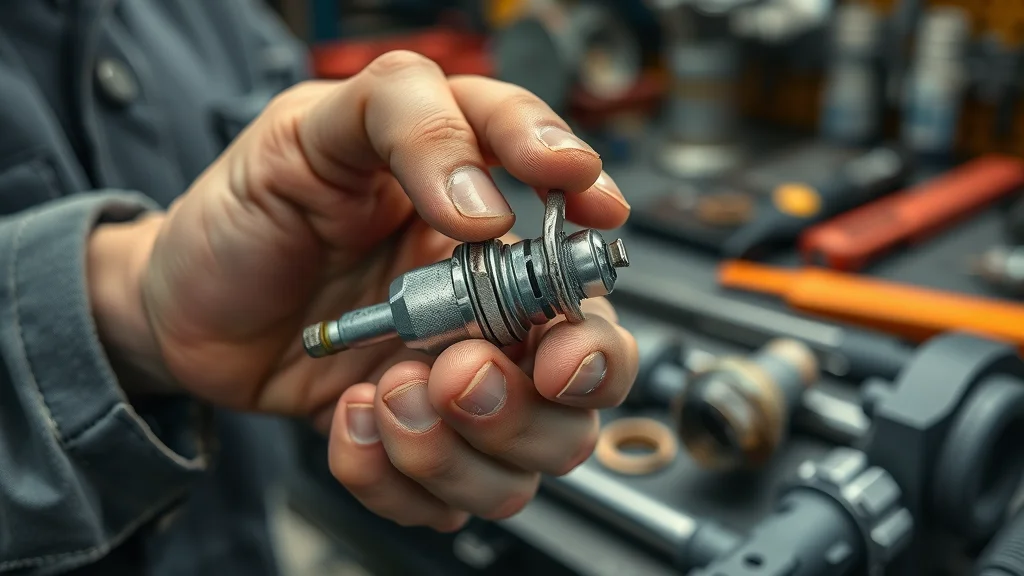
To spot contamination, look for bubbles in fuel lines, milky residues in filters, or persistent water-in-fuel warning lights. Addressing these issues typically involves draining the fuel system, replacing filters, and ensuring all connections are secure. Regularly check the fuel and water separators on your truck, especially before long hauls, to guarantee peak performance and protect engine longevity during diesel engine troubleshooting processes.

How to Fix Clogged Fuel Filters and Lines in Diesel Engine Troubleshooting

Clogged fuel filters and lines are among the top culprits behind sudden loss of engine performance and increased fuel consumption. Dirt, debris, and even microbial growth in stored diesel fuel can quickly obstruct these critical flow pathways. To fix this, begin with a thorough inspection of fuel filters—look for discoloration, sediment buildup, and cracks in the filter body. If your engine is sluggish or stalls under acceleration, chances are a clogged filter or line is to blame.

Replacing a diesel fuel filter is a straightforward DIY task that pays big dividends. Simply relieve fuel pressure, remove the old filter, and replace it with a quality new one—making sure to prime the system for a smooth start. For Columbia, SC truck owners navigating dusty or humid routes, more frequent filter changes can dramatically cut engine troubleshooting incidents and maintain consistent fuel delivery to injectors and cylinder heads.

Diesel engine troubleshooting: action shot of mechanic replacing a diesel fuel filter in a truck service bay, showing careful technique and visible fuel drops.

Diesel Engine Troubleshooting for Electrical & Turbo Issues

Diagnosing Starter and Battery Problems in Diesel Engines

Your diesel engine’s electrical system is the unsung hero of every successful start. Weak batteries, corroded terminals, or malfunctioning starters top the list of electrical problems in diesel engine troubleshooting. If you hear a clicking sound, experience slow cranking, or notice dim dashboard lights, suspect a weak battery or voltage drop. These issues are especially pronounced after extended periods of high humidity that can accelerate corrosion, as often seen in Columbia, SC trucks.

Use a multimeter to test battery voltage (a healthy diesel battery should read around 12. 6 volts when fully charged). Next, check connections for tightness and cleanliness. Starter issues may require professional diagnostics—but ruling out obvious battery faults first can save time and expenses. Consistent electrical checks will keep your engine’s glow plugs, modules, and sensors operating in harmony, minimizing future troubleshooting headaches.

Early Warning Signs of Turbo Failure in Diesel Engine Troubleshooting

The turbocharger delivers the extra power diesel engines need to haul heavy loads reliably. However, any sign of turbo trouble warrants immediate attention. Early warning signs include a loss of engine power, high-pitched whistling sounds, excessive black or blue smoke, and unexplained oil leaks. In Columbia, SC’s heat and varied driving conditions, turbos can be strained by frequent stop-start cycles or insufficient lubrication due to low oil levels or faulty seals.

Regularly examining your turbo for worn seals, shaft play, or oil seepage helps detect problems before catastrophic turbo failure. If any warning signs appear, refrain from continued operation until repairs are made—a failing turbo can rapidly escalate from a minor fault code to a full engine teardown.

“A failing turbocharger can dramatically reduce your diesel engine’s performance — pay attention to whistle sounds, power drops, and oil smoke,” says John, a Columbia-based diesel mechanic.

Diesel engine troubleshooting: close-up of turbocharger inspection, mechanic checking for oil leaks and wear in a diesel engine.

Preventive Maintenance for Diesel Engine Troubleshooting

Routine Checks and Schedules for Diesel Engines

Preventing the need for emergency diesel engine troubleshooting starts with religiously following routine maintenance schedules. This includes frequent oil changes, air and fuel filter replacements, coolant level inspections, and belt tension checks. For Columbia, SC truck owners, it’s also wise to check the fuel and water separators every week, given the humid local climate. Adhering to a robust maintenance routine not only preserves peak engine performance but also cuts the risk of common problems such as clogged airflow or worn piston rings.

Maintaining a detailed service log is invaluable—noting the dates and types of preventive care carried out allows you to spot emerging patterns, such as repeated injector issues or abnormal fuel consumption. This proactive strategy helps you catch issues early and keeps potential failures at bay.

How Columbia, SC Climate Impacts Diesel Engine Troubleshooting

The challenging weather patterns in Columbia, SC—ranging from humid summer days to surprise downpours—put extra stress on diesel engines. Moisture in the air can lead to fuel and water contamination issues, while the heat accelerates evaporation and wear on rubber seals and gaskets. These climate factors heighten the importance of diesel engine troubleshooting tailored to local conditions.

Truck owners should invest in high-quality filters and check for condensation more frequently, especially during humid spells. Performing a walkaround check after heavy rains or before long drives protects against premature engine wear and helps identify low oil, coolant leaks, or air filter clogs before they compromise your engine’s integrity.

Diesel engine troubleshooting in Columbia, SC: truck with driver performing an engine check in a humid, sunny setting with lush background and engine steam.

People Also Ask: Answering Your Diesel Engine Troubleshooting Questions

What is the most common problem with diesel engines?

The most common problem with diesel engines is fuel system contamination—either through clogged filters, dirty injectors, or water in the fuel. These issues disrupt fuel delivery, cause rough starting, and degrade engine performance. Early detection through regular filter checks and using clean, high-quality diesel can help Columbia, SC truck owners avoid expensive repairs and keep their engines running smoothly.
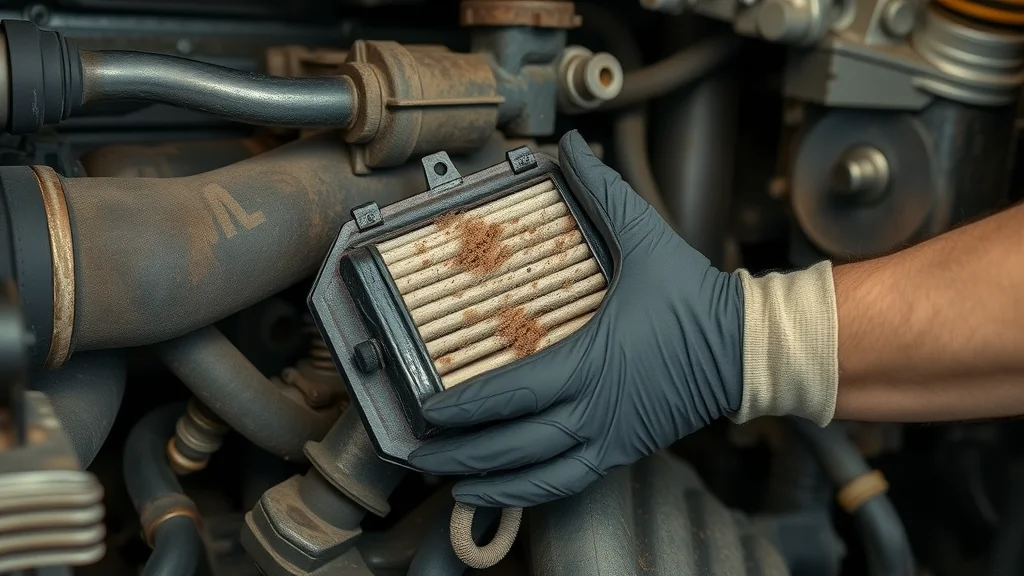
What are the first signs of turbo failure in diesel?

Early signs of turbo failure include unusual high-pitched whistle noises, noticeable power loss, blue or black smoke from the exhaust, and visible oil leaks near the turbocharger. If these symptoms arise, you should reduce engine load and schedule a professional inspection. Ignoring early turbo issues can quickly escalate to total turbocharger failure and severe engine damage.

Why is my diesel engine turning over but not starting?

If your diesel engine turns over but fails to start, common culprits include weak batteries, faulty glow plugs, lack of fuel due to clogged filters or delivery issues, and crank sensor malfunctions. In Columbia’s hot climate, fuel evaporation or air locks can also interfere with starting. Diagnose with a visual inspection and use of fault code readers for precise problem identification.

What are the top 5 signs of engine trouble?

The top five signs of engine trouble are:

  • Hard or slow starting
  • Excessive exhaust smoke
  • Abnormal engine noises or knocking
  • Rapidly increasing fuel consumption
  • Frequent or persistent engine warning lights

Noticing any of these symptoms should prompt immediate diesel engine troubleshooting to prevent costlier damage.

Essential Diesel Engine Troubleshooting FAQs

  • How often should I check my diesel engine for issues?
  • Which parts are most prone to failure in diesel engines?
  • Can I perform basic diesel engine troubleshooting myself?
  • When should I seek a professional in Columbia, SC?
Table: DIY Versus Professional Diesel Engine Troubleshooting
Task DIY Ability Professional Need
Replace fuel filter High Low
Diagnose fault codes Medium Medium
Turbo repair Low High

Organized DIY diesel engine troubleshooting workspace: local truck owner using tools and a code reader by a pickup truck in a sunny driveway.

Key Takeaways for Diesel Engine Troubleshooting

  • Diesel engine troubleshooting saves money and downtime
  • Regular checks prevent major issues
  • Columbia, SC drivers face unique climate challenges
  • Professional help is just a call away

Ready for Expert Diesel Engine Troubleshooting? Contact Local Diesel Mechanics Today

Resolve engine problems fast—schedule service with trusted Diesel Mechanics.

If you’re ready to take your truck’s reliability to the next level, consider the benefits of a full-service approach to diesel maintenance. By partnering with a dedicated diesel truck repair and service provider, you gain access to advanced diagnostics, preventive care, and expert repairs tailored to the unique demands of Columbia, SC roads. This strategic investment not only minimizes unexpected breakdowns but also extends the life of your engine and maximizes uptime. Explore how a comprehensive service plan can transform your diesel ownership experience and keep your truck performing at its best, mile after mile.

Sources

Understanding diesel engine troubleshooting is crucial for maintaining your vehicle’s performance and longevity. To deepen your knowledge, consider exploring the following resources: “Troubleshooting Common Diesel Engine Issues”: This article provides insights into prevalent diesel engine problems, such as fuel contamination and turbocharger issues, along with preventive measures to keep your engine running smoothly. (middletonmeads. com) “Diagnose Your Diesel Engine Problems”: This resource offers a comprehensive diagnostic tool to help identify and resolve various diesel engine issues, empowering you to address problems efficiently. (hotshotsecret. com) By consulting these resources, you’ll gain valuable insights into diesel engine troubleshooting, enabling you to maintain optimal performance and prevent potential issues.

A close-up of a complex, modern car engine with various pipes, gears, and mechanical components, set in a brightly lit workshop with tools and shelves visible in the background.

Common Diesel Engine Problems You Can Fix Today

Did you know: Nearly 60% of diesel truck breakdowns are caused by overlooked engine issues that most owners could fix or prevent? If you drive a diesel in Columbia, SC, knowing which common diesel engine problems to watch for—and how to tackle them—could save you thousands in repairs and keep your truck on the road. Whether you’re a hands-on DIY diesel owner or just looking to understand your engine better, this guide gives you practical steps to fix what’s under the hood today.

Startling Facts: The Hidden Costs of Common Diesel Engine Problems

  • Recent studies show nearly 60% of breakdowns in diesel trucks are caused by overlooked common diesel engine problems. Learn how these issues affect reliability and repair costs in Columbia, SC.

The costs of ignoring routine maintenance for diesel engines can escalate quickly. Neglecting small symptoms often leads to massive repairs—think blown head gaskets or failed fuel injectors—that not only cost more but could take your truck off the road for weeks. With high local humidity and temperature swings in Columbia, SC, these risks are even higher due to increased fuel contamination and cooling system stress. Proactive attention to common issues helps truck owners save money and avoid disruptions to their business or daily life.

Diesel engines are known for their reliability, but that dependability hinges on keeping key systems—like the fuel filter, injectors, and coolant—in check. Overlooked problems like an oil leak or clogged air filter not only degrade performance but can cut engine life short. Addressing these common diesel engine problems early is a smart investment that pays off for both older and modern diesel trucks in Columbia, SC.

What You’ll Learn About Common Diesel Engine Problems

  • The most frequent diesel engine issues truck owners face
  • How to troubleshoot and fix common diesel engine problems
  • Preventive maintenance tips for diesel engines
  • When to seek a professional diesel mechanic in Columbia, SC

This comprehensive guide will empower you to recognize, troubleshoot, and fix many common diesel engine problems yourself—while knowing when to call a pro. You’ll discover what issues to watch out for, how to check vital components like the fuel system and cooling system, and practical strategies tailored to our regional challenges in Columbia, SC.

Miss a scheduled oil change or ignore that plume of blue smoke, and you could be facing major downtime. But with regular fuel filter replacement, smart diagnostics, and early action, you can avoid costly repairs. Read on to get key insights that every diesel truck owner in Columbia, SC needs to stay ahead of engine problems and keep trucks running strong.

For truck owners who want to go beyond the basics, understanding the full range of diesel truck repair and service options available in Columbia, SC can make a significant difference in both troubleshooting and long-term reliability. Exploring professional resources ensures you’re prepared for issues that require more than just DIY fixes.

Understanding Diesel Engine Basics for Truck Owners

How Diesel Engines Work and Why Their Problems Matter

  • Key differences between diesel engines and gasoline engines
  • Why common diesel engine problems need prompt attention

Diesel engines power trucks with reliable, high-torque output and superior fuel economy compared to gasoline engines. They differ from gas motors by using compression ignition—fuel is injected directly into high-pressure air in the cylinder head and spontaneously combusts, driving the pistons. Their heavy-duty design lets them handle more miles, but also means precise fuel system components—like fuel injectors and glow plugs—are crucial for performance.

Because diesel engines rely so much on properly timed fuel injection and high-pressure systems, issues like clogged fuel filters or contaminated fuel quickly spiral into larger problems, from rough idling to catastrophic failures. Neglecting warning signs in diesel engines can lead to breakdowns that are much costlier and more disruptive than those typically seen with gasoline motors. That’s why staying attuned to common diesel engine problems, especially in tough South Carolina conditions, is key.

Detailed diesel engine cross-section showing pistons, injectors, and fuel lines in a photorealistic technical illustration. Main keyword: common diesel engine problems, diesel engines.

10 Most Common Diesel Engine Problems Truck Owners Face

  1. Hard starting or failure to start
  2. Excessive smoke from the exhaust
  3. Loss of power or sluggish acceleration
  4. Overheating
  5. Knocking noises
  6. Poor fuel efficiency
  7. Unusual engine vibrations
  8. Check engine light warnings
  9. Oil or coolant leaks
  10. Frequent stalling

According to diesel mechanics in Columbia, SC: “Ignoring small engine issues today can lead to costly major repairs tomorrow.”

Common Diesel Engine Problems Symptoms Potential Cause Quick Fix
Hard starting Engine cranks but won’t fire up Weak battery, faulty starter, or bad glow plugs Test battery and starter, replace glow plugs
Excessive smoke Black, blue, or white smoke from exhaust Fuel injector, air filter, or head gasket issues Replace air filter, check injectors, seek professional help
Loss of power Sluggish acceleration, poor response Clogged air or fuel filter, turbo or injector problems Replace filters, inspect turbo and injectors
Overheating Temperature gauge high, steam or coolant loss Low coolant, faulty radiator or water pump Top up coolant, inspect radiator & water pump
Knocking noises Sharp, metallic engine sounds Injector timing, low-quality diesel fuel Check timing, use quality fuel, clean injectors
Poor fuel efficiency Increased fuel consumption Dirty air/fuel filters, EGR valve issues Replace filters, clean or replace EGR valve
Oil or coolant leaks Spots under truck, low oil/coolant levels Head gasket or seal failure Inspect and replace gaskets or seals

Troubled truck driver inspecting engine for common diesel engine problems, with truck hood open and light smoke rising.

Diesel Engine Not Starting: Diagnosing the Root Cause

Battery, Starter, and Glow Plug Checks

Hard starting is one of the most widespread common diesel engine problems for truck owners. If your engine cranks slowly or refuses to start, begin with a thorough battery assessment—check for strong voltage and clean, corrosion-free terminals. Diesel engines demand higher cranking amps, especially in colder weather, which puts extra stress on batteries and starters. If the battery checks out, move to the starter. Listen for a clicking noise (indicates a bad solenoid) or total silence (possible starter failure).

Don’t overlook glow plugs: These heat up combustion chambers for a proper air-fuel mixture ignition, especially on chilly Columbia, SC mornings. Faulty glow plugs—or a malfunctioning relay—means the engine won’t get hot enough to start cleanly. Use a multimeter to check their resistance, replacing any that are outside the correct range. Ruling out these basic components first saves time (and money) before digging into deeper fuel system problems.


Fuel System and Fuel Injector Problems

  • Importance of a clean fuel filter in diesel engine performance
  • Diesel fuel contamination issues in Columbia, SC

Even with perfect battery and starter health, a diesel engine can’t fire if fuel isn’t reaching the cylinders in the right quantity and quality. Clogged or dirty fuel filters are among the leading causes of starting trouble. These filters trap debris and water from the fuel tank, but when full, they choke off the fuel supply, resulting in hard starts or no start at all. Always use a clean fuel filter—swap it out every 10,000 to 15,000 miles or sooner if you regularly fill up at smaller stations, which are more prone to contaminated fuel.

On top of filtration, inspect the fuel injector system. Modern diesels use high-pressure injectors to atomize diesel fuel perfectly; if these get clogged or leak, starting and running problems follow. Use diesel additives periodically and have injectors professionally cleaned or replaced when needed. With South Carolina’s humid weather, extra attention is needed to keep water and bacteria from creating fuel contamination.

Mechanic holding a clean diesel fuel filter, highlighting its role in diesel engine performance and preventing fuel system issues.

Excessive Smoke: Color Meanings and Solutions for Diesel Engines

Black, Blue, and White Smoke Explained

Observing unusual exhaust smoke is a sure sign of engine issues. Each smoke color points to a specific common problem in diesel engines. Black smoke indicates unburnt fuel, commonly due to restricted air filter, bad fuel injectors, or excessive fuel delivery. Blue smoke signals burning oil, suggesting piston ring wear or valve seal leaks. White smoke often means coolant or fuel isn’t burning correctly—potentially due to injector timing issues or a failing head gasket.

To address black smoke, check that your air filter isn’t blocked—replace it if dirty. Persistent blue smoke requires a deeper dive into oil seals or rings, while ongoing white smoke demands urgent attention, as it could indicate a coolant leak into the combustion chamber. Diagnosing the correct smoke color helps prevent small fixes from turning into engine rebuilds.

When Smoke Indicates Common Diesel Engine Problems

  • Role of air filter and fuel contamination in exhaust smoke
  • Signs of failing head gasket
  • When to consult diesel mechanics

If you notice thick, dark smoke, start by checking and replacing air and fuel filters. Excess smoke tied to fuel issues can often be traced to using contaminated fuel or worn-out injectors. For blue smoke, inspect for oil leaks or signs of oil consumption (oil leaks on the ground or on the engine block). White smoke, particularly if sweet-smelling or persistent, can point to a cracked head gasket—one of the most serious common diesel engine problems. Coolant in the oil or exceptionally high coolant loss are major red flags; it’s time to call a certified diesel mechanic near Columbia, SC.

Diesel truck exhaust showing black and blue smoke, indicating common diesel engine problems and symptoms of fuel or oil issues.

Loss of Power and Poor Acceleration: Key Diesel Engine Issues

Turbo, Fuel Injectors, and Air Intake Diagnostics

  • Common causes for loss of power in diesel engines
  • Troubleshooting clogged air filters and faulty fuel injectors

Few things are more frustrating than pressing the accelerator—and your diesel truck barely responds. Two of the most frequent causes are clogged air filters (restricting air intake) and gummed-up fuel injectors. Both problems rob your engine of the precise air-fuel mixture needed for proper combustion, leading to decreased engine performance and increased fuel consumption. In turbocharged engines, a leaking boost pipe or faulty turbo can also result in poor acceleration and low power delivery.

To restore power, start by swapping the air filter—a simple and affordable fix. If power loss persists, run fuel system cleaners through your fuel injectors, or have them tested by a professional diesel mechanic. Don’t forget to inspect hoses and the particulate filter for blockages or restrictions.

Diesel truck cab dashboard with frustrated driver experiencing loss of power, pressing accelerator with barely moving RPM gauge, symbolizing diesel engine performance issues.

Overheating in Diesel Engines: How to Prevent and Fix It

Cooling System Maintenance and Checks

  • Importance of radiator, coolant levels, and head gasket in engine performance
  • Columbia SC climate challenges for diesel cooling systems

The heat and humidity in Columbia, SC, place additional strain on cooling systems, making overheating a far more common issue for local diesel owners. An overheating engine risks catastrophic damage: warped cylinder heads, popped head gaskets, and worst-case, a seized engine. Common causes include a clogged radiator, low coolant, faulty water pump, or a failing radiator cap—each reducing cooling efficiency.

Regularly check and top up coolant levels. Flush the radiator according to manufacturer guidelines, and inspect for leaks or worn coolant hoses. If you notice the temperature gauge spiking or see steam from the hood, don’t ignore it. Overheating can quickly destroy an otherwise-reliable engine, so a proactive stance with maintenance prevents the majority of these common diesel engine problems.

Mechanic inspecting radiator and cooling system for overheating diesel engine issues in Columbia SC climate.

Diesel Engine Knocking Noises: Diagnosing and Repairing

Fuel Injector Problems and Timing Issues

  • How incorrect timing or clogged fuel injectors can cause engine knocking

Knocking or pinging sounds are an important warning that your diesel engine needs attention. These noises typically indicate fuel is combusting at the wrong time or in the wrong manner. Clogged or worn fuel injectors can drip or misfire, dumping excess fuel that combusts too late or too early. The most severe cases trace back to incorrect injection timing, which can damage pistons, cylinder walls, or even the crankshaft over time.

To fix knocking, inspect and clean or replace your injectors regularly, especially if your truck has experienced contaminated fuel. If replacing injectors doesn’t fix the issue, have a mechanic check the engine’s timing with the right diagnostic tools. Catching and correcting knocking noises early prevents more expensive repairs down the line.

Dealing with Oil and Coolant Leaks in Diesel Engines

Head Gasket and Seals: Inspection Tips

  • Identifying signs of major leaks and when head gasket replacement is needed

Oil and coolant leaks are easy to miss at first—but letting them go leads to lower engine performance, overheating, and sometimes total engine failure. Common visible signs include oil stains on your driveway or low levels of coolant in the reservoir. In diesel engines, leaks often point to worn gaskets or seals, especially the head gasket, valve cover, or oil pan seals. A leaking head gasket can also let coolant mix with engine oil, causing a milky residue on the dipstick or under the oil cap.

If you spot a fresh oil leak under your truck, trace its source. Sometimes, tightening bolts or replacing a simple gasket is a quick fix. For recurring or severe leaks—with coolant loss or engine overheating—seek a professional for a proper head gasket inspection and possible replacement. Acting early keeps critical fluids in and contaminants out, preventing one of the more catastrophic common diesel engine problems.

Unmistakable engine oil leak under diesel truck displaying dark oil stain on pavement, illustrating classic diesel engine problem.

Preventive Maintenance for Common Diesel Engine Problems

  • Regular oil changes and filter checks
  • Inspecting and replacing air and fuel filters
  • Fuel system and cooling system best practices

The single best way to avoid common diesel engine problems is a solid routine of preventive maintenance. Change oil and filters as scheduled—dirty oil accelerates engine wear, while clogged air and fuel filters cut performance and fuel economy. Regularly inspect the cooling system (radiator, coolant, water pump, hoses) and look for any early signs of leaks. Check fuel system components, including using only high-quality diesel and draining water separators to avoid contaminated fuel.

Make a habit of monthly engine bay inspections. Listen for odd noises, look for smoke colors, and use diagnostic tools if your check engine light flashes. The time you spend now is a tiny investment compared to the cost of major engine overhauls later. Routine care keeps modern and older diesel engines running at their best, even under the tough conditions often encountered around Columbia, SC.

Assortment of diesel maintenance tools and new engine filters, showing preventive maintenance steps to avoid common diesel engine problems.

Columbia, SC Diesel Truck Owner Insights

Local diesel expert: “Our climate increases the risk of overheating and fuel contamination in diesel trucks.”

  • Regional tips for diesel engine longevity
  • Why local knowledge matters

Diesel trucks in Columbia, SC face unique challenges, from sweltering summers that stress cooling systems to humidity that boosts fuel contamination risks. Local mechanics recommend more frequent coolant and filter checks, using fuel additives that inhibit microbial growth, and parking in the shade whenever possible. Trusting a local expert with Columbia-specific experience helps spot emerging problems before they become breakdowns, making all the difference for both work and personal diesel trucks.

Rely on neighborhood diesel mechanics who understand our region’s quirks. They often see patterns—seasonal spikes in overheating, or clusters of injectors clogged by bad diesel fuel—that out-of-town or general auto shops may miss. Columbia diesel owners who stay ahead of maintenance protect their investment and stay on the road longer.

Top Tools and Resources for DIY Diesel Engine Repair

  • Essential tools for addressing common diesel engine problems
  • Online resources and manuals

Ready to handle basic repairs or troubleshooting yourself? A few essential tools will make your diesel maintenance much easier. At minimum, invest in a quality socket and wrench set, multimeter, oil filter wrench, fuel filter pliers, and a diesel-rated code scanner. Keep spare filters, engine oil, and coolant on hand. For most modern diesel engines, a laptop or tablet with an OBD-II diagnostic tool grants valuable real-time data for fast issue detection.

For more guidance, tap into reputable online resources: Your truck’s official service manual, trusted YouTube diesel repair channels, and community forums tailored to your model. Always refer to step-by-step guides designed for diesel engines and, when in doubt, consult a professional. The right knowledge and equipment help keep common diesel engine problems from becoming major headaches.

People Also Ask: Diesel Engines and Common Issues

What is the major problem in a diesel engine?

Answer: The most major problem in a diesel engine is usually related to fuel system failures, especially clogged fuel filters and faulty injectors.

What’s the worst thing for a diesel engine?

Answer: Contaminated diesel fuel is one of the worst things that can happen to a diesel engine, as it leads to injector, pump, and engine damage.

What is the most unreliable diesel engine?

Answer: Reliability can vary, but some poorly-designed or outdated diesel engines suffer known weaknesses; Ford’s 6.0L Powerstroke is commonly cited.

What is the holy grail of diesel engines?

Answer: Many consider the Cummins 5.9L 12-valve as the ‘holy grail’ for its legendary durability and ease of repair.

Key Takeaways for Diesel Truck Owners

  • Act promptly on common diesel engine problems
  • Regular inspections prevent major issues
  • Seek certified diesel mechanics for complex engine repairs

Quick action and routine checks can stop minor issues from ballooning into major repairs. Never hesitate to seek help from certified pros for anything you aren’t sure about, and keep consistent records of your maintenance efforts for the best results.

Frequently Asked Questions About Common Diesel Engine Problems

  • What causes poor diesel engine performance? Often it’s restricted air or fuel flow from clogged filters, dirty injectors, or a failing EGR valve. Bad fuel or leaks can also reduce engine performance.
  • How often should I change diesel engine oil and filters? Stick to the manufacturer’s recommendations—usually every 5,000 to 10,000 miles—or more frequently in tough conditions like those in Columbia, SC.
  • Can I prevent all common diesel engine problems with maintenance? Routine maintenance prevents most—but not all—issues. Some problems stem from defective parts or unavoidable wear, but catching them early saves money.
  • Is professional help always necessary? Many basic issues (filters, batteries, minor leaks) can be fixed DIY. Seek professional help for anything involving major engine disassembly, persistent leaks, or computer diagnostics.

Final Thoughts: Stay Ahead of Common Diesel Engine Problems

  • Emphasize prevention, regular servicing, and awareness of common diesel engine problems to extend vehicle life in Columbia, SC

Commit to prevention and regular checks, and you’ll avoid most common diesel engine problems, keeping your Columbia truck dependable for years to come.

If you’re ready to take your diesel truck care to the next level, consider exploring the full spectrum of diesel truck repair and service solutions available from trusted professionals in Columbia, SC. Whether you’re seeking advanced diagnostics, comprehensive maintenance plans, or expert advice tailored to your vehicle’s needs, partnering with a dedicated service provider can help you maximize uptime and protect your investment. Dive deeper into specialized support and discover how a proactive approach can keep your diesel engine running stronger, longer—no matter what the road throws your way.

Looking for Expert Help? Trust the Diesel Mechanics at Road1 Columbia, SC

  • Contact the professionals for comprehensive diesel engine diagnostics, repair, and maintenance: Diesel Mechanics

Sources

To enhance your understanding of common diesel engine problems and their solutions, consider exploring the following resources: “Top 5 Common Diesel Engine Problems and How to Avoid Them”: This article provides insights into prevalent diesel engine issues, including fuel contamination and injector problems, along with preventive measures to maintain engine health. (stevensdiesel. com) “6 Common Problems with Diesel Engines”: This resource outlines typical diesel engine challenges such as hard starting and black exhaust, offering practical advice on early detection and resolution. (gotodobbs. com) By delving into these articles, you’ll gain valuable knowledge to proactively address and prevent common diesel engine issues, ensuring your vehicle remains reliable and efficient.