
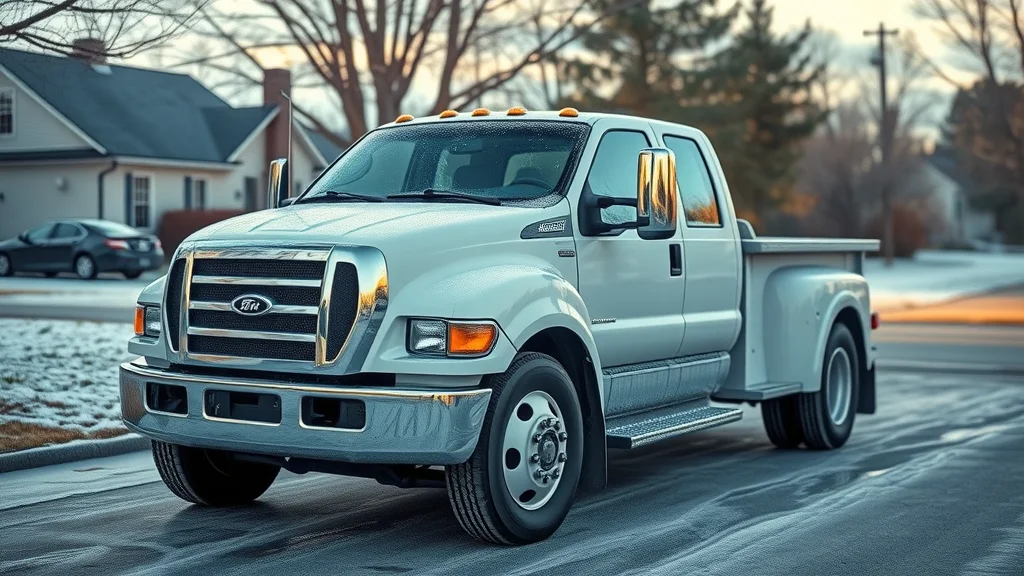
How Cold Weather Impacts Diesel Engines in Columbia SC—Stay Prepared!
Did you know: Diesel engines can lose up to 50% of their starting power when temperatures dip below freezing—an issue Columbia SC drivers face each winter? If you rely on your diesel vehicle, understanding the connection between frigid temperatures and engine performance is more than just trivia; it’s essential to keeping your engine running smoothly and avoiding costly repairs when the ice hits
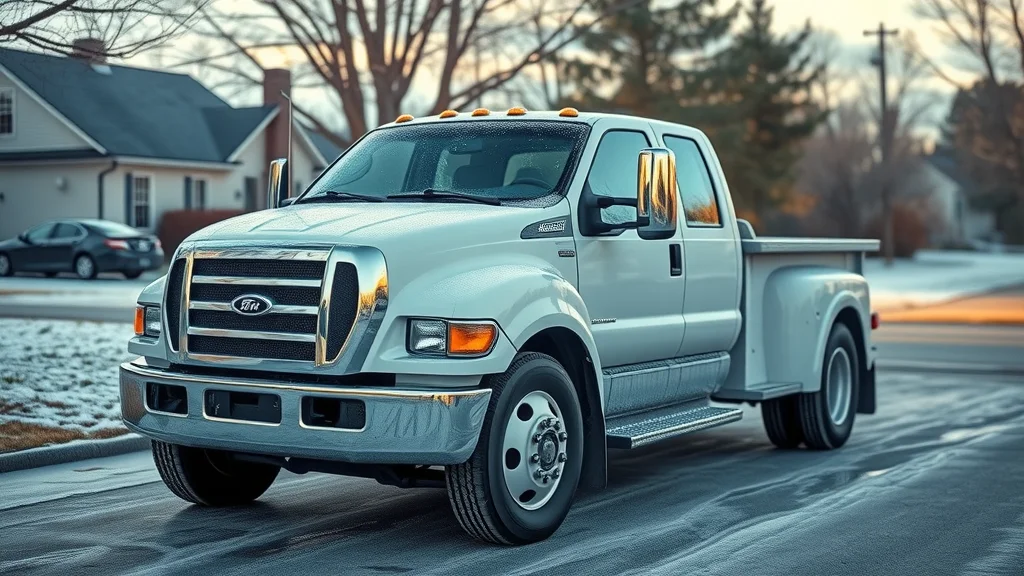
Did You Know? Startling Cold Weather Facts Every Diesel Owner in Columbia SC Should Know
“Diesel engines lose up to 50% of their starting power when temperatures fall below freezing — Columbia, SC drivers are not immune to this risk.”
Most diesel owners believe that freezing problems are reserved for northern states, but Columbia SC’s sudden cold snaps and ice storms bring hidden risks home. The facts are clear: As soon as temps creep below 32°F, diesel fuel is vulnerable to gelling, and glow plugs must work overtime to enable cold starts. Local pickup trucks and commercial fleets in Columbia often experience sluggish startups and even complete no-starts after a frigid night. This is due to the higher paraffin wax content in standard diesel fuel, which solidifies faster than gasoline in cold air. Without preparation, your next commute or delivery run may be sidelined by a frozen fuel line, clogged fuel filter, or exhausted battery.
Freezing temperatures stress critical engine components, reducing fuel flow, compressing batteries, and impairing the ignition system. Even a slight dip in mercury can result in hard starts, thickened oils, and accelerated engine wear. Knowing the science behind how cold weather impacts diesel engines in Columbia SC gives you a preventive edge over unexpected breakdowns—and hefty towing bills.
What You’ll Learn: Staying Ahead of How Cold Weather Impacts Diesel Engines in Columbia SC
- The main risks of cold weather for diesel engines
- Why cold starts are different for diesel engines in Columbia SC
- Steps to keep your diesel engine running smoothly
- How diesel fuel, glow plugs, and fuel filters are affected by cold weather
- Expert tips to avoid engine wear and costly repairs
Understanding How Cold Weather Impacts Diesel Engines in Columbia SC
Why Diesel Engines Face More Challenges in Cold Weather
Diesel engines are inherently robust, known for their high compression ratios and impressive fuel efficiency, but their performance drops dramatically in cold weather—especially in climates like Columbia, SC, where winter temperatures can quickly shift. Unlike gasoline engines that rely on spark plugs, diesel engines count on air compression to ignite the fuel. This process demands a higher internal temperature, meaning that when the outside air is cold, it becomes significantly harder for the engine to reach the required heat for combustion.
Adding to the challenge, diesel engines are engineered for durability and heavy loads, resulting in thicker engine oils and denser fuel. On a frosty Columbia morning, this thickened oil resists flow, increasing friction and making it harder for your pickup truck or van to turn over. During a cold start, glow plugs must heat the cylinders enough to ignite the fuel, but their efficiency plummets in freezing temperatures. As a result, cold starts put immense stress on the entire ignition system, potentially shortening battery life and straining the starter motor. All these interconnected factors explain why cold weather starting problems are so common for diesel engines in Columbia SC.
For those looking to address these cold weather challenges head-on, understanding the importance of regular diesel truck repair and service can make a significant difference. Routine maintenance not only helps prevent cold start issues but also extends the life of your engine—learn more about comprehensive diesel truck repair and service options in Columbia SC to keep your vehicle winter-ready.
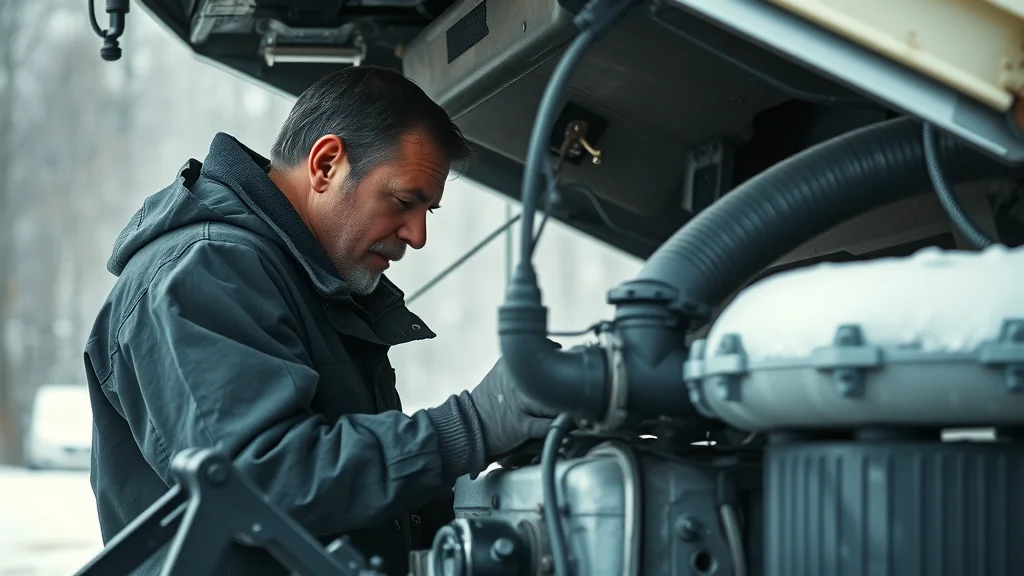
The Science Behind Diesel Fuel, Pour Point, and Cold Start Issues
The unique makeup of diesel fuel means it responds to cold far differently than gasoline. At low temperatures, the paraffin wax naturally present in diesel starts to solidify—a phenomenon called “gelling.” As it gels, diesel’s “pour point”—the lowest temperature at which it will flow—rises, causing thick, sluggish fuel that clogs fuel filters and fuel lines. In Columbia SC winters, it’s not uncommon for standard #2 diesel to gel at temperatures close to 20°F, while additives and winter blends lower that threshold but can’t eliminate it entirely.
This gelling doesn’t just block the fuel filter; it prevents the engine from drawing fuel from the fuel tank, resulting in a no-start condition or, worse, sudden stalls in traffic. Cold diesel engines also require a longer preheat period from their glow plugs. If these components are worn out or neglected, hard starts and misfires become routine. Therefore, engine health in winter depends on understanding and managing both the fuel’s chemistry and the physical demands of a cold start.
| Temperature (°F) | Diesel Engine Performance | Gasoline Engine Performance | Diesel Pour Point | Cold Start Time (Avg) | Fuel Filter Clogging Risk |
|---|---|---|---|---|---|
| 40°F | Normal – minimal effect | Normal | ~10–15°F (standard blend) | 5–8 sec | Low |
| 25°F | Harder starting, slight gelling | Normal | ~20°F (standard blend) | 8–15 sec | Moderate |
| 15°F | Severe gelling, filter clogging likely | Slightly harder start | Below current temp | 15–25 sec | High |
| 0°F | No start: fuel solidifies | No start possible | Below actual temp (only with winter blend/additive) | N/A (usually fails to start) | Very High |
Critical Diesel Engine Components at Risk in Columbia SC Cold Weather
Glow Plugs and Cold Starts: Ensuring Your Diesel Engine Starts Every Time
Your diesel engine’s lifeline during winter is the glow plug—a small but crucial component that preheats the air in the cylinders to facilitate ignition. In Columbia SC’s chilly mornings, weak or faulty glow plugs mean your engine will struggle to fire up, resulting in repeated cold starts that sap battery power and risk flooding the cylinders with unburned fuel. Modern diesel cars and trucks rely on a glow plug for each cylinder, and if just one is compromised, you’ll notice sluggish starting and excessive white smoke during startup.
Routine testing and timely replacement of glow plugs are non-negotiable for reliable winter operation. If you notice extended cranking, harsher engine sounds, or your check engine light flickering after a cold snap, it could indicate failing glow plugs or associated wiring. Addressing such issues before the cold weather deepens is the only way to guarantee a consistent cold start and to prevent engine wear from unburned or improperly combusted fuel.

How Cold Weather Affects Diesel Fuel, Fuel Filters, and Pour Point
The chemistry of diesel fuel changes dramatically as the temperature drops in Columbia SC. Standard diesel contains paraffin wax, which offers lubricity and efficiency in normal temperatures but solidifies as the mercury falls. The pour point—the temperature at which diesel fuel ceases to flow—becomes a critical number for local drivers. Without winterization, regular diesel fuel will gel, bringing about blockages in fuel filters and lining fuel lines with wax crystals, halting the journey from the fuel tank to the injectors.
Replacing your fuel filter before the first cold snap is one of the easiest ways to prevent cold-weather no-starts. A partially clogged filter is already a bottleneck; as gelling begins, it quickly becomes fully obstructed, causing your engine to stall or refuse to start. Premium fuel blends and anti-gel additives are engineered to lower the pour point, improving fuel flow in cold climates. Regularly inspecting your fuel tank for condensation (which can freeze and block lines) will also help keep your diesel engine running smoothly in winter.
Engine Wear and Longevity: Protecting Your Investment
Prolonged cold starts, thickened oil, and sluggish fuel all add up to increased engine wear. Metal-on-metal contact is more likely before the oil has warmed and circulated, increasing the risk of premature bearing and piston damage. In cold weather, diesel engines need extra time to reach optimal operating temperature, and skipping warm-ups may accelerate wear over the years—shortening the lifespan of your diesel pickup, delivery van, or farm equipment.
Preventing cold-related engine wear requires more than just diligent starting practices. Using the correct weight oil for winter, keeping up with routine glow plug and fuel filter checks, and storing your vehicles in a protected environment all go a long way toward maintaining fuel efficiency and avoiding costly overhauls. Proactive care is simply the best way to protect your investment when freezing temperatures roll into Columbia SC.
List: Steps to Keep Your Diesel Engine Running Smoothly This Winter in Columbia SC
- Use winterized diesel fuel blends: They have lower pour points and reduce the risk of fuel gelling in cold air.
- Check and replace glow plugs as needed: Ensure every cylinder fires reliably during cold starts.
- Inspect and change your fuel filter before the cold sets in: A clean filter prevents fuel flow blockages.
- Let your diesel engine warm up adequately: The engine will run smoother and last longer, reducing engine wear.
- Store your vehicle in a garage or shelter: Protecting from the elements makes cold starts easier and reduces condensation in the fuel tank.
- Monitor for signs of gelling and pour point issues: Cloudy fuel or reduced power mean it’s time for anti-gel additives or professional help.
“An ounce of prevention against cold weather could save thousands in diesel engine repairs.” — Local Columbia SC diesel expert

Expert Strategies: Preparing Diesel Engines for Freezing Temperatures and Ice Storms in Columbia SC
Winterizing Diesel Fuel: What Works Locally in Columbia SC?
Winterization strategies must be tailored for Columbia’s particular climate, where mild winters can quickly give way to dangerous ice storms. Switching to a winterized diesel blend at the pump—typically available from late November through February—lowers the pour point of the fuel, dramatically reducing the risk of gelling. For additional protection, high-quality anti-gel additives introduced at each fill-up fortify your fuel against sudden cold snaps.
Frequent fuel tank top-offs help prevent condensation, which can freeze and create ice blockages in your fuel lines. Avoid letting your tank fall below half full during the coldest months. Finally, when choosing a fuel station, opt for locations with high turnover, ensuring fresher diesel less likely to have accumulated moisture or contaminants.

Routine Maintenance: Checking Glow Plugs, Fuel Filters, and Avoiding Engine Wear
A robust winter maintenance plan centers on the pre-emptive care of key engine components. Begin the season with a checkup of all glow plugs—replacing any that are weak or nonfunctional. Make fuel filter swaps standard practice at the start of each winter to prevent unexpected clogs from fuel gelling.
Many owners overlook the cumulative impact of repeated cold starts, but this is a critical window for engine wear. Using synthetic or cold-weather rated oil reduces start-up friction, ensuring vital parts are lubricated even on the coldest mornings. Running your truck at idle for a few minutes before driving distributes oil and brings combustion temperatures up, combating the risks posed by cold weather in Columbia SC.
People Also Ask About How Cold Weather Impacts Diesel Engines in Columbia SC
What temperature is too cold for a diesel engine?
Generally, diesel engines start to experience significant starting problems when temperatures drop below 20°F (-6°C), as standard diesel fuel can begin to gel close to this threshold. However, with winterized diesel blends and routine preventive maintenance, engines in Columbia SC can usually operate down to about 0°F, but added precautions and anti-gel additives are highly recommended as you approach freezing temperatures. Always monitor for signs of sluggish starts and consider using a block heater for extreme lows.
Are diesel engines bad in cold weather?
Diesel engines are not inherently bad in cold weather, but they do face unique challenges compared to gasoline engines. Difficult cold starts, increased risk of fuel gelling, and higher oil viscosity require specific winterizing steps. By employing the right maintenance techniques—like using winterized fuel, replacing glow plugs, and keeping the engine sheltered—diesel engines can perform reliably even during Columbia SC’s coldest spells.
How long should I let my diesel warm up in the cold?
Letting your diesel engine warm up for about 5–10 minutes when temperatures are below freezing is usually sufficient. This brief period ensures oil circulates well, fuel is fully atomized, and engine parts expand to optimal tolerances, reducing premature engine wear. Avoid excessive idling, as today’s engines reach safe operating temperatures quickly, but never drive aggressively until your engine temp has stabilized.
At what temperature do diesel engines freeze?
Diesel engines themselves do not freeze, but standard diesel fuel begins to solidify (gel) at around 20°F, with performance dropping significantly below this mark. Without protection (e.g., winter fuel blends or anti-gel additives), even a brief cold snap in Columbia SC can immobilize your vehicle until temperatures rise—and clogged filters and frozen fuel lines are cleared.
FAQs: Protecting Diesel Engines During Columbia SC Winters
- What additives can prevent diesel fuel gelling?
High-quality anti-gel additives lower the pour point of diesel fuel, preventing paraffin wax from solidifying. Look for local brands recommended by Columbia SC experts and always follow product guidelines on dosage per gallon. - Is prolonged idling necessary for modern diesel engines?
Modern diesels need only a few minutes of idling to circulate oil and reach safe operating temperatures in the cold. Excessive idling wastes fuel and increases engine wear. - Should you cover your diesel engine or use a block heater in Columbia SC?
Using a block heater or insulated engine cover is highly effective during prolonged freezes, helping your engine reach starting temperature faster and reducing cold start wear. - How often should glow plugs be checked?
Test glow plugs at the start of every winter and replace them as needed (typically every 30,000–60,000 miles). Any sign of rough starting or white smoke warrants immediate inspection.
Key Takeaways for How Cold Weather Impacts Diesel Engines in Columbia SC
- Cold weather poses specific risks for diesel engines—plan ahead to avoid downtime.
- Cold start problems, fuel gelling, and increased engine wear are preventable with proactive measures.
- Following winterization best practices will help keep diesel engines running smoothly throughout the Columbia SC winter.
Stay Prepared: Consult Diesel Mechanics in Columbia SC for Expert Winter Care
Don’t risk a cold-weather breakdown—get expert help! For personalized winterization, maintenance, and emergency solutions to keep your diesel engine running smoothly, reach out to local professionals:
Diesel Mechanics – https://callroad1.com
Conclusion
Proactive preparation is your best defense against Columbia SC’s winter weather. Take action today to prevent breakdowns and costly repairs, and keep your diesel engine in peak condition all season long.
If you’re interested in taking your diesel maintenance knowledge even further, consider exploring broader strategies for vehicle care and performance. Discover how a comprehensive approach to diesel truck repair and service can help you maximize reliability, efficiency, and longevity—not just in winter, but year-round. Staying informed and proactive is the key to getting the most out of your diesel investment, no matter what the Columbia SC climate brings.
Sources
- Diesel Cold Weather Performance – https://www.dieselforum.org/news/diesel-cold-weather-performance-faq
- Preventing Diesel Fuel Gelling – https://www.popularmechanics.com/cars/how-to/a28543066/diesel-fuel-gelling/
- How Cold Weather Affects Diesel Engines – https://www.cummins.com/news/2021/10/05/how-cold-weather-affects-diesel-engines-and-fuel-systems
- Diesel Fuel Winterization – https://www.nrel.gov/publications/factsheets/1997/nrel-fs-540-24137.pdf
Cold weather poses significant challenges for diesel engines, particularly in regions like Columbia, SC, where temperatures can fluctuate and occasionally drop below freezing. Understanding these impacts is crucial for maintaining engine performance and longevity.
Key Cold Weather Challenges for Diesel Engines:
-
Fuel Gelling: Diesel fuel contains paraffin wax, which can solidify in cold temperatures, leading to fuel gelling. This process clogs fuel filters and lines, preventing the engine from starting or running properly. (cars.com)
-
Thickened Engine Oil: Cold temperatures cause engine oil to thicken, reducing its ability to flow and lubricate internal components. This increased viscosity leads to higher friction and makes it harder for the engine to turn over. (cars.com)
-
Battery Performance Decline: Cold weather reduces a battery’s power output, making it more difficult to start the engine. Weak or old batteries are especially prone to failure during winter. (immaculatekinetics.com)
-
Air Intake Restrictions: Cold weather can exacerbate air intake restrictions, impeding the flow of air into the diesel engine and disrupting the crucial air-fuel mixture necessary for combustion. (sd.fuv.edu.br)
Preventive Measures:
-
Use Winter-Grade Diesel Fuel: Switching to winter-grade diesel fuel, which is blended to withstand colder temperatures, and adding anti-gel additives can prevent fuel from thickening. (immaculatekinetics.com)
-
Switch to Winter-Weight Oil: Using a synthetic or winter-weight oil before temperatures drop is one of the most cost-effective ways to protect your engine during cold starts. (nationalfleetmgt.com)
-
Maintain Battery Health: Test your battery’s health before winter and replace it if necessary. Clean the terminals and connections to ensure maximum power delivery. (immaculatekinetics.com)
-
Inspect Air Intake System: Regularly check and replace air filters to ensure unrestricted airflow, which is crucial for proper combustion, especially in cold weather. (sd.fuv.edu.br)
By implementing these strategies, diesel engine owners in Columbia, SC, can mitigate the adverse effects of cold weather, ensuring reliable performance throughout the winter months.